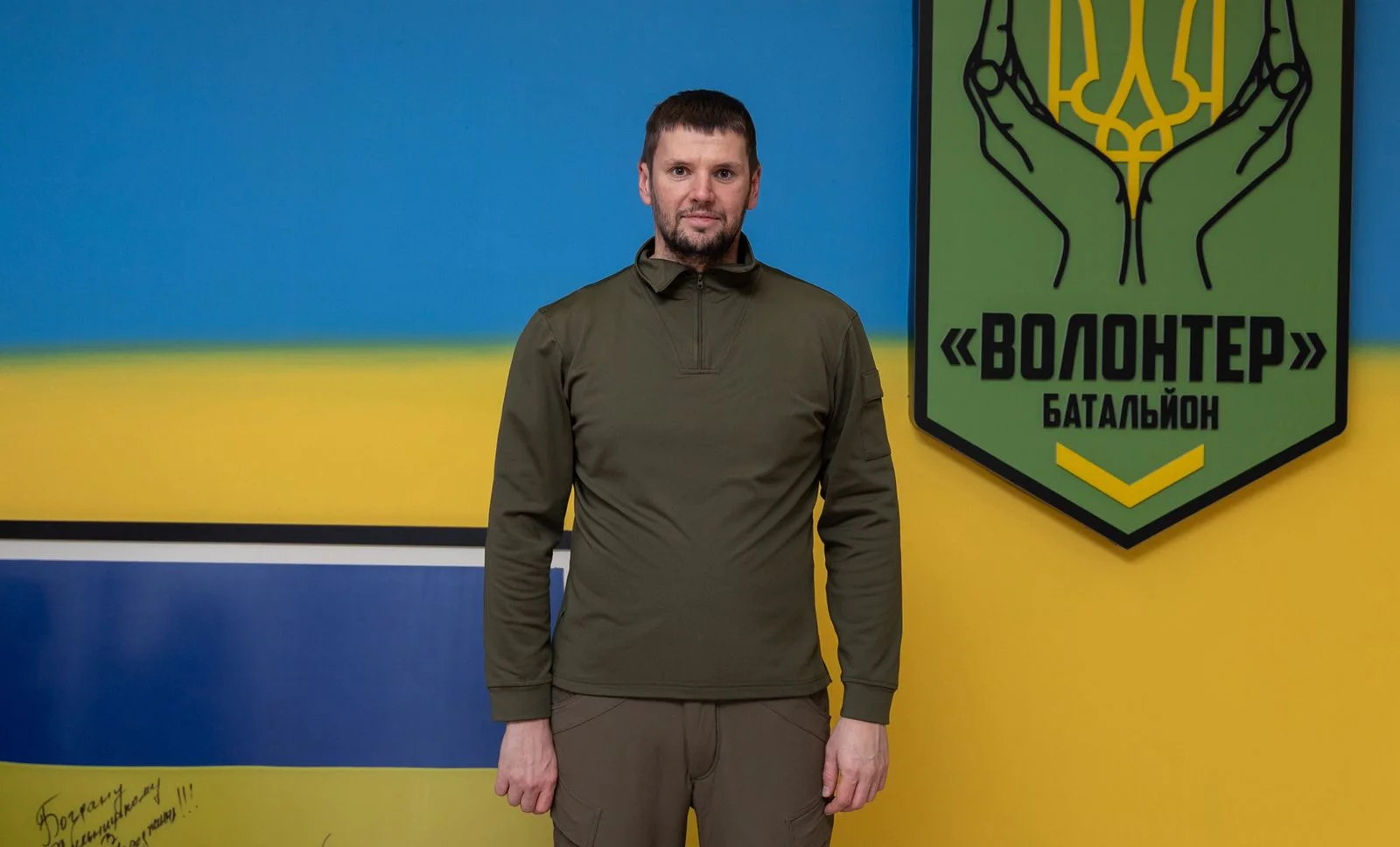
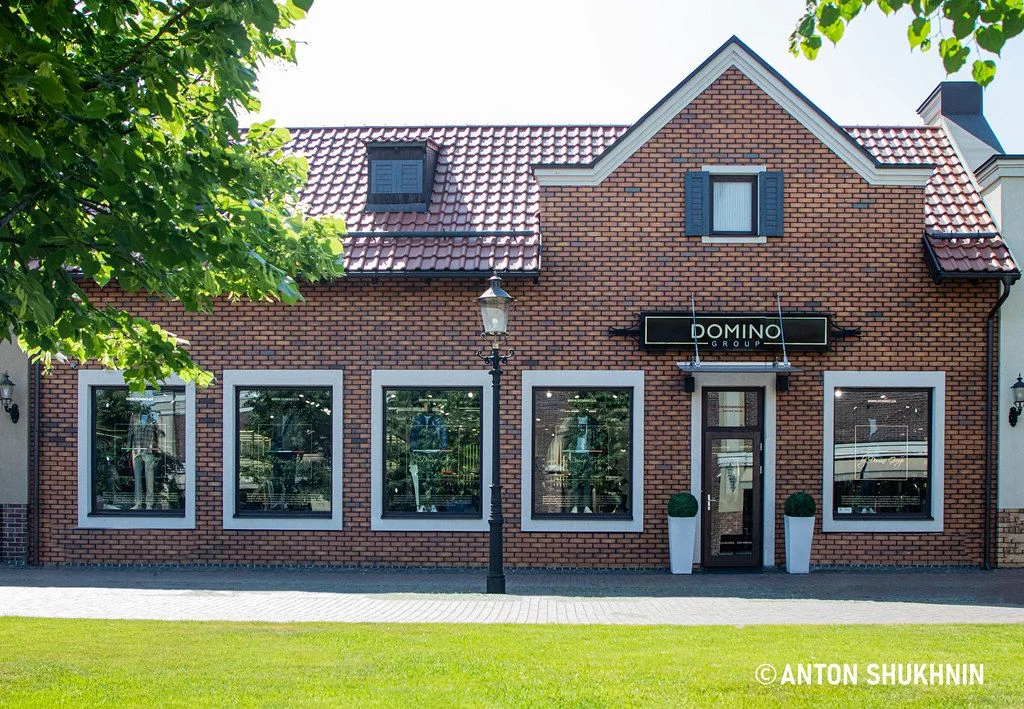
In 2014, entrepreneur Anton Shukhnin was forced to leave his native Donetsk with his family and rebuild his company from scratch in Kyiv. Today, TM DOMINO, which specialises in luxury clothing, has become a national brand that supports the Armed Forces, helps internally displaced people, and continues to grow even during wartime.Shukhnin shared how Ukrainian entrepreneurs can survive the war and why social responsibility in business must become the norm, even in the hardest times.
Anton, DOMINO has launched flash mobs to support the Defence Forces. It’s a kind of challenge that you pass on to other businesses. What kind of competition is this?
We launched this project to support the Defence Forces on 24 August, for Flag Day and Independence Day. The idea is simple: everything you earn over a certain period — donate to the needs of our soldiers on the frontline. It could be drones, electronic warfare systems, vehicles, and so on. That time we bought an SUV for reconnaissance troops of the Defence Intelligence of the Ministry of Defence (HUR).
Other businesses also joined in, each supporting a unit they were familiar with. Competition is in our blood — it was fascinating to watch how people pooled their income to buy something vital for the army. Who could do more, who could do better. It was healthy competition. By the way, many of our clients, when they heard about the challenge, made purchases precisely during those days.
Speaking of clients — your segment is luxury clothing. Has this audience changed since the start of the war?
The war has made everything crystal clear. It’s not about who earns more — it’s about who has empathy and understands their role in this war. We’re now in the fourth year of it. Everyone’s tired. Volunteer fundraising has dropped. Fatigue has set in. But humanity — you either have it or you don’t. And most still do. Millions of Ukrainians, regardless of what they wear, believe, or earn.
When you see how many people are dying, profit stops being the main goal. I believe business must work to support the army, the state, and communities. That’s how the idea of our flash mob was born — to donate all profits to the Defence Forces. The more you earn — the more you help. Earned little — still help.
Support for the Armed Forces should no longer be just an emotion — when you see a moving video and donate impulsively — but a discipline. Emotion comes and goes, but discipline is systematic. And many businesses already realise that supporting the army is not charity — it’s a norm. It should become part of Ukraine’s entrepreneurial culture.
You often say that supporting communities and displaced people is just as important as helping the front. Why?
Because I know exactly what that means — I’m a displaced person myself. In 2014, I left Donetsk, my home, my business, everything. I started again in Kyiv, practically from scratch. That’s when I first felt what it’s like to lose everything. So, when I see families now fleeing the war, I truly understand what they’re going through — especially those with children.
As a father of three, it’s painful to watch. That’s why our DOMINO team helps internally displaced families with food, clothing, and school supplies for children. I want my fellow countrymen who lost their homes to feel they’re not alone — that they’re remembered.
You work openly with the Defence Intelligence of Ukraine (HUR). Aren’t you afraid of becoming a target for the enemy?
They’ve already noticed me. When our projects started, there were information attacks against me and DOMINO — fake stories, Russian PSYOPs claiming that “Anton Shukhnin and his business operate in Russia or Crimea.” These were published on sites with ties to Russia, clearly aiming to make me look toxic to HUR and the Armed Forces. It didn’t work.
After I helped expose one enemy network, threats followed — and later, an assassination attempt. Thanks to the doctors, I survived. We handed over all materials to law enforcement, and several cases have already been opened.
When you openly help the army, you become a target. But there’s also a positive side — after recovering, I only became more determined to fight the enemy.
And you didn’t stop cooperating with HUR even after the assassination attempt?
Quite the opposite — I took it as proof I was moving in the right direction. If the enemy is trying to get you, it means you’re hurting them. It means you’re on the right path — bringing victory closer.
The most dangerous thing is indifference. Fakes will fade, the truth will remain. I don’t want to dramatise it, but everyone must understand: being active, public, and supporting the army today is a risk — but it’s worth it.
Despite everything, DOMINO keeps expanding — opening new stores and entering foreign markets. Wouldn’t it make sense to wait until the war is over?
War is part of our reality. As painful as it is to admit, we either accept it and keep moving or just try to hide. I won’t hide. My business must stand its ground. The resilience of business is part of the resilience of the state — that’s what motivates me.
Even in wartime, we create jobs, pay taxes, and support the budget. So, when we open a new store or expand abroad, it’s not only about ambition. It’s a message to the world: Ukraine endures and continues to fight.
In many of your interviews, you say, “Indifference kills.” Where does that come from?
From experience. I’ve seen how indifference destroys cities, people, and businesses. Now I see volunteers struggling to raise even 100,000 hryvnias because the initial shock of the invasion has passed — enthusiasm has faded, routine has set in, and fatigue has grown. Indifference has crept in. That’s why I say it kills.
Our toughest challenge now, as Ukrainians, is not to become indifferent. Every donation, every car sent to the front, every child who receives a schoolbag and feels cared for — it’s all part of victory.
What keeps you going?My family. My wife and three children. We all stayed in Ukraine — that was a conscious decision. I want my children to see their father act, not hide.
And I want to feel that what I’m doing matters — and I do feel it. As long as we feel that and keep going, we won’t become those who’ve grown tired. That’s an important part of our inner resistance.
And finally — what do you think Ukrainian business will look like after victory?
Mature. Tempered. A bit battered, but unbreakable. One that remembers what it went through. My dream is that after victory, we don’t forget this unity and sense of responsibility.
The business of the future isn’t just about numbers — it’s about people who help their country move forward.