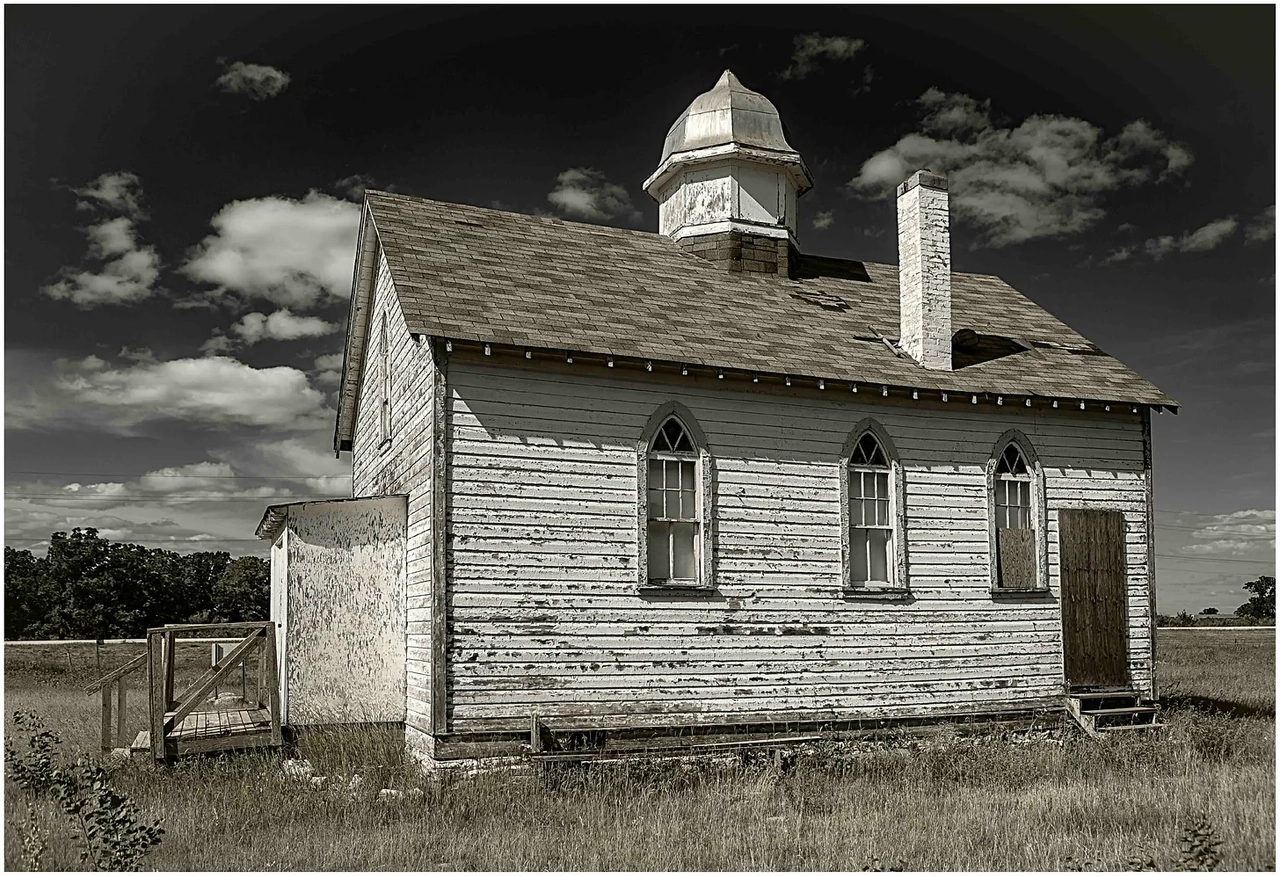
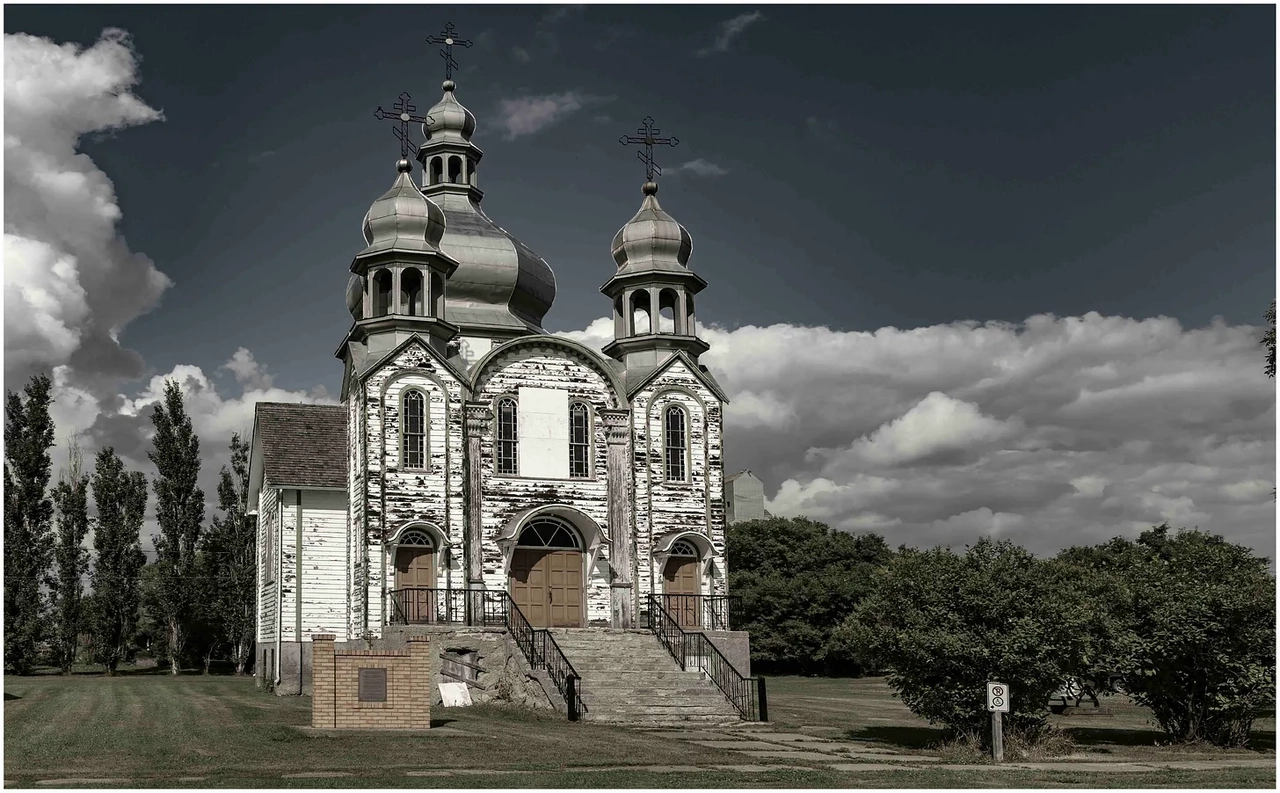
As we drive west along Highway 5, onion-domed churches slip past at regular intervals. More than any demographic statistic about the origins of the population of this corner of Manitoba, these recurring silhouettes tell us we have entered one of the oldest Ukrainian settlement areas in Canada.
We are heading toward Dauphin, to see, up close, how Canadians of Ukrainian descent have been living through the catastrophe that struck their country on that fateful day of Feb. 24, 2022, when the Russian invasion began. We reach the town at dusk, assuming our work will have to wait until morning. Instead, it starts the moment we walk into the restaurant for dinner.
“Their borscht is without potatoes, meat, or tomatoes, the way it was made a century ago, and they don’t know our big singers from the 1970s. Still, I recognize myself in their traditions, and in some ways it feels like home.” Oleksandra Berdnyk is twenty-nine. She arrived in Dauphin three years ago from Ukraine’s Dnipro region. In a sense, she says, the customs here feel even more Ukrainian than those back home. “Those who emigrated here a hundred years ago weren’t exposed to the Russian influence of the Soviet period, which left deep scars on our culture,” she says.
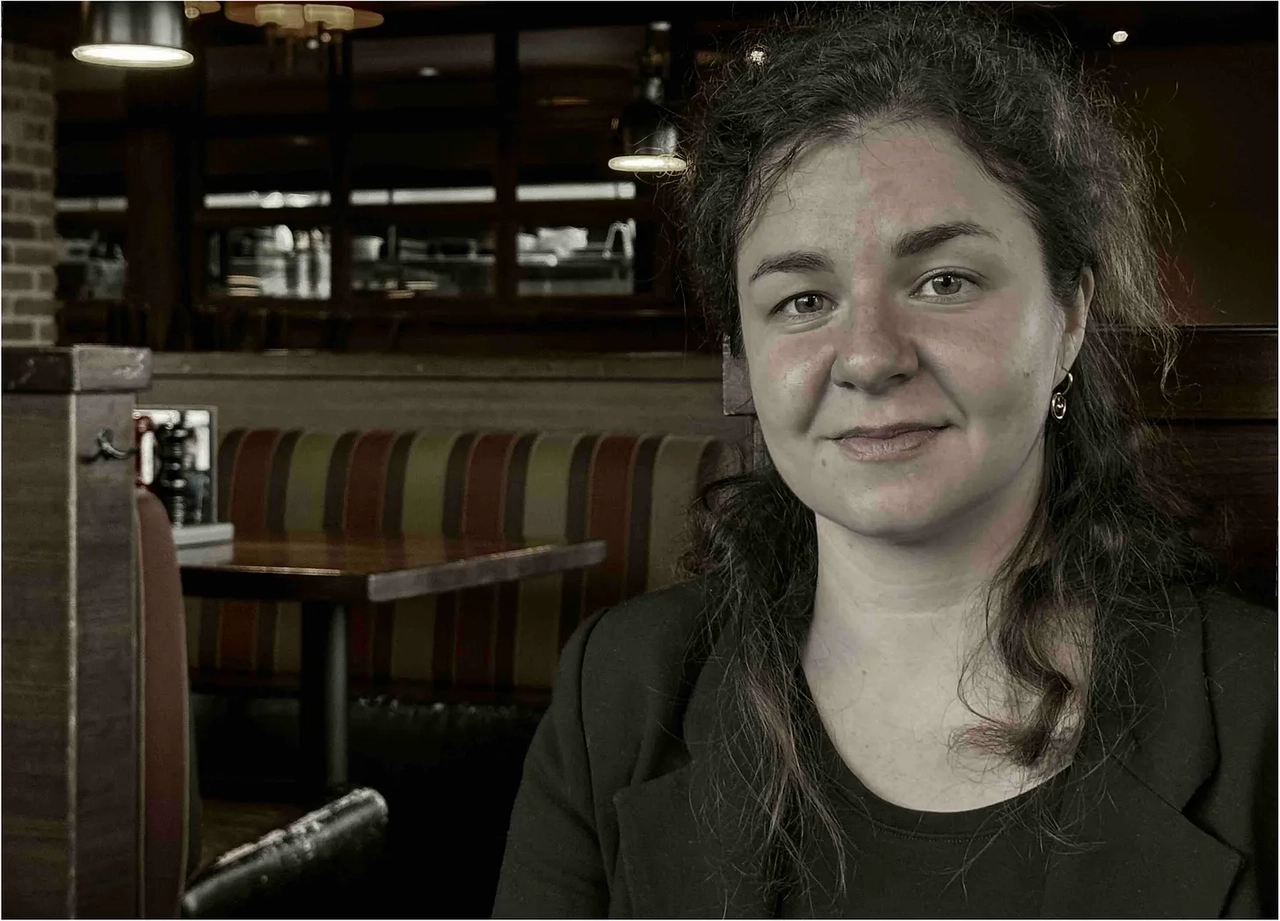
When tanks marked with a painted “Z” rolled into her country, Oleksandra had just graduated with a degree in biotechnology. Since arriving in Canada, she has worked in fields far removed from her training. In the evenings, she waits tables at the restaurant where we meet her; during the day, she works as a legal assistant at a law firm. “I feel a strong sense of solidarity from Ukrainian Canadians in the area,” Oleksandra says. “They remain deeply connected to their country of origin, and everyone I know is trying to help, in one way or another.”
“The events of 2022 reignited something in our community.” B. K. (who asked not to be named) is among the roughly thirty percent of Dauphin’s residents who claim Ukrainian roots. She works at City Hall—our first, and somewhat inevitable, stop the following morning—and agrees to talk to us after some hesitation. “What’s happening over there leaves us with a strong sense of vulnerability,” she says.
She doesn’t speak Ukrainian—“I know only a few words; to communicate with newcomers, I rely on a translation app”—and she has never been to Ukraine. She has no close relatives directly affected by the war. None of this lessens her sense of involvement: “I can only imagine the tragedy of those living there,” she says. “I often wonder: what if it were happening to us?”
It is her who mentions the Ukraine Fund established in Dauphin to support a local refugee resettlement program. “It was set up, I think, about three years ago,” she explains. “It’s helped quite a few refugees find housing and get back on their feet.”
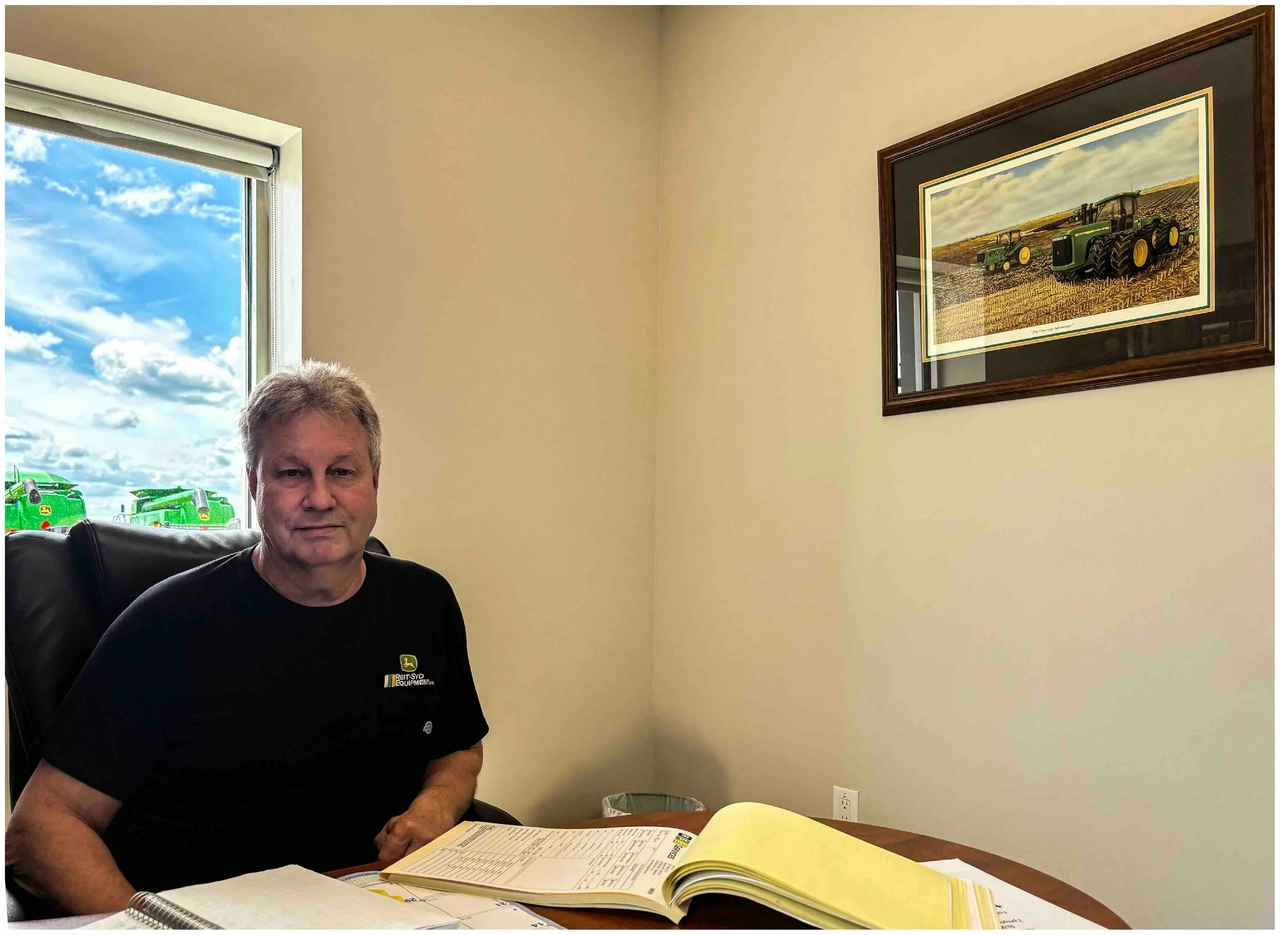
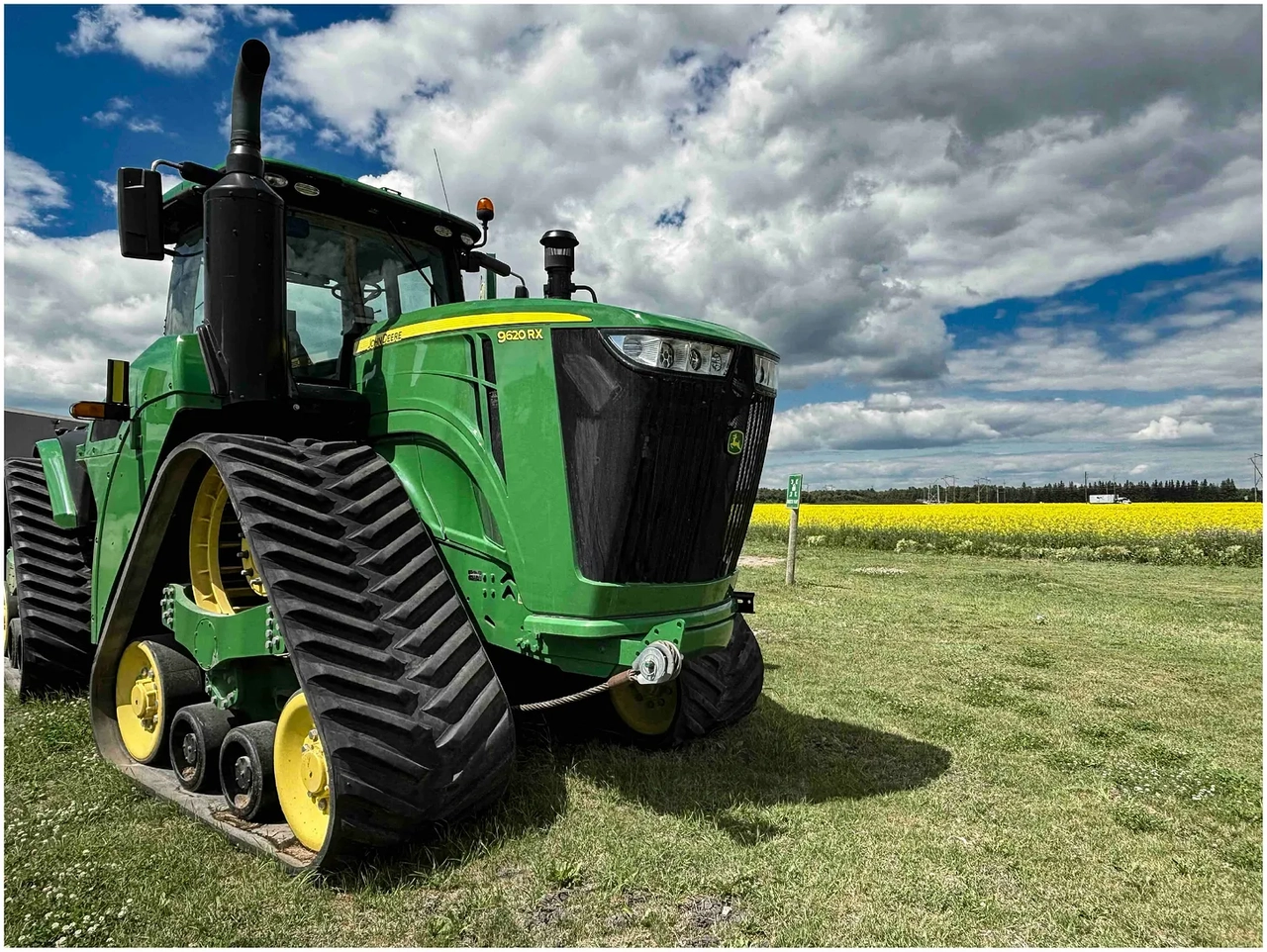
“Yes, I started it.” Don Tarrant, the driving force behind the Parkland Ukrainian Family Fund – named after the region surrounding Dauphin – speaks from behind his desk at Reit-Syd Equipment, a local agricultural dealership he manages. He recounts, without drama, how two nights into the invasion he decided to act – to help, above all, families with children leave Ukraine and find refuge in western Manitoba.
“I got in touch with the Ukrainian Folk Art Museum,” he says. “They organize the annual Ukrainian Festival and already had charitable status. That allowed us to get started immediately.” Don’s company put up twenty-five thousand dollars as seed money for the Fund. From there, the flow of donations quickly exceeded expectations, allowing Tarrant and his committee to increase the number of families they had initially hoped to assist. “People could contribute either money or goods,” he explains. “We raised over half a million dollars in cash, and roughly the same value in material donations.”
In total, more than one million dollars were raised, benefiting some seventy families, selected through online interviews from among those who had expressed a desire to come to Canada through the Canadian Ukrainian Congress. The only commitment required of them was to remain in the country for at least three years. The federal government – “they were great,” Tarrant notes – did its part as well, opening a two-year window for expedited work permits, renewable or convertible into permanent residency.
Support for newcomers took many forms. “We provided housing, furniture, English classes, cell phones, and transportation,” Don says. For several months, the Fund covered rent, fuel, and even interest-free loans to help people purchase a car. At the same time, a volunteer committee worked to place newcomers in jobs, though the positions did not always match their previous qualifications. “Some arrived with university degrees and took jobs in care homes or at reception desks,” Don recalls. “People adapted to what was needed.” Here, too, Don led by example. “Eight of the people we brought to Dauphin work for me now,” he says. “This isn’t just goodwill. We couldn’t find anyone to fill certain positions before. Now I have eight people I can rely upon.”
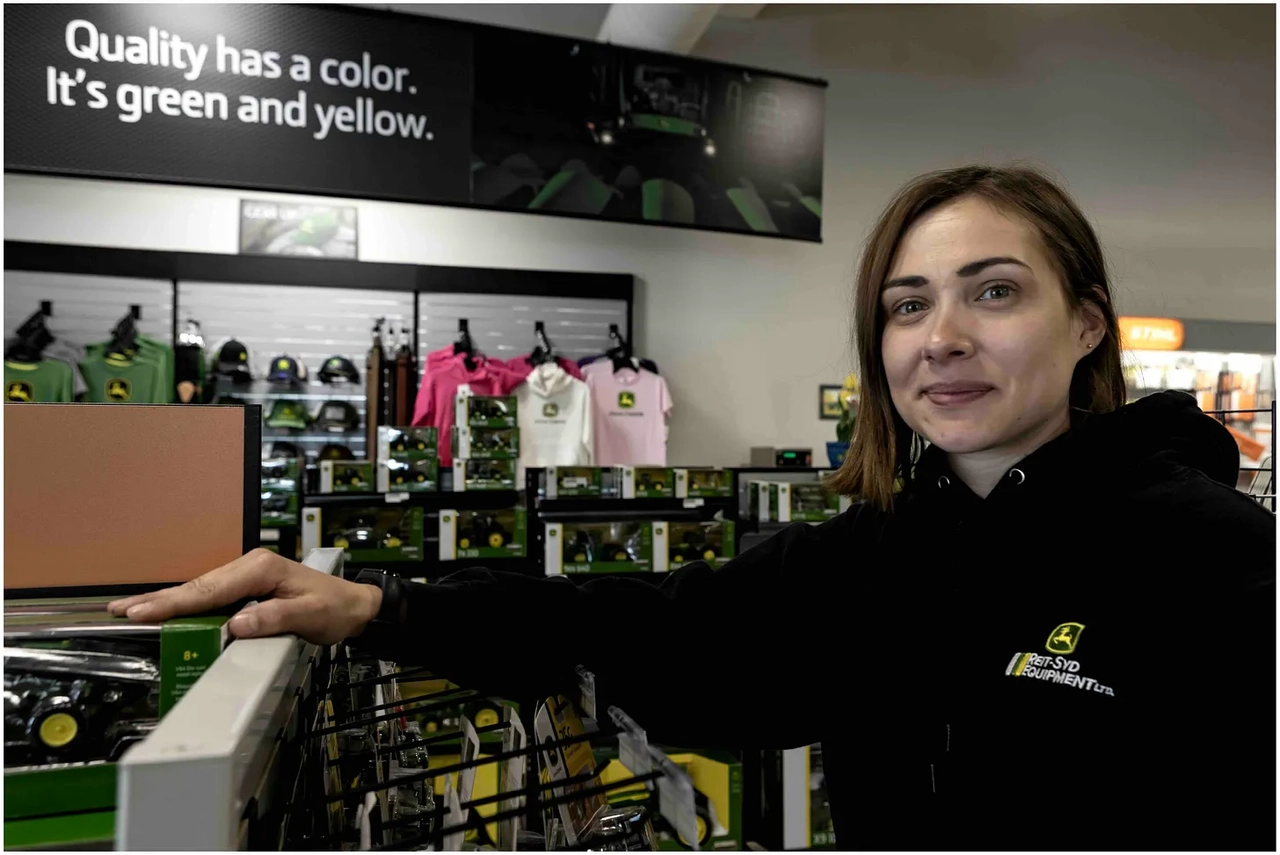
“I first saw Don on Skype. I was in Warsaw, waiting for my visa.” Nataliia Khalabuzar is 29. She is one of the eight new hires at Reit-Syd Equipment, where she works in accounting. “I had come across the Dauphin Ukrainian Family Fund on Facebook,” she says, “while I was looking for a way to get my two-year-old daughter away from Kyiv.”
The six weeks she spent waiting in Poland – short by Canadian immigration standards – felt endless. “I was afraid that if I arrived too late, they might think I had changed my mind.” Then came the phone call with Don, and everything changed. “After our conversation, he sent me an email. My English convinced him to hire me – I had taught it at school. I wasn’t even in Canada yet, and I already had a place to live and a job. That was the moment I saw a future for my daughter.”
The cultural shock Nataliia found herself facing was, in some ways, double. “I’m still adjusting to the Canadian way of being,” she says. “We Ukrainians – like many people from Eastern Europe – tend to be reserved. We don’t smile much, and at first, I was taken aback when strangers spoke to me on the street.”
Then came the engagement with a Ukrainian culture that felt unfamiliar to her, beginning with the language spoken by members of the older community. “They speak an archaic form of Ukrainian, with Polish influences and, I think, Hungarian ones as well. Often I don’t understand what they’re saying, and we end up shifting to English.” Alongside this, she encounters traditions she had never known, still alive here. “Some of these practices are centuries old,” Nataliia explains. “In Ukraine, especially in the larger cities, we lost them – largely during the Soviet period. But it’s beautiful to discover them here, through this community.”
Even in the quiet of Dauphin, the war is never far from Nataliia’s thoughts. “My brother is at the front, north of Kharkiv, where they’re trying to keep the Russians from advancing on that side. He’s thirty-five. He had been living in Spain and had already served in the army in 2014. But he went back to fight.” That constant worry coexists with the need to look ahead for her daughter, Milana, now six. “After a quite difficult start, I see her happy now,” Nataliia says. “And for that I can only be grateful to Canada, but above all to Don and to the Fund. Without that support, we wouldn’t have made it.”
In the meantime, Don joins us; perhaps he caught Nataliia’s last words, perhaps not. We walk with him toward the exit. Before parting, there is one last thing.
“Do you have Ukrainian roots in your family?”
His answer – “None” – makes another question unavoidable.
“Then why did you do all this?”
He half-smiles, then answers quietly: “It was the right thing to do.”
This article first appeared in the Substack newsletter Canadiensis. Letters from Canada.