The European Union is weighing a proposal to bar Russian soldiers who fought in Ukraine from entering the bloc, amid fears that battle‑hardened veterans could pose long‑term security risks to Europe.
The plan, which is still under development, was proposed by Estonia during a meeting of EU foreign affairs ministers on Thursday.
The Baltic state, an EU and NATO member bordering Russia, has been among the strongest advocates of tightening restrictions on Moscow since the start of the Kremlin’s full‑scale invasion of Ukraine in 2022.
Earlier this month, Tallinn imposed a permanent entry ban on 261 Russian soldiers it says took part in the invasion. It is now calling for a coordinated approach across the 27‑nation bloc.
“Russia has close to one million combatants. They are mainly criminals. They are very dangerous people,” Estonian Foreign Minister Margus Tsahkna told reporters ahead of the talks.
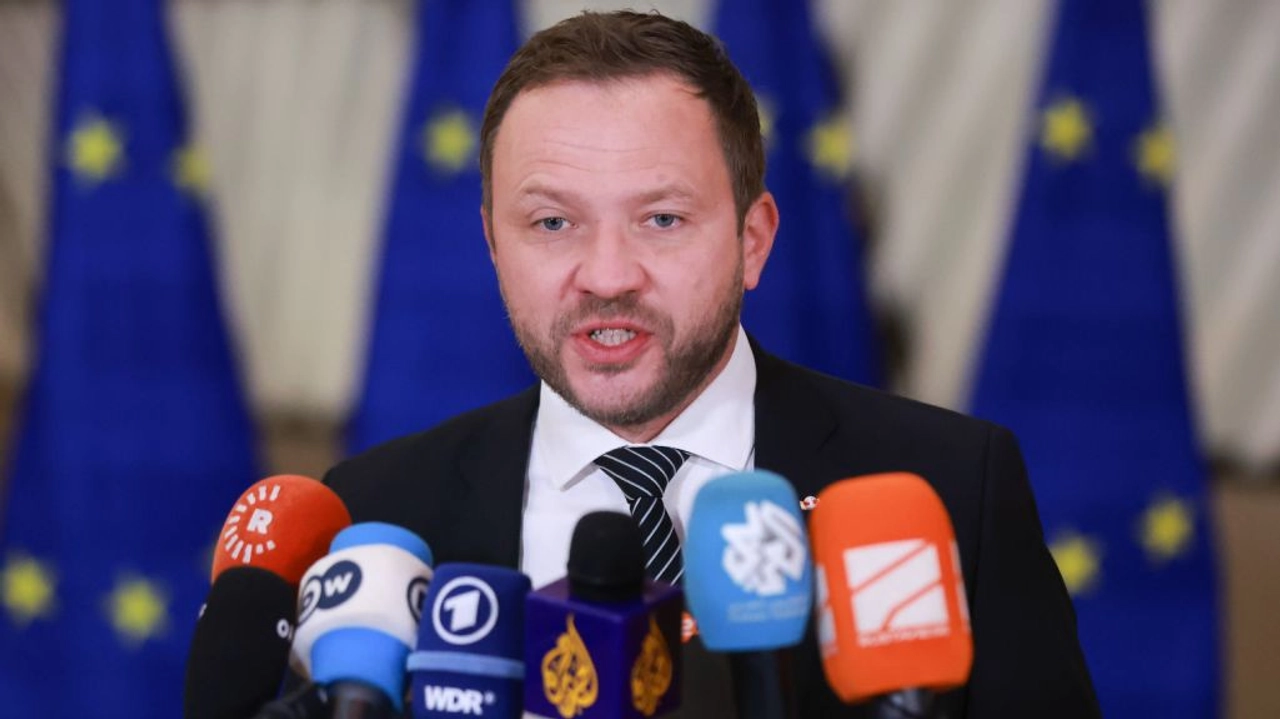
Tsahkna said that Estonia had information suggesting some of the combatants could head to Europe once the war ends, adding: “Europe is not ready for that.”
‘We need to protect European security’
He urged the EU to develop a “well‑coordinated” system to blacklist Russian veterans in a post‑war scenario, arguing that national measures alone would be insufficient.
“We need to protect European security, and we need to do it together,” he said, adding: “There can be no path from Bucha to Brussels. This is the main message.”
The Ukrainian city of Bucha became synonymous with Russian war crimes after its liberation on March 31, 2022.
Ukrainian police discovered 422 civilian bodies, many showing signs of torture, with victims’ bound hands and gunshot wounds indicating close-range executions. Across the wider Bucha region, 1,190 bodies were recovered and many residents remain missing.
‘A clear security risk to Europe’
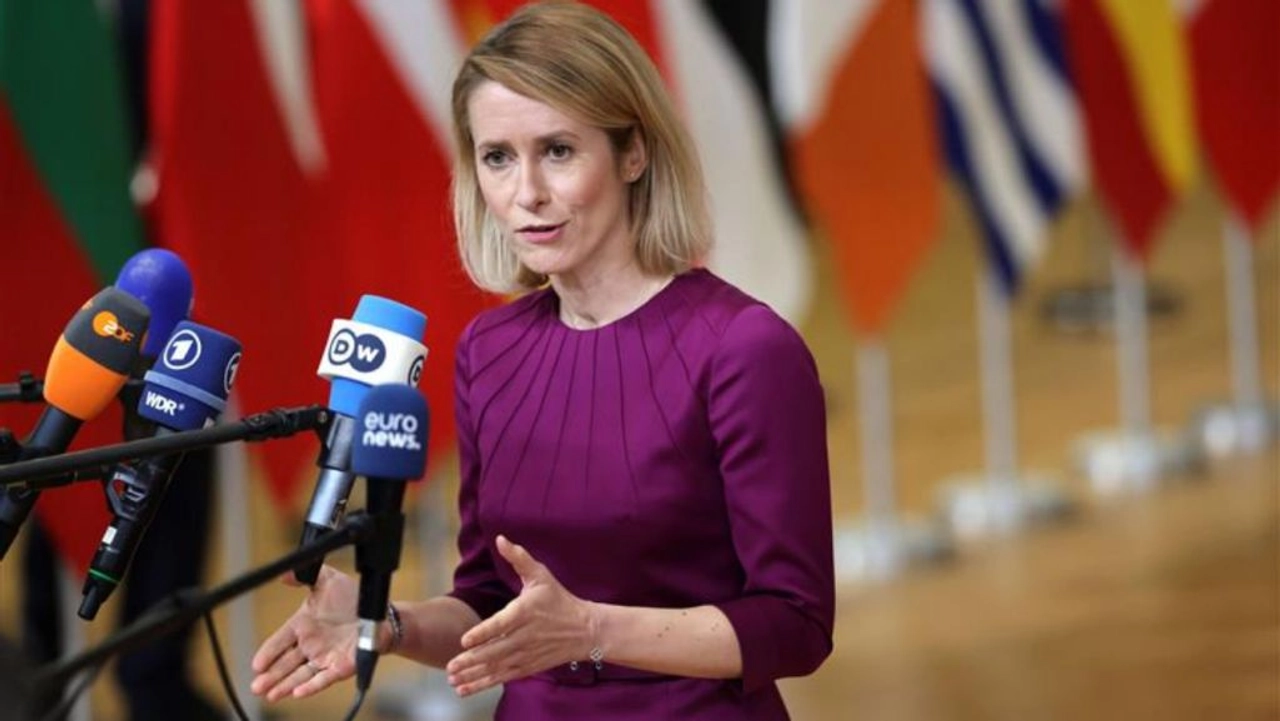
After the meeting, EU foreign policy chief Kaja Kallas said that several member states had expressed support for Estonia’s proposal.
Kallas, who previously served as Estonia’s prime minister from 2021 to 2024, said that the issue of Russian veterans would likely arise if a ceasefire in Ukraine were ever reached, noting the need for the EU to prepare in advance.
“It poses a clear security risk to Europe,” she said, adding that ministers had agreed to continue exploring the idea and assess broader backing among member states.
The EU has already tightened visa rules for Russian nationals, scrapping multi‑entry Schengen visas—which allow travel across most EU countries—and requiring Russians to apply for a new permit for each trip.
Those measures were introduced last November in response to Moscow’s ongoing aggression in Ukraine and amid growing concerns over Russia-linked sabotage activities across Europe.
European states, including Poland, have accused Russia of orchestrating a wave of sabotage, cyberattacks, and arson throughout the continent aimed at destabilizing the EU and NATO.
Alleged Russian spies have recently faced trial in several EU countries.
‘Energy is the new front line’
Commenting on Russia’s war in Ukraine, which will enter its fourth year next month, Kallas said Moscow was “not making even a token effort towards peace,” despite U.S. President Donald Trump’s efforts to broker an end to Europe’s bloodiest conflict since World War II.
Both Kyiv and Moscow reported progress after holding their first direct negotiations last week, though major differences remain.
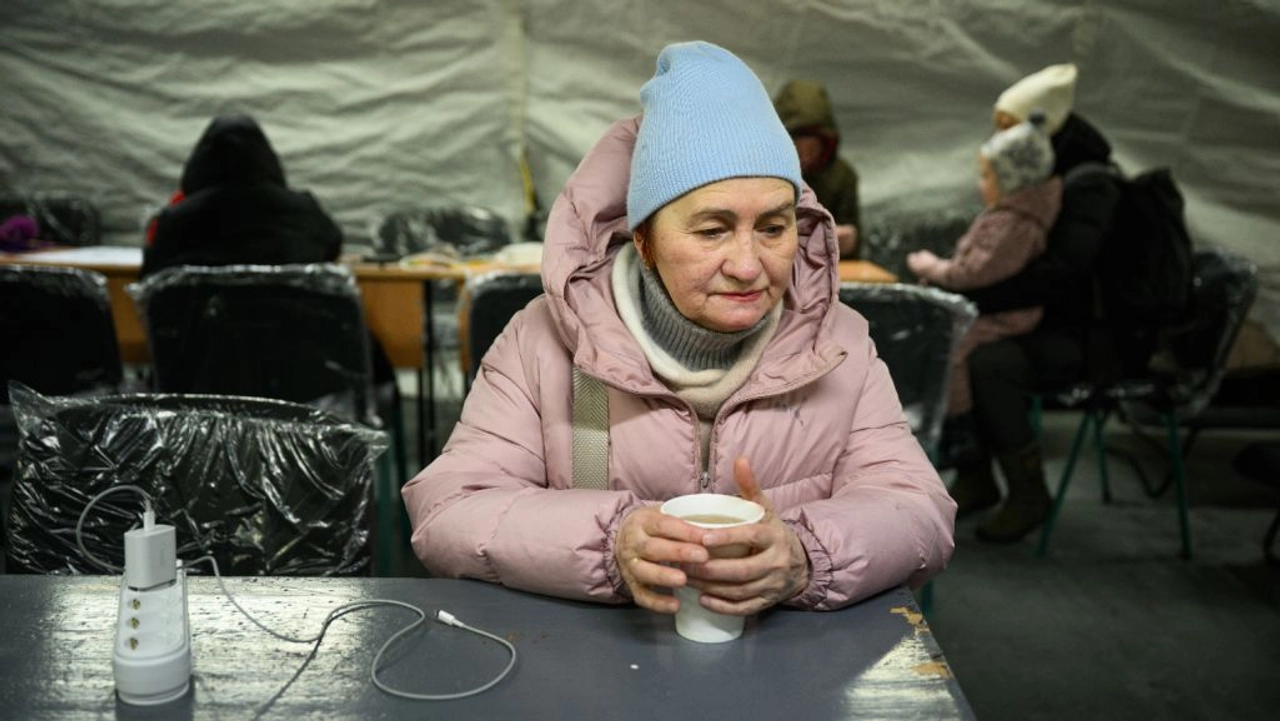
Meanwhile, Russia has intensified its attacks on Ukraine’s energy infrastructure in recent months, leaving many without heat, electricity or water amid sub‑zero temperatures.
“Russia is failing to win on the battlefield, so it tries to weaponize winter,” Kallas said. “Now, energy is the new front line,” she added.