The war between Russia and Ukraine is ongoing. It has been almost four years since the start of Russia’s full-scale invasion. During this period alone, according to data from the Ministry of Education and Science of Ukraine’s official portal, Save Schools, 4,456 educational institutions in Ukraine have been damaged by bombings and shelling. 408 of them beyond repair.
Despite the destruction, Ukraine continues to prioritize access to education. Authorities have focused on providing uninterrupted education by providing teaching materials and improving safety. While many schools have shelters, there are still not enough of them – especially in kindergartens and other preschools.
Accordingly, Ukraine’s 2026 state budget is allocating Hr.1 billion ($23 million) to build shelters in preschool educational institutions.
The construction of shelters is financed through a mix of state and local budgets, as well as international donor-funded programs.
One such initiative is called the Multi-Year Resilience Program (MYRP) – here’s how it works.
MYRP – what it is, how it works:
The Multi-Year Resilience Programme (MYRP) is a comprehensive initiative aimed at recovery, improvement, and addressing the impacts of war within the education sector. It focuses on the regions most affected, helping children return to full-time, in-person learning.
MYRP is a three-way partnership: the international Education Cannot Wait (ECW) fund provides the money, Ukraine’s Ministry of Education and Science sets the strategy, and major public organizations carry out the work. Such a partnership allows to align the national strategy with flexible and rapid solutions directly within local communities.
According to First Deputy Minister of Education and Science Yevhen Kudriavets, nearly 100,000 students and teachers have already received assistance during the current stage of the program’s implementation. He emphasizes that for Ukraine at war, education remains among the top priorities.
“We are sincerely grateful to the international community and our partners for supporting this priority. In particular, our cooperation with the ECW within the MYRP is already having a tangible impact,” Yevhen Kudriavets said.
He added that Ukraine’s partners have supported both short-term needs – such as building shelters, restoring schools, and providing students and teachers with digital devices – and long-term initiatives, including vocational education reform and programs to help students catch up on lost learning and development of “soft” and compensatory components to address learning losses.
The work is carried out by both local and international consortiums.
The local group, led by the Kyiv School of Economics (KSE), includes top Ukrainian organizations such as the SavED Charitable Foundation, Osvitoria Public Union, Teach for Ukraine, Projector Foundation, and EdCamp Ukraine.
The international group, led by Finland’s Finn Church Aid (FCA), works with the NGOs DOCCU, MriyDiy, and GoGlobal.
These organizations, involved in the program, are, without exaggeration, shaping Ukraine’s modern educational landscape. They are true leaders, and some have been dedicated to strategically important reforms and the development of professional communities for many years: Osvitoria has been supporting changes in primary and secondary schools for over 10 years, working with the state as a strategic partner on innovative programs; EdCamp Ukraine brings together 50,000 teachers and helps apply international practices in local schools; The NGO DOCCU focuses on decentralization and civic education, supporting communities in managing schools more effectively.
The program also focuses on inclusiveness and reducing educational inequality through the involvement of leadership potential. Teach For Ukraine, part of the global Teach For All network, recruits professionals to teach in small communities and runs a large tutoring program to help students catch up. The Projector Foundation, working with Ukraine’s Ministry of Digital Transformation, provides veterans, women, and internally displaced people (IDPs) with access to creative and IT education to support career development. Similarly, the MriyDiy foundation uses project-based learning to help thousands of children and teachers overcome the effects of war.
The SavED charitable foundation focuses on restoring education in affected communities by creating digital centers, safe shelters, and temporary schools.
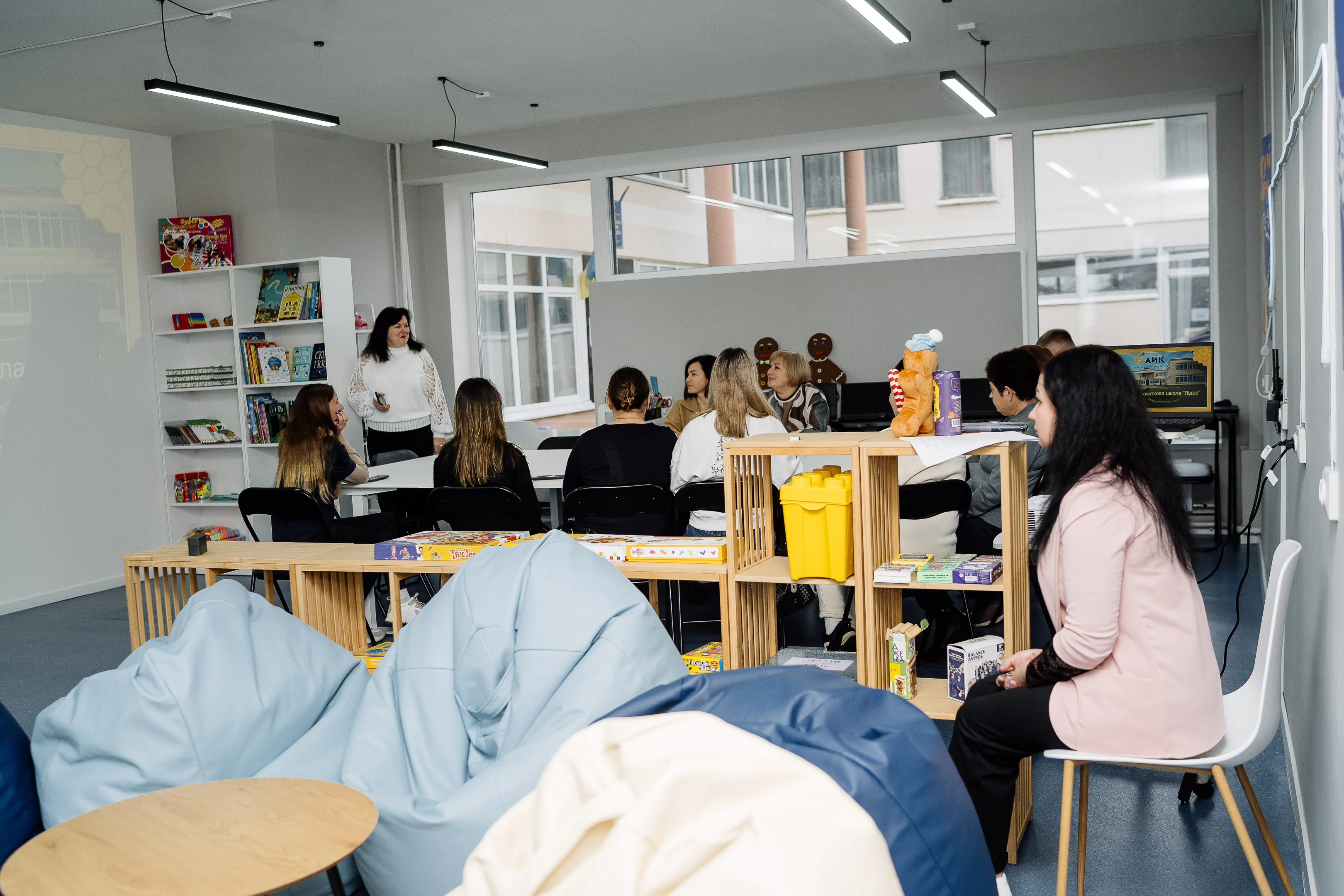
The GoGlobal foundation supports youth development in frontline areas by combining English lessons with emotional support and mentoring for teenagers.
It is precisely the high level of expertise of consortium leaders that forms the foundation of the programme’s success. Chairman of KSE Institute Natalia Shapoval said the program is a direct response to large-scale educational losses in Ukraine. “Jointly with our partners, we are helping to resume education where it was interrupted. A key element of the program is the partnership between the Ministry of Education and Science, international donors, and civil society organizations, which allows us to combine public policy with flexible local solutions,” she said.
Meanwhile, project coordinator Inna Shurman of Finn Church Aid said that lasting results can only be achieved by working together, rather than relying on fragmented solutions. “It is by joining forces that we can systematically support the education sector – from kindergartens and schools to vocational education institutions. This approach allows us to achieve sustainable results rather than one-off solutions,” she said.
Shelter remains MYRP’s top priority
A key part of the MYRP program is the “hard components,” which focus on creating safe, physical conditions for children to return to school. The main areas of this work include:
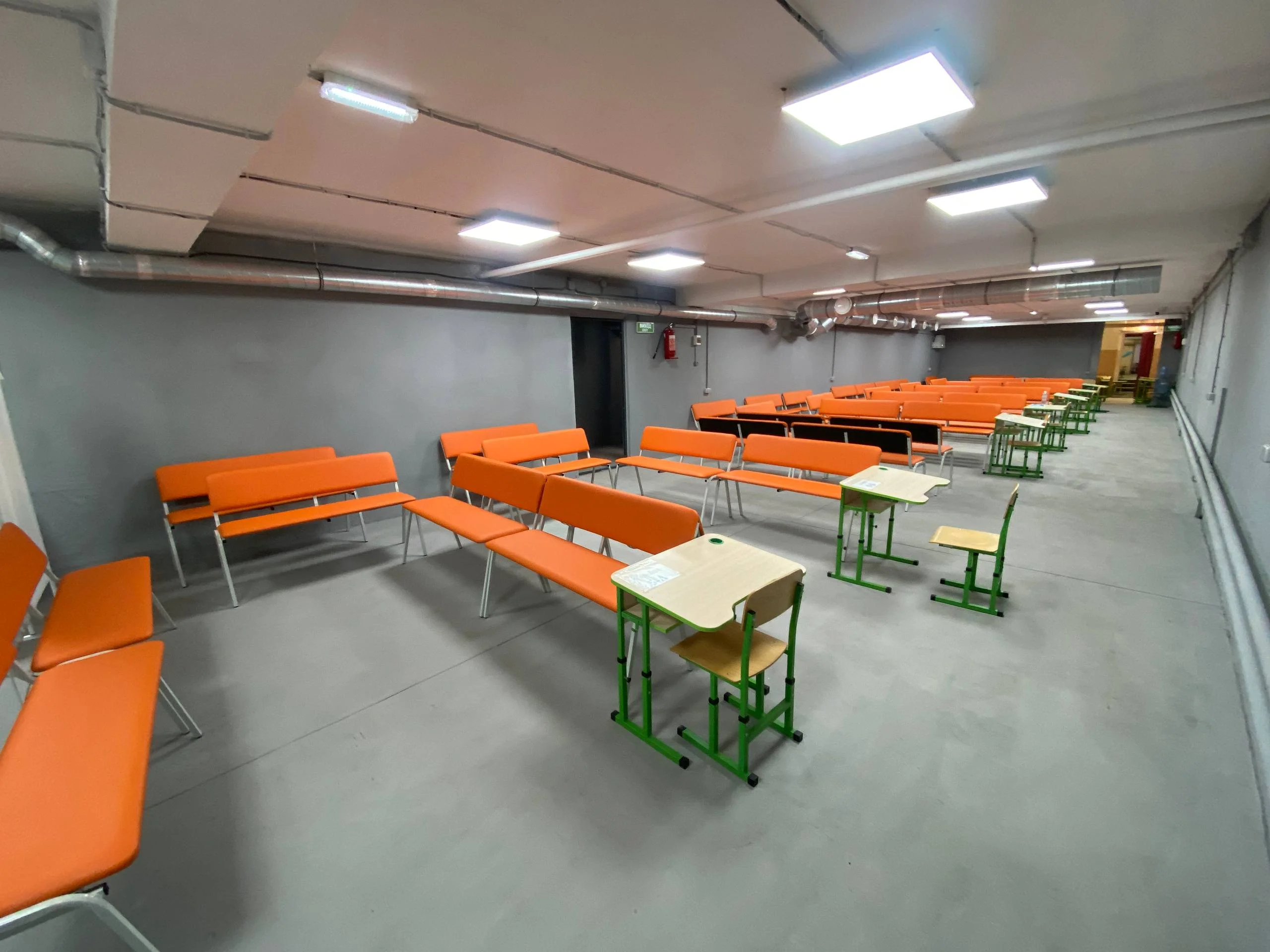
- Restoring damaged schools and building modern shelters
- Setting up digital learning centers to support remote or hybrid education
- Providing students and teachers with modern learning technology
Besides infrastructure, the program also focuses on educational content, including materials for schools and vocational education (TVETs) and supporting teacher professional development.
Currently, efforts to restore and build shelters are focused primarily on the regions most affected by Russia’s full-scale invasion.
As noted by Marina Borysenko, director of programs and implementation at the KSE Foundation, the fund follows a unified approach when selecting educational institutions for shelter renovations. So, the efforts are currently focused on the regions with the highest number and duration of air raid alerts: Chernihiv, Sumy, Mykolaiv, Dnipropetrovsk, Odesa, and Poltava.
According to Shurman, the geography of Finn Church Aid’s activities, which focuses on kindergartens and vocational education institutions (TVETs), is slightly broader – the organization has added the Zaporizhzhia and Kharkiv regions to its “area of responsibility” in addition to those named above.
Borysenko also noted the importance of schools for children.
“We currently have a very big problem with brain drain, and a lot of children and students have left the country,” Borysenko said, adding that the program’s priority is, in particular, key educational institutions in local communities.
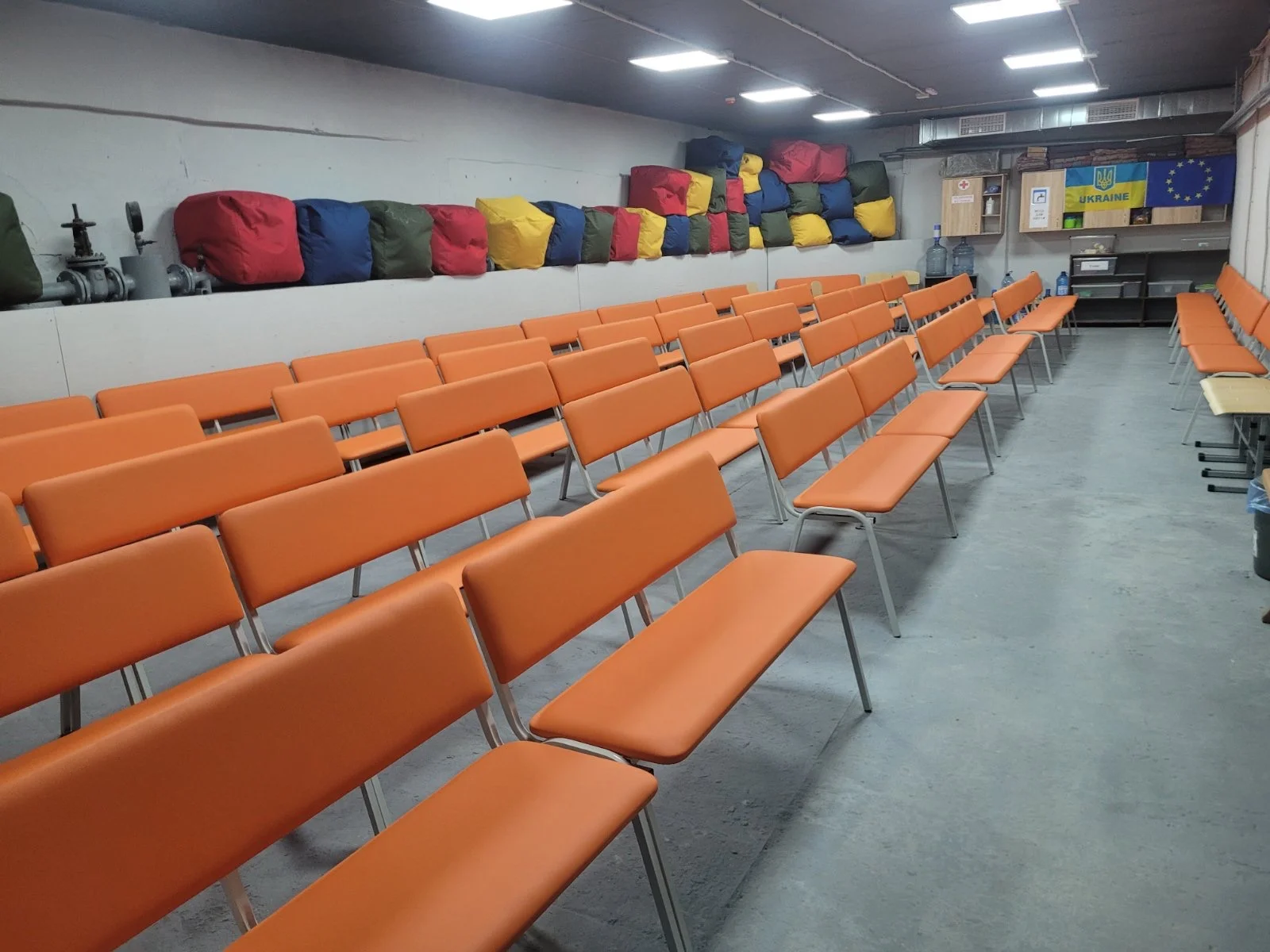
“Children from 5-7 surrounding villages come to some of the educational institutions where the KSE Foundation has set up shelters to study. The school is an anchor that, on the one hand, allows parents to stay in the community and not leave. On the other hand, parents with children who are already abroad know that they can return and their children will be able to attend school offline,” she added, thus highlighting the program’s social significance.
A key part of the program is staying in touch with beneficiaries and collecting feedback.
According to Borysenko, in almost all schools where shelters have been built, teachers have noticed improvements in students’ learning outcomes.
“Offline learning allows students and teachers to interact directly, which promotes better understanding and assimilation of the material. Some subjects require practical classes that are difficult or impossible to replicate online (e.g., laboratory work, physical exercises, etc.),” she said.
“In particular, most students find it easier to focus on learning in a traditional classroom environment, where they are physically separated from distractions at home. And for children with special educational needs, face-to-face lessons are usually the only possible format. At school, they are supported by teaching assistants, special education teachers, and psychologists,” she added.
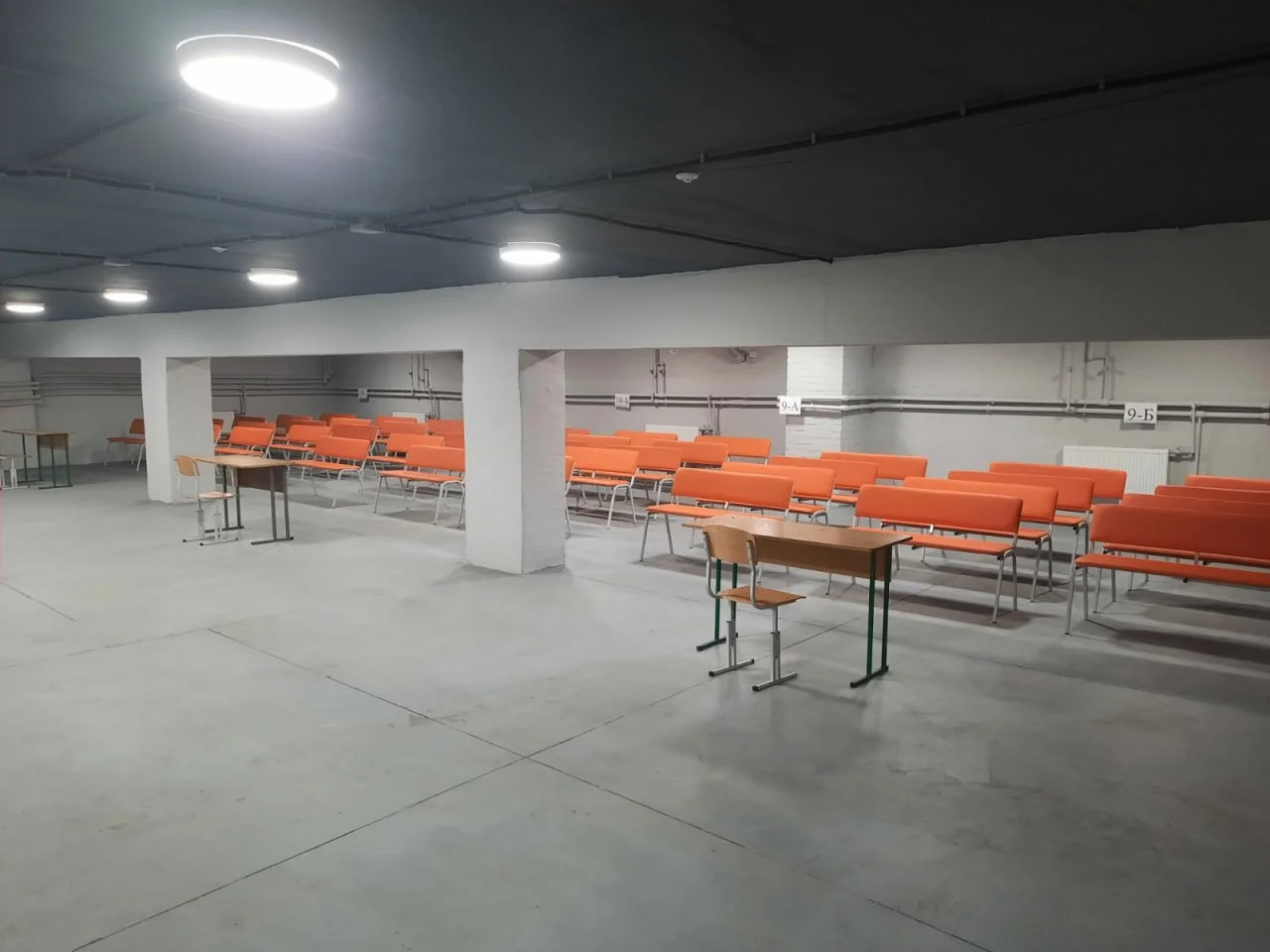
Inna Shurman from Finn Church Aid said each shelter is not just a room but a functional space. Proper planning, guided by engineering solutions and advice from psychologists specializing in crisis situations (MHPSS-experts), is especially important for kindergarten shelters. In these institutions, it is crucial to ensure inclusiveness, taking into account the needs of children with special requirements.
“The main result [of the work within the program] is that children have returned to offline or blended learning. This is especially important for kindergartens, because without shelters, they cannot operate,” Shurman said.
The biggest challenge for everyone involved in the program has been the ongoing war. Difficult logistics, unsafe conditions in some regions, a shortage of local workers, and rising material costs all caused problems.
Despite this, most of the work was completed on schedule.
By early 2026, after almost two years, the program had reached nearly 61,000 students and 32,000 teachers in frontline and border regions, surpassing its original goals. The “hard components” alone benefited more than 24,000 students in schools, kindergartens, and TVETs.
During this time, 26 educational institutions were restored with modern shelters, 64 digital learning centers were opened, and over 19,000 computers and devices were provided to schools.
The long-term sustainability program is already showing strong results. It demonstrates how coordinated international support can improve education, even in the toughest times.
Creating a safe environment in schools, kindergartens, and TVETsbecomes the very social “anchor” that encourages Ukrainian families to stay at home or even return from abroad.
It goes without saying that every restored school or center is far more than a mere statistic — it is a direct investment in Ukraine’s future. To ask if this matters is, quite clearly, to ask a rhetorical question.