For Evgeniy Polishchuk, an injury brought an early end to the war in Ukraine. But coming home was only the beginning.
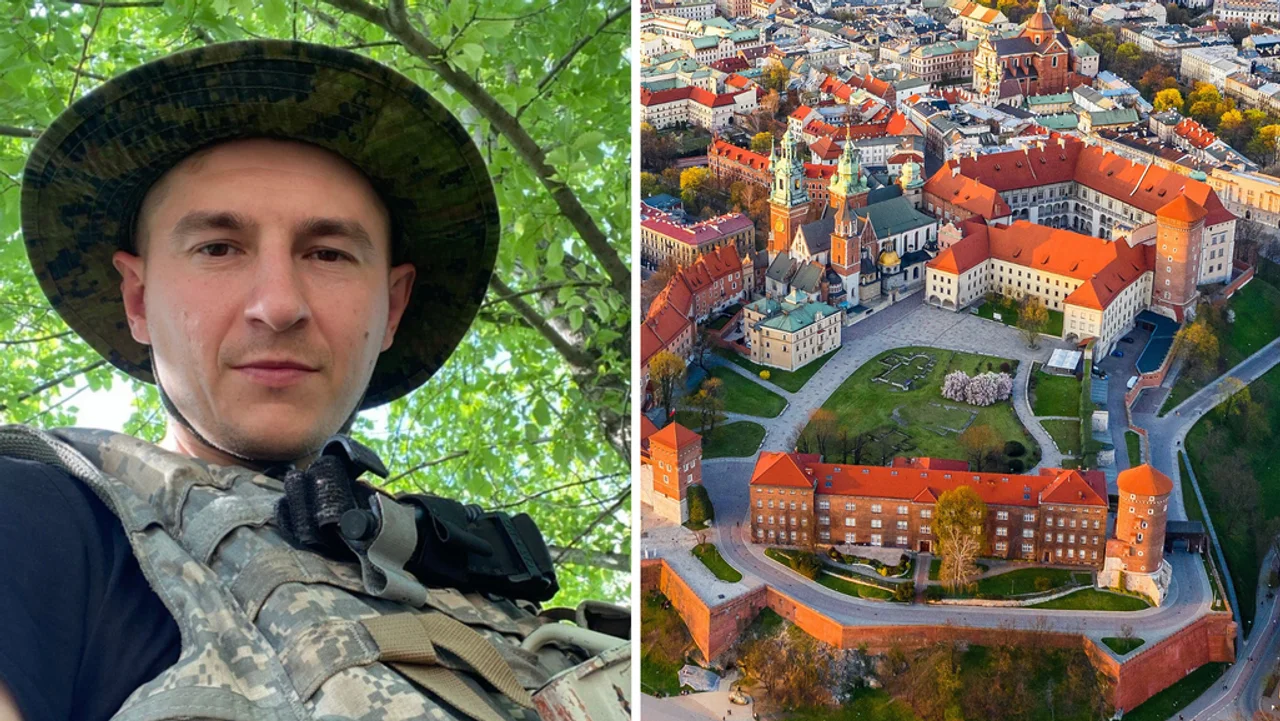
He remembers putting his khaki baseball cap on his wife’s head, a symbol he had finally returned, and holding his family in his arms. But very quickly, he understood that he would have to find his way in the world again – while his friends continued to fight.
“I realized that although one chapter had ended for me personally, nothing had actually ended because many people were still defending my country,” he told TVP World.
Eventually, Polishchuk settled into a new rhythm in the southern Polish city of Kraków; just one of many Ukrainian veterans who have moved to the EU after completing their service.
Many more could follow in his footsteps when the war with Russia ends, and this has started to set alarm bells ringing in some European countries.
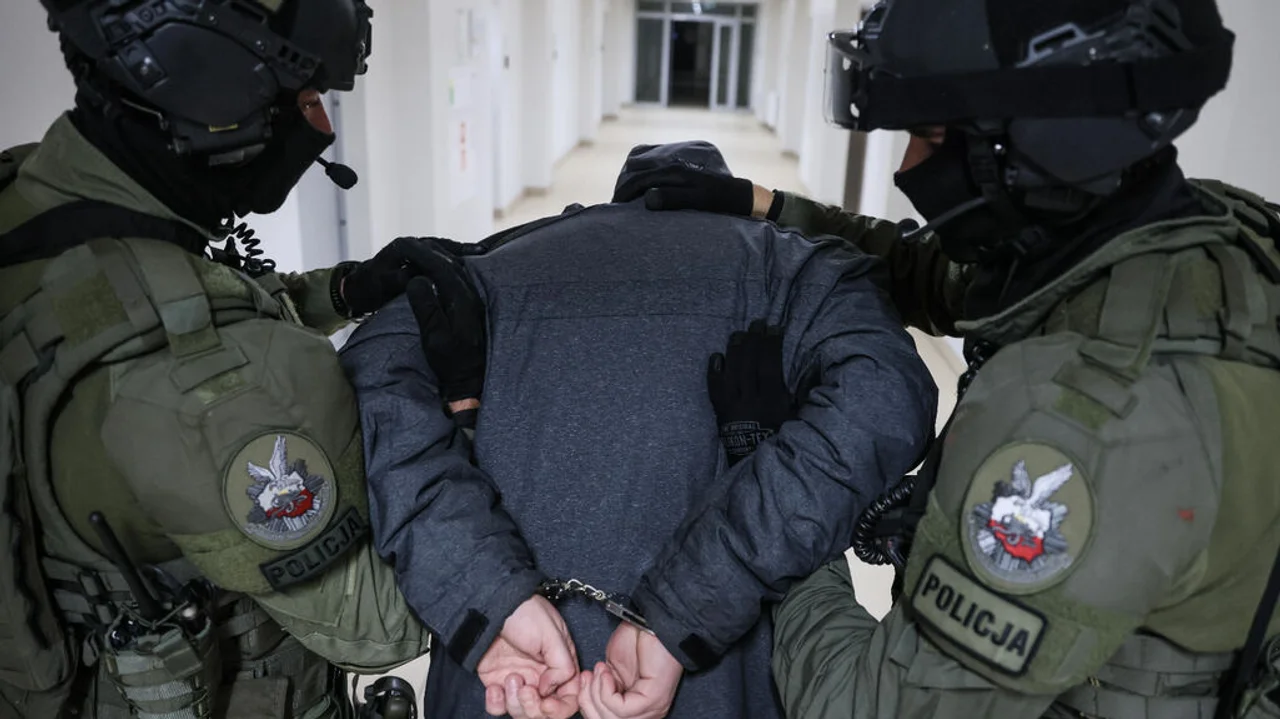
TVP World has confirmed that the police forces of Poland, Germany and Czechia, the three nations home to the largest Ukrainian populations in the EU, are jointly preparing an analysis of security threats that could emerge in the aftermath of the conflict.
The possible arrival of battle-hardened Ukrainian veterans, many, perhaps, baring the psychological scars of combat, is considered one such threat.
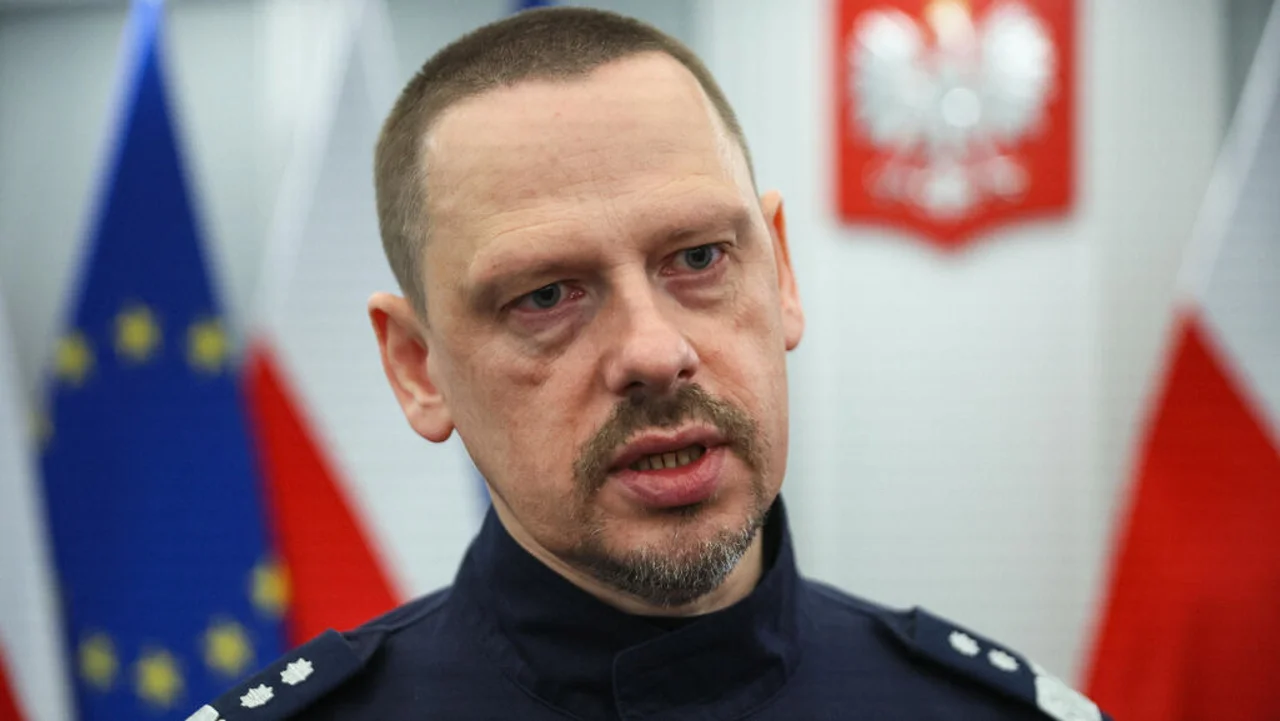
In April, Czech police chief Martin Vondrášek said that influx of war veterans when the fighting stops poses “the biggest security risk for the Czech Republic that I perceive at this moment”.
But for others, these concerns are overblown and could be exploited by hostile actors eager to fuel fear and resentment against Ukrainians living in the EU.
‘We must be prepared’
The details of the analysis being prepared by Poland, Germany and Czechia remain closely guarded.
The Czech Police confirmed to TVP World the existence of the joint assessment, saying the three countries were “preparing an analysis of security threats that may arise after the end of the war in Ukraine”.
However, they said the document was still being worked on and had not reached its final form.
The Polish Police also confirmed it was working with its Czech and German counterparts, but said it would not comment on the “work and analyses” being carried out as part of the “trilateral cooperation”.
Nevertheless, it pointed to several ways the end of the conflict could create security risks for neighboring nations.
“After the end of the war beyond our eastern border, there is a risk that the demobilization process will contribute to the growth of organized crime, a real and historically proven phenomenon,” the Polish Police told TVP World.
It warned of increased weapons trafficking, drug smuggling, extortion and money laundering, as well as recruitment of veterans by criminal groups.
“War corrupts, and those with combat experience often face enormous difficulties returning to civilian life,” it said. “We must be prepared for various scenarios in the period after the end of the war in Ukraine.”
That preparation extends beyond conventional crime.
Poland, as a “key logistical hub” for aid and support to Ukraine, has become particularly exposed to sabotage, disinformation and cybercrime, the police added.
It argued the answer is to prepare before the threats materialize, for example by creating a new National Police Investigation Bureau to tackle organized crime.
The Polish Police said its approach was based on “hard statistical data, not generalizations or stereotypes”, and pointed to the experience of previous conflicts in the Balkans and Afghanistan.
It added that it would monitor the potential presence of veterans “with full professional attention”, while ensuring that the military community is not stigmatized.
War’s toll
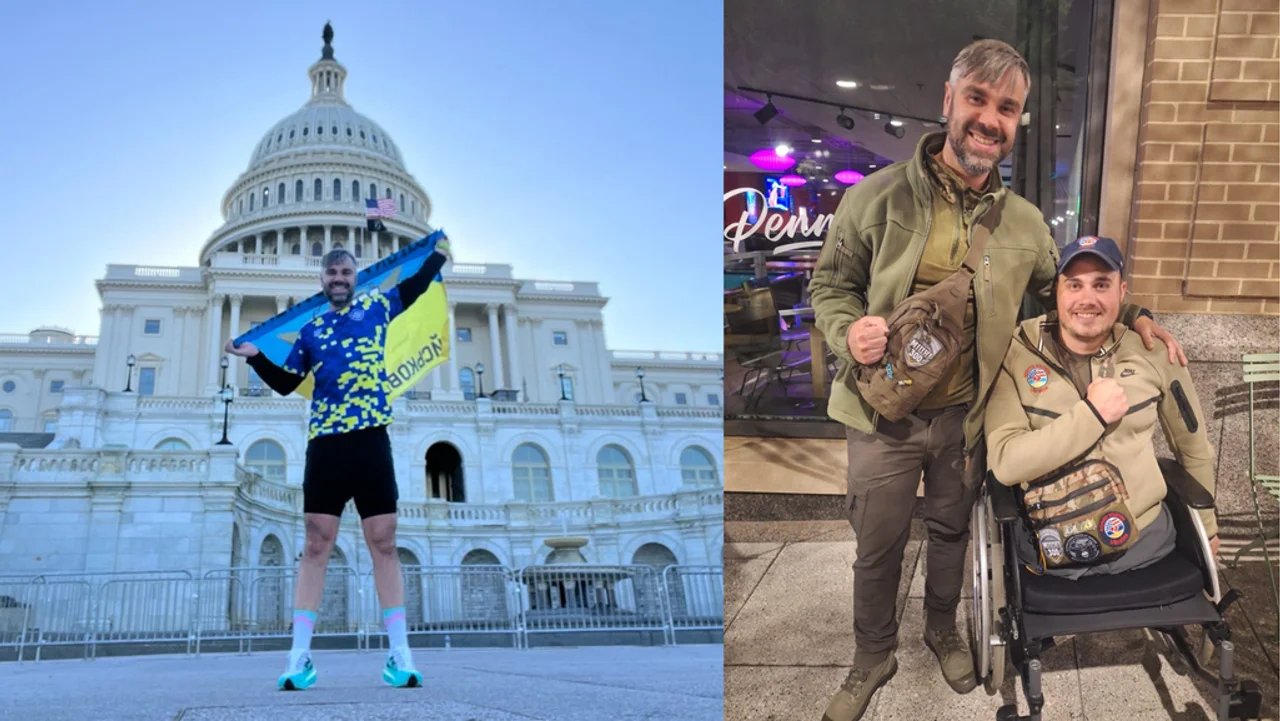
Andriy Kucher, a Ukrainian war veteran, acknowledges that some former combatants will struggle with PTSD, substance abuse or aggression in civilian life. He told TVP World this will be “a huge challenge” for them in the years ahead but believes the problem will not be widespread.
“Mostly it’s normal people who want to have a peaceful life,” he stressed. “They want to go back to their family or have some quiet place to stay alive and just live their lives.”
Kucher had been fighting near Marinka in Ukraine’s Donetsk region when a sniper narrowly missed him and killed his commander. Later that same day a missile struck his position; he was wounded, while his 23-year-old friend died in his arms.
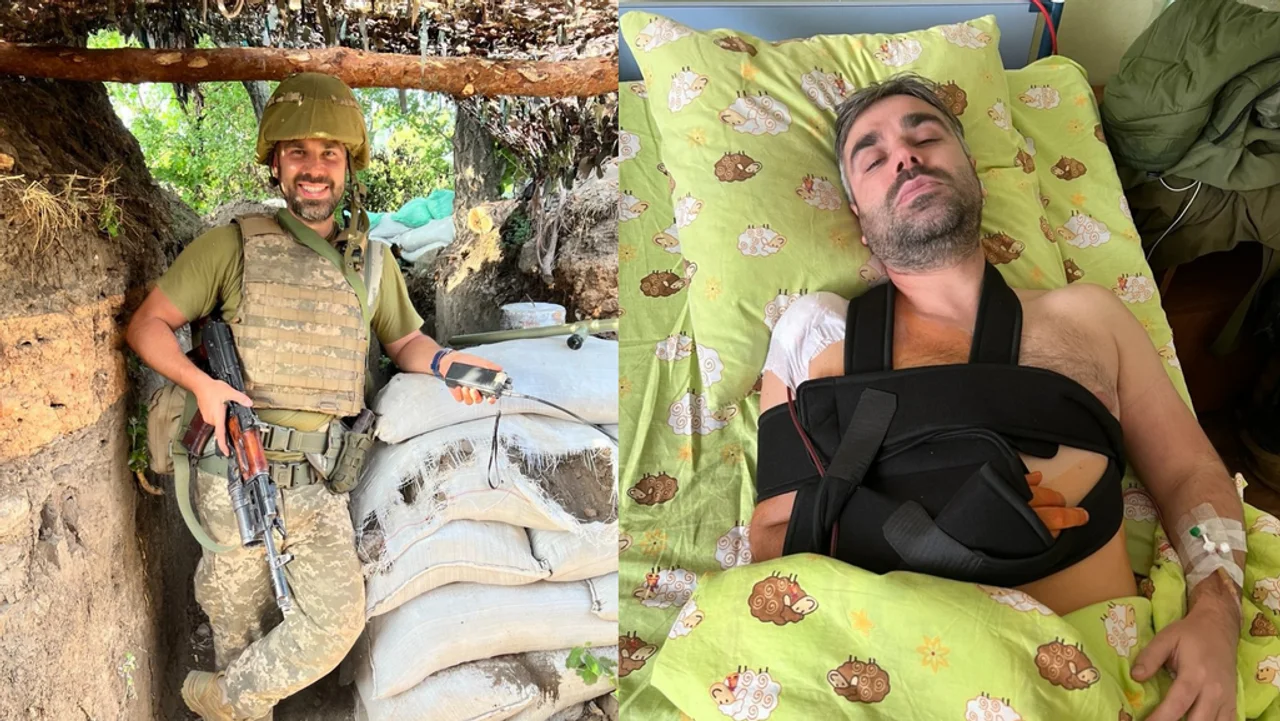
That day, he says, was a turning point – a brutal reminder of how quickly life can change, but also of what he had to be grateful for.
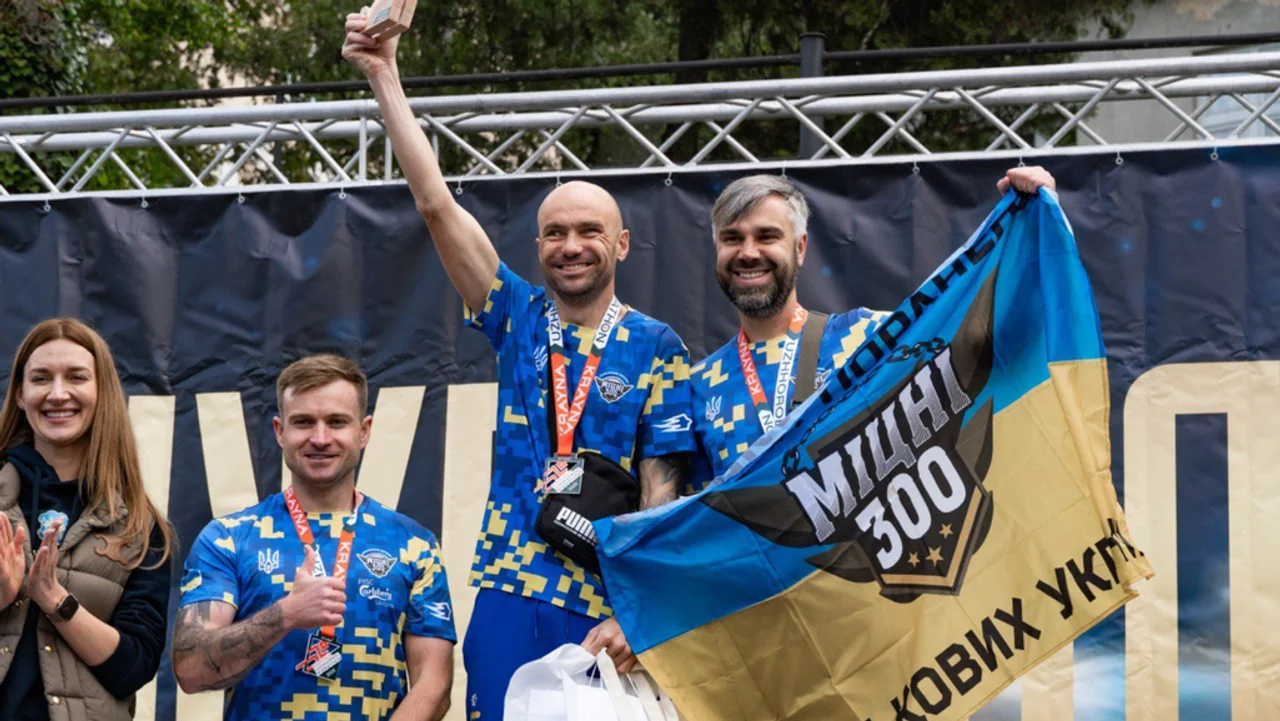
He later set up Strong 300, an organization supporting wounded soldiers and veterans through community, rehabilitation and sport. Rebuilding his own life became inseparable from helping others rebuild theirs.
Yana Chapailo, director of the Ukrainian Defenders Leadership Center, which works with veterans to strengthen their leadership potential, rejects the idea that veterans pose a collective security threat.
“I would not put veterans and criminals in the same sentence,” she told TVP World.
Any crimes they commit should be dealt with by the police on a case-by-case basis, she says. But “you cannot take the behaviour of individual people and apply it to millions of those who are defending their country”.
‘Harmful clichés’ and propaganda
The concern is that fears about Ukrainian veterans could be deliberately amplified by foreign actors to drive a wedge between Ukrainians and their neighbors.
“I think all Europeans need to understand that this is all part of a hybrid war,” Kucher said. “And Russians, unfortunately, are the best at propaganda.”
For Maria Piechowska, an analyst at the Polish Institute of International Affairs (PISM), this socio-political lens is the most concerning.
“The police, the Polish state has its tools to fight the security issues,” she told TVP World. “But if we talk about disinformation, if we talk about Russian propaganda, we are not so well prepared.”
She pointed out that Polish-Ukrainian relations have already been vulnerable to political disputes and Russian disinformation, and that just a handful of incidents involving veterans would provide fresh material for turning public opinion against Ukrainians.
Iryna Dobrohorska, an expert from Adam Smith International, a global advisory company, warns that a lack of available data could augment the problem.
Millions of Ukrainian women and children have already moved to Europe, creating a potential pull factor for veterans.
But it is too early to estimate how many would move, Dobrohorska said, because much will depend on how the war ends, as well as factors like employment opportunities abroad and the EU’s temporary protection scheme.
“What I am worried about is the matter of veterans becoming politicized,” Dobrohorska told TVP World. “Without any grounded data, that may become a major risk.”
Piotr Łukasiewicz, Poland’s chargé d’affaires in Ukraine, has previously warned that European governments need to be very careful about how they the approach the issue.
“The worst thing we could do… would be to succumb to harmful clichés,” he said, warning against claims that Ukrainian veterans will “set up mafias” or become a criminal or drug problem after the war.
“We must understand this phenomenon and participate in it, rather than frighten ourselves with it,” he added.
Opportunity, not threat
Asked about the security plans Poland, Germany and Czechia are preparing, the Ukrainian Veterans’ Ministry stressed that those defending the country are among the people most invested in a peaceful and secure future.
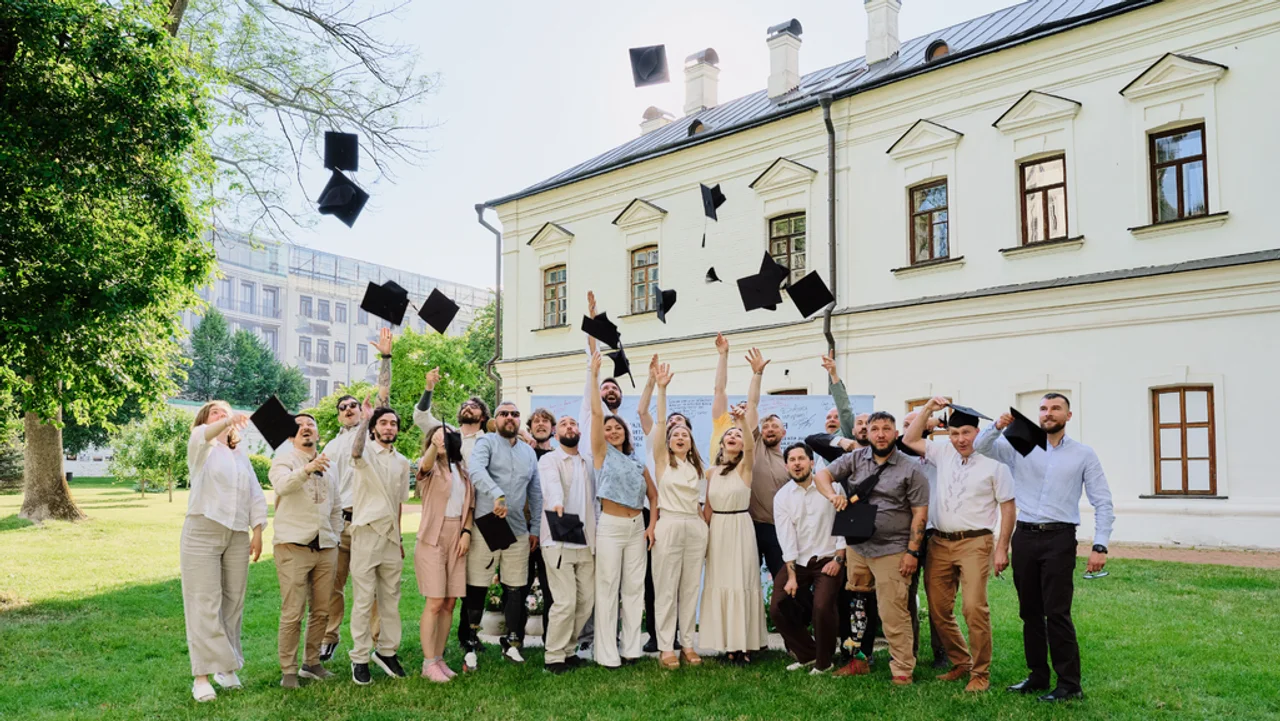
“Most veterans came into military service from civilian life – they were entrepreneurs, engineers, doctors, IT specialists and teachers,” the ministry told TVP World. “Many will return to these professions, build businesses and continue contributing to their communities after service.”
For Chapailo, the war-vets wets should be seen as an asset rather than a threat.
“They’ve already established that they have numerous tools and expertise in their hands,” she said. “They are resourceful, they are fast in decision-making, they’ve survived the war.”
She pointed to one former prisoner of war who spent two and a half years in Russian captivity. While imprisoned, he made a mental list of what he wanted to do when he returned. One ambition was to teach.
After coming home, Chapailo helped him become a tutor for other veterans, sharing his expertise in analytics.
“That was his plan when he was sitting in his cell,” Yana told TVP World. “And right now he’s working with these veterans.”
Kucher argues that far from being a threat, Ukrainian veterans could enhance European security, for example by passing on their knowledge of high-tech warfare to the militaries of their adopted homelands.
“The world has changed and each country must rebuild their own security as soon as possible,” he says. “Our unique experience can be useful for you.”
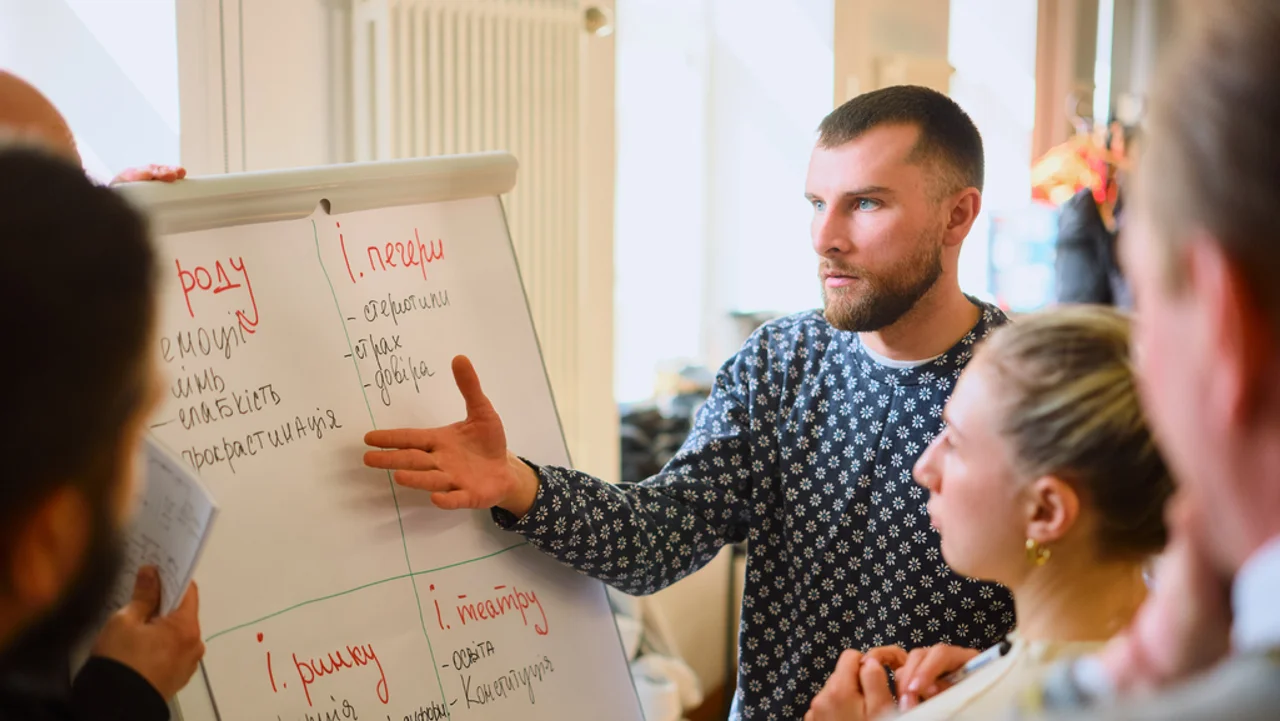
Ukraine’s Foreign Ministry has said previously that veterans are “not a threat, but a security factor for Ukraine, Poland and the whole of Europe.”
“We are convinced that the brave Ukrainian men and women who stood up to defend their country and the world against Russian invaders deserve the highest respect.”
The challenge, then, is not simply how to manage veterans returning to civilian life, but how to make sure their experience is not lost.
“We have to think about a challenge, but not a problem,” Piechowska told TVP World, suggesting that ex-combatants could also be extremely useful in emergency services. “We have to think about opportunity and how we can use their skills.”
So, what next?
None of this means security risks can simply be ignored.
Asked about concerns from Ukrainian veterans and trusts, Poland’s Interior Ministry told TVP World that ensuring public safety and monitoring the consequences of the war are its “absolute priority”.
“We are considering various scenarios, including the risk associated with the illicit trade in weapons and ammunition, and the increased activity of organized crime groups,” the ministry said.
It added that it was continuously sharing information with Ukraine, including cooperation between police and border services.
But experts and veterans argue that preparation should extend well beyond policing.
The challenge of helping ex-combatants return to civilian life will be greatest in Ukraine itself, which is already building a system to support them, covering healthcare, rehabilitation, mental health, housing and much more.
For Kucher, European countries could help expand these efforts rather than waiting until veterans move to the EU.
He argues for dedicated funding programs for veterans, separate to wider humanitarian resources, and had a simple message for governments looking for practical ways to help.
“You need to support veteran NGOs,” he says. “We already work with wounded soldiers. Each week I visit wounded soldiers in hospital, and I understand them and what they need the most.”
Piechowska agrees that preparation needs to start early, and that EU states will also need to invest in their own healthcare systems, but she stresses preparation is not only about services. It is also about communication.
She argues that European governments need to think now about how veterans will be discussed in public and how to prevent legitimate concerns becoming a source of social division.
That means developing a “conscious communication policy”, she says, alongside better media and cyber literacy.
Living without fear
After several years away from the frontline, Polishchuk has found a home in Polish society, rebuilding a life close to his family while working, building a business and remaining useful.
In a Kraków restaurant not long ago, he met a young Polish man who was looking for work. There was nothing available, so Polishchuk gave him 100 złoty (€23). The man asked where he was from.
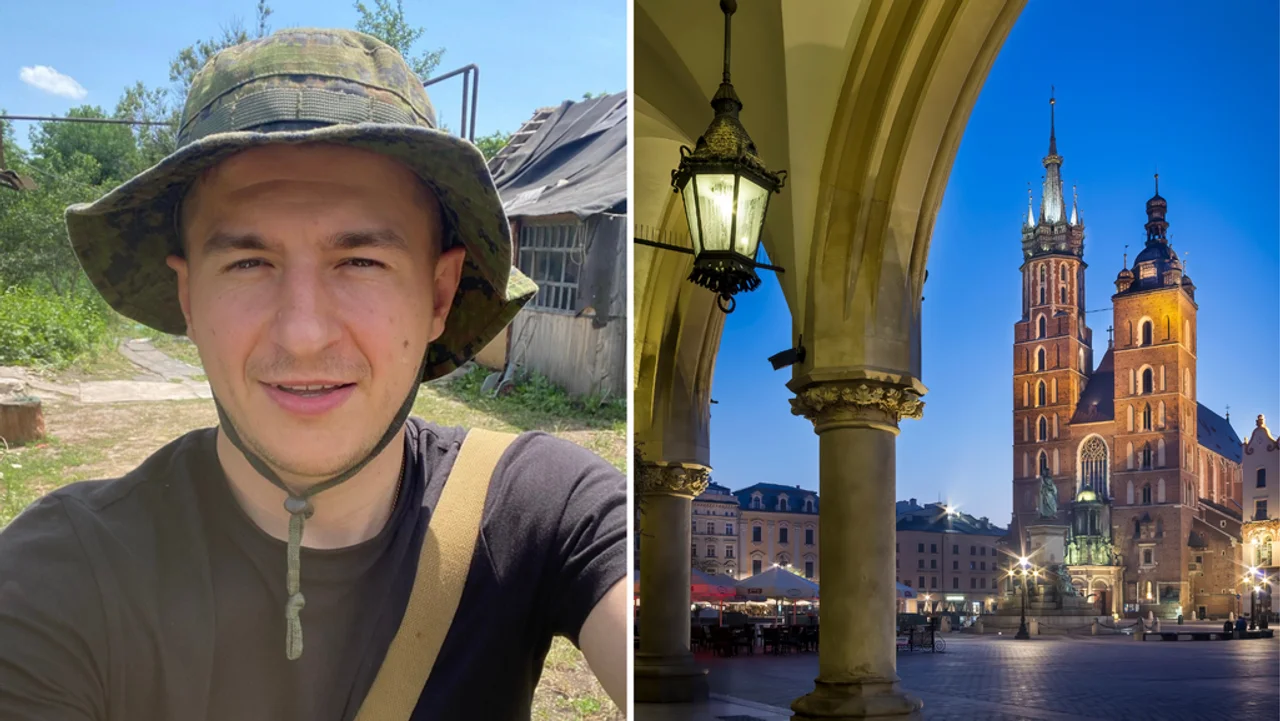
“I told him I’m from Ukraine. And his immediate question was, why aren’t you fighting?”
Polishchuk explained that he was a war veteran who had fought, but was now rebuilding his civilian life in Poland.
The young man was surprised. The veteran had followed him into the street not to ask for help, but to offer it.
“Sometimes society itself, it’s not fully prepared for veterans to return,” Polishchuk told TVP World. “There is an enormous difference between the life experience of someone who has been through a war and someone who has not.”
His principle is straightforward: “A veteran should absolutely be treated as an equal member of society. Not as a victim and not as someone who will come to Europe needing assistance or creating a problem.
“A veteran can be someone who works, builds businesses, participates in society, and helps other people.”