Drone War, Up Close: Fiber-Optics and AI on Ukraine’s Front Line

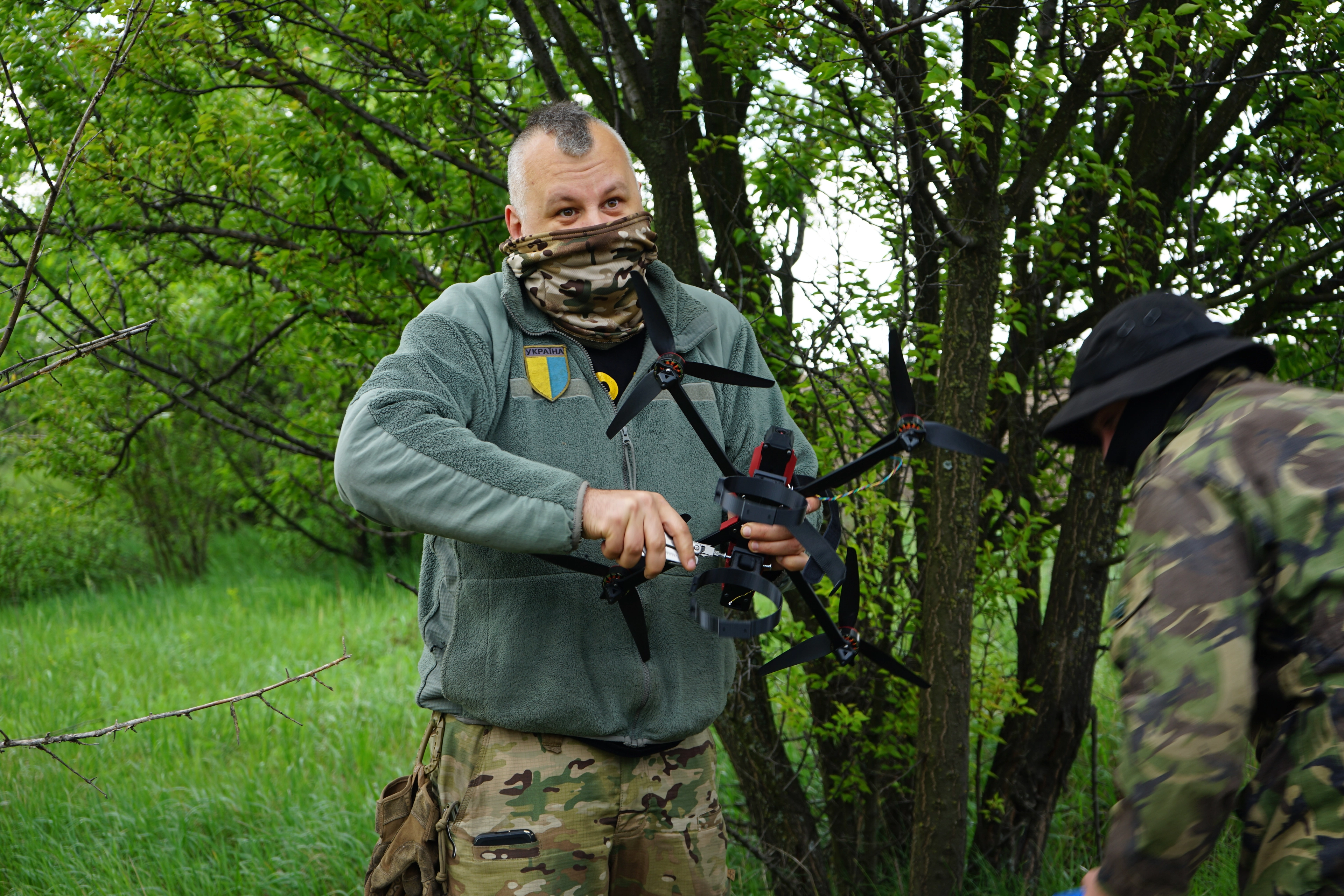
Ukrainian drone crews from the First Separate Assault Regiment gather on a training ground outside Pokrovsk to test new technologies. Kyiv Post embedded with the team on May 12 to see how low-cost innovation and battlefield urgency are shaping the future of Ukrainian drone warfare. Here, a drone operator installs a fiber-optic coil on a first-person-view (FPV) drone.

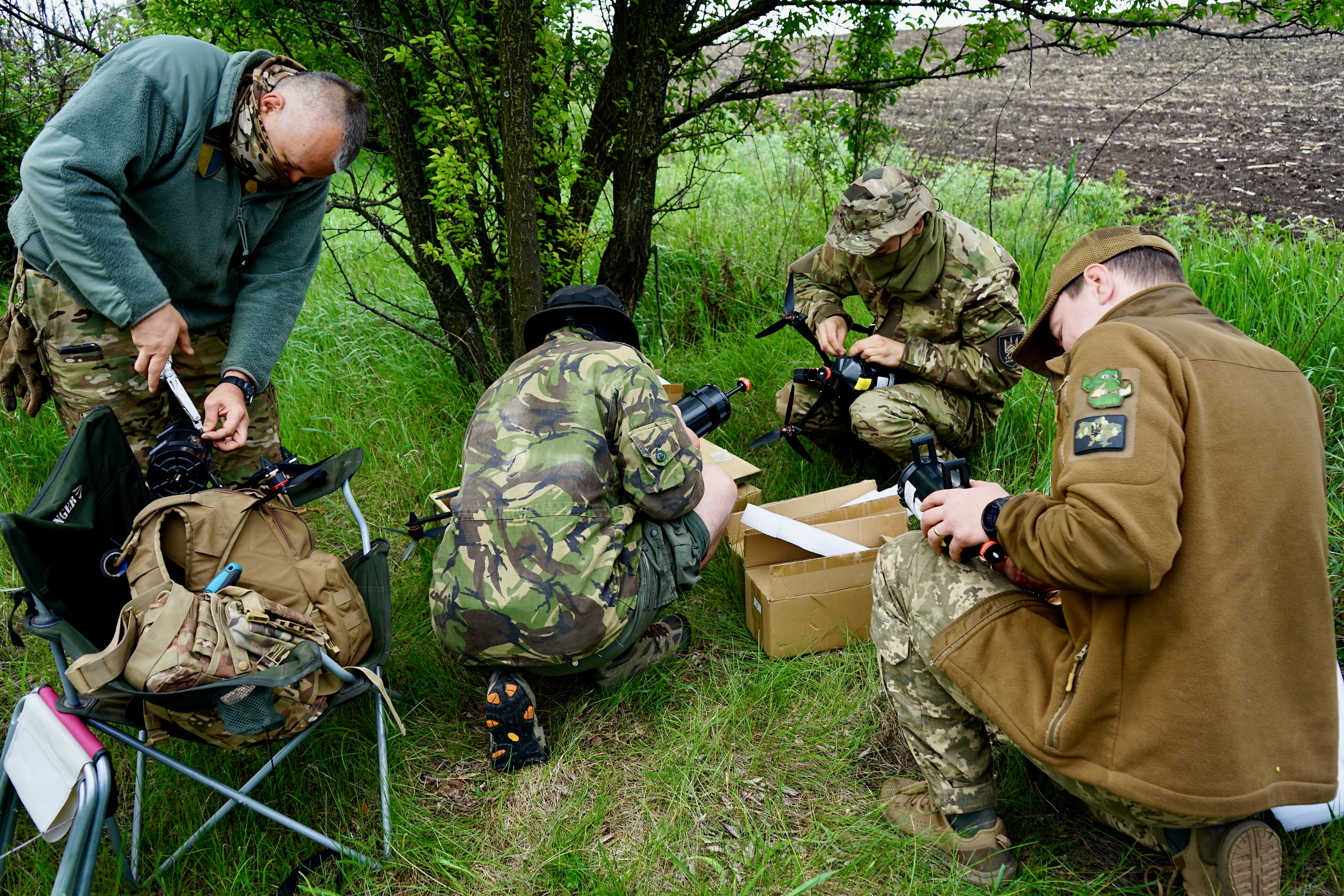
The small drone unit prepares multiple drones in under 20 minutes, attaching coils of optical fiber and payloads before deployment. The soldiers said the coils are cheap and easy to attach, and can run up to 20 km (12.4 miles) in length. Longer coils allow the drones to cover more distance, but weigh more, causing the device’s battery to last shorter.
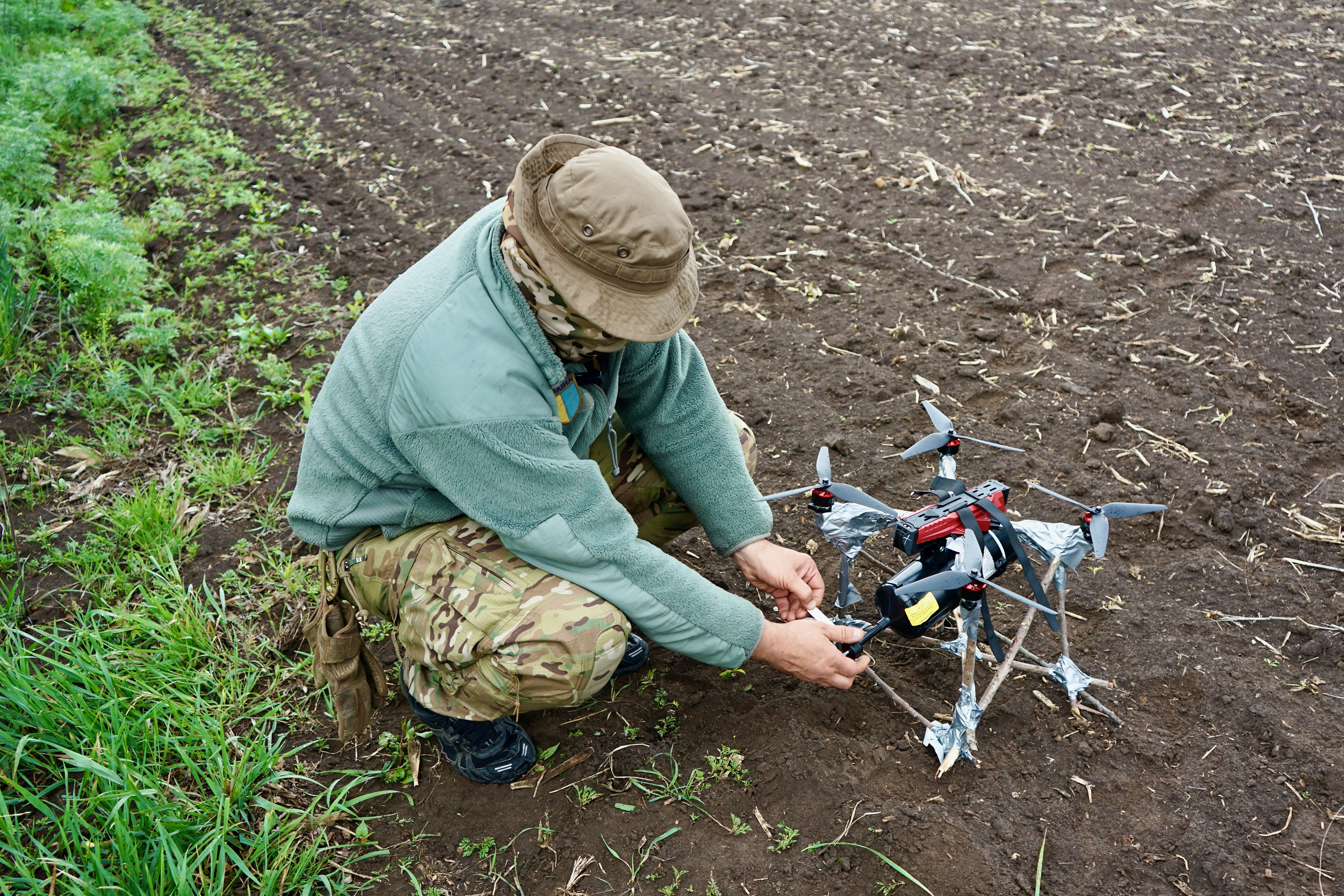

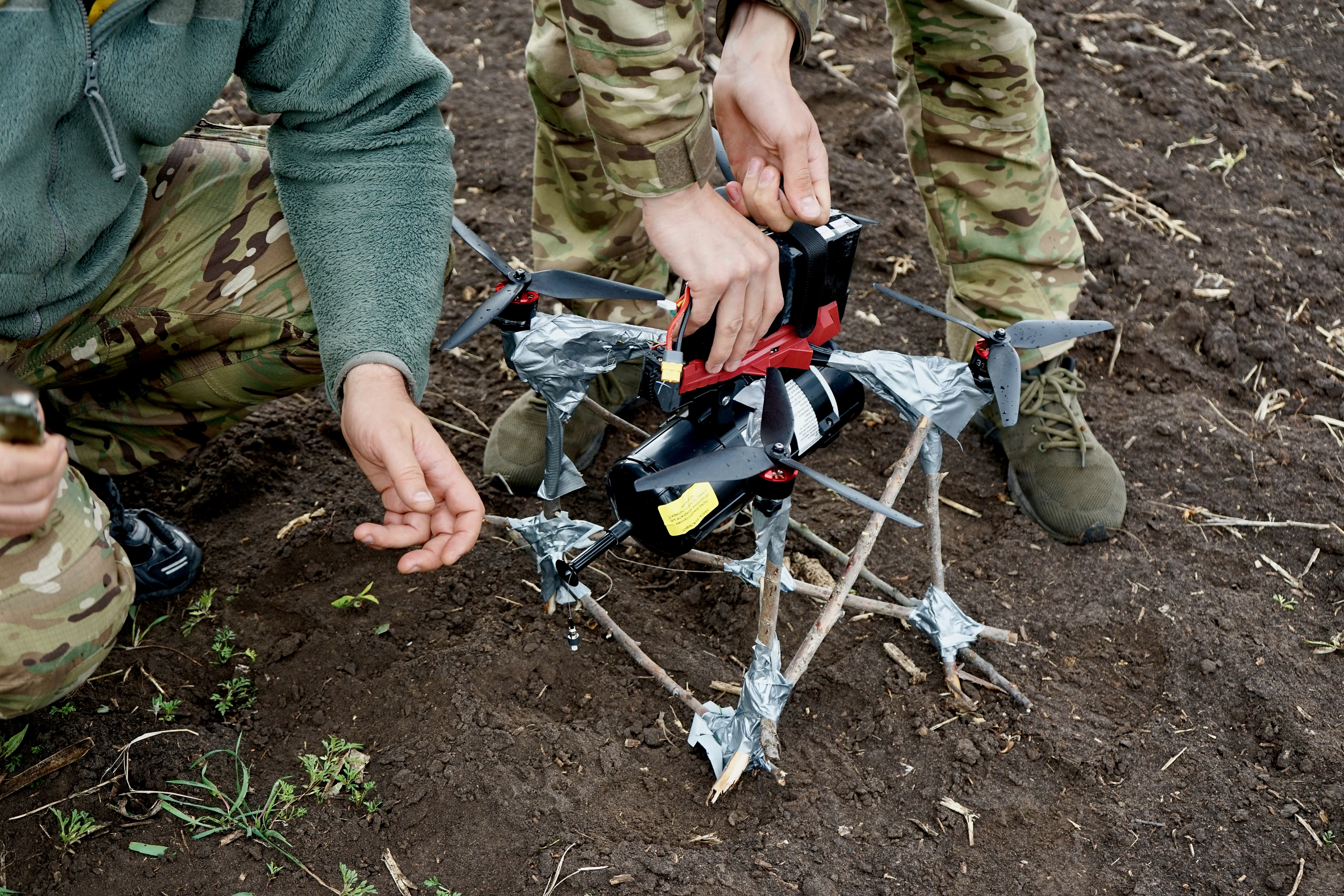
A soldier adds makeshift landing legs made of sticks to a drone to prevent it from snagging in the grass during testing. In combat, units sometimes install 3D-printed “legs” on drones to achieve a similar effect. DIY upgrades like this have become standard across Ukraine’s front lines as drones have become the most common weapon on the battlefield. 

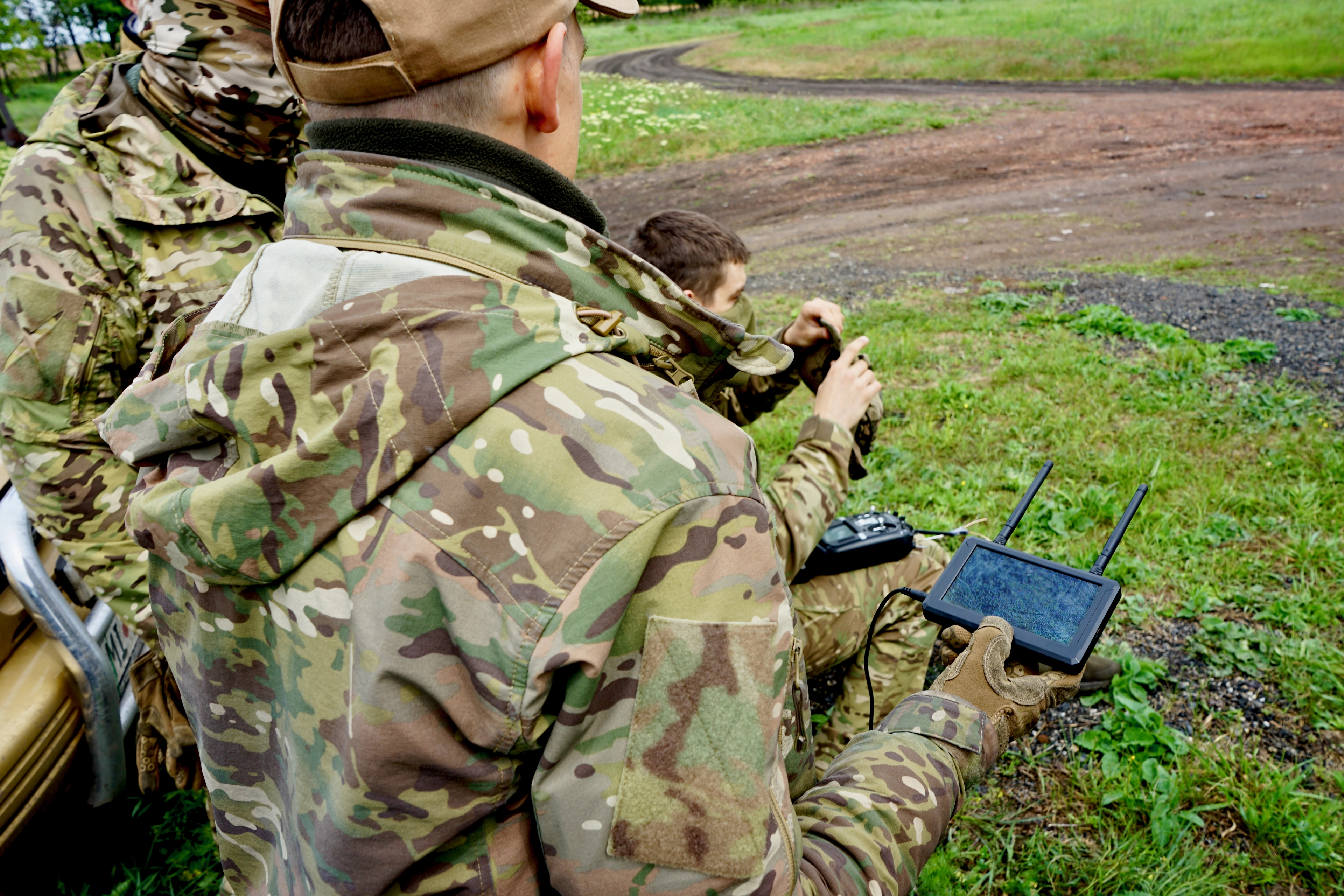
A technician turns on the converter needed to receive the signal from the transmitter in the drone operator’s controller. Fiber-optic drones transmit commands via cable, making them immune to most Russian jamming and highly effective on the battlefield. The drones can only be disabled by physically cutting their cables or destroying the drone itself. 

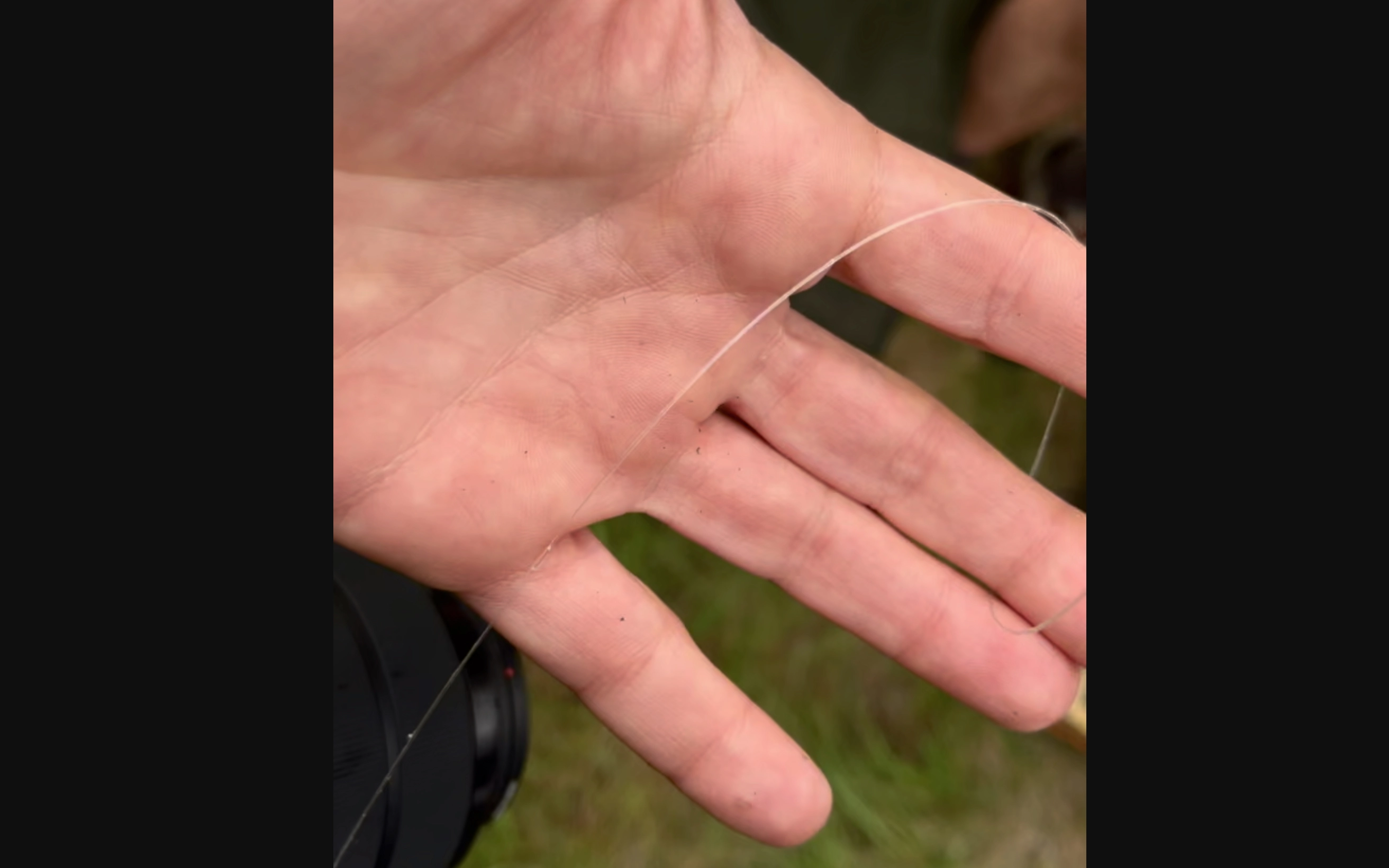
The fiber-optic cable is similar to those used for household internet connections. It is strong enough to be extended over several kilometers, but if bent in half, it breaks. A spiderweb-like tapestry of the lines can be seen along the tree-tops of areas frequented by too many fiber-optic flyers. Units cannot launch more than a few drones from a single location for fear of enemy forces following the lines back to their positions.

A soldier tests a new AI targeting system integrated into the FPV drone interface. The goal: automatic enemy detection and strike capabilities. The test was a success – and the soldiers hope to see the new tech deployed across the battlefield later this year.