In Photos: The Kyiv Thermal Plant in Ruins – and the People Bringing It Back
Sergii Kostezh | Feb. 5, 2026, 10:24 am
In Ukraine, few facilities have been spared from Russian strikes.
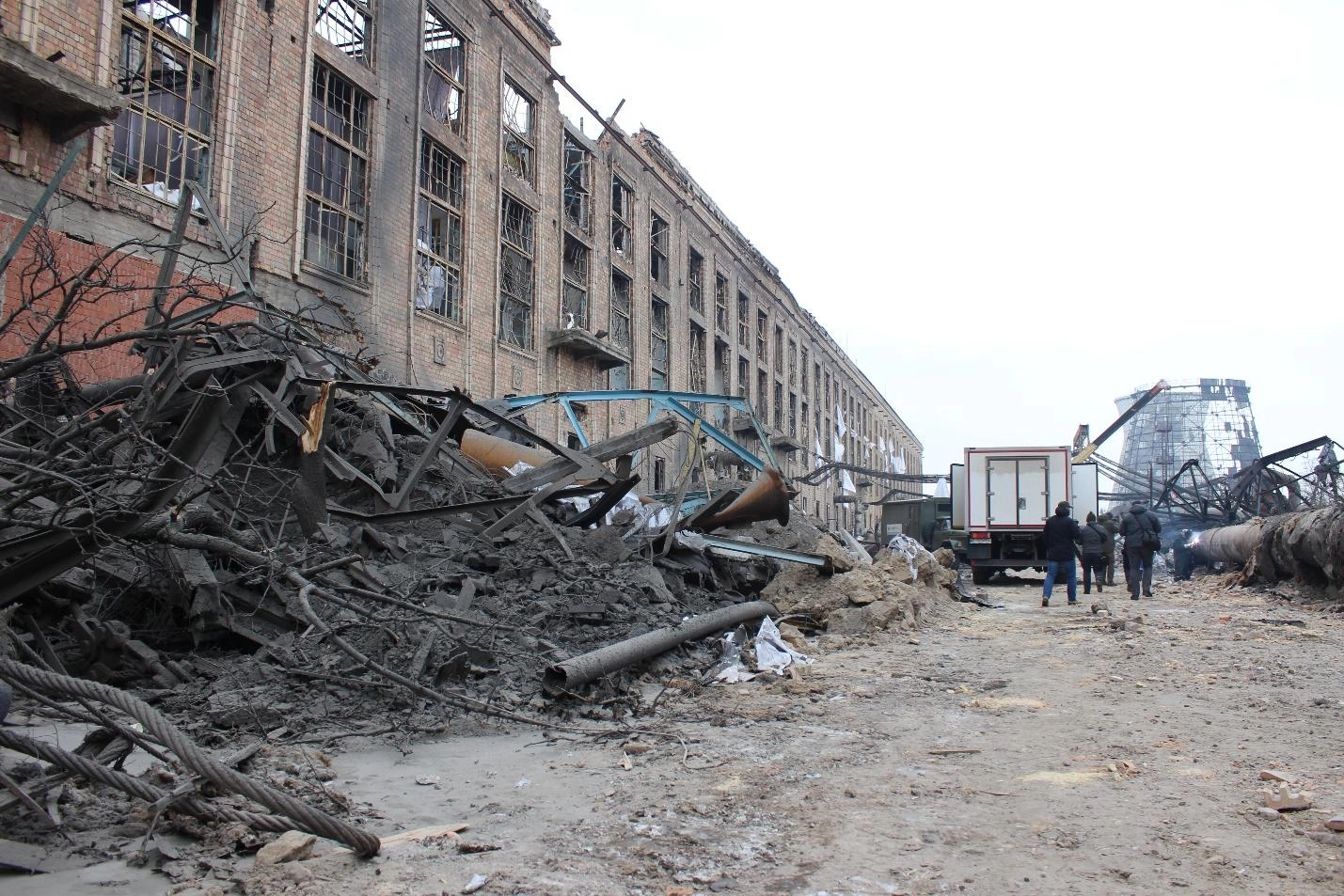
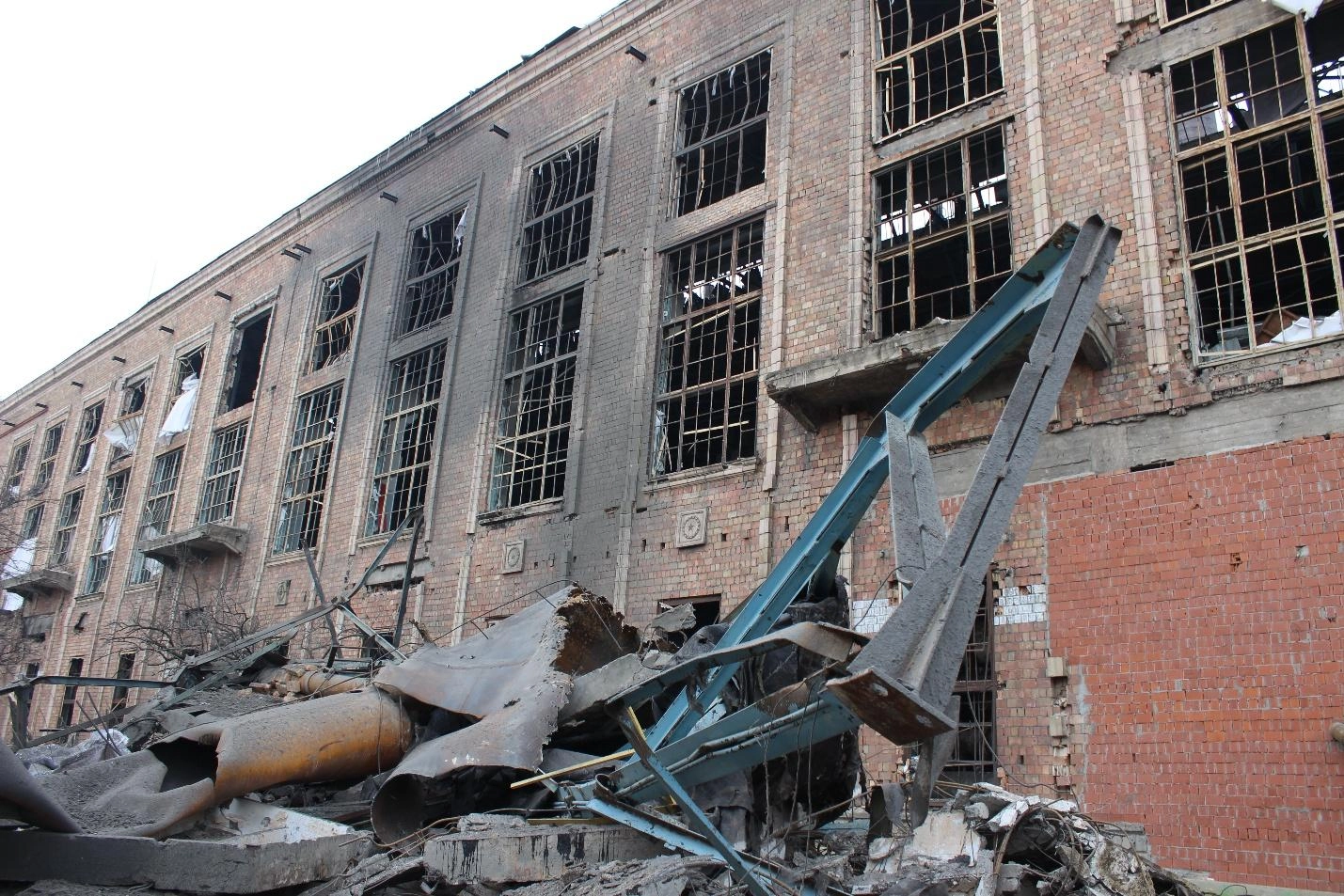
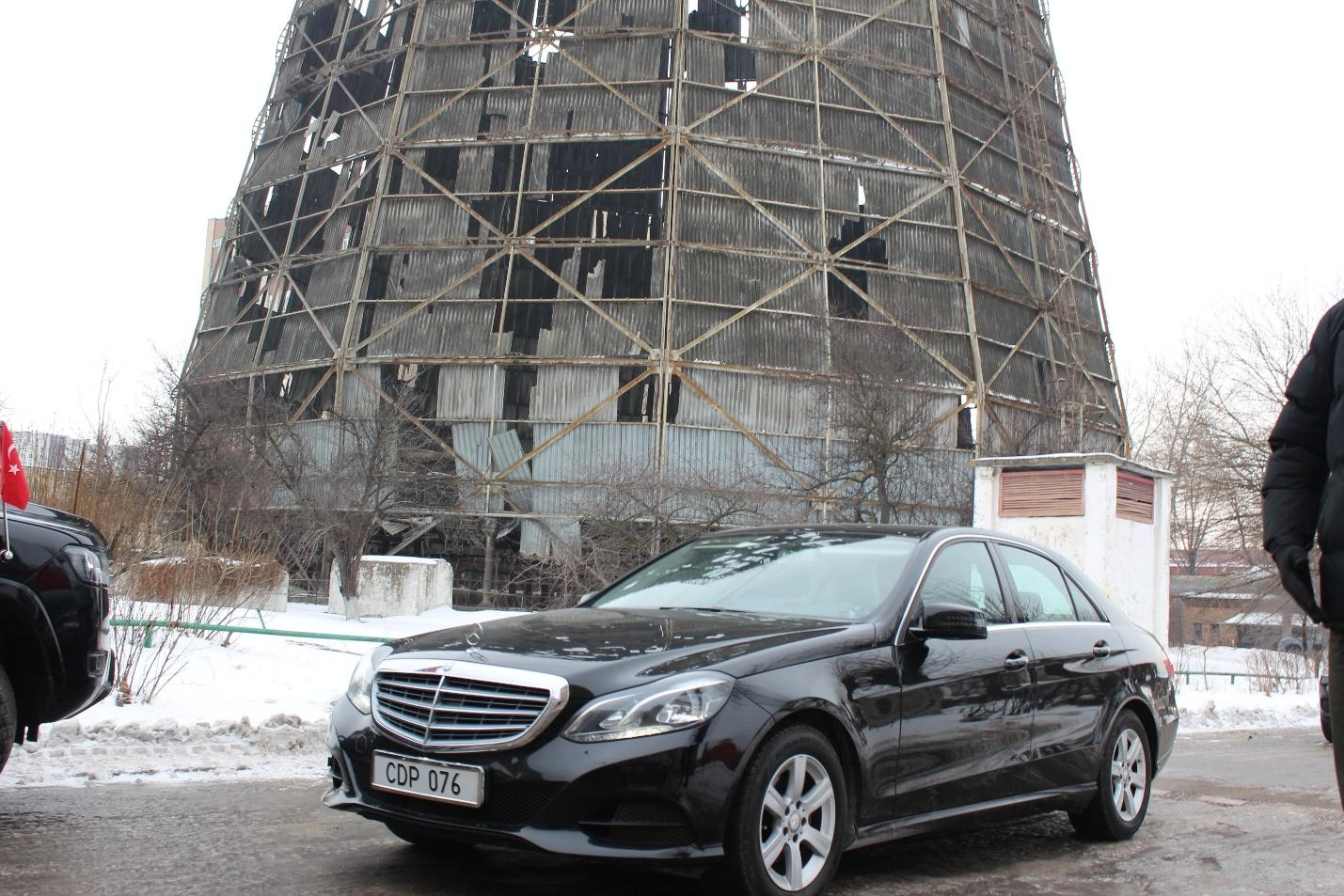
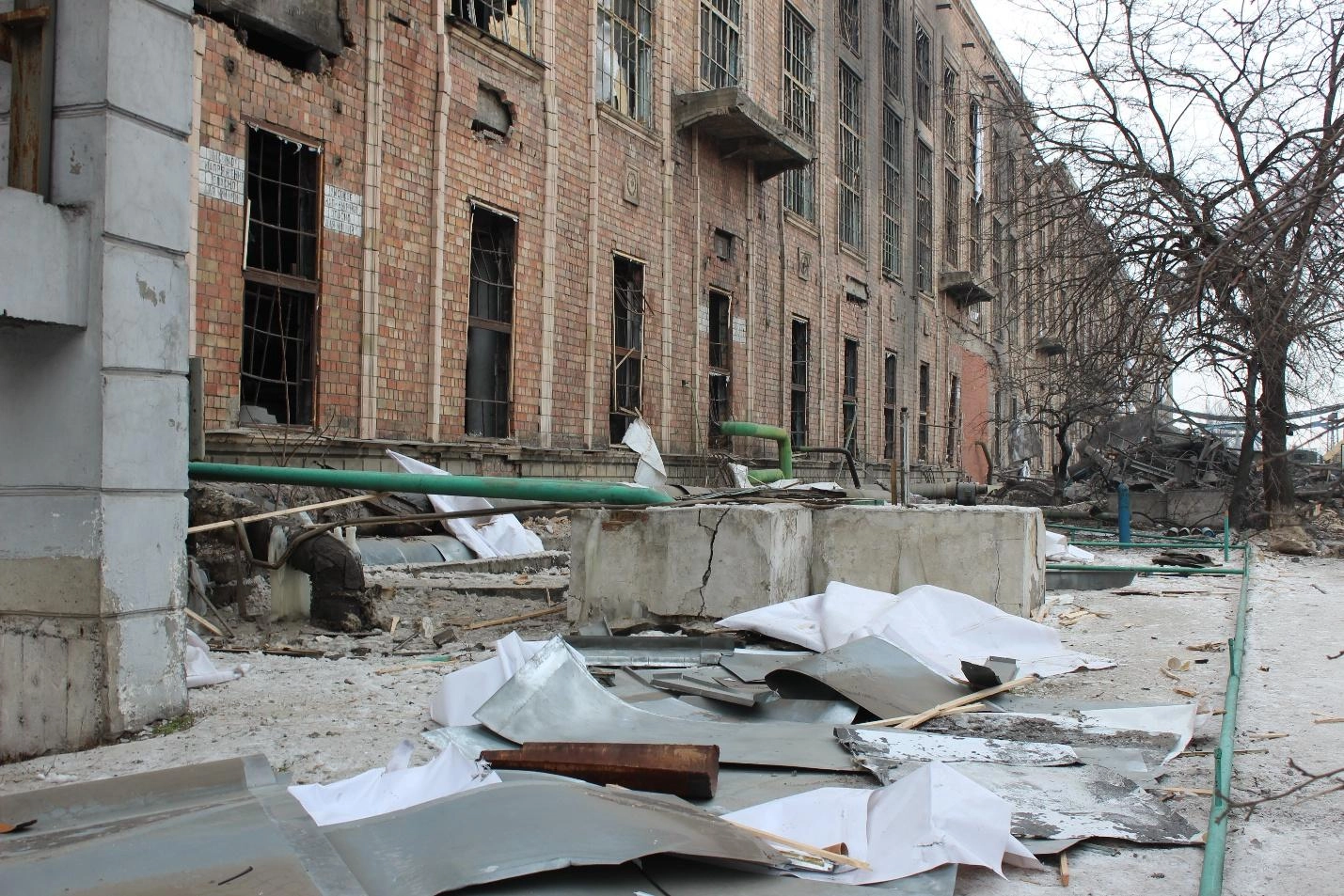
Russian missile strikes have repeatedly targeted civilian infrastructure across Ukraine. The impact of these attacks is evident at sites hit by the strikes, including the Darnytska combined heat and power (CHP) plant on Kyiv’s left bank, which was completely destroyed in the latest attacks.
Built in the 1950s, the CHP plant operated five boilers with a combined thermal capacity of 1,000 gigacalories (Gcal) – enough to supply heat to the Darnytskyi and Dniprovskyi districts, home to hundreds of thousands of residents.
The CHP plant, which until recently operated on coal, was not a military facility. Multiple ballistic missile strikes destroyed the CHP plant on the night of Feb. 3, during the so-called “energy truce.”
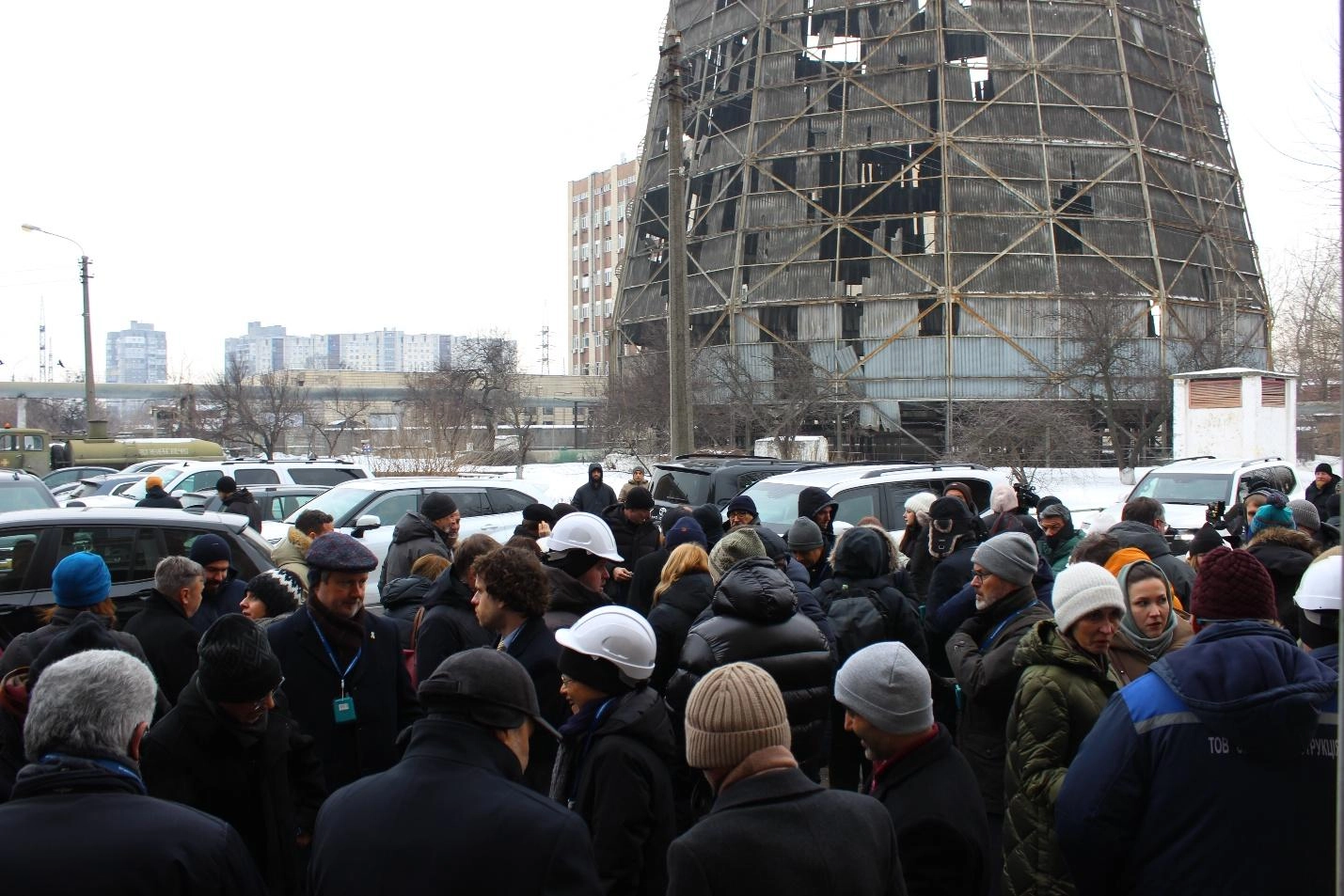
On Feb. 4, representatives of diplomatic missions from more than 60 countries, along with journalists, visited the destroyed plant.
The group included ambassadors and diplomats from the US, Japan, Germany, the UK, Italy, Turkey, Poland, Canada, Lithuania, and EU representatives.
Sensitive facilities such as power plants are rarely open to the public during wartime. The press tour for diplomats and journalists at the CHP plant offered a full view of the site, underscoring the extent of the damage.
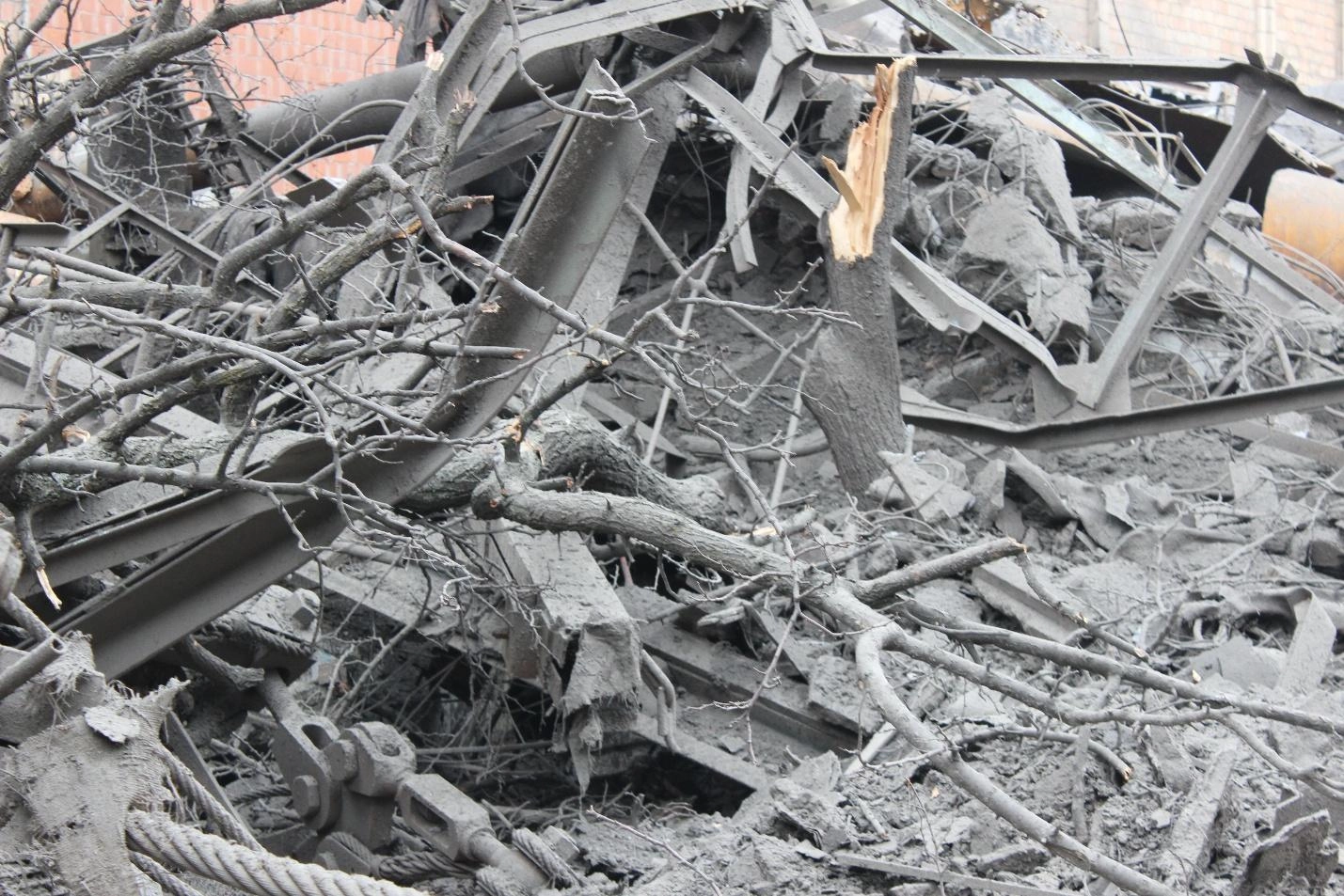
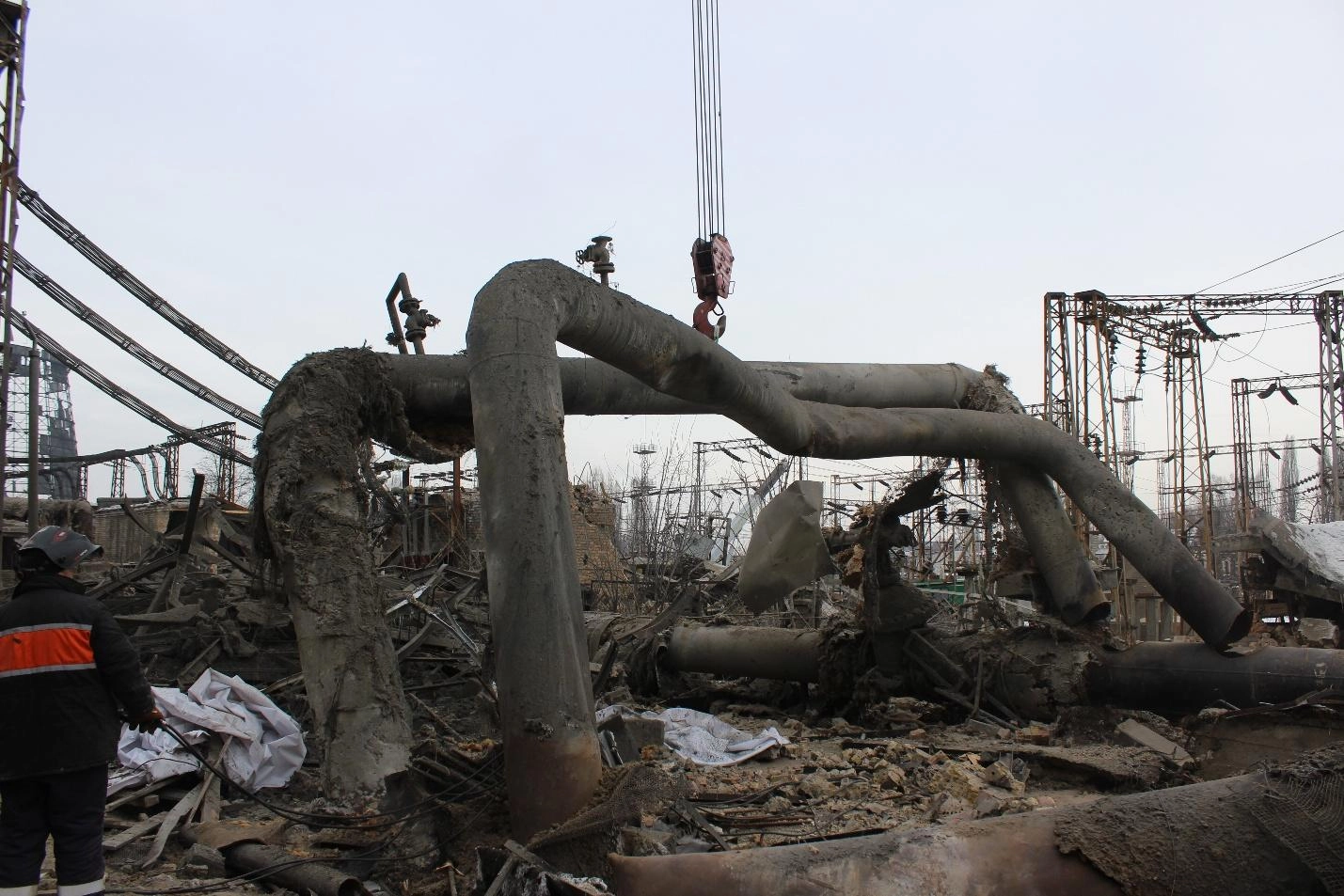
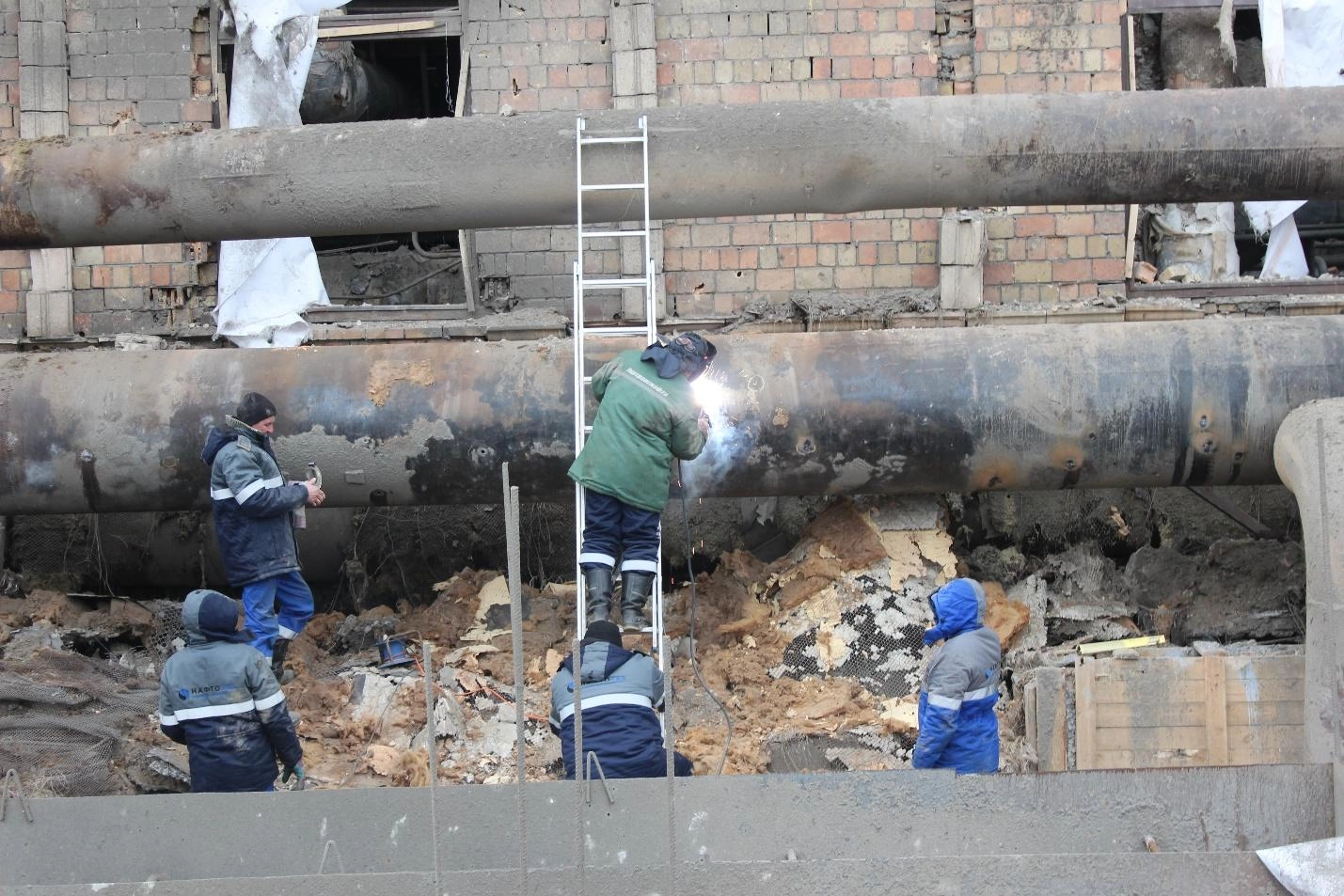
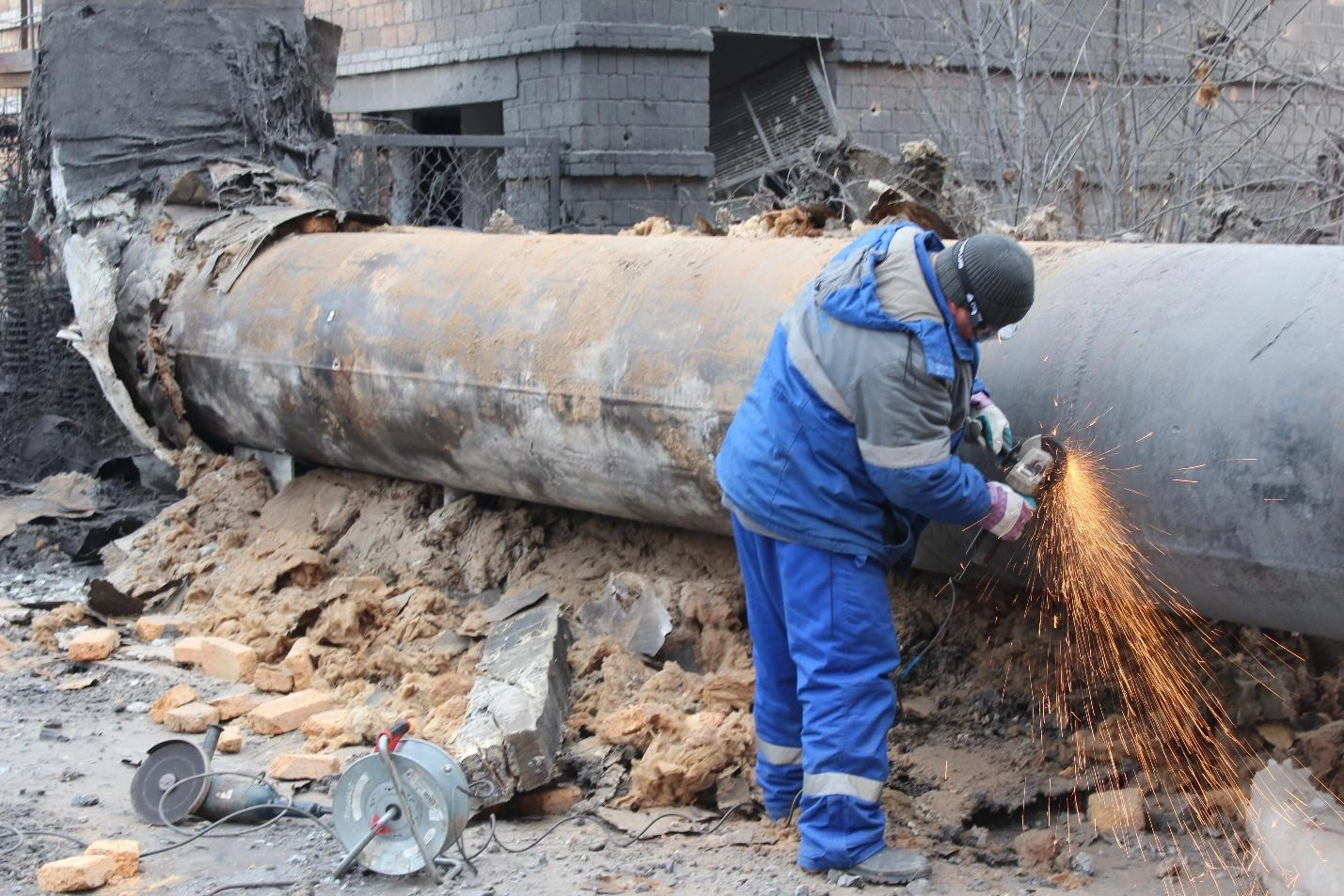
Amid bent pipes, loose debris, and the scattered remains of what once kept the city warm in subzero temperatures, it is now difficult to discern its former state before the missile strike.
“The destruction you see is direct evidence of a war crime. A targeted attack on civilian infrastructure with the aim of leaving people without heat during freezing temperatures. These are basic conditions for life,” a CHP representative said.
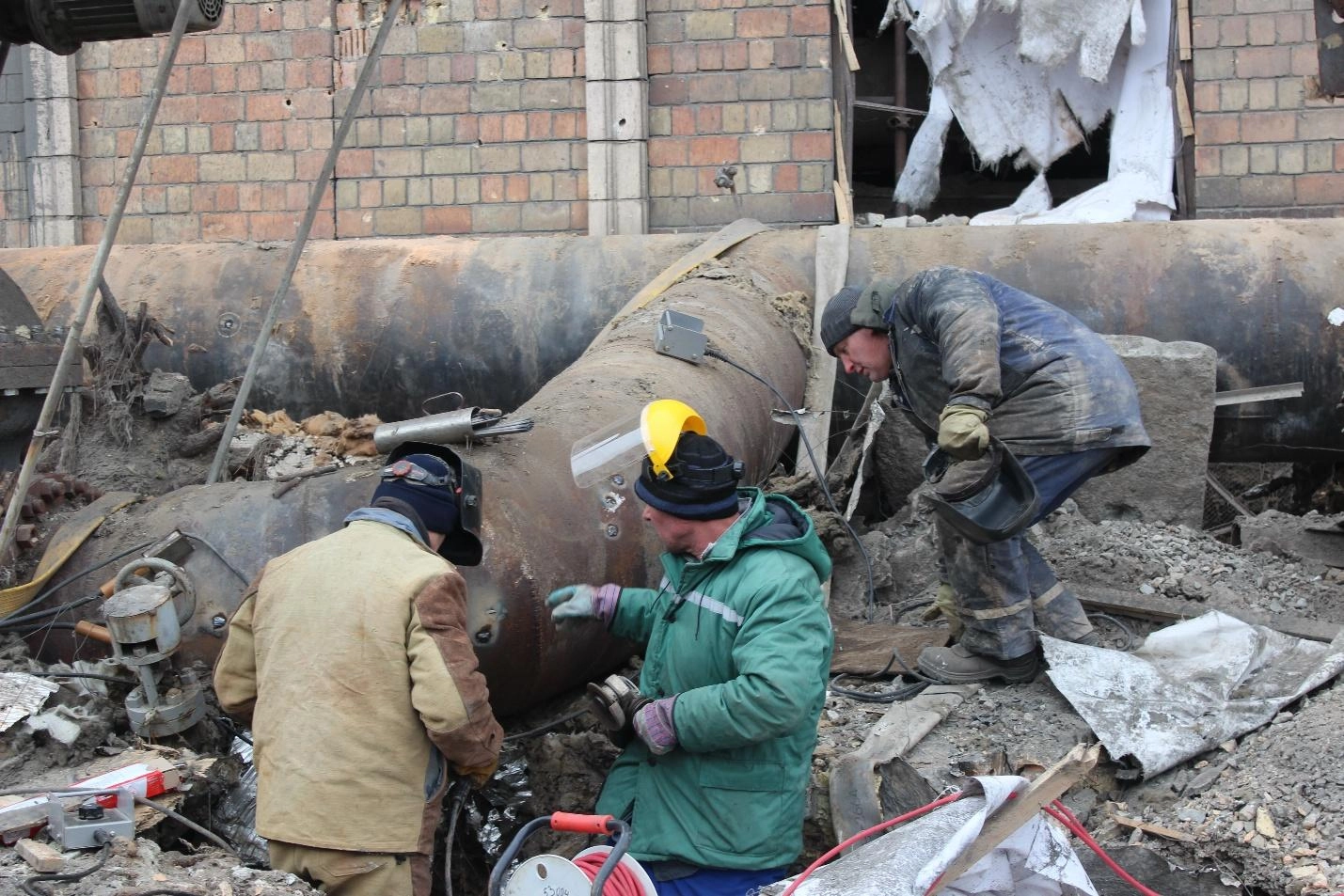
Restoring heat for tens of thousands of residents is a major challenge. Rebuilding the CHP plant could take months, if it is possible at all. In the meantime, workers from state-owned energy companies are salvaging equipment that could be reused.
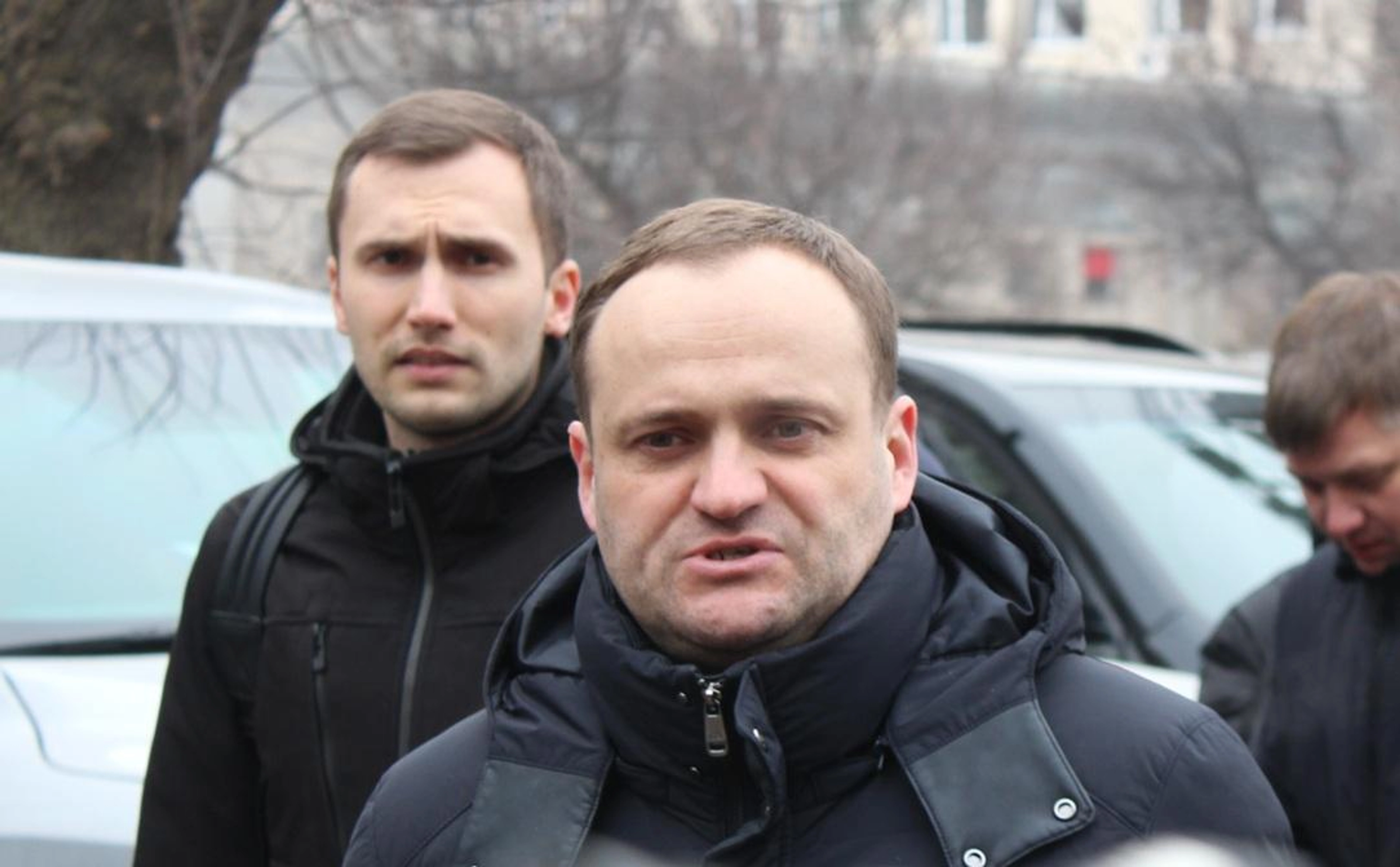
“The attack was deliberate and cynical, despite diplomatic agreements on de-escalation. It occurred precisely when the air temperature dropped to -25°C (-13°F). This enterprise provided heat to thousands of people. It is important that our partners see this terrorism with their own eyes,” said Minister for Communities and Territories Development Oleksiy Kuleba, who arrived at the site of the strike.
Work on the site is expected to take months, yet crews began immediately after the missile strike and continue operating even in temperatures around -15°C (5°F).
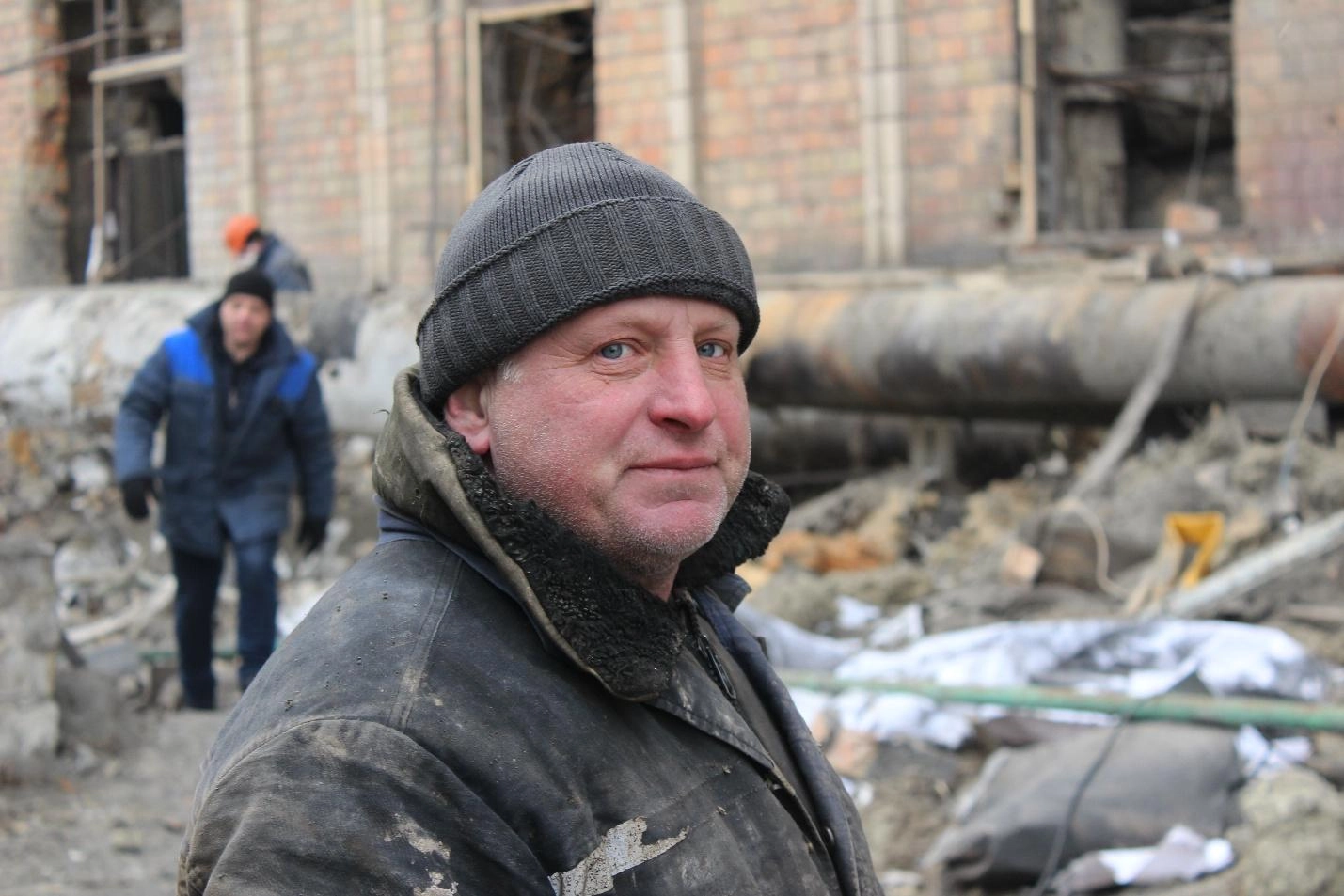
Workers on the site are determined and continue their efforts despite the risks, though they stress that they do not see their work as equivalent to the fighting on the front lines in eastern Ukraine.
Many have been working long hours under difficult conditions, with some cases of exhaustion and fatalities among Kyiv repair crews. Yet they persist, often with a smile.
Even amid the destruction, workers press on to restore Kyiv’s heat and power – a reminder that the consequences of the war reach far beyond the front.