Ukrainian Easter traditions are not only diverse, but also quite old, carrying the imprint of ancient times. They are rooted not only in the depths of centuries of Christian history, but also in Ukrainian and Slavic traditions.
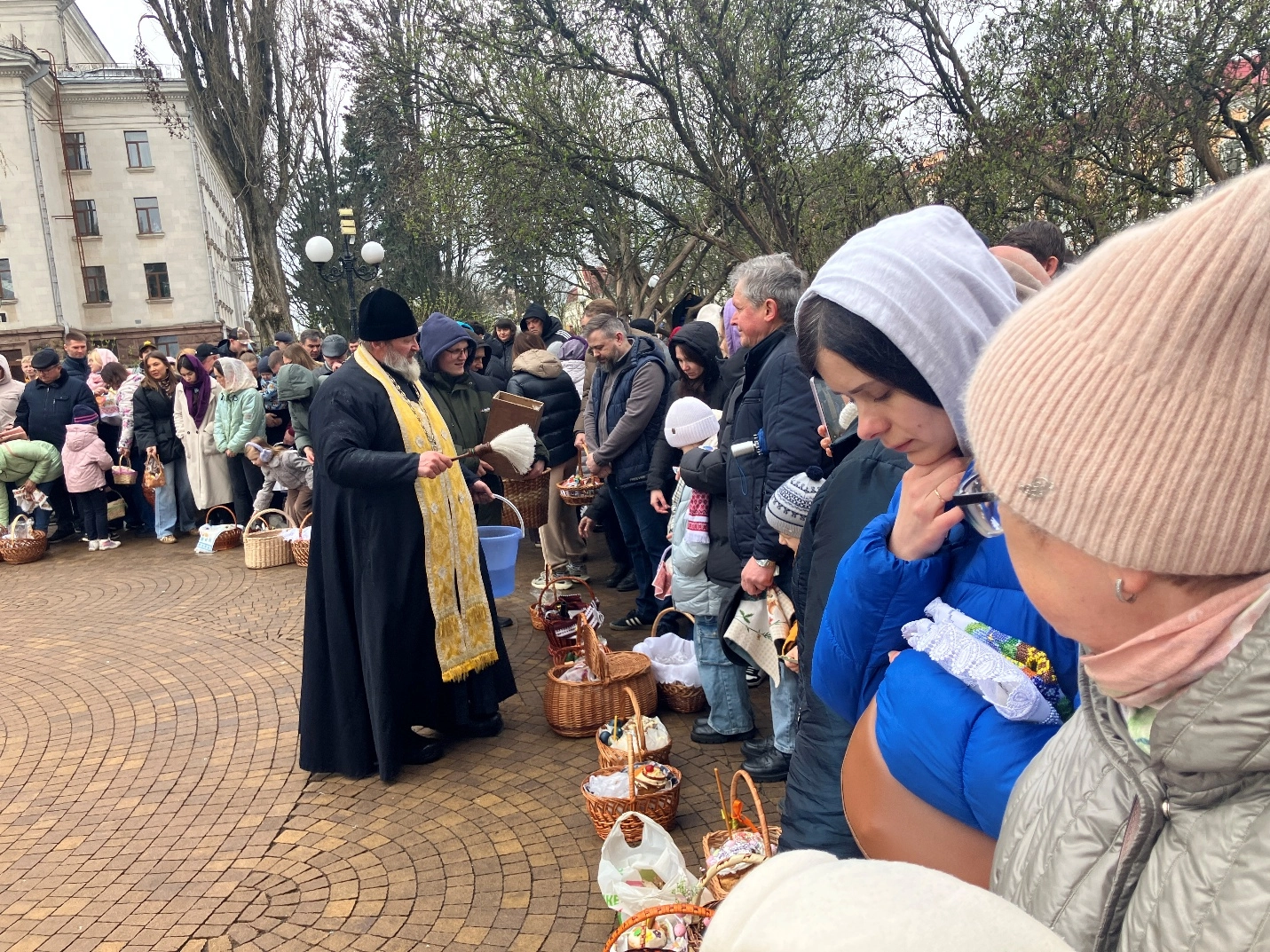
(Photo by Sergii Kostezh / Kyiv Post)
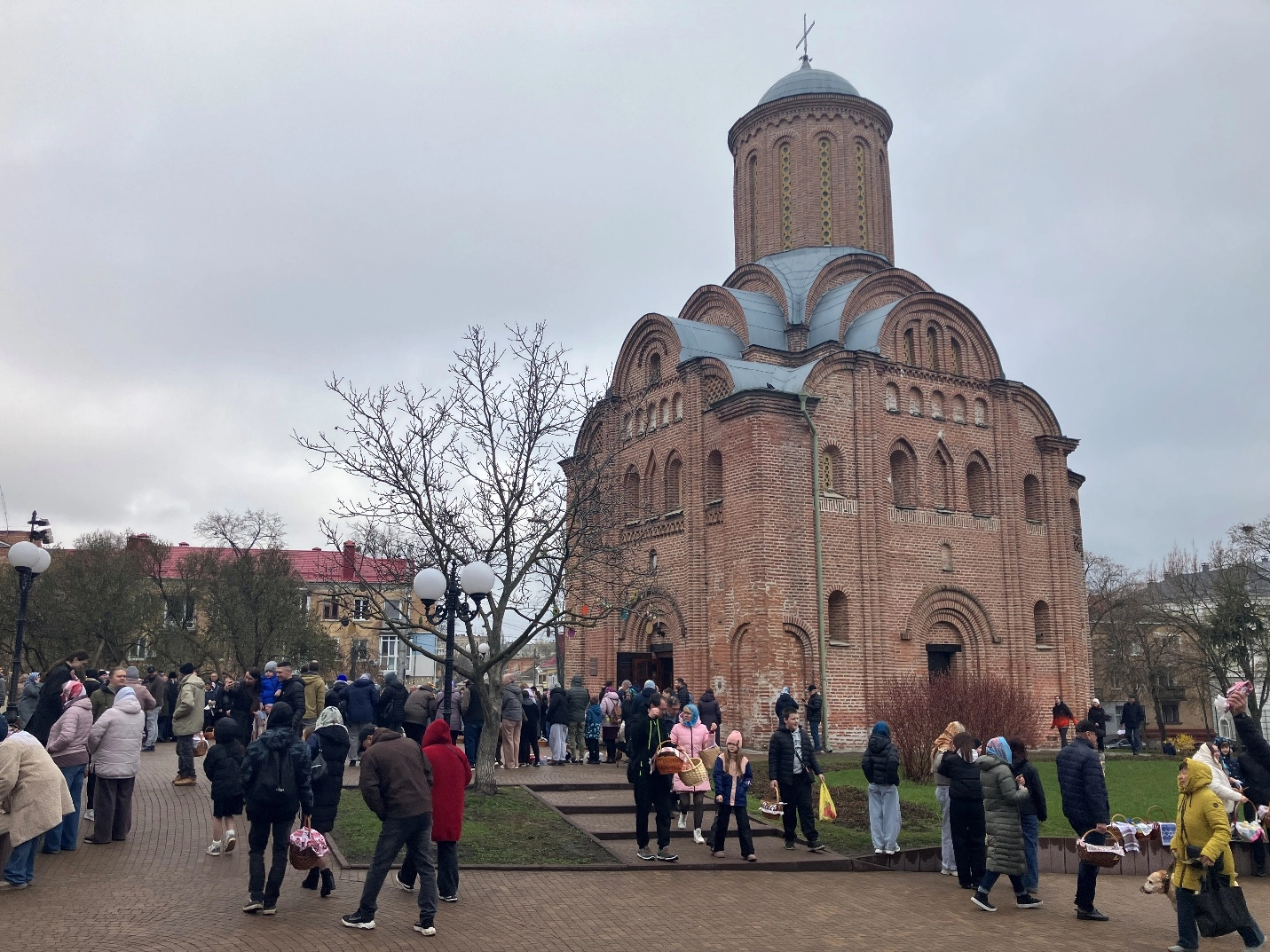
Above all, Easter in Ukraine is a family holiday. So, families go together to have their Easter baskets blessed.
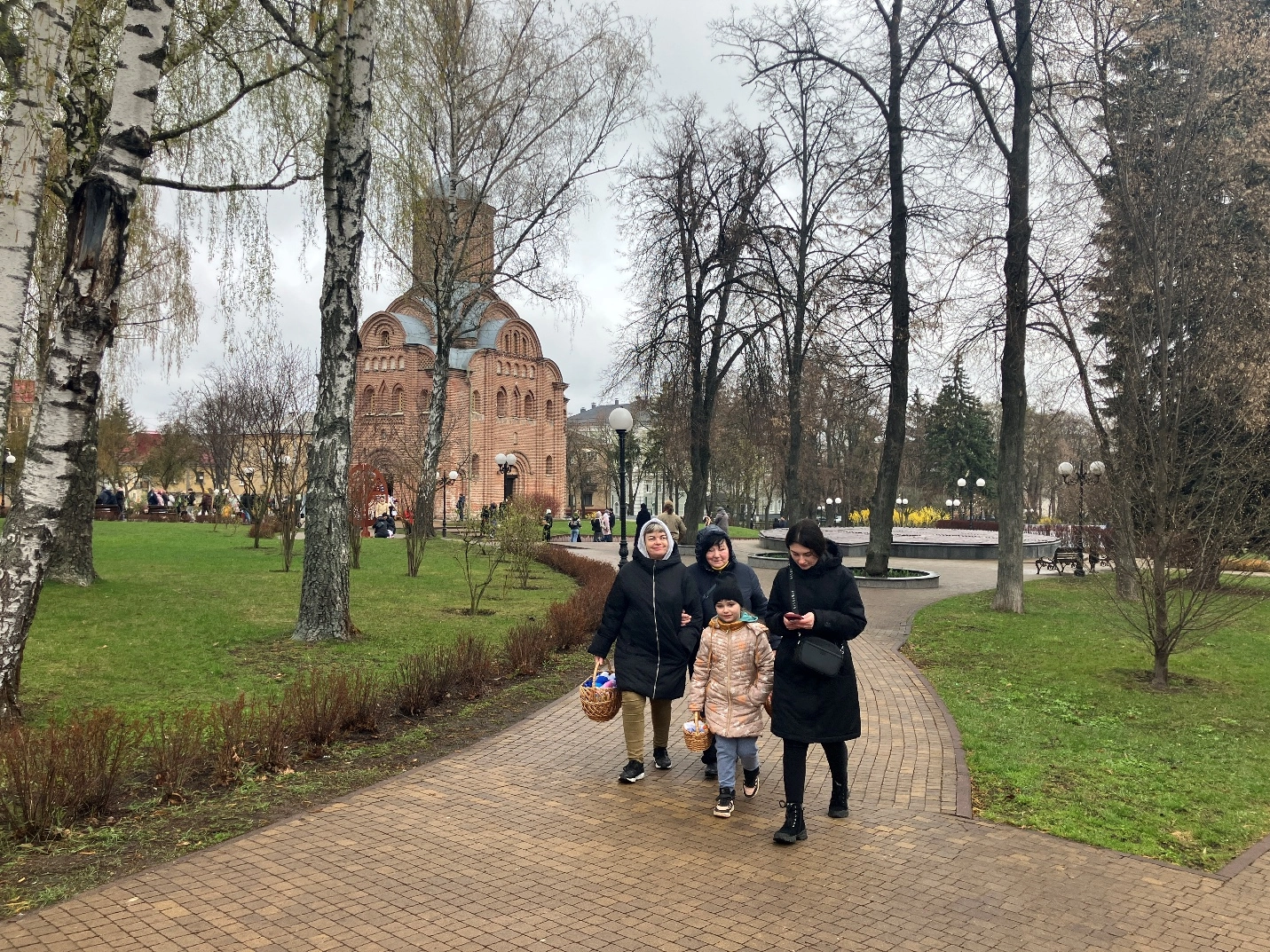
(Photo by Sergii Kostezh / Kyiv Post)
They often set out at night, don’t eat breakfast, and take family portraits, or even selfies, near the church. For one day on Easter: Ukrainian social networks forget about politics, war, sports, or beauty procedures.
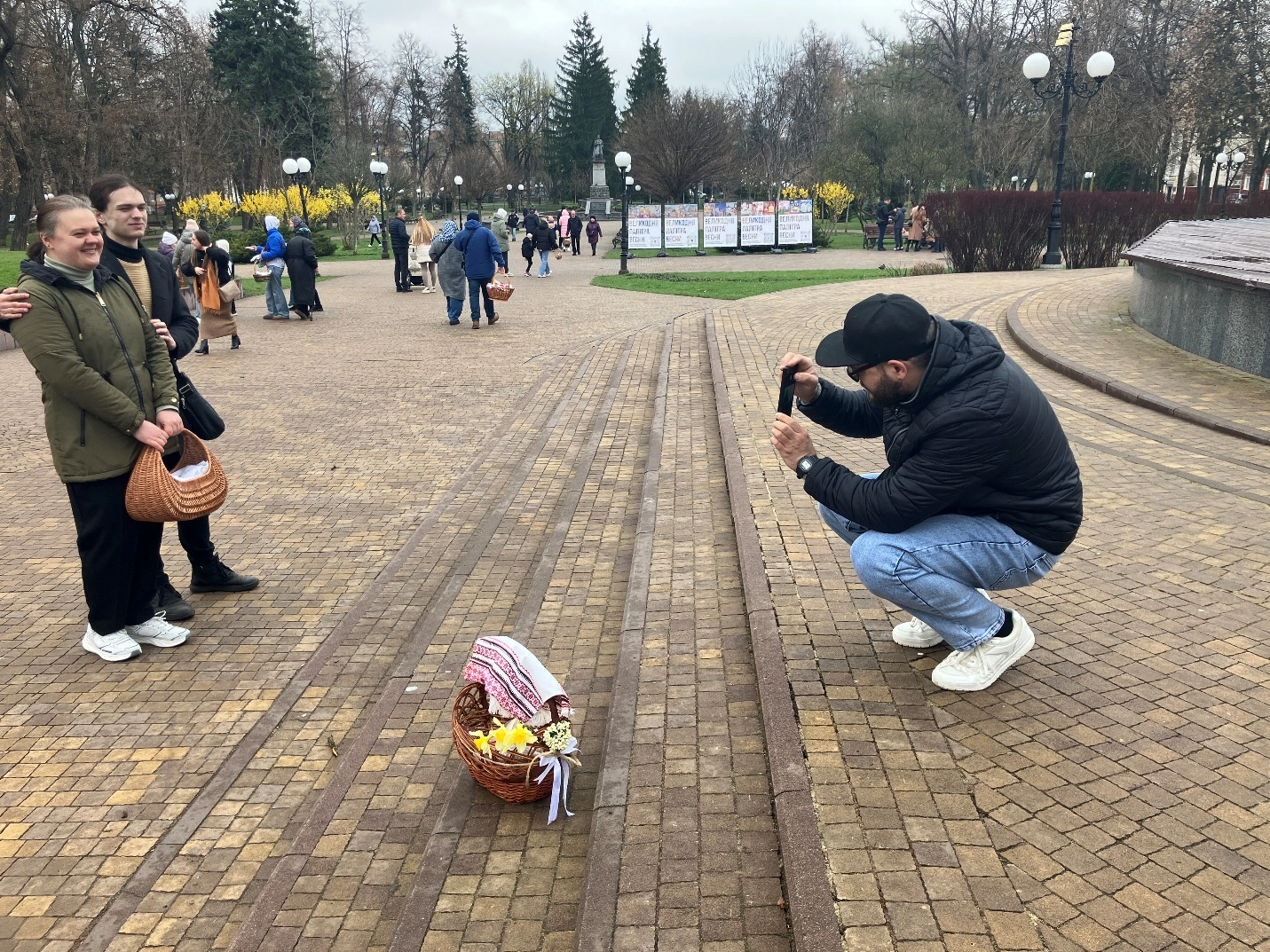
(Photo by Sergii Kostezh / Kyiv Post)
Some believe that the proper way to bake Easter paska (Easter cake) is in a traditional village oven. Nowadays, few people use them, as gas is available in any village. However, many villagers still light their old wood-fired ovens at Easter for traditional cooking.
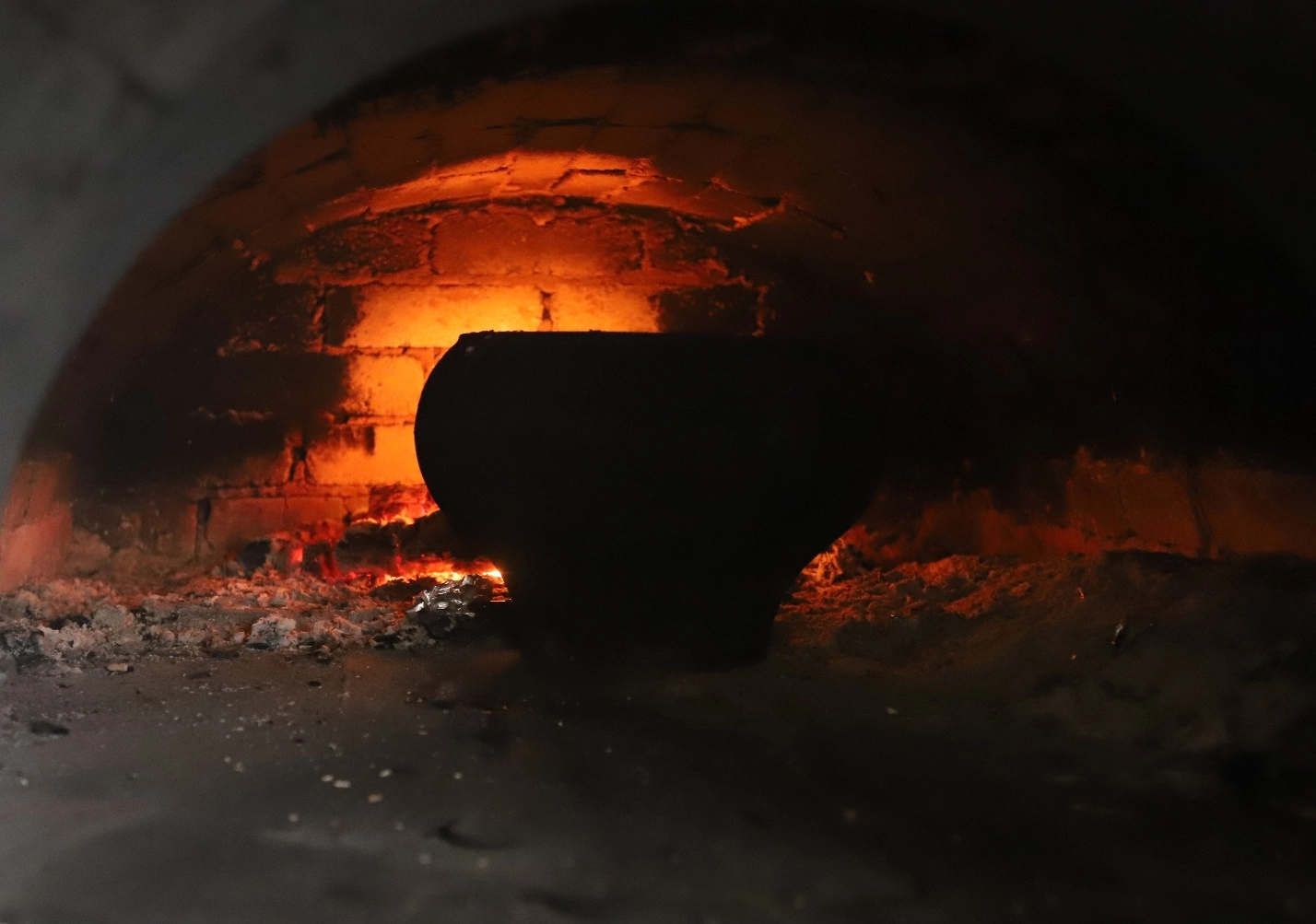
(Photo by Sergii Kostezh / Kyiv Post)
Especially since this winter they were very helpful when Russian attacks on energy infrastructure caused problems not just for cooking but with heating for Ukrainian homes.
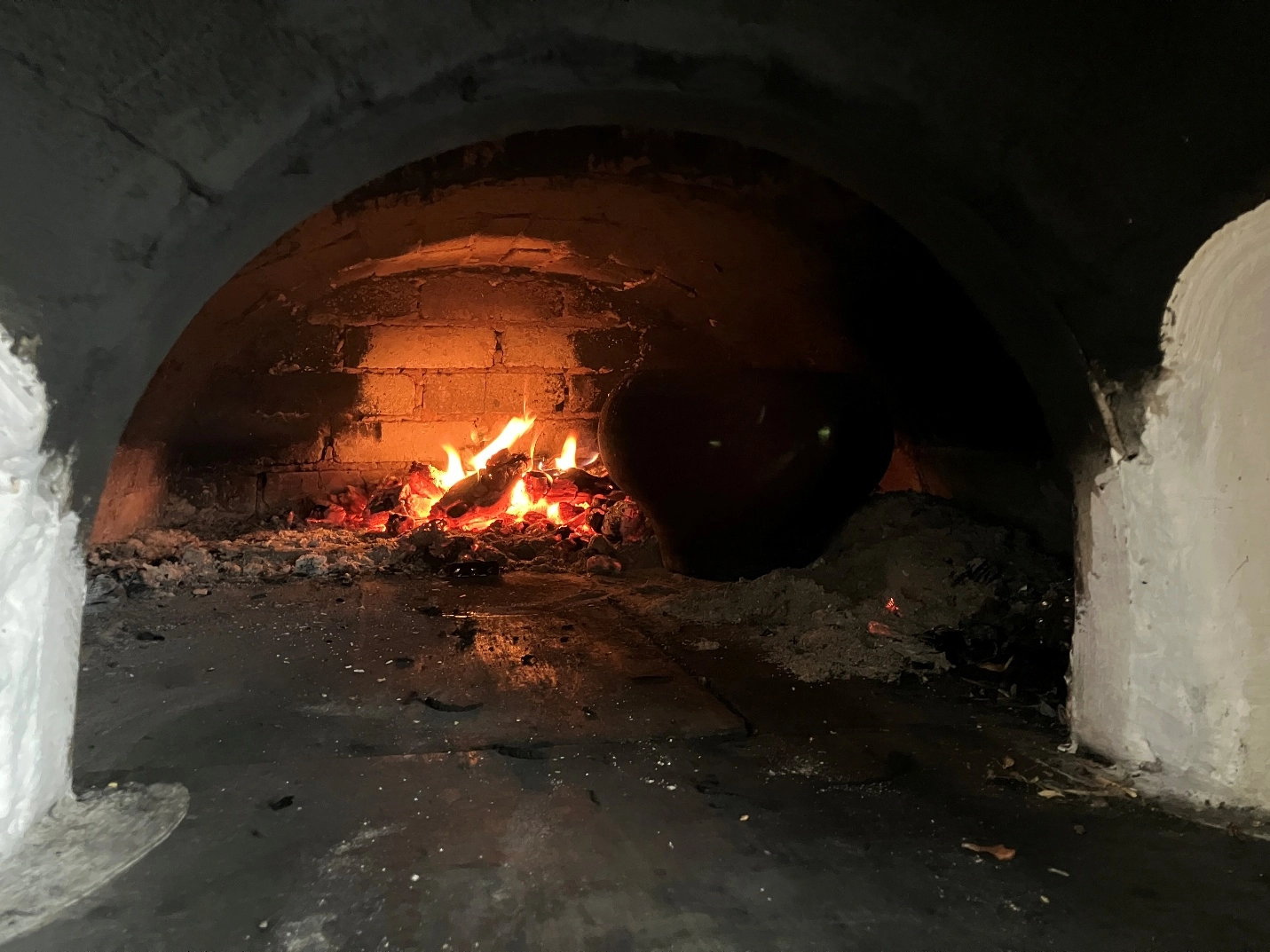
(Photo by Sergii Kostezh / Kyiv Post)
It is customary to bake a lot of paska, a great many, actually. They should be of different sizes, varying sweetness, and even different decorations. All kinds of cookware serve as molds – cups, pots, even kettles.
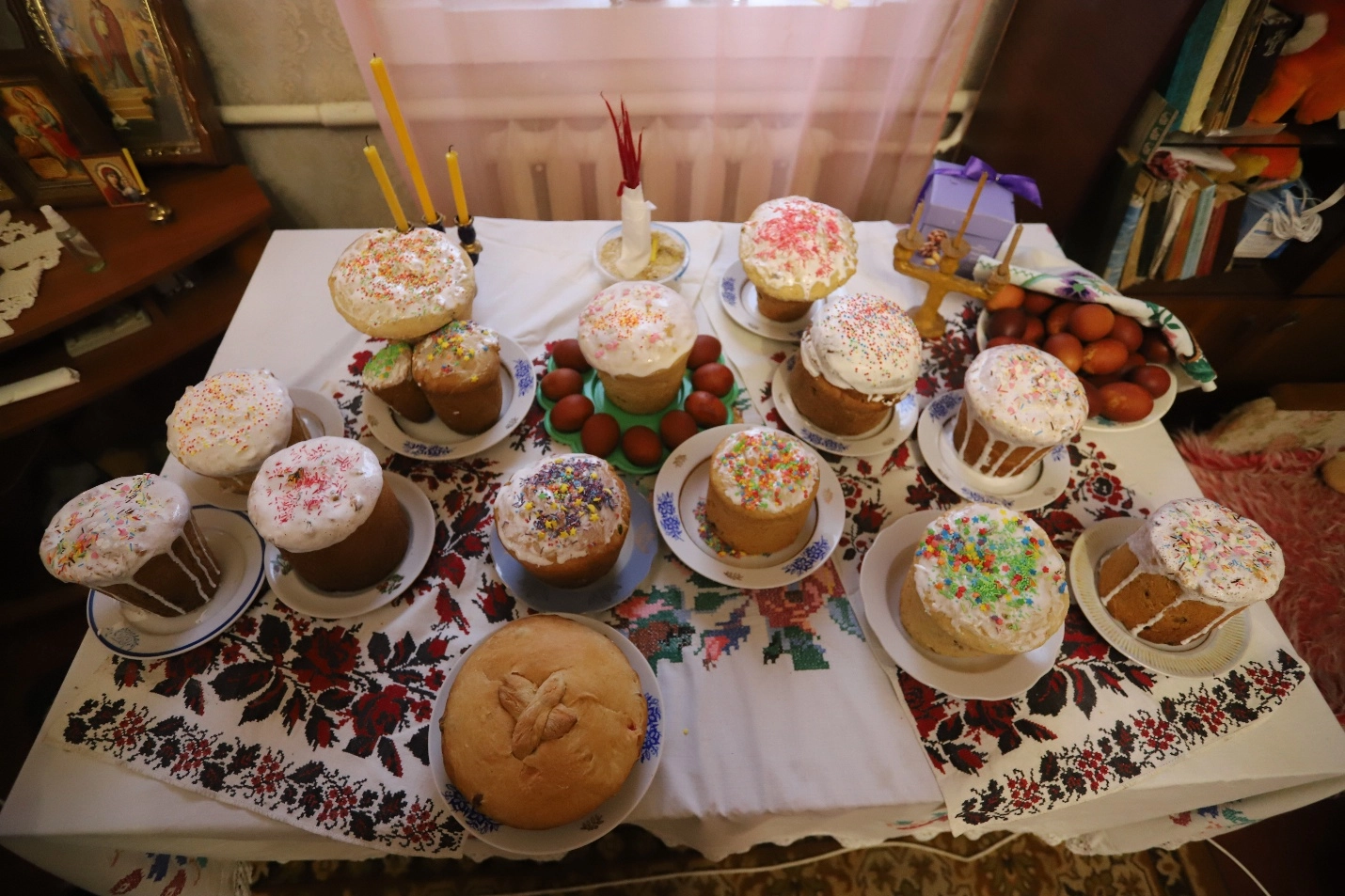
(Photo by Sergii Kostezh / Kyiv Post)
The main paska is usually not decorated with icing – instead, it is brushed with egg on top, and a cross is shaped from dough.
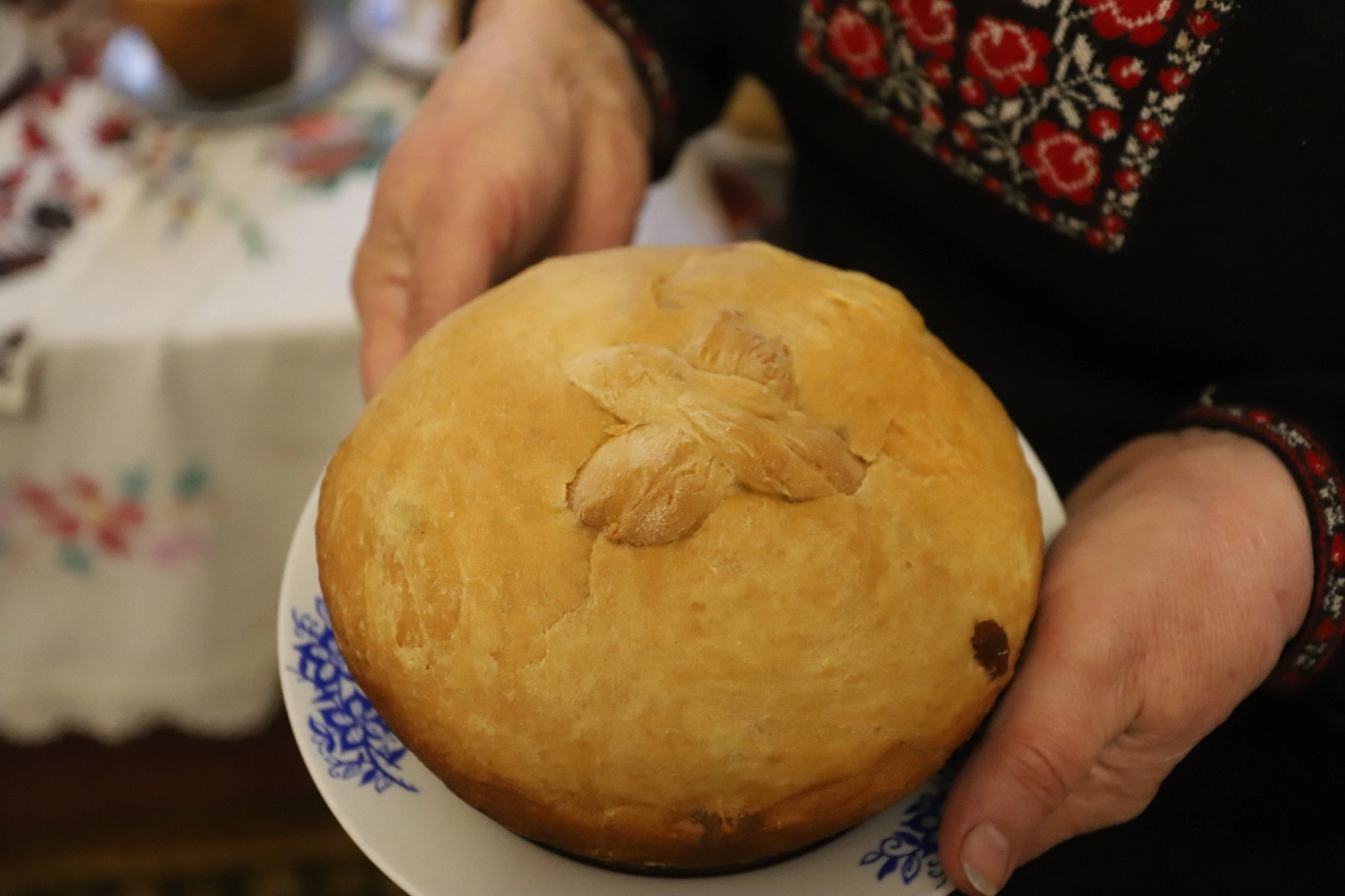
(Photo by Sergii Kostezh / Kyiv Post)
This is how Yuliia Yarosh from the ancient village of Velyka Vis in the north of the country does it.
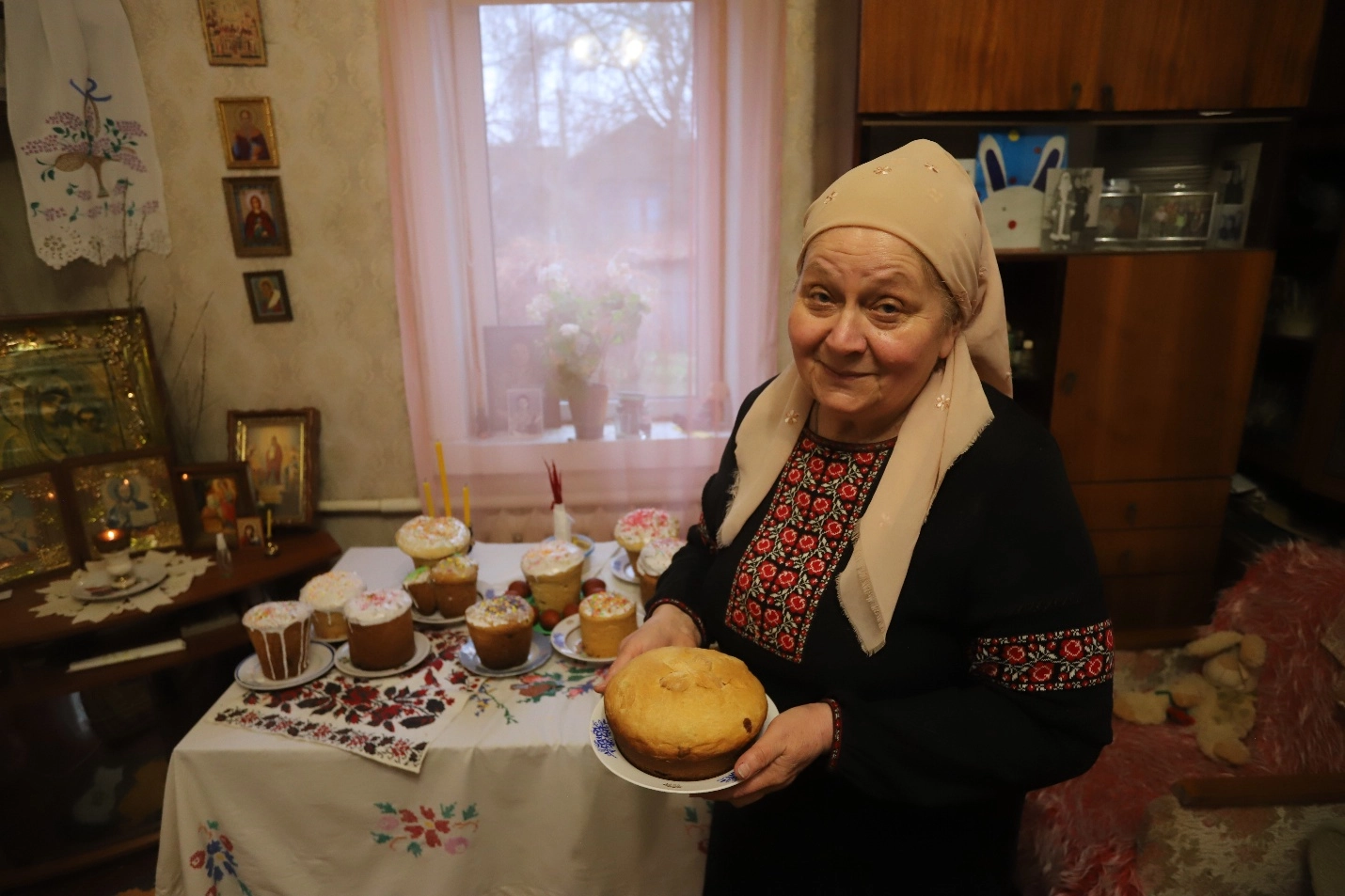
(Photo by Sergii Kostezh / Kyiv Post)
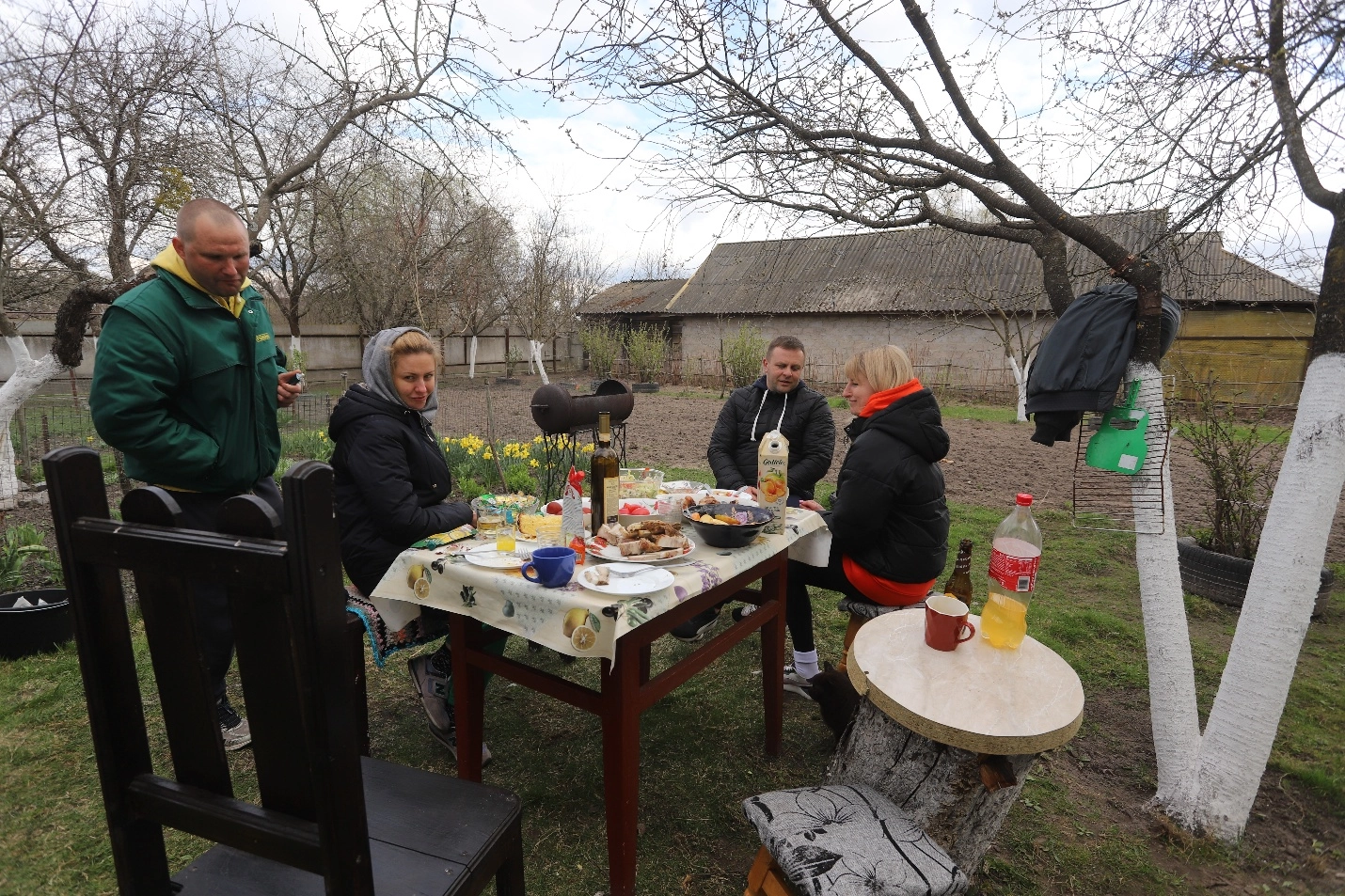
During the holidays, a lot of meat is always cooked – homemade sausages, roast pork, even shashlik (shish-kebabs). Relatives, usually children, come to visit their elders. As in the yard of Tetiana Hrybovska from the village of Nedanchychi on the border of Ukraine and Belarus.
(Photo by Sergii Kostezh / Kyiv Post)
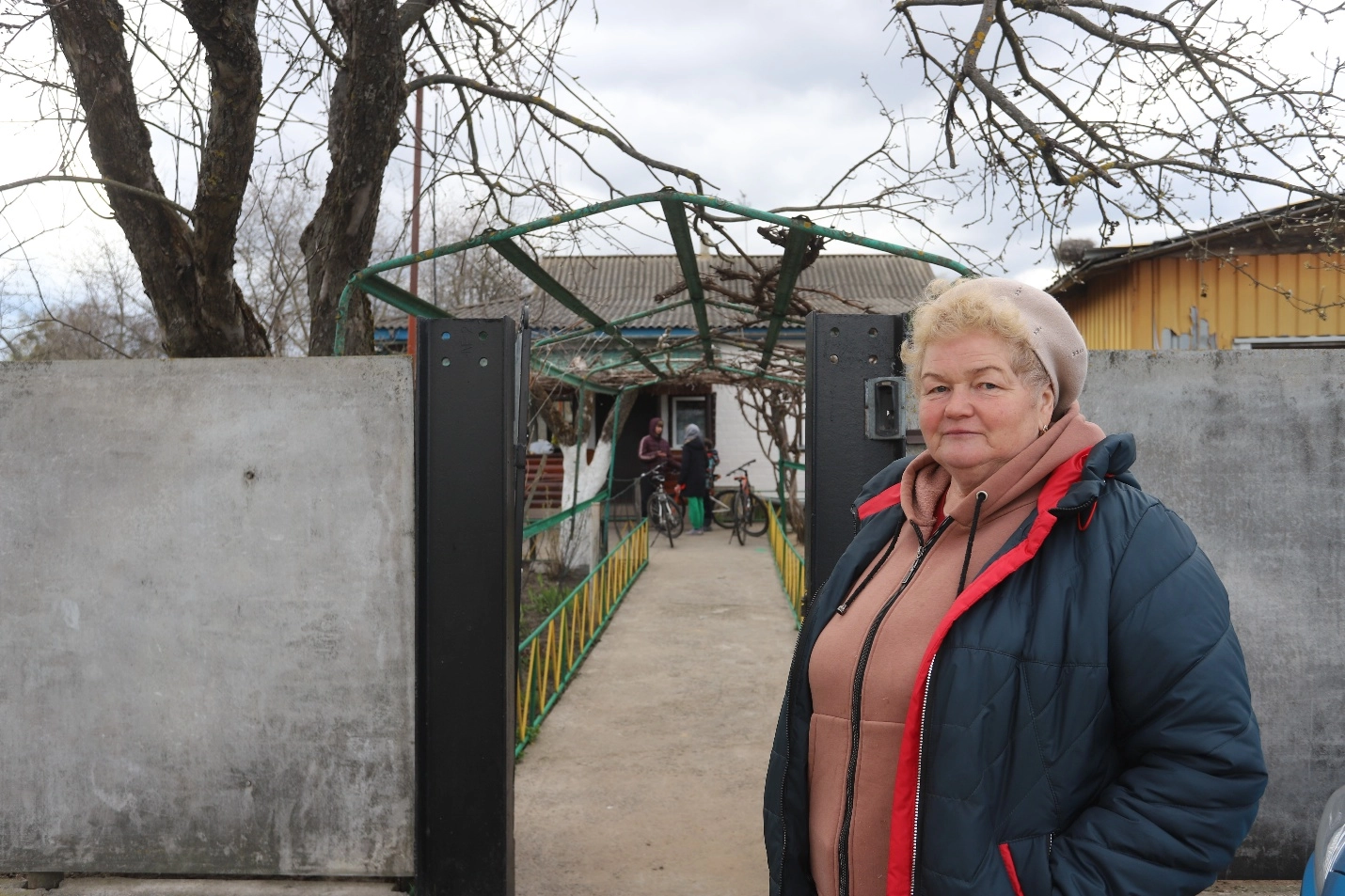
It is also common to clean your yard and house – as Mrs. Hrybovska did. It’s a symbol of ending the winter and a new period of life starting in the spring.
(Photo by Sergii Kostezh / Kyiv Post)
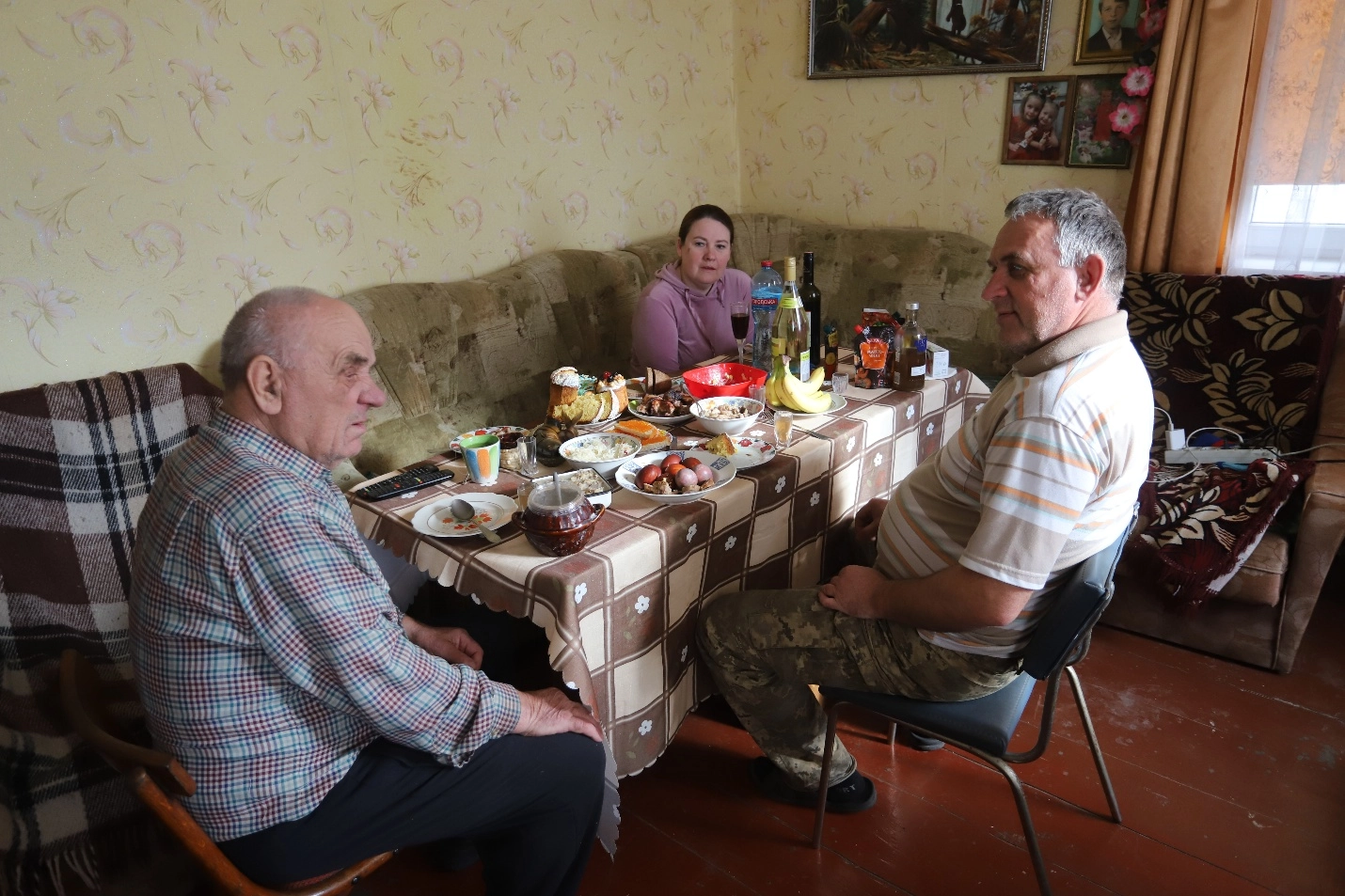
Going from house to house, giving out your paska and tasting others’ – and treating each other to homemade compote and domestic vodka – is generally a standard way of celebrating. It’s a good excuse to drop in on the neighbors.
(Photo by Sergii Kostezh / Kyiv Post)
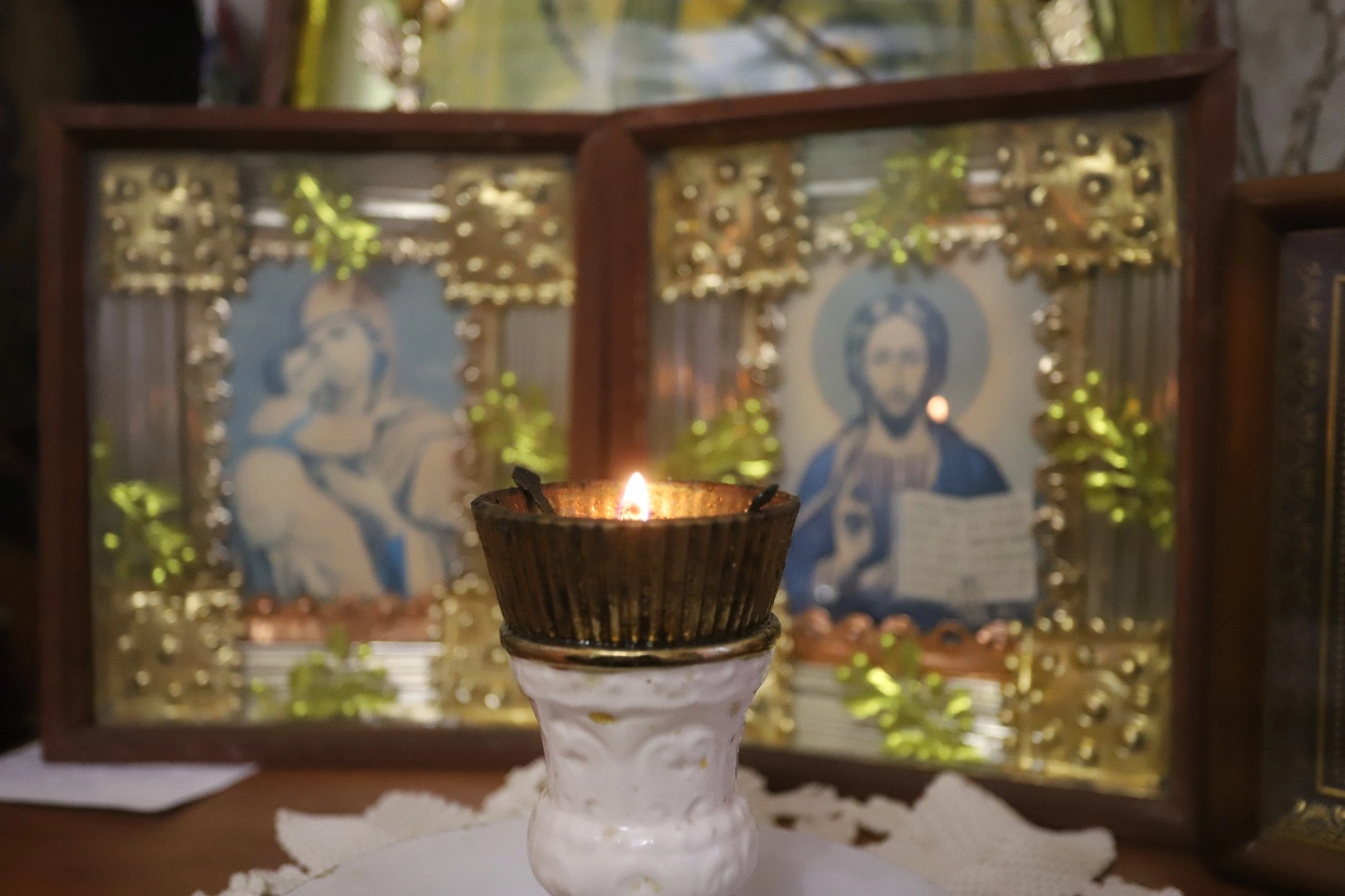
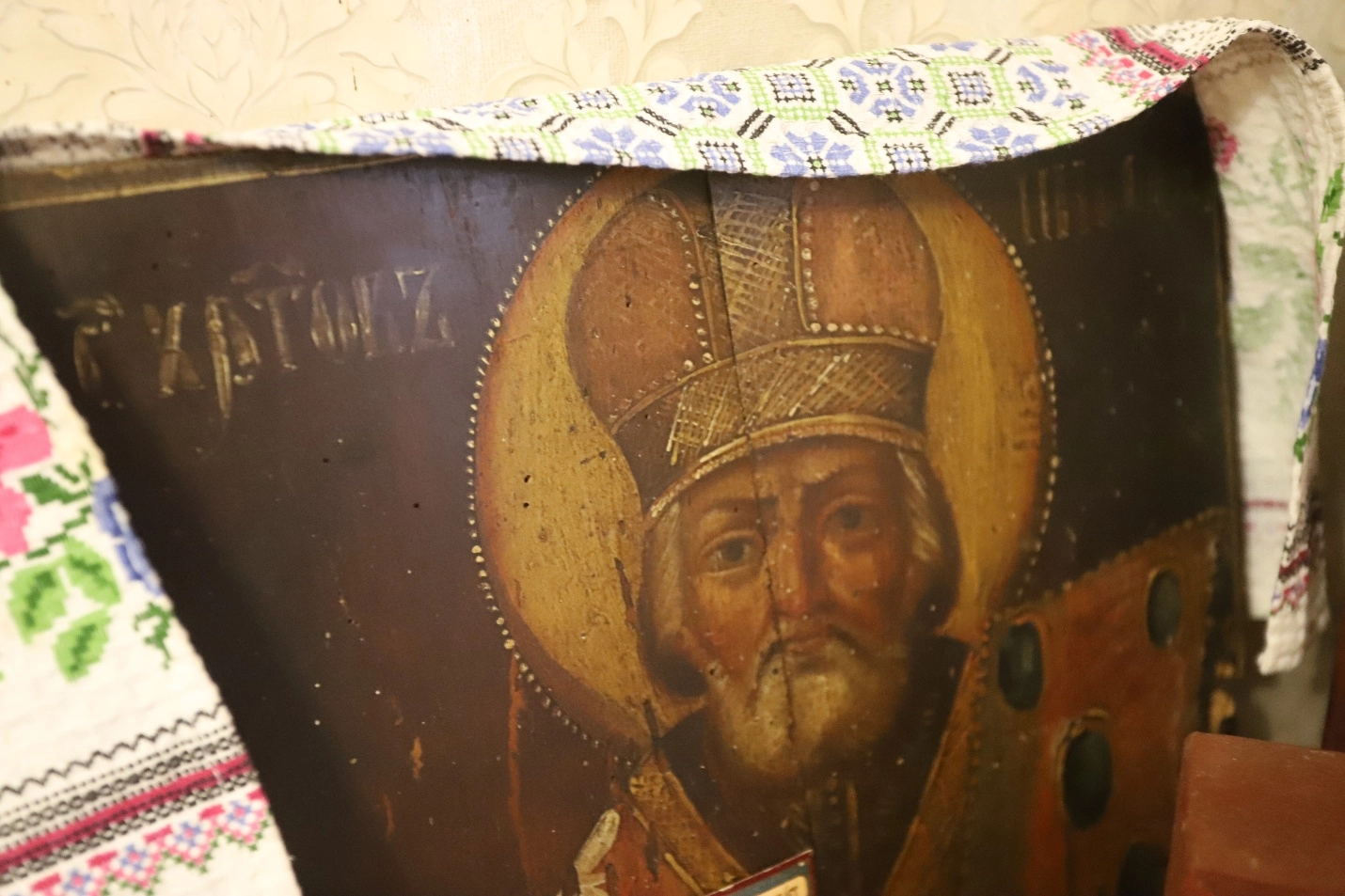
Oil lamps are lit by the icons, which stand in the corner of every rural home,.
(Photo by Sergii Kostezh / Kyiv Post)
These are not only images of the Mother of God and Jesus Christ, but also an icon of the family’s patron saint, usually named after the saint whose name matches that of the head of the family. In Yuliia Yarosh’s home, this is Saint Nicholas. This icon has been passed down from generation to generation for the past 120 years. She will also pass it on to her children.
(Photo by Sergii Kostezh / Kyiv Post)