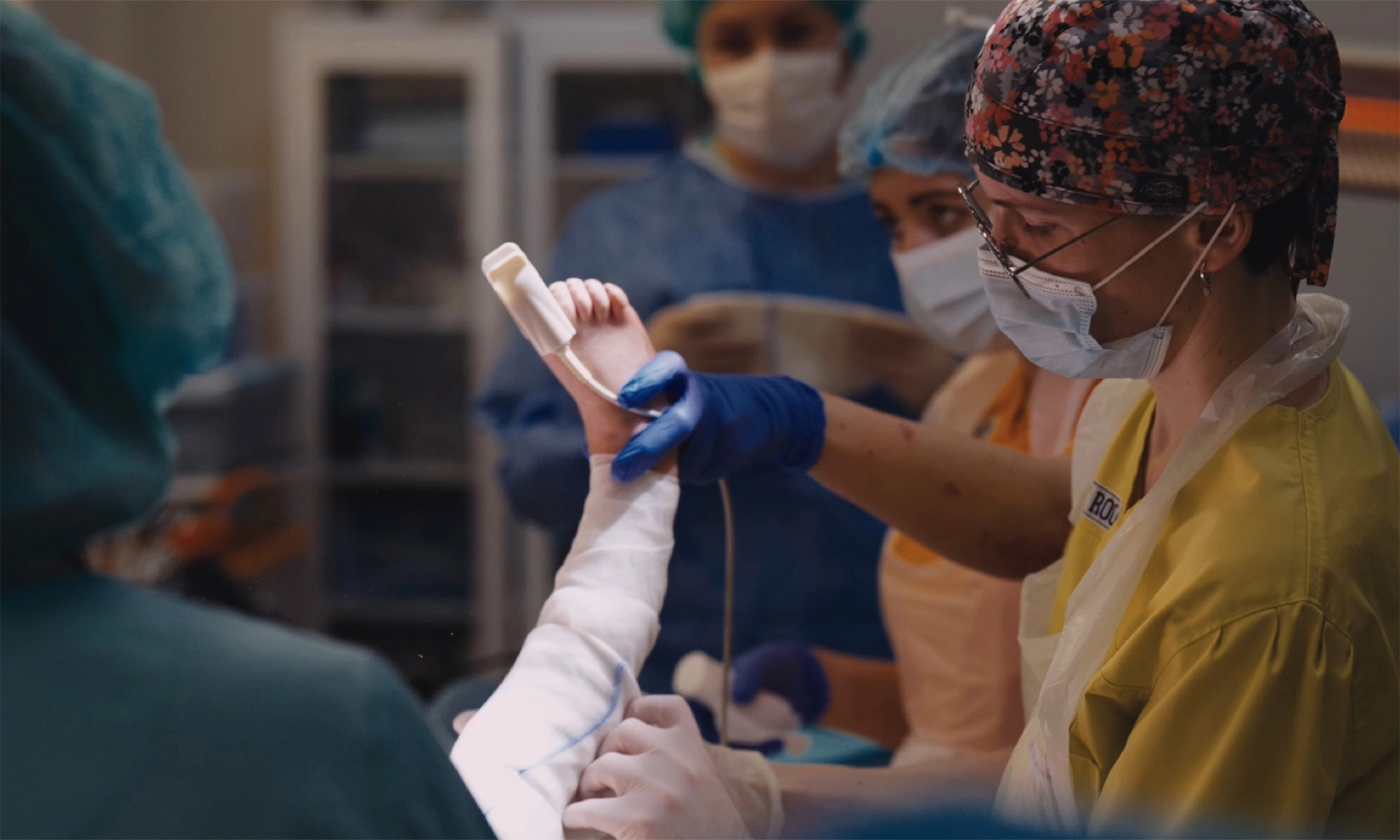
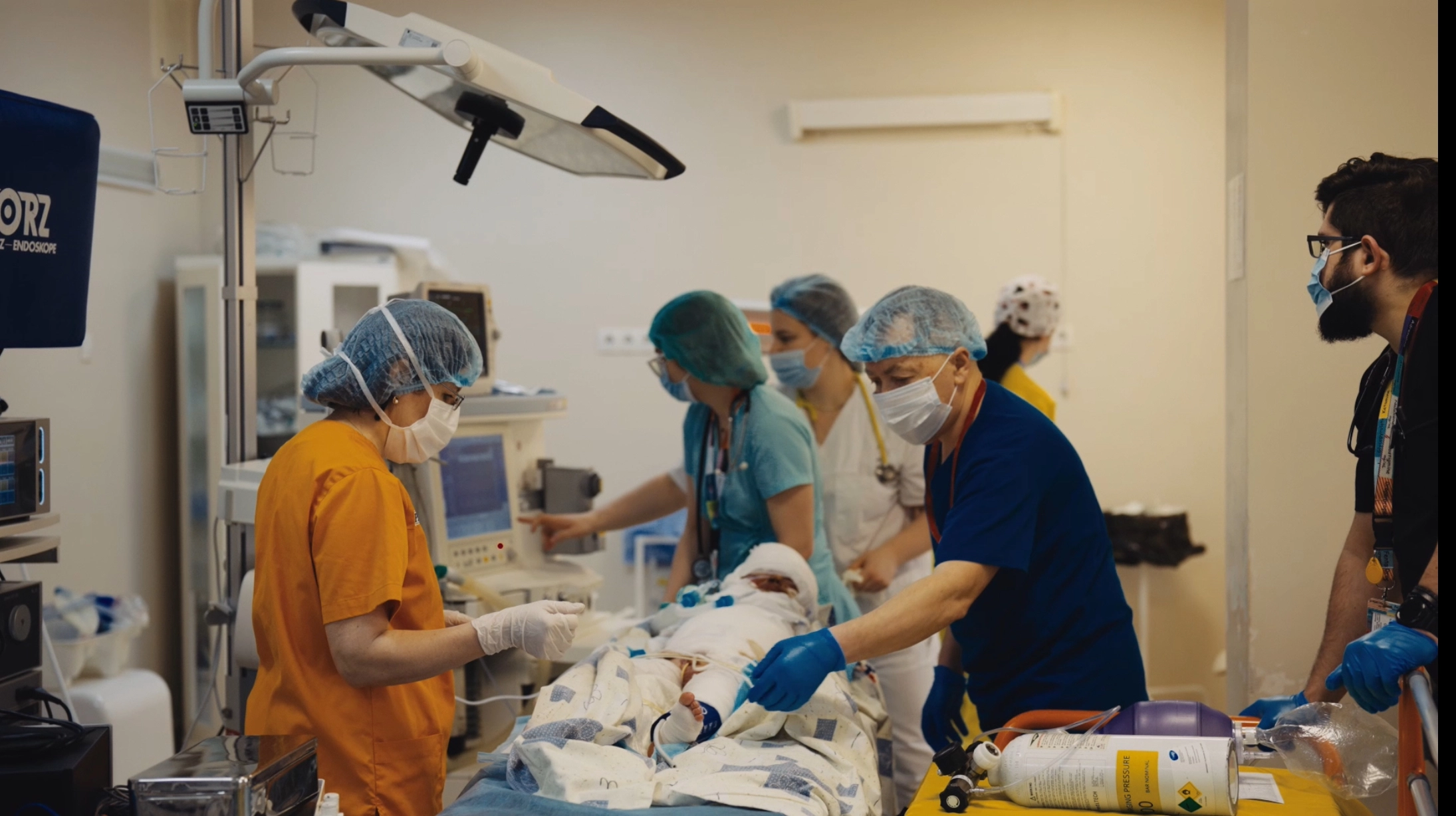
When 2-year-old Anichka suffered severe burns in a household accident in Lviv, doctors feared they would have to amputate her legs. But thanks to an innovative synthetic skin treatment—made available through international aid—they managed to save them. Her story is just one example of how a new partnership with the people of Taiwan is quietly reshaping Ukraine’s capacity to treat one of the war’s most devastating categories of injuries.
Burn injuries—once primarily domestic accidents—have surged in Ukraine due to the war, accounting for more than 35% of all burn cases in 2023. With over 10,000 severe cases reported annually and 80% of burn units operating with outdated equipment, the country faces a dual challenge: saving lives today and rebuilding a system capable of long-term care.
JOIN US ON TELEGRAM
Follow our coverage of the war on the @Kyivpost_official.
In response, a partner-backed initiative supported by Taiwan known as the Burn Care Alliance (BCA) is providing targeted support: about $1.9 million investment in medical training, technology, and materials aimed at elevating burn care across Ukraine. As a result, doctors are now performing complex surgeries with modern tools, hospitals are gaining access to synthetic skin for the first time, and entire burn units are being re-equipped.
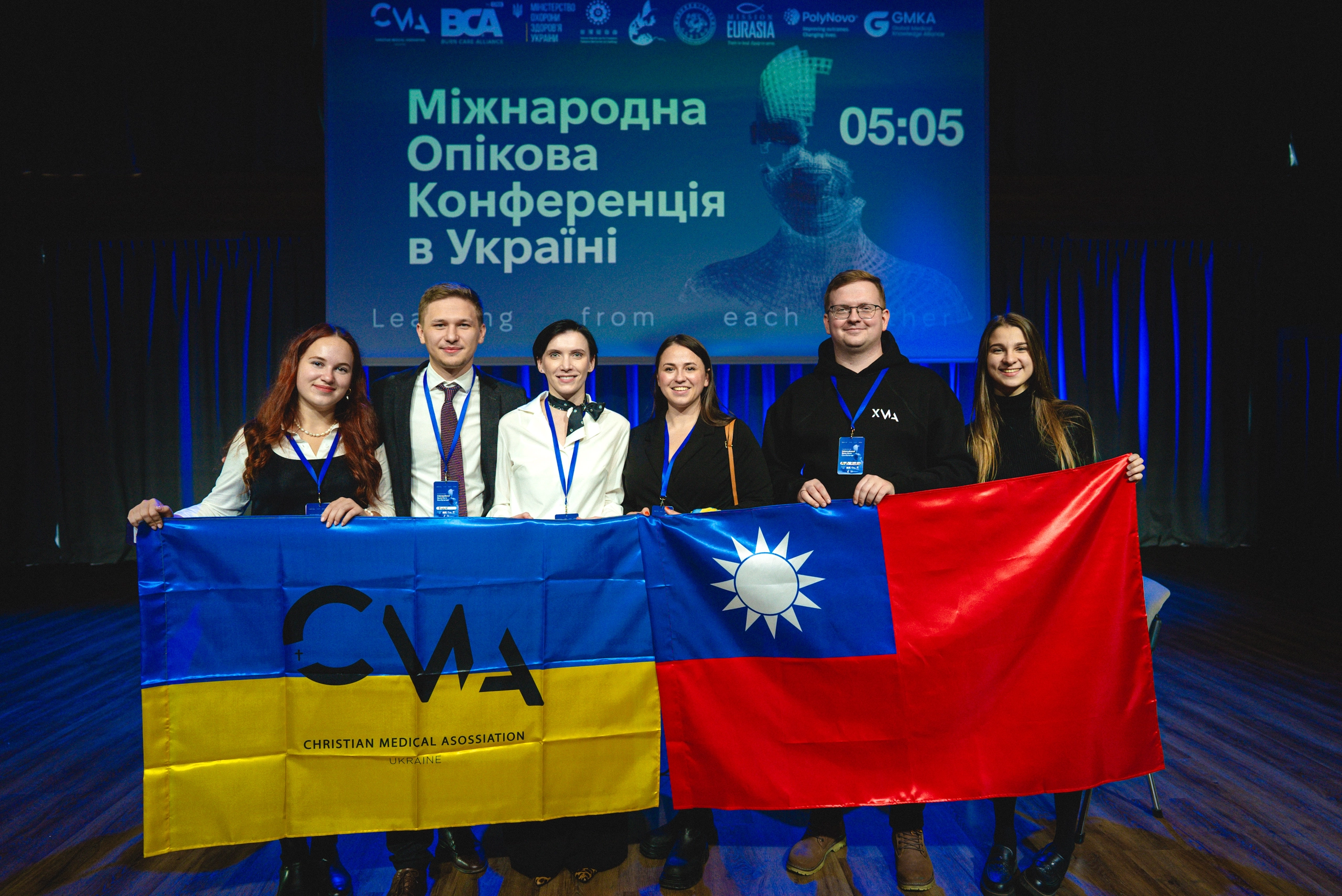
Amid a war that continues to stretch Ukraine’s healthcare system, this project demonstrates how strategic international assistance can go beyond temporary relief — and help rebuild systems that will endure.
Training doctors to meet a wartime challenge
One of the core pillars of the Burn Care Alliance is professional development. In 2024, fourteen Ukrainian surgeons and burn care specialists were selected for international training programs in two leading medical institutions: Harvard Medical School in Boston and the Taiwan International Health Training Center (TIHTC) in Taipei.
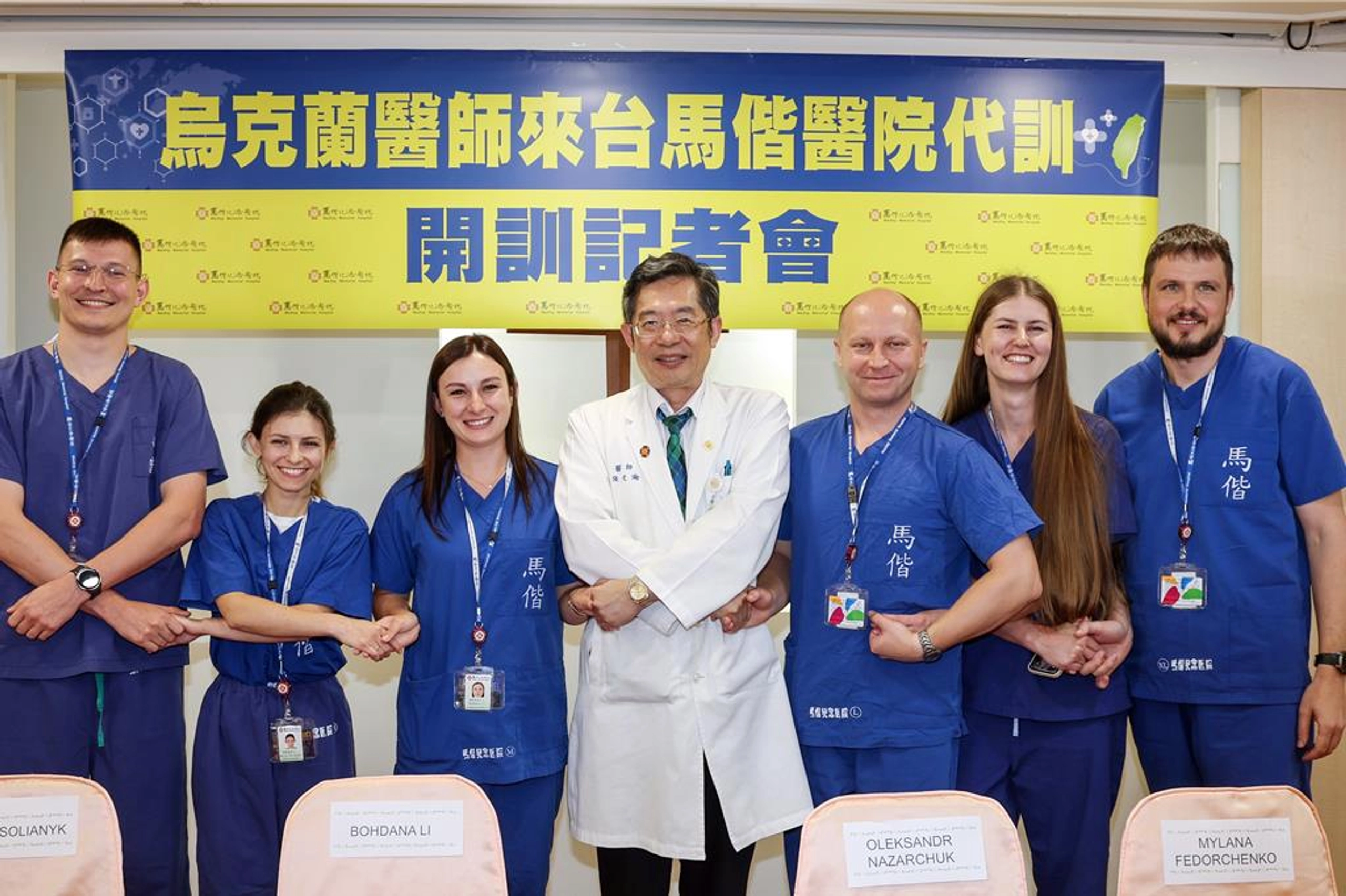
These doctors had the opportunity to study advanced techniques in trauma response, wound management, surgical reconstruction, and rehabilitation. According to the project’s coordinators, the knowledge gained abroad is already being applied at home. Ukrainian burn units have begun implementing modern treatment protocols and sharing those practices through national workshops and online platforms.
In addition to internships, the BCA, developed a unique online course tailored specifically for Ukrainian rehabilitation specialists and surgeons. This course makes world-class expertise accessible to doctors in frontline hospitals and remote regions.
Synthetic skin, modern equipment, real results
For many Ukrainian burn patients, access to synthetic skin — a biomedical innovation used to cover and regenerate damaged tissue — was unheard of before the war. Now, thanks to Taiwan through the Burn Care Alliance project, this material, known as BTM (Biodegradable Temporizing Matrix), is being used in operating rooms across the country.
The numbers are telling. The use of BTM has increased by 300% since the project began. In practical terms, this means fewer amputations, shorter recovery times, and a significantly higher quality of life for survivors.
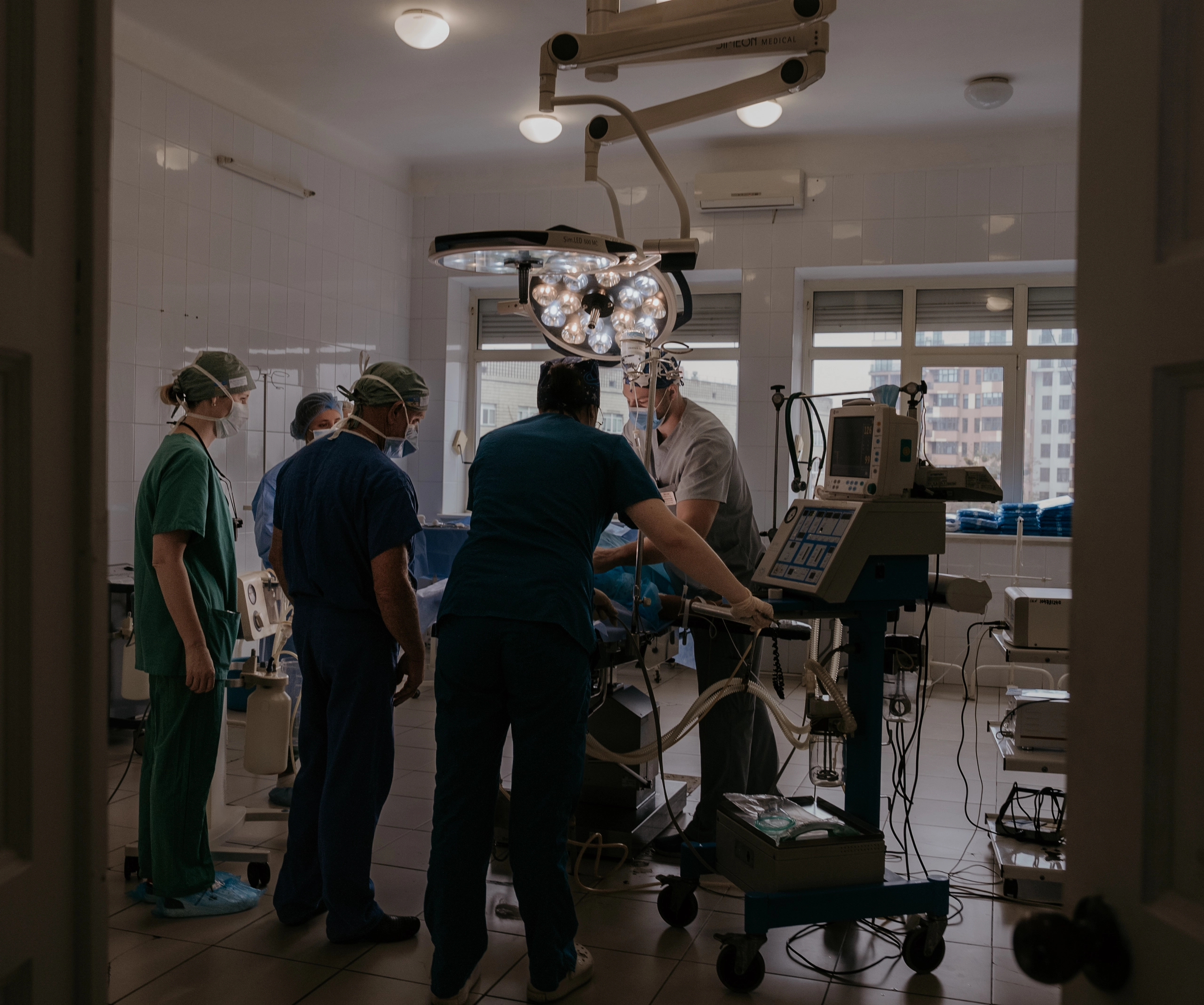
Alongside these materials, participating hospitals are receiving essential equipment for surgery, intensive care, and patient monitoring. The goal, according to the project’s leadership, is to transform six regional burn centers into modern hubs capable of treating the most complex injuries.
“Before this program, many of our interventions were limited by what we had—not what was medically best,” said one burn unit director in Vinnytsia. “Now we can treat burns like our colleagues in Europe or the U.S.”
Humanitarian partnership
Partners in Taiwan have played a distinctive role in this initiative.
Support from the people of Taiwan has grown steadily since the beginning of Russia’s full-scale invasion, with donations of humanitarian aid, ambulances, and medical equipment. The Burn Care Alliance marks its first targeted investment in a specific medical field — a move that underscores Taiwan’s commitment to supporting post-war resilience.
“Our contribution to Ukraine’s burn care system is grounded in shared values and a belief in human dignity,” said Corina Hu, Acting Representative of the Taipei Representative Office in Poland. “We’re proud to support a project that not only treats wounds, but builds capacity for the future.”
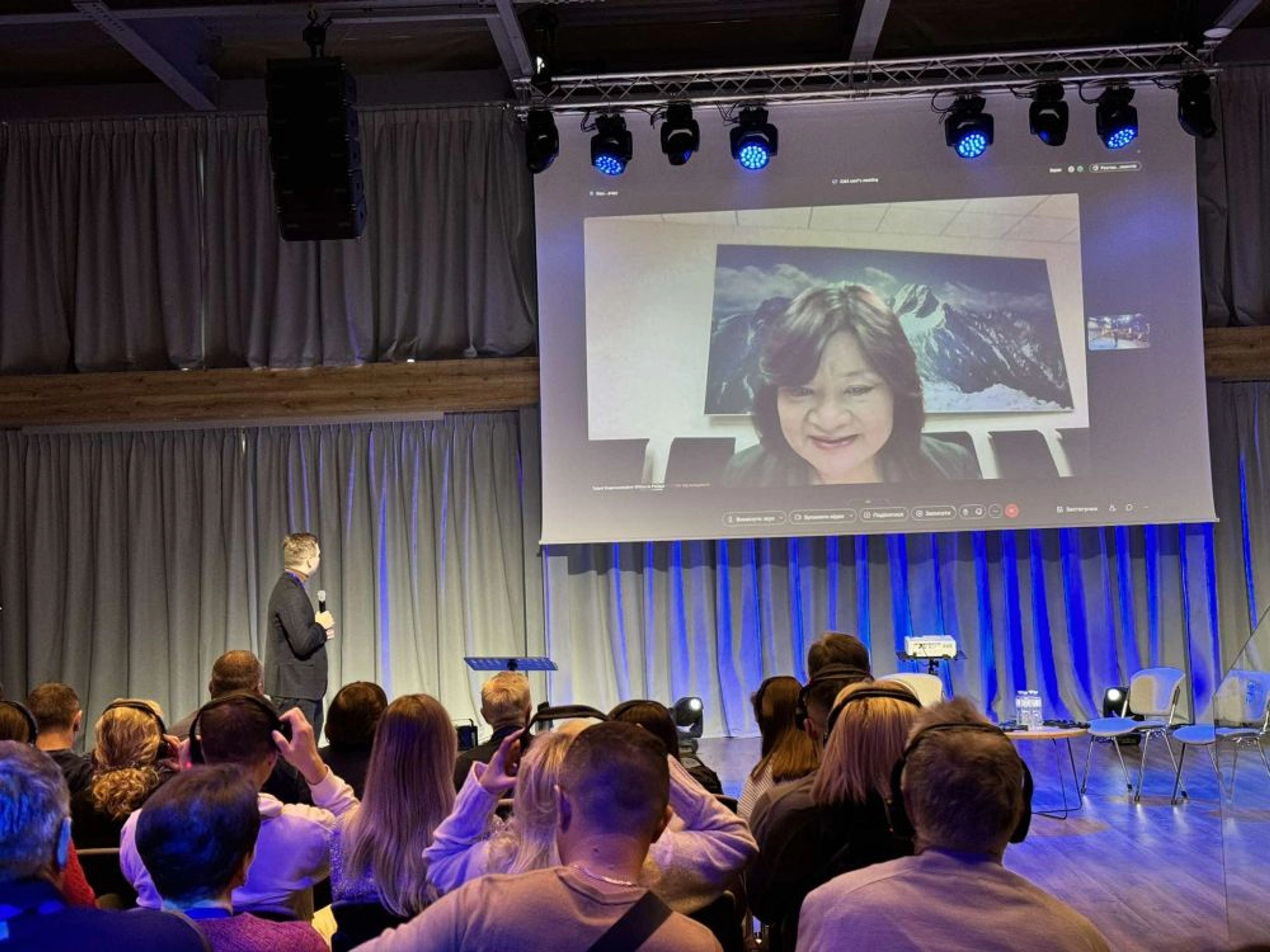
The project is being implemented in coordination with Ukraine’s Ministry of Health, ensuring alignment with national healthcare priorities. The Christian Medical Association of Ukraine, the local NGO behind the initiative, has positioned itself as a bridge between global medical expertise and Ukrainian doctors on the ground.
Burn Care Alliance is a non-political, humanitarian initiative launched by the Christian Medical Association of Ukraine in partnership with Ukraine’s Ministry of Health and a range of international donors. Its aim is to modernize burn care in Ukraine and train specialists using global best practices. The first phase of the project has been made possible thanks to support from people of Taiwan
An open call for collaboration
The organizers of the Burn Care Alliance are clear: the Taiwanese grant was the catalyst, but it is only the beginning. The needs remain vast — from equipping more hospitals to expanding rehabilitation programs and training burn care teams nationwide.
Ukraine’s partners in the EU, North America, and Asia are being encouraged to support the next phase of this effort. Whether through financial contributions, medical supplies, or clinical training, the infrastructure is in place — what’s needed now is scale.
“This is not just about responding to war injuries,” says the BCA’s leadership. “It’s about building a new standard of care in Ukraine, and setting an example for how international solidarity can work in practice.”
From one patient in Lviv to thousands across the country, burn care in Ukraine is transforming - not by accident, but through strategic, focused partnerships. Partners in Taiwan were among the first to respond. Who will join next?
You can also highlight the text and press Ctrl + Enter

Russia Hit by 660-Drone Overnight Barrage Targeting Moscow, Crimea and Key Military Sites