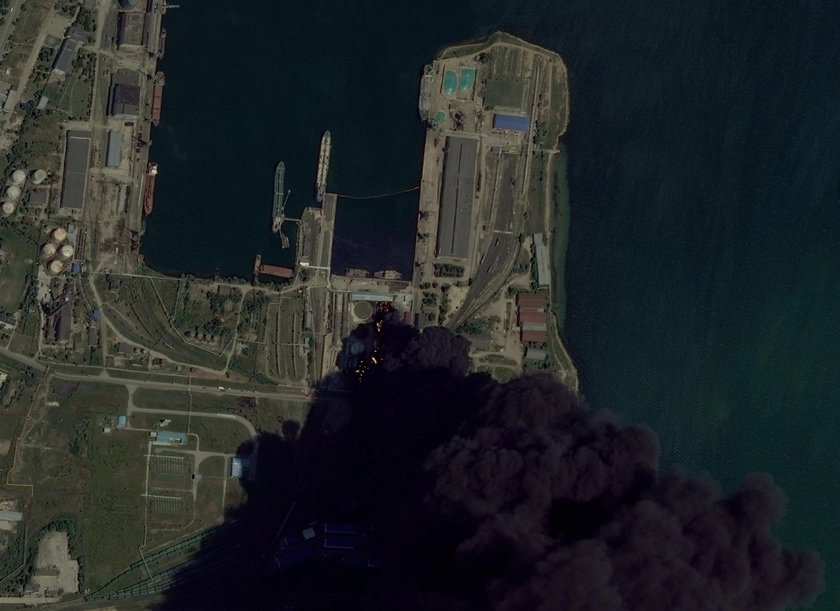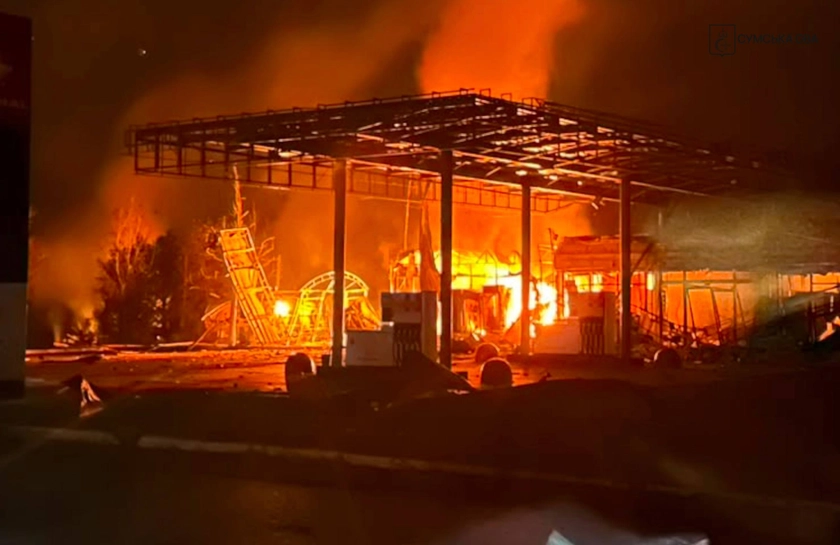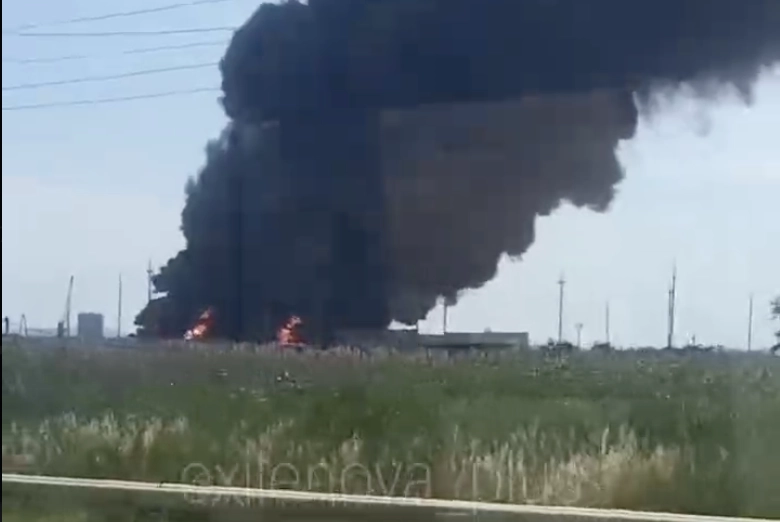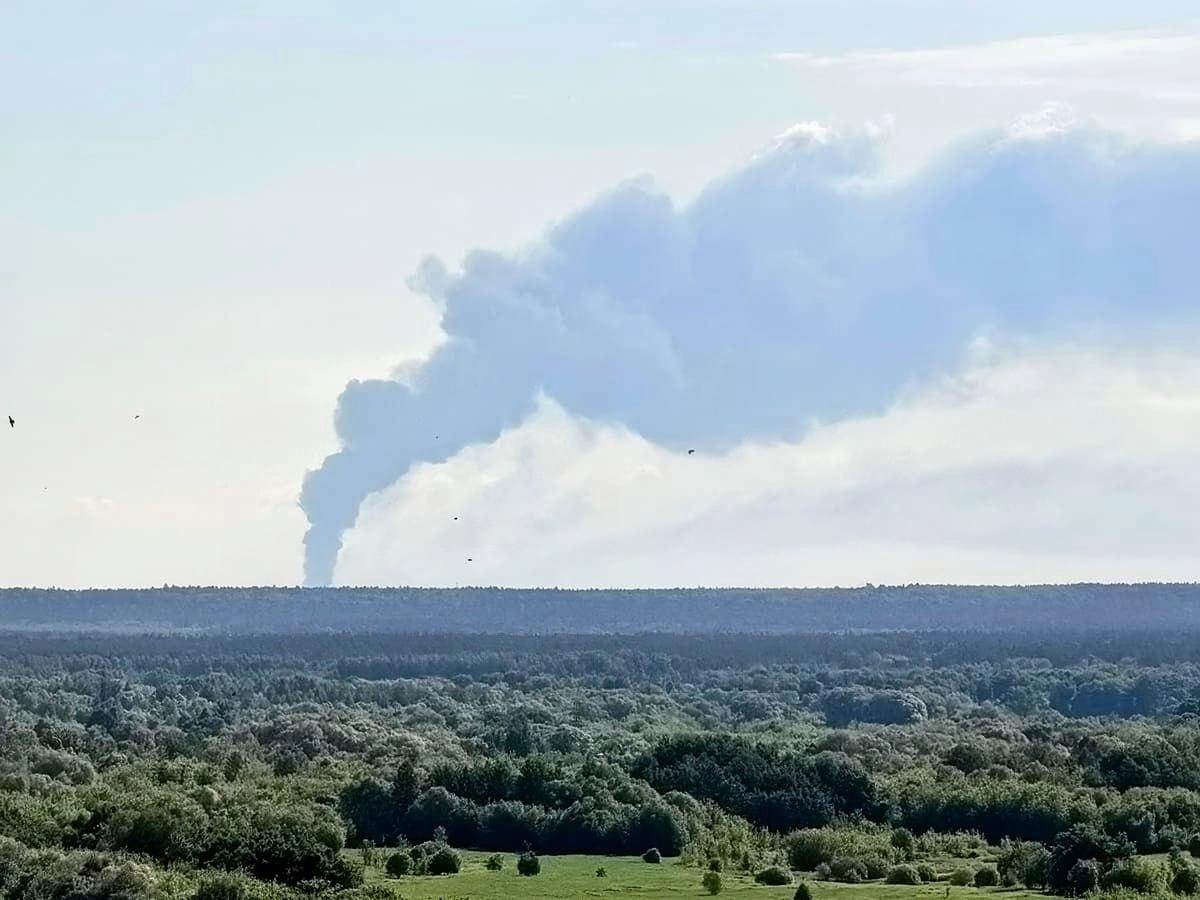
Ukrainian drones successfully struck a key oil pumping station in Russia’s Vladimir region that supplies fuel to Moscow, marking the second attack on the facility within a month, Security Service of Ukraine (SBU) reported.
According t SBU, its “Alpha” Special Operations Center carried out the strike against the “Vtorovo” linear production and dispatch station. According to preliminary information, the drones hit the facility’s technical buildings, triggering subsequent detonations. The station was previously targeted on June 10.
JOIN US ON TELEGRAM
Follow our coverage of the war on the @Kyivpost_official.
The “Vtorovo” station, operated by JSC Transneft-Upper Volga, serves as a critical logistics node for transferring refined petroleum products to both domestic consumers and export terminals.
The facility pumps diesel fuel to the Moscow Ring Oil Product Pipeline, which supplies major oil depots surrounding the Russian capital. It also facilitates the export of petroleum products through ports on the Baltic Sea.
40-day strategic operation
The SBU noted that the strike was conducted as part of a 40-day operation approved by President Volodymyr Zelensky aimed at exerting pressure on Russia.
On Thursday, Zelensky announced the launch of the strategic campaign, stating it was designed to pressure Moscow toward ending the war. The decision followed a briefing by Maj. Gen. Yevhen Khmara regarding Ukraine’s mid-range and long-range strike capabilities and recent operations by the SBU’s “Alpha” center.

What Putin Wants From Lukashenko After Secretive Valdai Talks
The strike in the Vladimir region follows other recent actions under the same 40-day operational framework. The SBU previously reported that its drones targeted Russian military support vessels and an S-400 air defense system in occupied Crimea. Friday’s operations in Kerch targeted the Zaliv shipyard, causing fires aboard two Project 15310 cable-laying ships, the Volga and Vyatka, as well as the passenger and cargo ferry Petropavlovsk.
Ukrainian intelligence stated that the cable-laying vessels were intended to deploy the Harmony underwater acoustic surveillance system for submarine reconnaissance and could also be used to lay non-contact naval mines. The broader campaign aims to degrade Russian air defenses and damage logistical infrastructure to weaken Russia’s ability to sustain its forces.
You can also highlight the text and press Ctrl + Enter