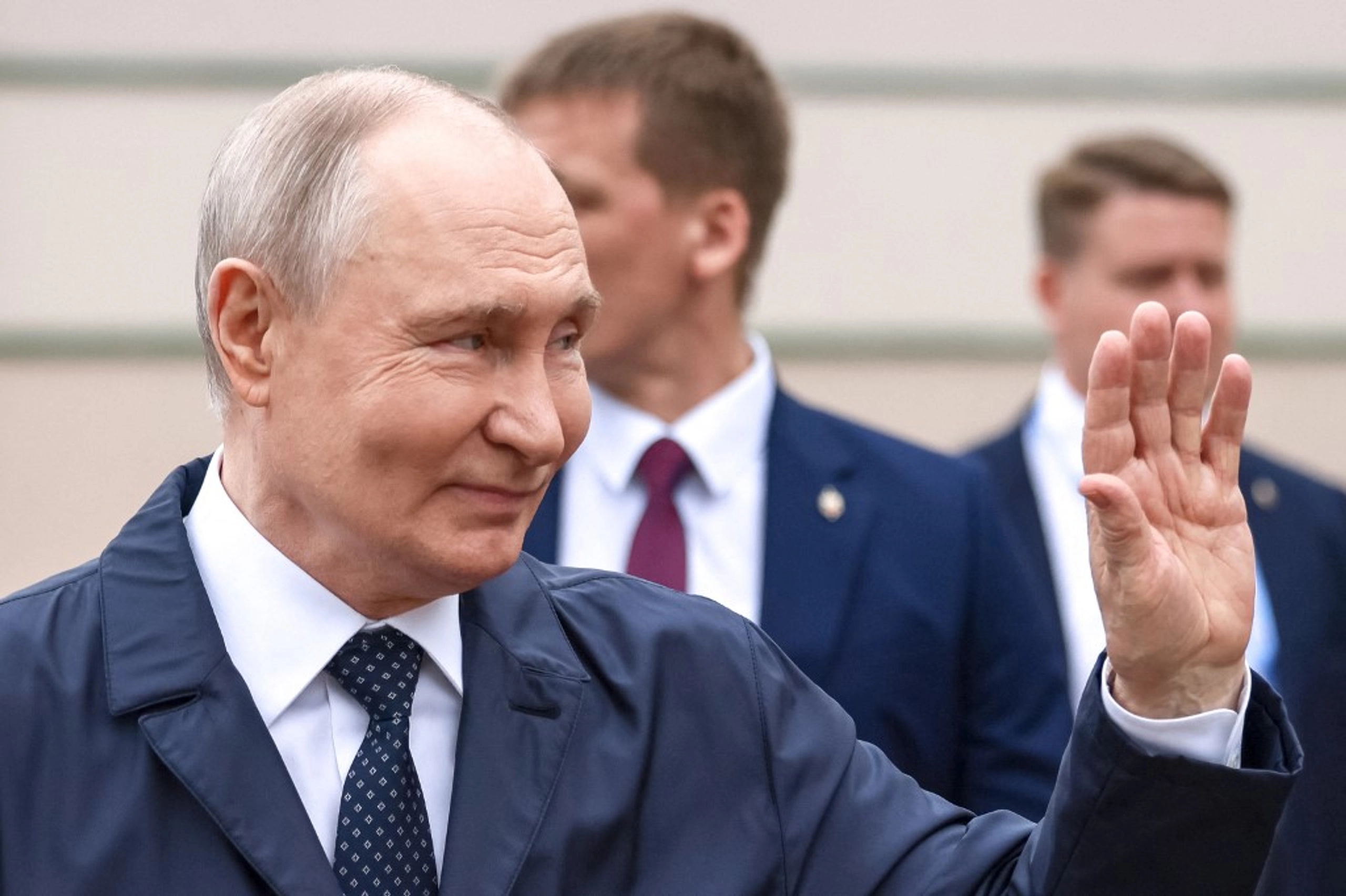
Military defeat is a deadly trial for any dictatorship. Mussolini was voted out by his own Grand Council and arrested on July 25, 1943. In Germany, the same reckoning was postponed by almost two years. Everyone paid for that delay in blood. The pattern is that the system saves itself and sacrifices the leader when he becomes too expensive.
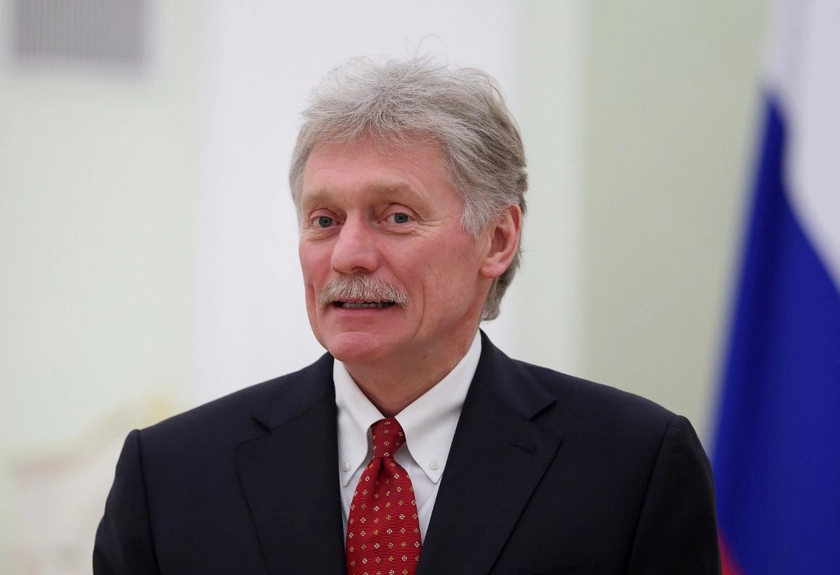
This logic is now closing in on Vladimir Putin.
JOIN US ON TELEGRAM
Follow our coverage of the war on the @Kyivpost_official.
He did not design the Chekist regime that rules Russia today. He was its most successful product and its most convenient instrument. A minor KGB officer who never rose above lieutenant colonel, he was standard working material. He grew up in a Leningrad courtyard, in a world of petty criminals, fists, and humiliation. That background gave him what the refined security elites of the 1990s lacked: a natural feel for the darkest layers of the Soviet psyche, for resentment, grievance, and imperial nostalgia in the Russian street.
His curators used this gift. They could not foresee the other one. For more than 20 years, he played Western leaders as familiar characters from his childhood: rich, self-satisfied boys from good families, sure they were smarter than the street kid. He spun them patiently and outlasted them all. That skill made him valuable. His failed war has made him expendable.
The Chekist corporation has one instinct that overrides all others: survival. For a long time, Putin’s survival and the system’s survival coincided. That is no longer true. The war is stuck. The costs grow. The prestige of the leader shrinks. Inside any such system, a simple consideration starts to dominate: With him we die, without him we may at least have a story about a betrayed victory.
Usyk Says Vacating Heavyweight World Title Belts
We see the first draft of that story already. It comes from inside the regime’s own media machine. Russian war Z-bloggers, the Telegram frontline correspondents with hundreds of thousands of subscribers, have changed their tone in recent months. They no longer praise the Supreme Commander. They attack unnamed “authorities” for indecision and cowardice. They demand strikes on “decision-making centers” in Europe and read long target lists on air: logistics hubs in Poland, military plants in Scandinavia, command centers in the Baltic states.
This is now echoed in respectable circles. Sergey Karaganov, veteran Kremlin ideologue, wrote calmly about “limited nuclear strikes” on Europe to break Western will. Vladimir Solovyov names European capitals on his nightly show and talks about wiping them off the map. The audience is being told two things simultaneously: we must hit the real enemies, and someone among the authorities is too weak to do it.
What follows is open conflict with NATO and a very short personal future for Putin. He is not a kamikaze. He will not press this button.
There are only two exits from such a narrative.
In the first, Putin obeys his own chorus and orders real strikes on NATO logistics or military infrastructure. A serious hit would test Article 5, split Western capitals and likely slow arms deliveries to Kyiv. Putin knows this. He also knows what follows: open conflict with NATO and a very short personal future. He is not a kamikaze. He will not press this button.
In the second, more realistic variant, the corporation answers its own question. The war cannot be won with this leader. He is becoming a danger to the system. He must go before he drags everyone down. This will look less like a spy-novel putsch and more like Italy in 1943: the same elite that made him suddenly discovers he is personally responsible for every failure.
The outlines of the post-Putin script are visible. The new figurehead, whether a managed technocrat like Andrei Belousov or a hereditary silovik like Dmitry Patrushev, inherits the system while shedding its damaged symbol. The story writes itself. The operation against Ukraine “was right and historic.” The goals remain. The problem was not the idea but the execution. Under Putin, the General Staff stole, lied, and sabotaged. Gerasimov and several accomplices are arrested. Putin retires for health reasons.
The new man goes on television:
“We do not remove from the agenda the tasks of demilitarization and denazification of the former Soviet space and of Europe as a whole. The former president was not removed because he began the special military operation. He was removed because he could not complete it. A criminal system of theft and incompetence in the army has inflicted heavy damage on our armed forces. To restore the combat readiness required by our historic mission, we need a temporary operational pause. Therefore, I have taken the difficult decision to order a ceasefire along the entire line of contact from 00:00 tomorrow.”
Read these words as they will be heard in Moscow, not in Brussels. This is not peace. It is a reload. The system sacrifices some compromised figures, saves itself, buys time, and rebuilds its forces and production lines.
If the West greets such a speech as a diplomatic breakthrough, it will repeat the mistake of 2014, only on a larger scale: trading real security for the illusion of normalization with a regime that openly tells its own people the mission did not change, only the manager did.
This scenario will not necessarily happen exactly as written. What is certain is that it is now a rational option for the Russian ruling corporation, and its probability is growing. The corporation was built precisely to survive leaders like Putin.
Western debate still revolves around the wrong question: How to talk to Putin? The right question is different: What will we do when a tougher successor arrives with a ceasefire that is, in fact, a preparation for the next round? Will we have used the time to arm Ukraine, harden Europe, and remove our own illusions about this regime? Or will we again let a tired dictator leave the stage and greet the next one as a chance for a new beginning?
Those are not questions for Moscow. They are questions for Washington, Berlin, and Brussels.
The views expressed in this opinion article are the author’s and not necessarily those of Kyiv Post.
You can also highlight the text and press Ctrl + Enter

Attack on Moscow Oil Refinery: Putin Under Pressure?