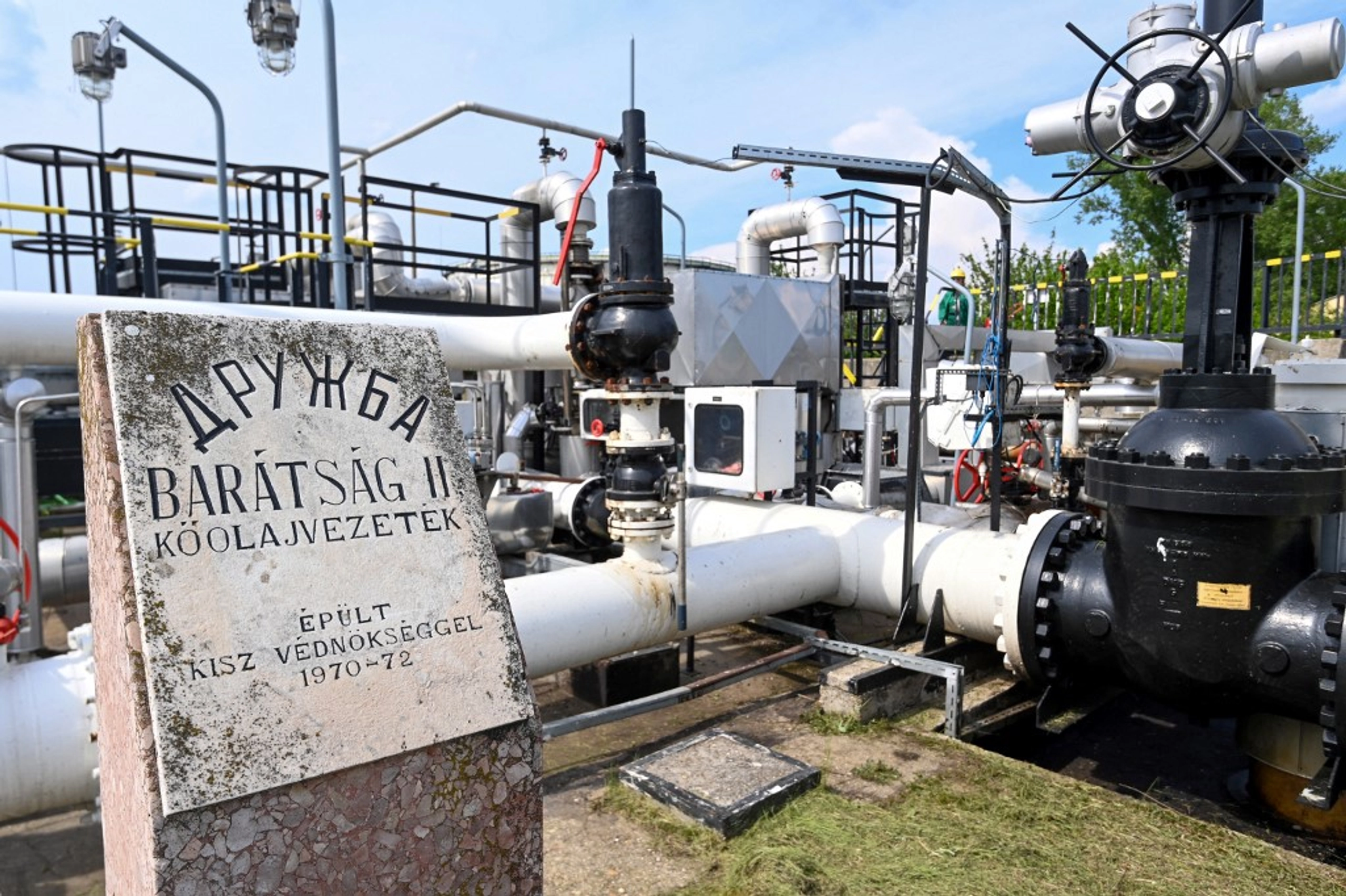
European Union and European Commission officials want to send their own inspection team to Ukraine to check the damaged Druzhba oil pipeline, according to the Financial Times, marking a new stage in a dispute that has been building for weeks.
Oil exports through the pipeline—which carries Russian crude through Ukraine to Central Europe—have been halted since January 27 after Ukraine said its section was damaged in a Russian attack.
JOIN US ON TELEGRAM
Follow our coverage of the war on the @Kyivpost_official.
Hungary and Slovakia, still reliant on Russian oil, accuse Kyiv of slowing repairs on purpose to gain political leverage.
The Financial Times reported that several EU and European Commission officials now say they want access to the pipeline to verify the scale of the damage.
The newspaper quoted five EU diplomats and officials as saying that some pro‑Ukraine governments in the bloc are pressing Kyiv to allow a visit.
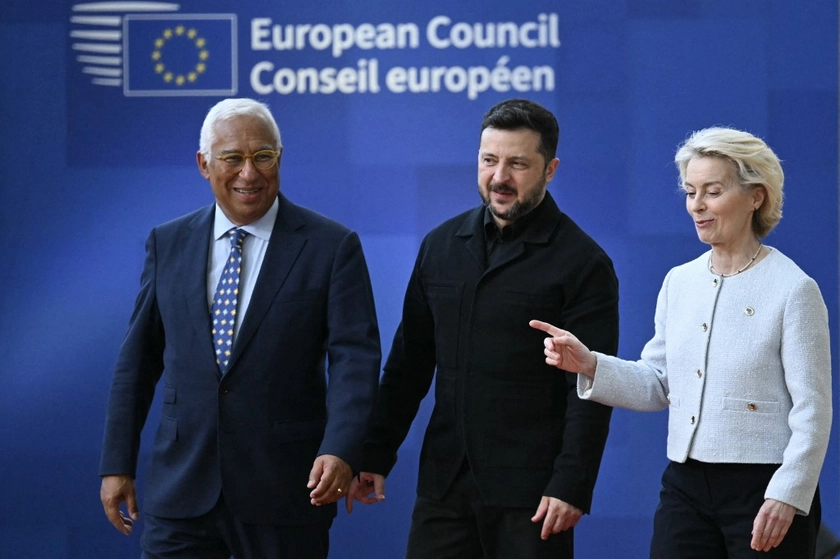
The FT reported that European Commission President Ursula von der Leyen and European Council President António Costa asked Ukraine’s leadership during a recent trip to Kyiv for permission to inspect the site but were refused.
Tensions rising
The push from Brussels came at around the same time that Hungarian Prime Minister Viktor Orbán sent a letter to the head of the European Commission, urging the EU to enforce agreements that require Ukraine to allow Russian oil to transit through the Druzhba pipeline.
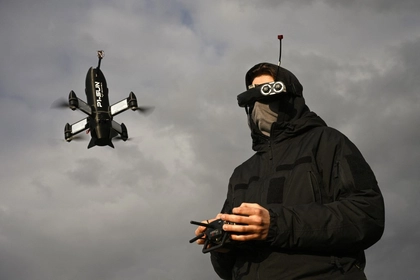
Ukrainian Defense Company SkyFall Secures Path to EU Funding
President @ZelenskyyUa issued an unacceptable response.
— Orbán Viktor (@PM_ViktorOrban) March 3, 2026
Thus, today I called on the President of the European Commission to enforce the agreements that oblige Ukraine to allow the transit of oil through the Friendship oil pipeline.
As long as President Zelenskyy does not return… pic.twitter.com/EVczEHE8O7
Hungary and Slovakia also requested a “fact‑finding mission,” but, according to Slovak Prime Minister Robert Fico, Ukraine turned them down. Fico said Kyiv also rejected a proposal to send a joint mission with EU officials.
On Monday, Orbán claimed he had satellite evidence showing Druzhba was not damaged enough to render it inoperable, and said he would maintain ‘‘countermeasures’’ until Ukraine restarts oil shipments.
AFTER A PHONE CALL WITH UKRAINIAN PRESIDENT V. ZELENSKY
— Robert Fico 🇸🇰 (@RobertFicoSVK) February 27, 2026
In connection with the state of the oil emergency in Slovakia, I spoke today by phone with the Ukrainian President Volodymyr Zelensky. I asked him for information on when, and whether at all, the transit of oil through the… pic.twitter.com/ZNS4BOzTqu
Repairs ‘take time’
Kyiv insists the damage is real. The FT quoted Sergii Koretskyi, head of Ukrainian state energy company Naftogaz, as saying the Russian strike set fire to a tank holding 75,000 cubic meters of oil and destroyed equipment including power cables, transformers and leak‑detection systems. He said a full assessment “takes time.”
Ukraine argues repairs are dangerous because the area is still under threat from Russian attacks and that it should not be expected to fix infrastructure used to deliver Russian oil to governments friendly to Moscow.
Earlier, Zelenskyy also debunked Orbán’s satellite image evidence, saying: “You can see the technical tanks from a satellite. One large tank is ruptured.”
He added: “You won’t see the control room from a satellite. Maybe Orbán is some kind of magician who managed to see the condition of the pipeline underground from space.”
What the European Commission says
According to the European Commission, the suspension of shipments is solely linked to damage caused by a Russian missile strike in January on the Ukrainian section of the pipeline.
Repair work continues amid frequent Russian attacks; however, “the decision is for Ukraine only, whether and when to repair it,” Anna-Kaisa Itkonen, a spokeswoman for the Commission, has said.
You can also highlight the text and press Ctrl + Enter

OPINION: Putin's Patsy
Hungary Blocks Ukraine, Moldova’s EU Membership Talks