Iran is an outlier. Its people are not Arabs like their neighbors and are descended from Aryan tribes. Its people are Muslims but not Sunni, as are 80% of believers. They are Shia and have been ruled since 1979 by Ayatollahs who impose a 7th-century theology.
Unlike other Muslim states, Iran’s government is not a democracy or monarchy, or autocracy, but a theocracy that imposes severe religious laws such as mandatory hijabs, child marriage, restrictions on social freedoms, and a ban on homosexuality.
JOIN US ON TELEGRAM
Follow our coverage of the war on the @Kyivpost_official.
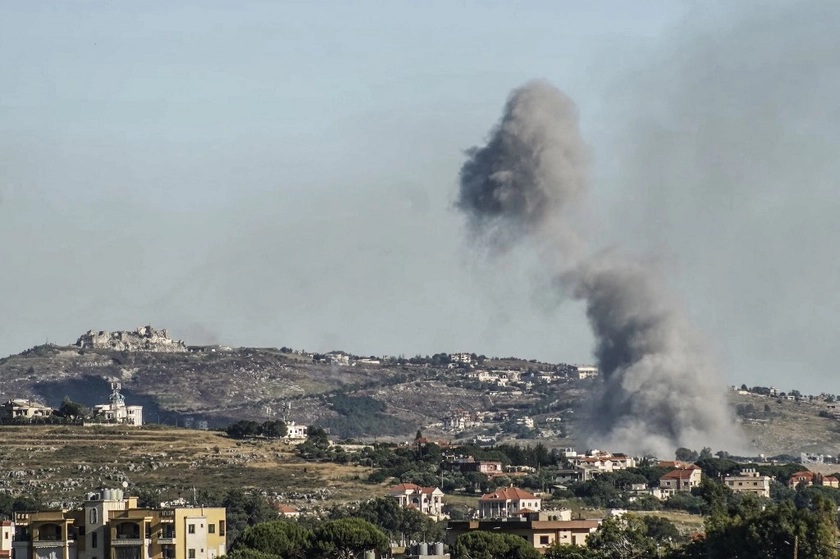
It vowed to destroy Israel and the United States, and created a terrorist network to do so across the region and beyond. In June, a joint Israeli-US air attack destroyed Iran’s burgeoning nuclear program. In recent days, the two decapitated the country’s leadership, killed its leader, Ayatollah Khamenei, and severely degraded its military and police.
“We’re winning,” boasted US Secretary of War Pete Hegseth.
Israel warned that Iran’s next religious leader “will be a target for assassination.” But the question is, what happens next in a region of forever wars?
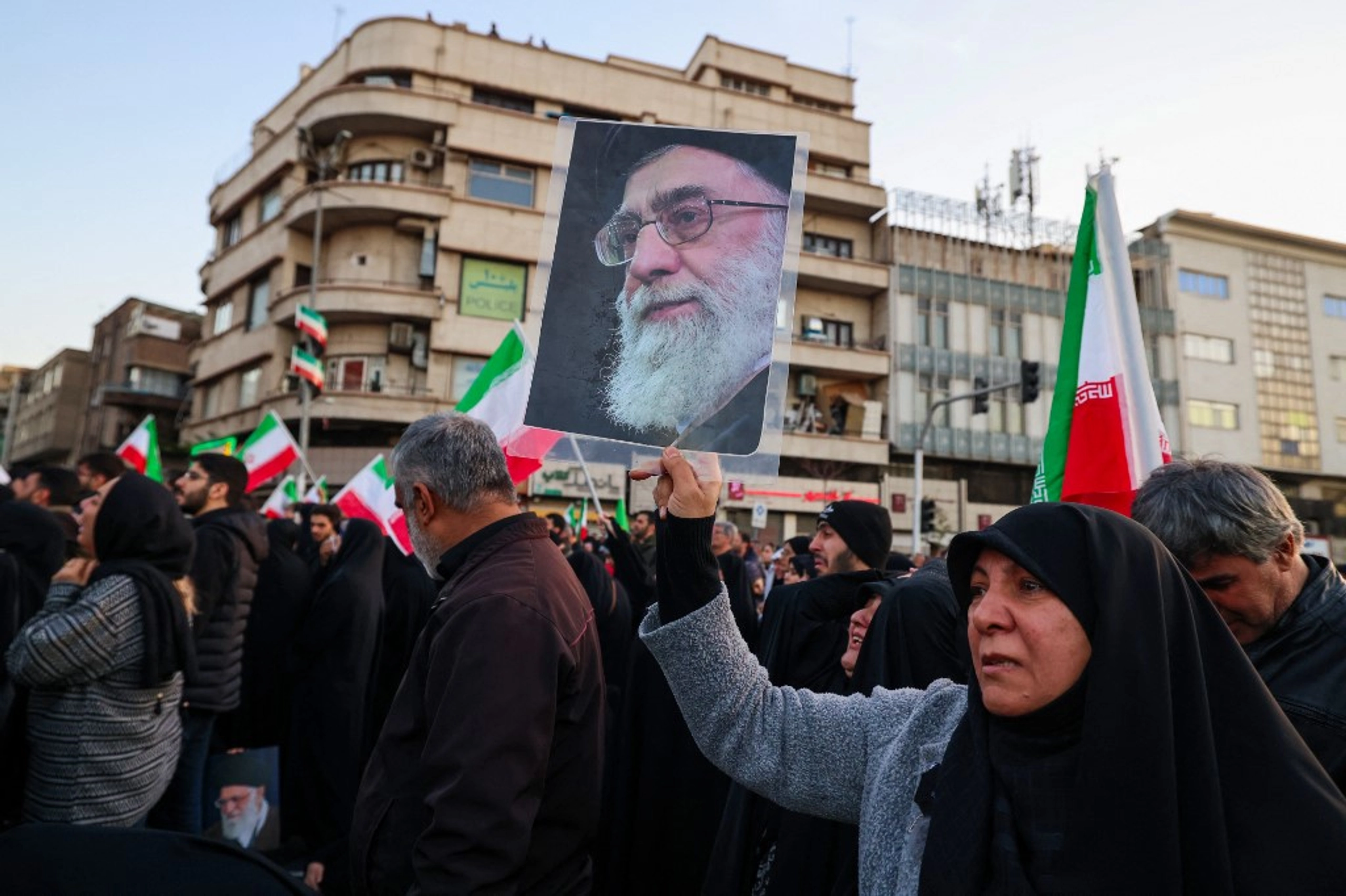
US President Donald Trump encouraged Iranians to protest in the streets, seize control, and create a democracy, but this is impossible, given the vicious regime that has murdered and tortured tens of thousands in recent years. It’s also unlikely that protests or an insurrection can be mounted quickly, given the existing police state and that Internet and phone lines have been cut. Tehran is not even allowing a public funeral for their assassinated leader, Ali Khamenei, who was blown up by Israeli bombs along with family members. This is because a funeral could spiral into violence and protests.
Israel also wants regime change, with its strings attached, which is sensible. Both the United States and Israel support and have vetted Reza Pahlavi, son of the Shah, whom the Ayatollahs overthrew in 1979. He may be a good choice, but his chances of survival or popularity are equally low.
The problem is that these two “liberator” countries have put the cart before the horse: The Iranian people have been brainwashed, damaged, divided, and brutalized by zealots. And most of them have corroborated or depend on the current system to survive. To think they will rise and restructure, then create a viable governance system, is as naïve as thinking that Russia will become a democracy once Vladimir Putin disappears. The “goal” of regime change overnight is a fantasy based on their respective national narratives. America and Israel were created by heroic people who stood up and fought for liberal democracies.
By contrast, Iran’s existing regime has eradicated reformers ruthlessly for more than three decades. This year, the police killed thousands of protesters and, in November 2022, violently crushed one of the world’s largest female-led “revolutions” in history. Thus, the current reality and war forebode several negative outcomes: Internal chaos, occupation, the rise of ethnic groups in Iran that may lead to a civil war, the partitioning of the country, and the rise of ISIS and other non-Shia bad actors across the Middle East.
Trump promises American bombs will bring about “regime change,” but has no plan in place. When asked in a recent press conference, “Who will lead Iran once the war is over?,” he said, “Most of the people we had in mind are dead.”
When asked what the worst-case scenario was for Iran? He said, “I guess the worst case would be we do this and somebody takes over who’s as bad as the previous person. Right, that could happen? We don’t want that to happen. It would probably be the worst, you go through this, and then in five years you realize you put somebody in who’s no better.”
Then he added: “Most are dead… Now we have another group. They may also be dead, based on reports. So I guess you have a third wave coming. Pretty soon, we’re not going to know anybody.”
Tehran has also spread the war by lashing out across the region, bombing military, oil, and tourist facilities in Qatar, Kuwait, Saudi Arabia, and other countries with American ties. It threatens to disrupt trade routes and oil exports by shutting down the world’s biggest oil chokepoint, the Hormuz Strait. Such a possibility also alienates neighbors and China, Iran’s biggest customer. That prospect has caused oil and gold prices to jump, and stock markets to flutter. Still, Gulf states have increased oil production to lower oil prices, and Washington pledges to accompany ships or provide insurance to keep oil tankers operating through the Strait. The US Navy has sunk several Iranian naval assets.
The Israeli public is behind this war because Iran is an existential threat, as are its proxies, Hezbollah, Hamas, and the Houthis. However, American public opinion is divided and, frankly, for good reason. Like all of Trump’s aggressions, this one bypassed Congress and threatens to become another “forever war” like Iraq, involving American boots on the ground. That war lasted from 2003 until 2011, and its aftermath caused related conflicts that cost the US $2.6 trillion, including long-term veteran care and interest, according to Brown University’s Costs of War project. More than 4,500 American soldiers died, and 32,000 were wounded. Iraqi civilian casualties were an estimated 500,000.
However, the difference now is that a nuclearized Iran was nigh, unlike Iraq’s fictitious “weapons of mass destruction.” It had to be neutralized because this was clearly a global threat. As US Secretary of State Marco Rubio said, “the world will be a safer place when this is done.” The good news is that American power and machismo are unquestionably superior, but the bad news is that America’s geopolitical savvy may not be. For instance, just blowing up things is not “winning,” as Hegseth jubilantly proclaimed in his press conference this week. Replacing an odious regime with an enlightened one will be a victory.
From Iraq to Afghanistan and Vietnam, America’s wars of “liberation” have been demonstrations of military superiority, but have become costly occupations and/or stalemates that failed to bring about desirable change. Some Americans worry that this latest Trump aggression appears headed in the same direction. And Iran’s strategy will be to broaden the battlefield regionally and turn this into another quagmire to weaken Trump politically and sully America’s reputation. Boots plus bombs may be necessary once more.
The views expressed in this opinion article are the author’s and not necessarily those of Kyiv Post.
You can also highlight the text and press Ctrl + Enter