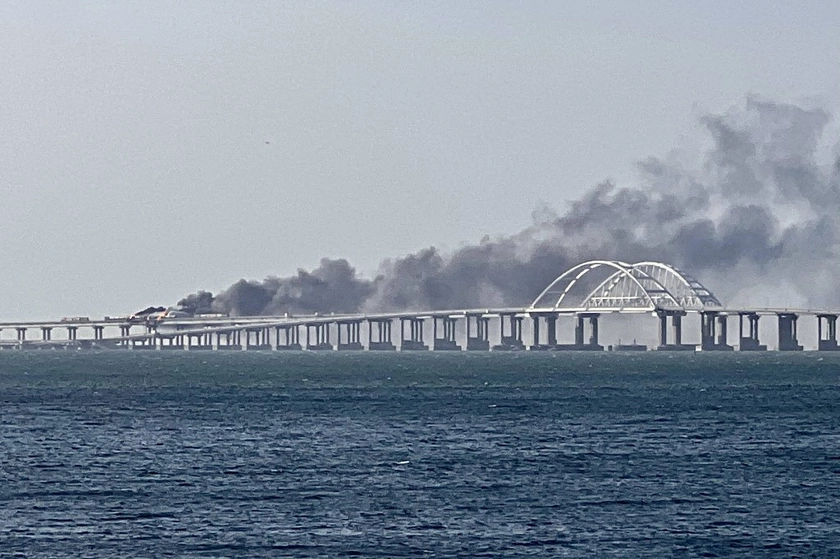
Ukrainian long-range strike drones have successfully damaged the critical bridge infrastructure at the Chonhar strait, forcing Russian occupation authorities to completely shut down key transit corridors connecting mainland Ukraine to the occupied Crimean Peninsula.
According to reports published by the Russian state-controlled news agency TASS, occupying forces closed the Chonhar checkpoint on Sunday, June 7.
JOIN US ON TELEGRAM
Follow our coverage of the war on the @Kyivpost_official.
Bridge damage halts Dzhankoy and Chonhar transit
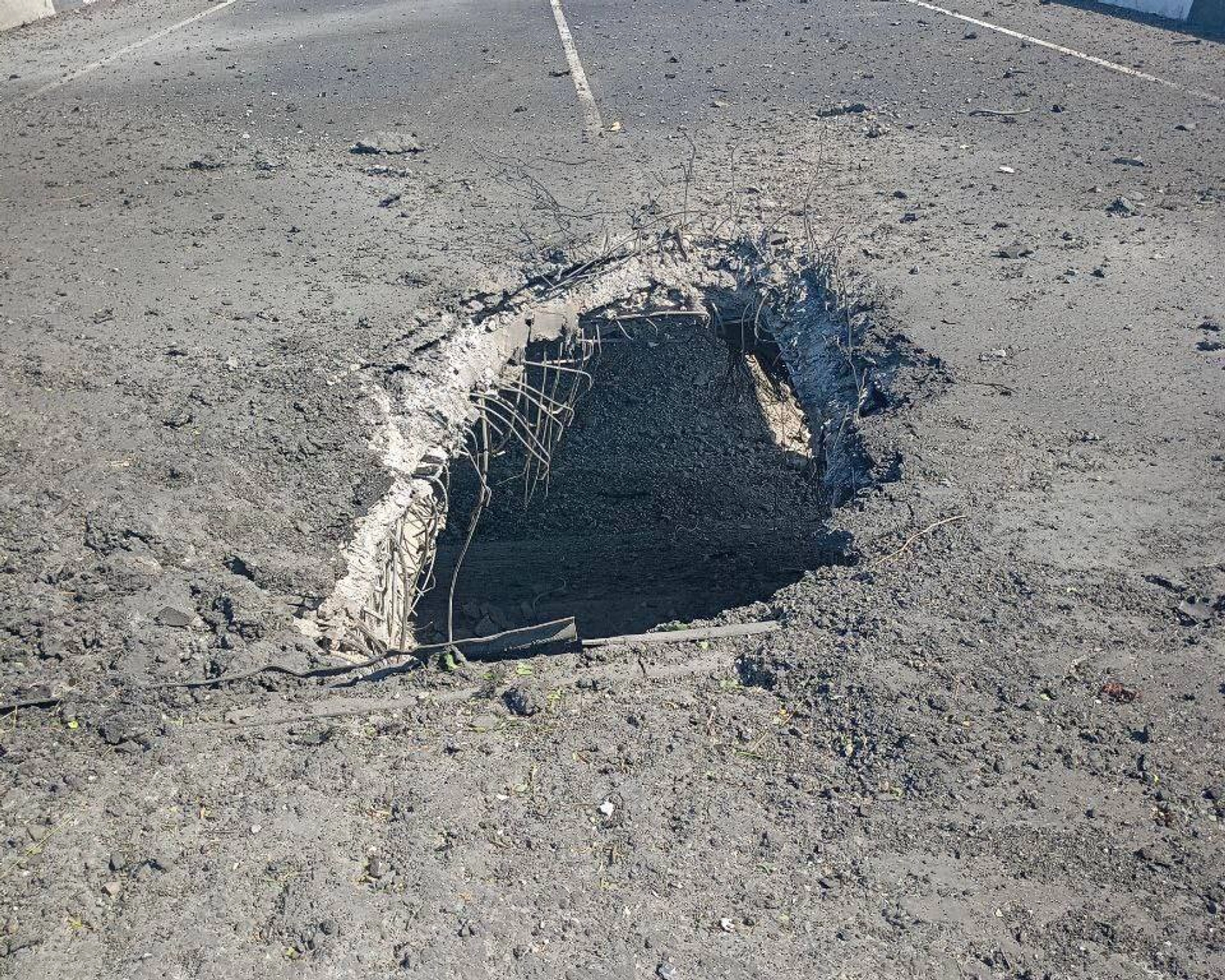
The Kremlin-appointed governor of the occupied Kherson region, Vladimir Saldo, confirmed via his Telegram channel that a wave of Ukrainian unmanned aerial vehicles (UAVs) targeted the area overnight, inflicting visible structural damage on the bridge deck near the locality of Chonhar.
“As a result of a drone attack overnight, a bridge near the locality of Chonhar was damaged,” Saldo wrote. “For security reasons, traffic through the Dzhankoy auto crossing point has been temporarily closed. Specialized services are working at the scene.”
The complete suspension of movement through both the Chonhar point and the adjacent Dzhankoy automobile crossing severs a primary logistical artery used by the Russian military to shuttle heavy equipment, personnel, and supplies from parts of southwestern Russia and the occupied Donbas directly into Crimea.
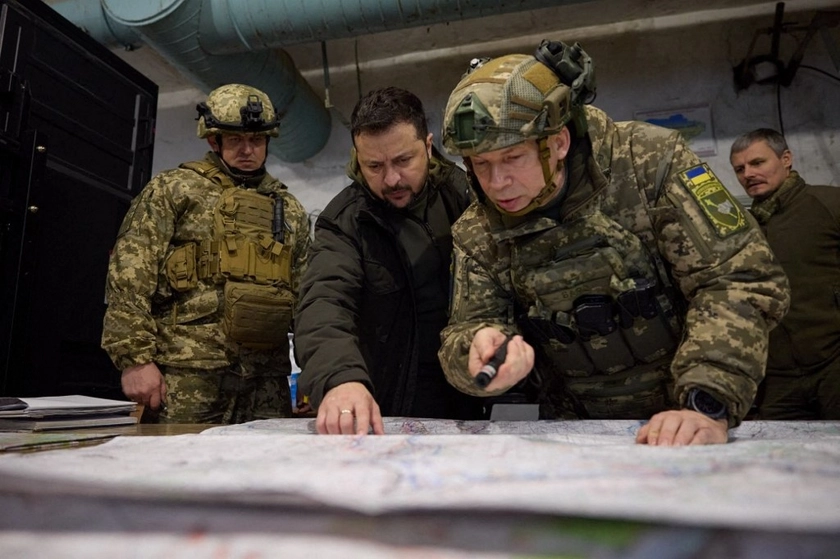
Ukrainian military authorities noted that on June 6, drone operators from the Special Operations Forces (SSO) successfully established effective air control over this vital sector of the southern land route, paving the way for the subsequent structural interdiction.
Kasparov: Ukrainian Flag in Sevastopol Is the Shock Russia Needs to Accept Empire Is Dead
Part of a 26-target overnight assault
The pinpoint strike on the Chonhar bridge deck was executed as part of a wider, highly coordinated aerial offensive that shook Russian rear positions across multiple occupied regions. Colonel Robert “Magyar” Brovdi, Commander of Ukraine’s newly formed Unmanned Systems Forces (SBS), claimed formal responsibility for the overarching campaign.
Brovdi revealed that Ukrainian long-range strike assets targeted 26 distinct enemy installations spanning the temporarily occupied territories of Luhansk, Donetsk, Zaporizhzhia, and Crimea, alongside parallel penetrations into Russia’s western Bryansk region.
The broader multi-axis operation heavily penalized the Kremlin’s military infrastructure, resulting in the destruction of a surface-to-air missile (SAM) complex, the disabling of six telecommunications towers, and targeted strikes against four vital electrical substations. Furthermore, the SBS heavily disrupted railway logistics by damaging three locomotives and two rail couplings packed with military fuel.
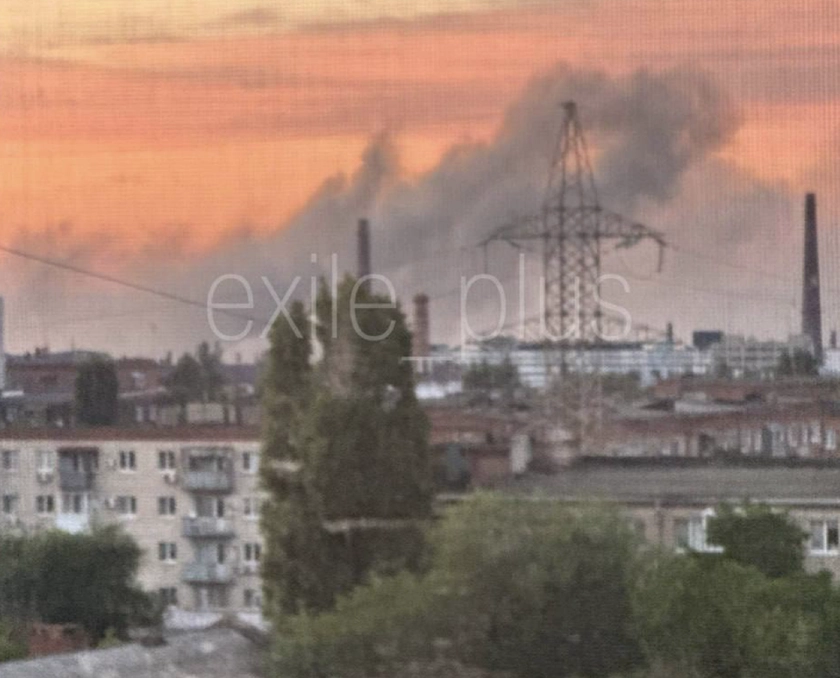
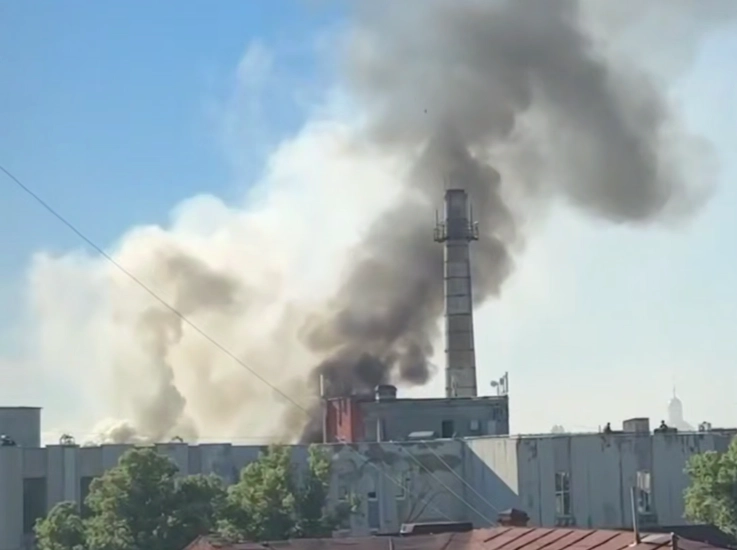
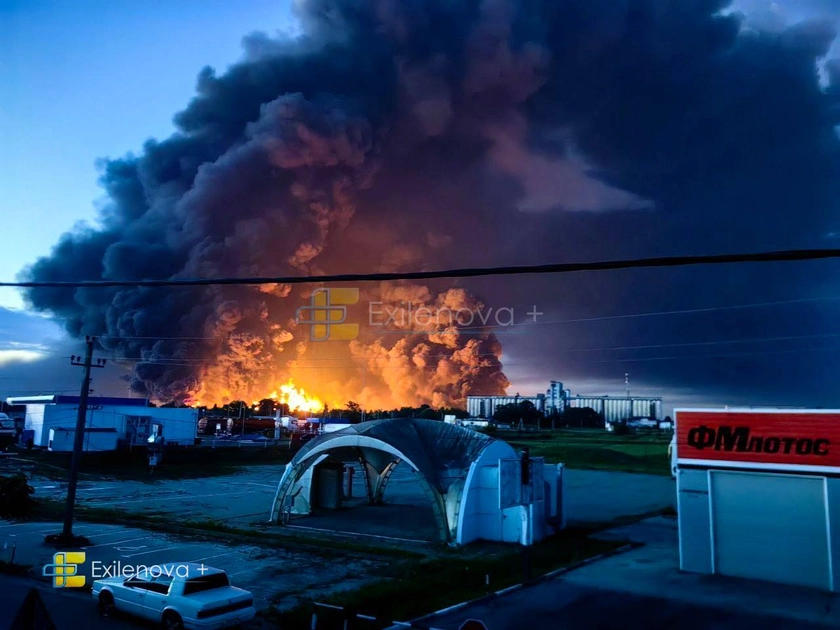
Independent monitoring groups provided cross-verification of the damage, documenting large-scale fires at the strategic Zuiivska Thermal Power Plant (TES) in Donetsk and the Semykolodiazianka oil depot in eastern Crimea.
You can also highlight the text and press Ctrl + Enter

OPINION: Hell in Crimea