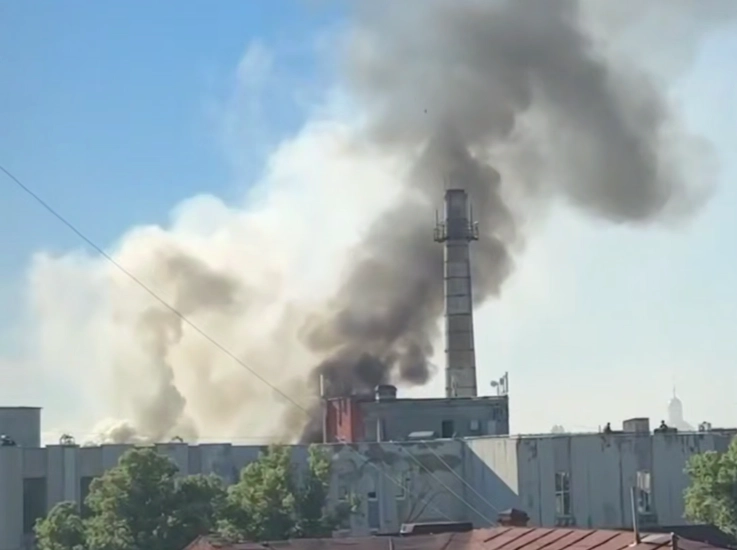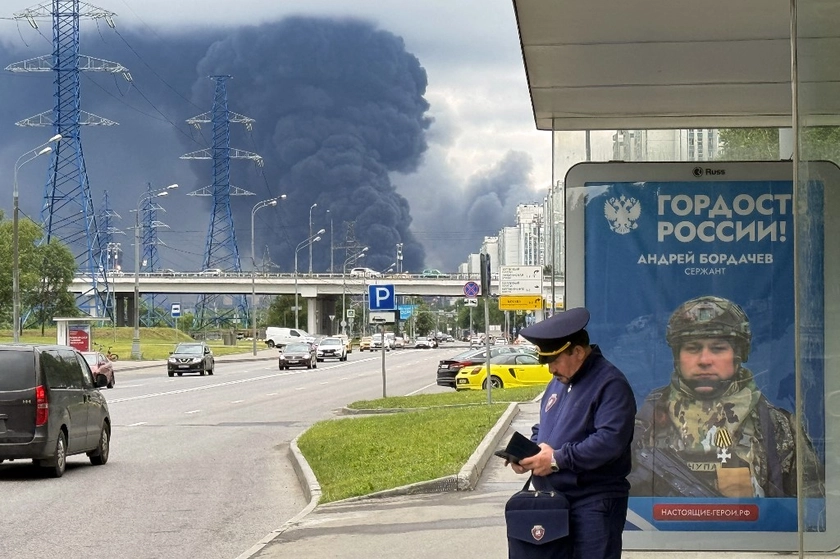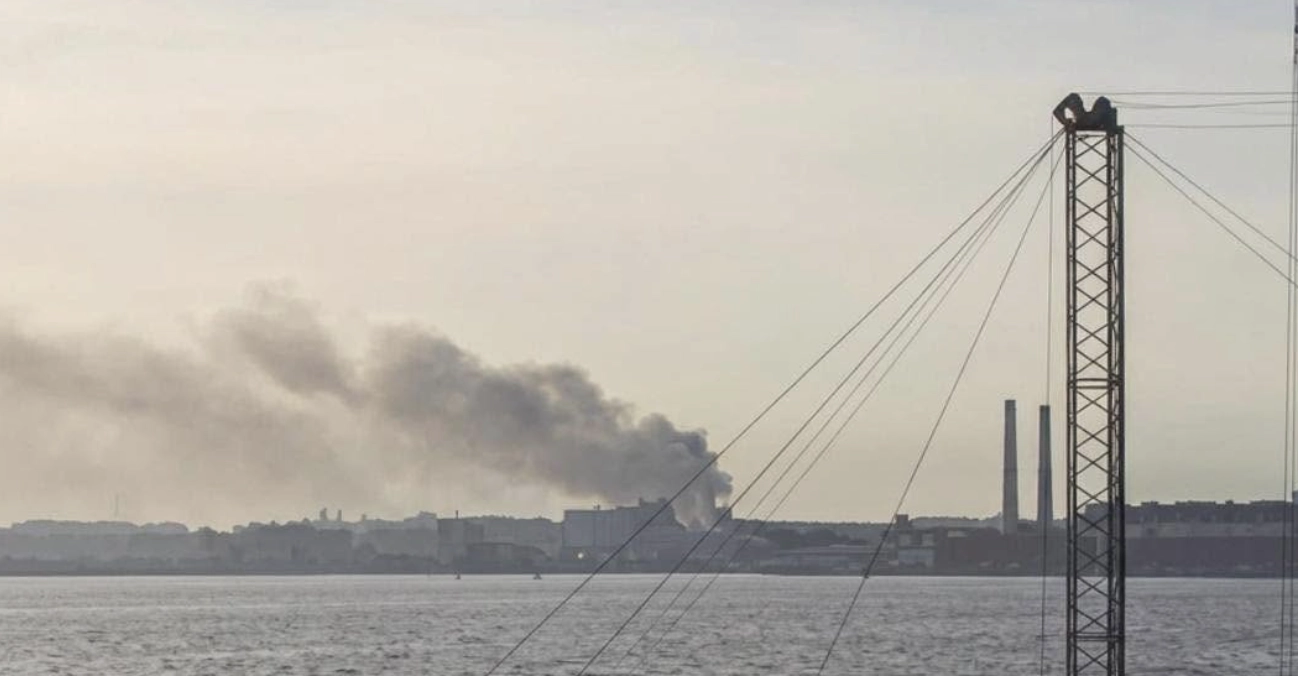
Ukrainian political and military authorities have formally claimed responsibility for a coordinated, long-range drone campaign conducted early Saturday morning, June 6, 2026.
The operation struck one of the Russia’s naval strongholds on the Baltic Sea, demonstrating an expanded capability to disrupt Moscow’s strategic infrastructure far from the active theater of war.
JOIN US ON TELEGRAM
Follow our coverage of the war on the @Kyivpost_official.
A joint Special Operations offensive
In an official statement published on Facebook, the command of the Special Operations Forces (SSO) of the Armed Forces of Ukraine revealed that its specialized “Deep Strike” units spearheaded the assault. The deep-penetration mission was executed in close coordination with the Unmanned Systems Forces (SBS) and the Security Service of Ukraine (SBU).
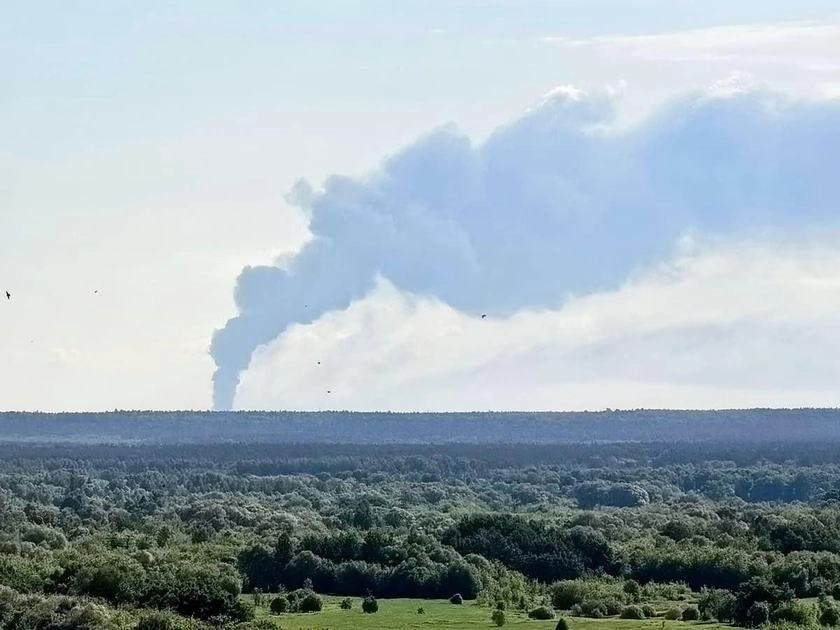
According to military planners, multiple strike drones crossed approximately 1,000 kilometers of contested airspace from the Ukrainian border to reach the Kronstadt naval base, located on an island near St. Petersburg. Localized fires were documented across the facility after several unmanned assets reached their pre-assigned targets.
The SSO emphasized that the strategic value of Kronstadt has grown substantially following Ukraine’s systematic degradation of Russian naval assets and logistics facilities in the Black Sea. The base functions as a primary hub for the Russian Navy, housing warships, submarines, specialized naval training centers, repair dry docks, and active shipbuilding yards.
Ukraine Says Strikes on Russia’s Shadow Fleet Are Legal
Zelensky cites “long-range sanctions” campaign
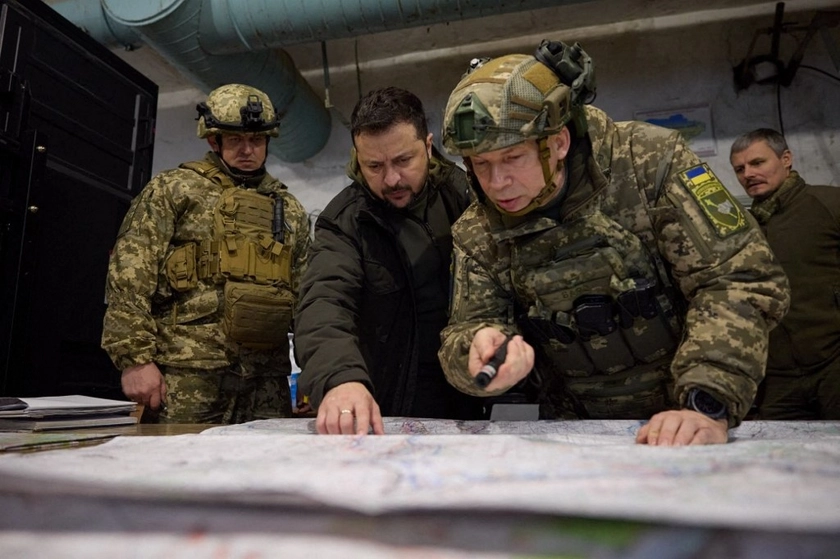
President Volodymyr Zelensky confirmed the geographic scale of the operation in a separate address, linking the military strikes directly to Ukraine’s broader economic and political strategy. The president noted that the overnight waves successfully hit both the Kronstadt base and neighboring naval aviation arsenals in the St. Petersburg region.
“Last night our drones covered a distance of about 1,000 kilometers to the Petersburg region – to the enemy’s navy arsenals and the base in Kronstadt,” Zelensky stated. “Also, our long-range sanctions covered about 500 kilometers to the Krasnodar region and struck an oil depot. These are important results from the joint work of the warriors of the Armed Forces, the SBU, and the Main Directorate of Intelligence [HUR].”
Zelensky added that Russia must stop its cross-border campaigns and halt strikes against civilian life, warning that any manifestation of injustice against Ukraine would receive a proportionate response.
Coordinated attrition on multi-regional targets
The confirmations from Kyiv clarify the mechanics behind an expansive series of explosions reported by local officials inside Russia early Saturday morning. Leningrad Governor Alexander Drozdenko had previously noted that anti-aircraft batteries engaged a swarm of 88 drones, while St. Petersburg Mayor Alexander Beglov acknowledged the municipality was experiencing a major attack.
Independent monitoring channels and resident reports confirmed that the drone arrivals triggered a prominent column of smoke near the Kronstadt Marine Plant – the asset tasked with maintaining the Baltic Fleet’s surface and submarine vessels. Secondary drone groups concurrently hit the settlement of Lebyazhye, targeting the Russian Navy’s 15th Arsenal ammunition storage warehouses.
The parallel 500-kilometer strike mentioned by the president targeted the Poltavskaya oil depot in the Krasnodar region, igniting a 5,000-square-meter fire across a commercial facility containing 28 oil reservoirs. Additional, unconfirmed strikes over the same weekend were documented at a privately owned processing unit at the Antipinsky Refinery in Tyumen, an industrial site in Tula, and the Russian-managed seaport in occupied Mariupol.
This campaign follows a June 3 operation that damaged the Russian corvette Boykiy within the Kronstadt sector, confirming that Ukraine’s special operations forces are executing a methodical campaign to degrade Russian military logistics at its source.
You can also highlight the text and press Ctrl + Enter

Russia Hit by 660-Drone Overnight Barrage Targeting Moscow, Crimea and Key Military Sites