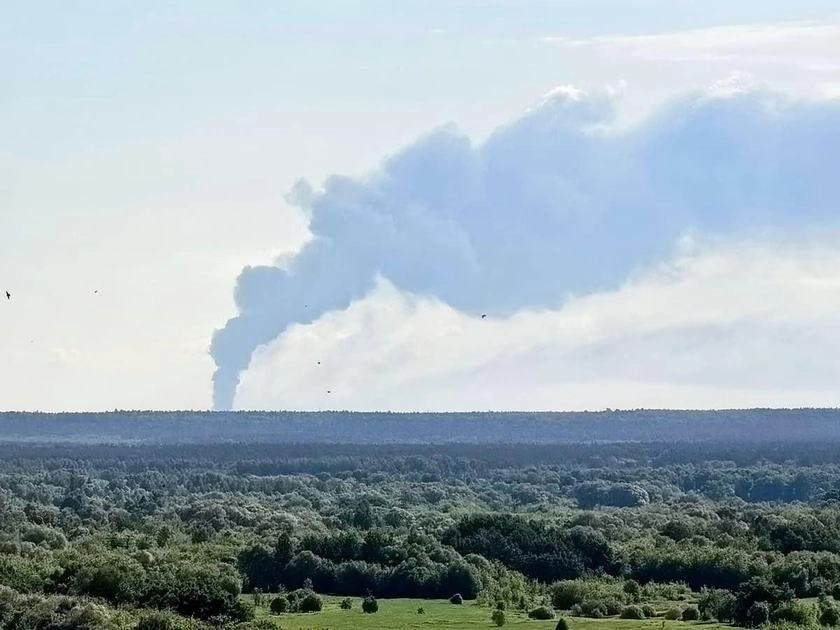
The problem of waste disposal is not new for Ukraine. Landfills are gradually reaching the end of their service life. Some of them do not meet environmental safety standards at all. Post-war recovery and development are, in turn, impossible without an established waste management system. The return of citizens, construction of housing & social infrastructure, and attracting investment must take place with a clear understanding of what to do with waste, the amount of which will steadily increase.
The Konotop Municipality in Sumy Oblast was one of the first in Ukraine to approach the waste issue systematically. Together with the U-LEAD with Europe Programme, not only did the municipality develop a project for the construction of a modern landfill, but also, along with 15 other municipalities in the region, prepared harmonised local waste management plans.
JOIN US ON TELEGRAM
Follow our coverage of the war on the @Kyivpost_official.
Read more about this experience and the role of the U-LEAD’s Project Preparation Facility in the Kyiv Post piece.
Project Preparation Facility is one of the initiatives of U-LEAD with Europe Programme, aimed at helping municipalities in preparing reconstruction and recovery projects. This support includes diagnosing the problem, formulating the project idea, discussing the project with the public, financing of project and tender documentation, preparing the full project application form (including for publication on DREAM), and assistance in fundraising.
In 2022-2024 U-LEAD helped 20 municipalities to prepare 25 projects worth more than 140 million euros. The projects addressed education, healthcare, waste management, water supply, sewage, and transportation sectors.
U-LEAD is a multi-donor action of the European Union and its member states Germany, Denmark, France, Poland, and Slovenia which supports the efforts of the Ukrainian government in establishment of a multi-level governance that is transparent, accountable and responsive to the needs of the population of Ukraine.
Changes in approaches to waste management at the national level
Before the full-scale invasion, Ukraine generated an average of 10 million tonnes of household waste annually. 90% of waste is not recycled but buried in 5.6 thousand landfills and dumps. They are gradually depleting their capacity or are already unfit for use. Ukraine needs to build 281 new landfills (MinDevelopment, 2023).
In 2023, the new Waste Management Law came into force, ensuring harmonisation of Ukrainian legislation with the EU regulations. It provides for the introduction of multi-level planning at national, regional and local levels as well as for the development of modern infrastructure.
From now on, each oblast is divided into several clusters, in which municipalities cooperate to ensure waste management. Each cluster must be serviced by one landfill. To this end, municipalities are obliged to develop local waste management plans, integrate them within a cluster and the region.
Waste management challenges in the Konotop municipality
In the Konotop-Romny cluster (Sumy Oblast) that unites 16 municipalities, 99% of waste is buried in 3 landfills and 57 dump sites with the total area of disposal sites exceeding 45.5 hectares. The landfill within the Konotop municipality has exhausted its capacity, while the one of Romny has been closed.
The 16 municipalities are home to 300,000 people. If 80,000 tonnes of waste were generated in 2023, then in 2024 the amount reached 100,000 tonnes. At the same time, waste is hardly sorted (the coverage level is 7.6%).
Hostilities have created additional problems – due to the damage, the amount of construction waste has increased. In Konotop alone, the amount of direct damage caused to destroyed buildings amounted to $10.8 million. Therefore, the municipality began to look for solutions.
Konotop municipality and U-LEAD: start of cooperation
In 2022, municipal officials joined the U-LEAD Steps for Specialists: Waste Management Training Programme, which lasted throughout 2022–2023. You can check out online course, based on the training, here: https://ulearn.org.ua/en/
Thanks to the training, municipal team formulated a project idea of the construction of a landfill, which they submitted for U-LEAD’s consideration, once the Programme launched its new initiative aimed at reconstruction and recovery – the Project Preparation Facility in 2023.
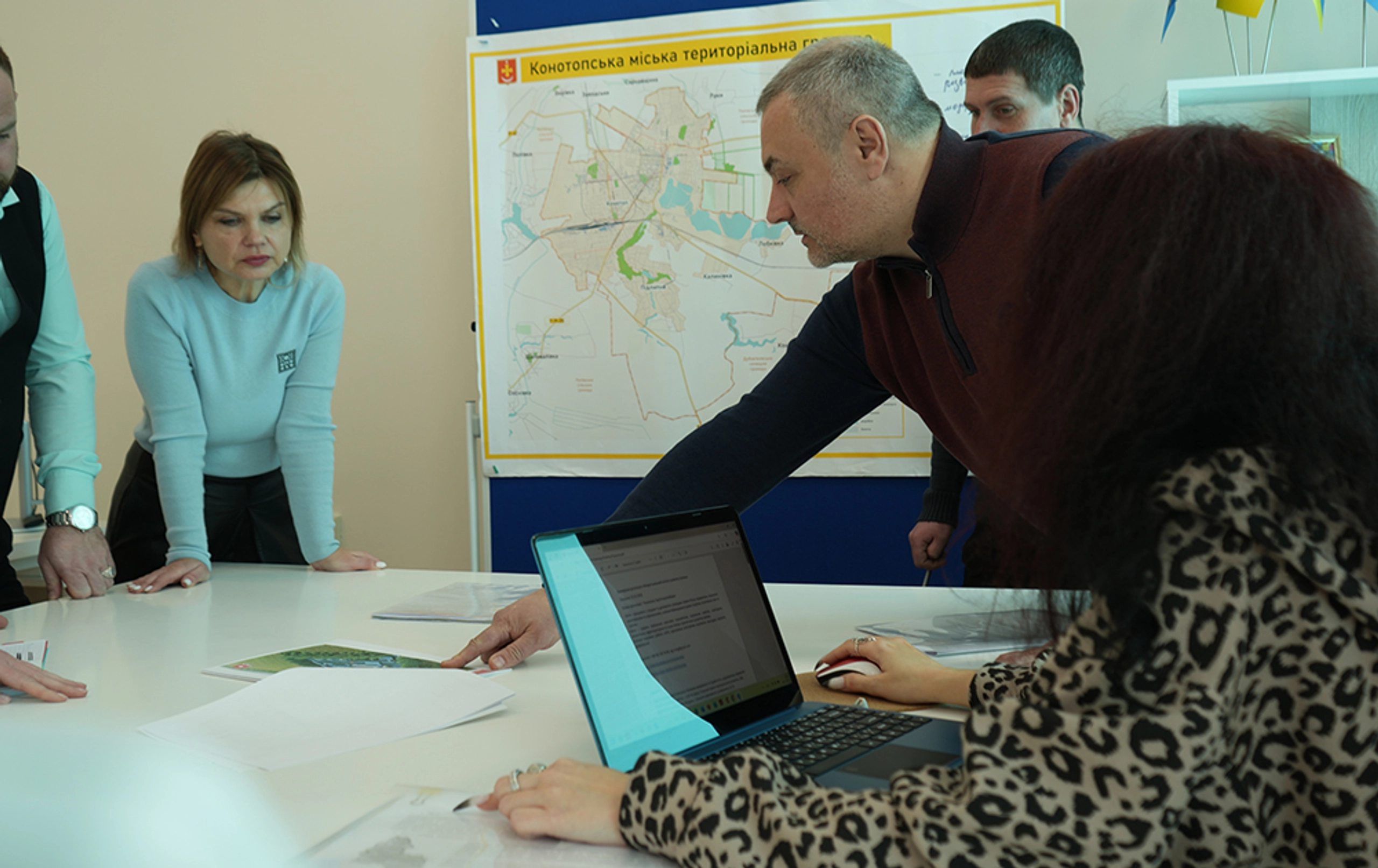
The municipality created a working group of 13 people under the leadership of the deputy mayor. However, it became clear that simply planning the construction of a landfill would not be enough. Its future operation will depend on coordinated planning with neighboring municipalities.
Therefore, Konotop and U-LEAD came up with an ambitious idea to expand cooperation and engage the remaining 15 municipalities of the cluster by preparing 16 aligned waste management plans. These plans needed to be synchronised with each other, aligned with the operations of the future landfill, and harmonised with the regional plan.
As a result, from April to October 2024, all 16 municipalities, together with the Sumy Oblast Military Administration, supported by U-LEAD, developed local waste management plans. You can learn more about how to develop local waste management plan here.
“Although the idea of building the landfill originated in the Konotop municipality, it is important for the entire region. It assumed coordination of interaction with the other 15 municipalities and regional authorities,” said Oleh Chernysh, Municipal Investment Advisor of U-LEAD.
Yuriy Pavlov, deputy mayor of Konotop confirms “Cooperation with other municipalities is a long and complex process that requires both political will and joint efforts. The main challenge is different levels of municipal readiness to deal with complex problems. However, we addressed it with continuous communication. Konotop launched the process of signing memorandums for joint implementation of the waste management project with other municipalities back in 2021. Of course, there is still a lot of work ahead, but that is a good start”.
What the landfill project will look like
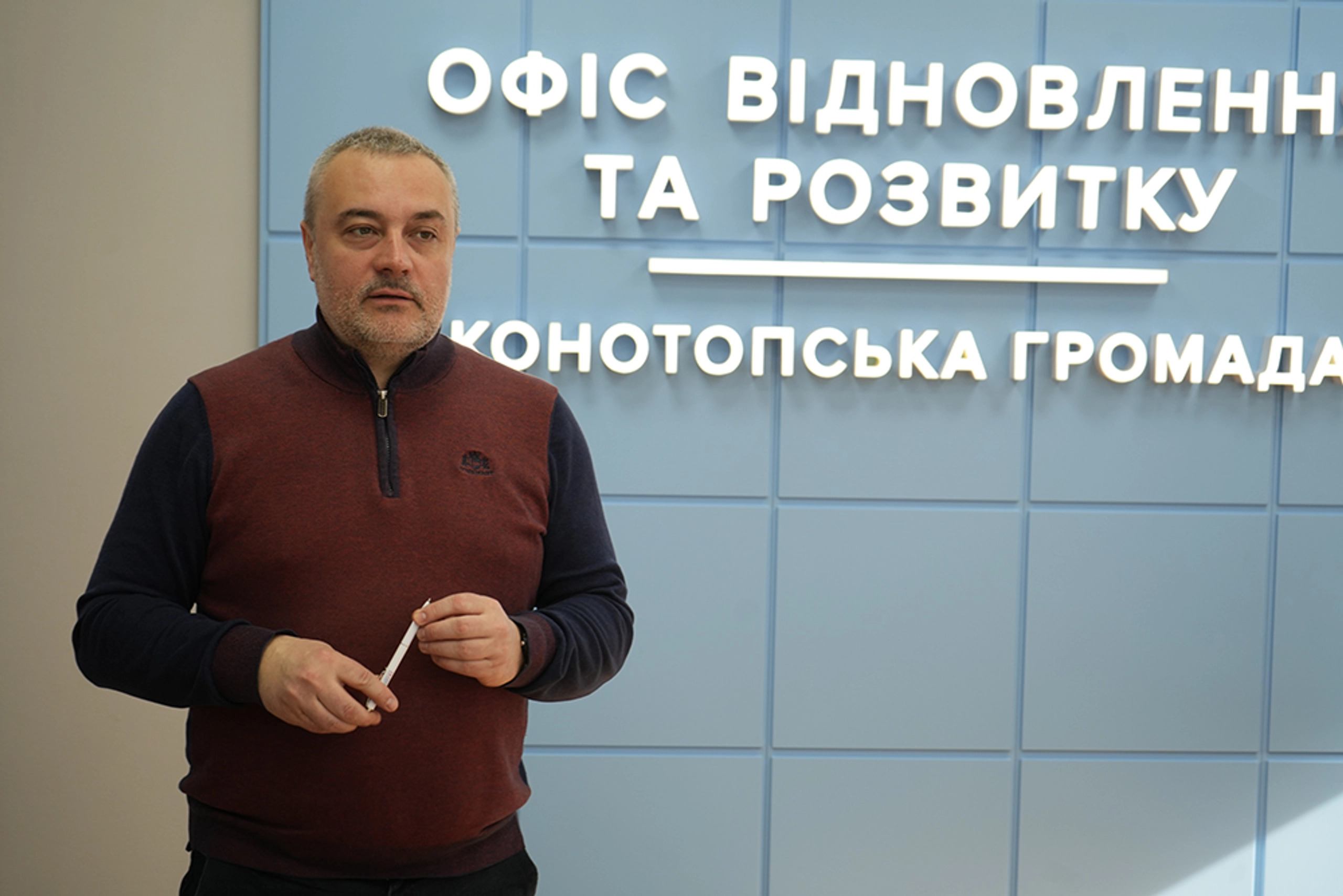
The work on the landfill project involved close cooperation between the Konotop municipality team, U-LEAD, the design organisation, and citizens. During the process, some initial ideas had to be adjusted. It quickly became clear that the land plot for the landfill had to be expanded. The design decisions were also influenced by the fact that the volume of waste increased from 80,000 tonnes in 2023 to 100,000 tonnes in 2024. Konotop officials also presented the project concept to the public.
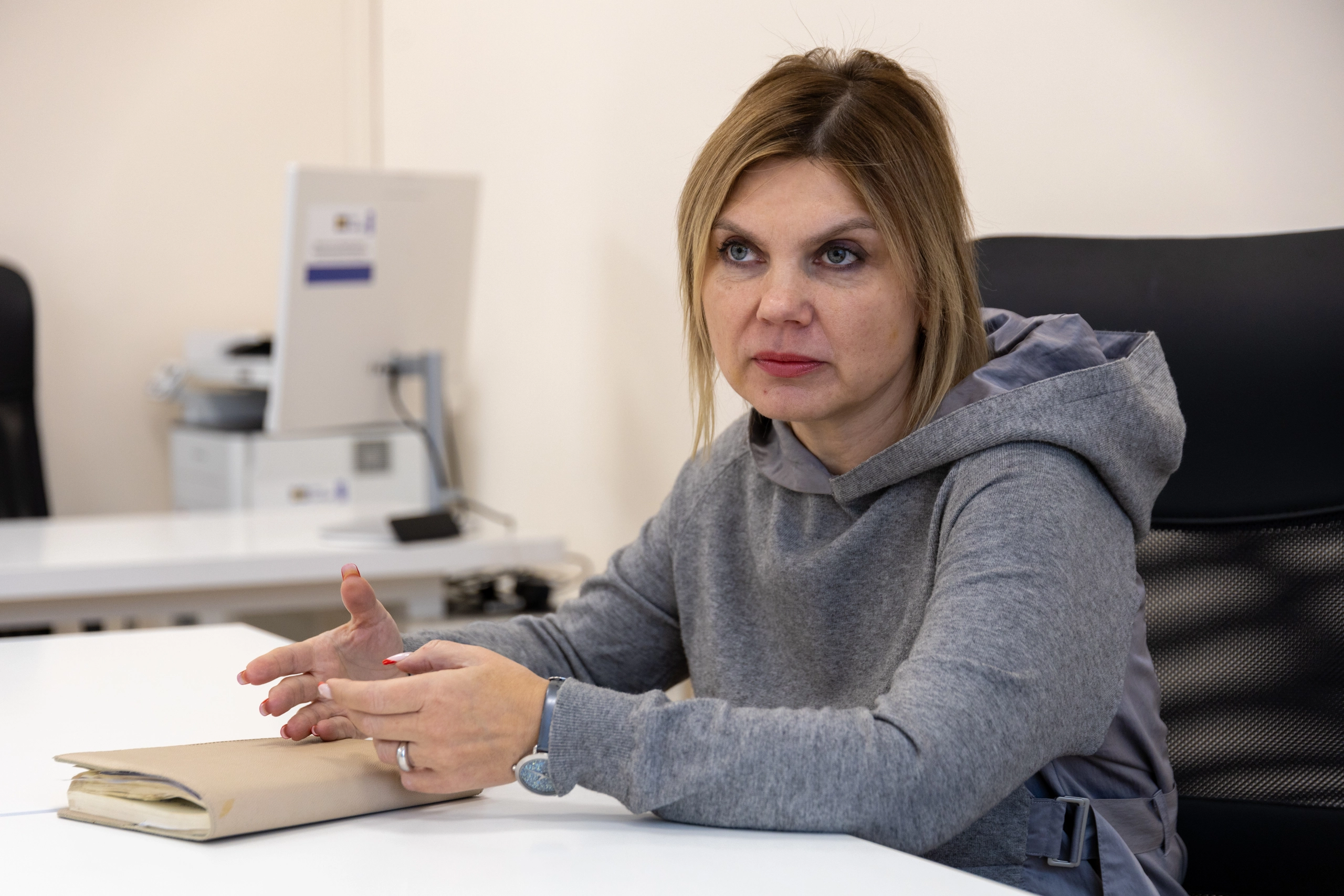
“Successful implementation of environmental initiatives is only possible with active support and understanding from citizens. A waste management project directly concerns every resident, so it was important to involve the public. This allowed us to get an idea of public sentiment, explain the project details, and dispel doubts. The discussions showed that many people lack information about separate collection and recycling, so we planned information and education campaign for the future,” says Liudmyla Gapeyeva.
During the discussions, residents suggested including solar panels, shelters, protection of agricultural land through greening of the area (which prevents landfill wind erosion), and a thermal plant that would operate on self-produced wood chips.
Key stages in the development of the landfill project and elaboration of waste management plans for the Konotop-Romny cluster
- Problem diagnosis: establishing a working group, assessing municipal and cluster needs in household waste management. Training the group. Creating the project design concept.
- Formulating conceptual solutions: searching for the optimal landfill construction option, developing a detailed territorial plan (DTP), conducting strategic environmental assessment of DTP.
- Obtaining initial data: urban planning conditions and restrictions, technical conditions for electricity supply, holding public discussions. Approving conceptual solutions.
- Developing local waste management plans by 16 municipalities.
- Developing the project and tender documentation for the construction of a landfill. Conducting an environmental impact assessment.
- Preparing the project application form, uploading the project to DREAM.
- Passing the expert review of project documentation.
Project design envisages that the landfill will operate under an algorithm according to which waste, after being weighed at the checkpoint, will be directed to the appropriate processing infrastructure depending on its type. Mixed household waste will go to the sorting line, where plastic, paper, metal, and glass will be separated from it, and organic waste will be sent for composting.
Separately collected food waste and vegetation will be sent directly to the composting site, and the residues from compost production will be taken to the landfill. The compost itself will be sold to residents and businesses and used for municipal needs.
Electricity generated from biogas, heat from burning wood chips, and solar panels will provide energy independence for the facility by the fifth year of operation.
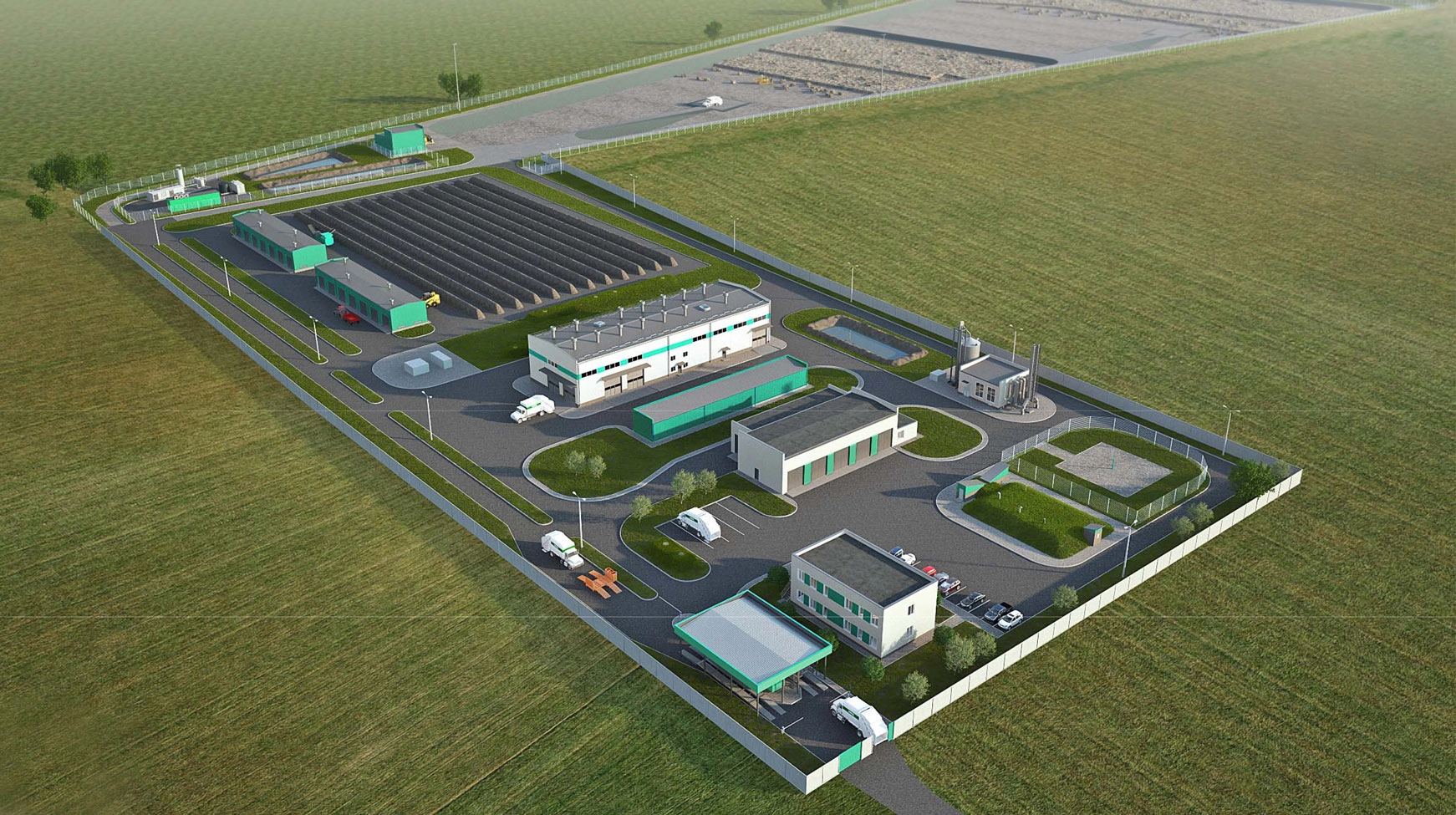
The construction budget for the landfill amounts to EUR 29.1 million. Therefore, Konotop is looking for investments. More details about the project can be found on the DREAM here.
How the project is going to support the post-war recovery
Preparation of such a large-scale project demonstrates a crucial role of municipalities in recovery and development. Konotop not only initiated the project, but also ensured cooperation with citizens, other municipalities, and regional authorities.
Project’s implementation will become a catalyst for the post-war recovery of the entire region. The recovery period involves increased economic activity and population growth, which will lead to increased waste volumes. With this project, Konotop aims to ensure both comfort for citizens and increased attractiveness for investors.
“Potential investors always pay attention to whether a city has modern infrastructure and cares about the environment. They ask: What kind of wastewater treatment facilities do you have? Does the town have a modern landfill?’This project will be the answer to a key question from donors: whether we can ensure civilised waste management,” explains Artem Semenikhin, mayor of Konotop.
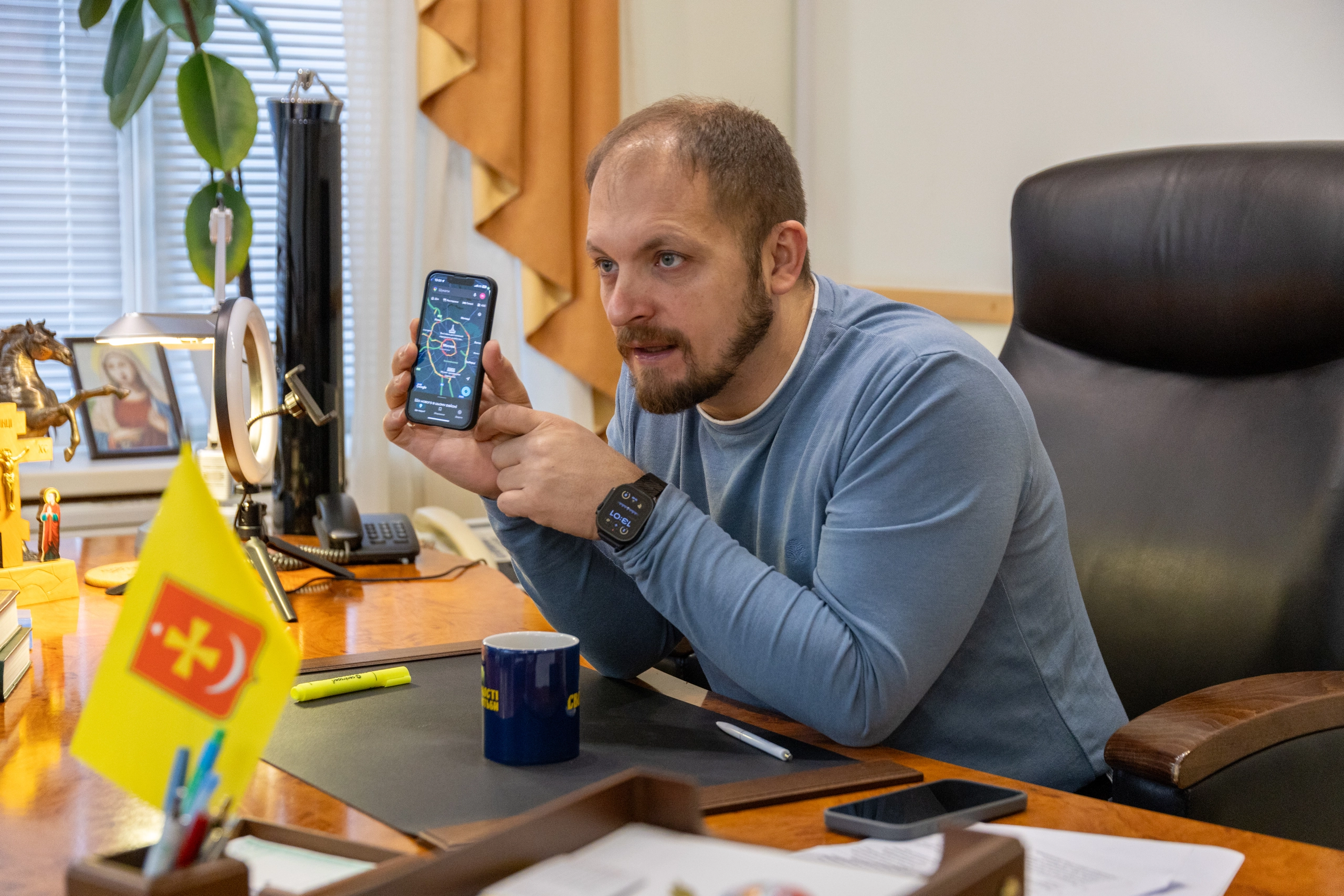
To mayor Semenikhin, this project is an important demonstration of how European integration can be advanced at the local level. Konotop joined the Covenant of Mayors, committed to climate obligations, and is working on reducing CO₂ emissions. Therefore, the implementation of new waste management approaches aligns with the overall strategy of Konotop.
The municipality already can boast of its first success: it received new garbage trucks, containers, and additional equipment from international partners, which help to sort and collect waste.
Ultimately, the construction of the landfill will improve the economic situation in the municipality. The enterprise will create 122 jobs, and the projected income is expected to reach UAH 100 million per year.
“Investments in waste management are not only a necessity, but also a strategic decision for future recovery. After victory, infrastructure will need to be restored quickly, with minimal environmental damage. With this project, we will be ready to move forward quickly and confidently,” summarises Yuriy Pavlov.
You can also highlight the text and press Ctrl + Enter

Russia Hit by 660-Drone Overnight Barrage Targeting Moscow, Crimea and Key Military Sites