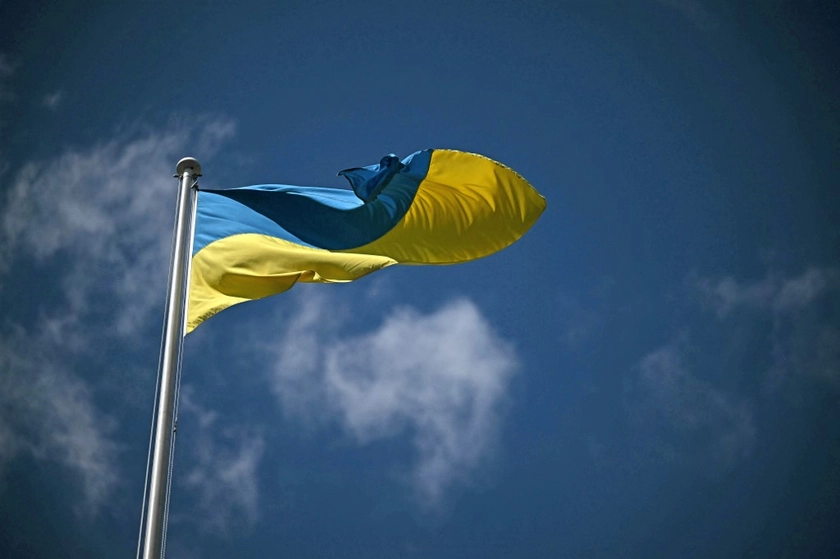
The European Union (EU) and Ukraine concluded negotiations on an updated trade agreement today, after a long-awaited decision following the EU’s move to end its tariff-free trade regime with Ukraine to protect European farmers.
The announcement marks a new phase for Ukraine’s trade relations with the EU after the Autonomous Trade Measures (ATM) expired on June 5, 2025. The ATM had been negotiated with the EU following Russia’s full-scale invasion, as Russia’s navy was blockading Ukraine’s Black Sea ports. The ATM removed tariff rate quotas on 36 categories of Ukrainian goods, but had led to protests by Ukraine’s European neighbors, who faced new competition with cheap Ukrainian imports.
JOIN US ON TELEGRAM
Follow our coverage of the war on the @Kyivpost_official.
Moving forward, trade between Ukraine and the EU will be regulated once more by the Deep and Comprehensive Free Trade Area (DCFTA), also known as the Association Agreement, signed in 2014 and came into effect in 2017.
In its press release, the European Commission wrote that the agreement “fully takes into account the sensitivity of certain agricultural sectors,” raised by EU member states and farmers.
Kyiv Post previously reported that Poland, Romania, and Hungary began lobbying to end barrier-free trade with Ukraine as early as 2023.
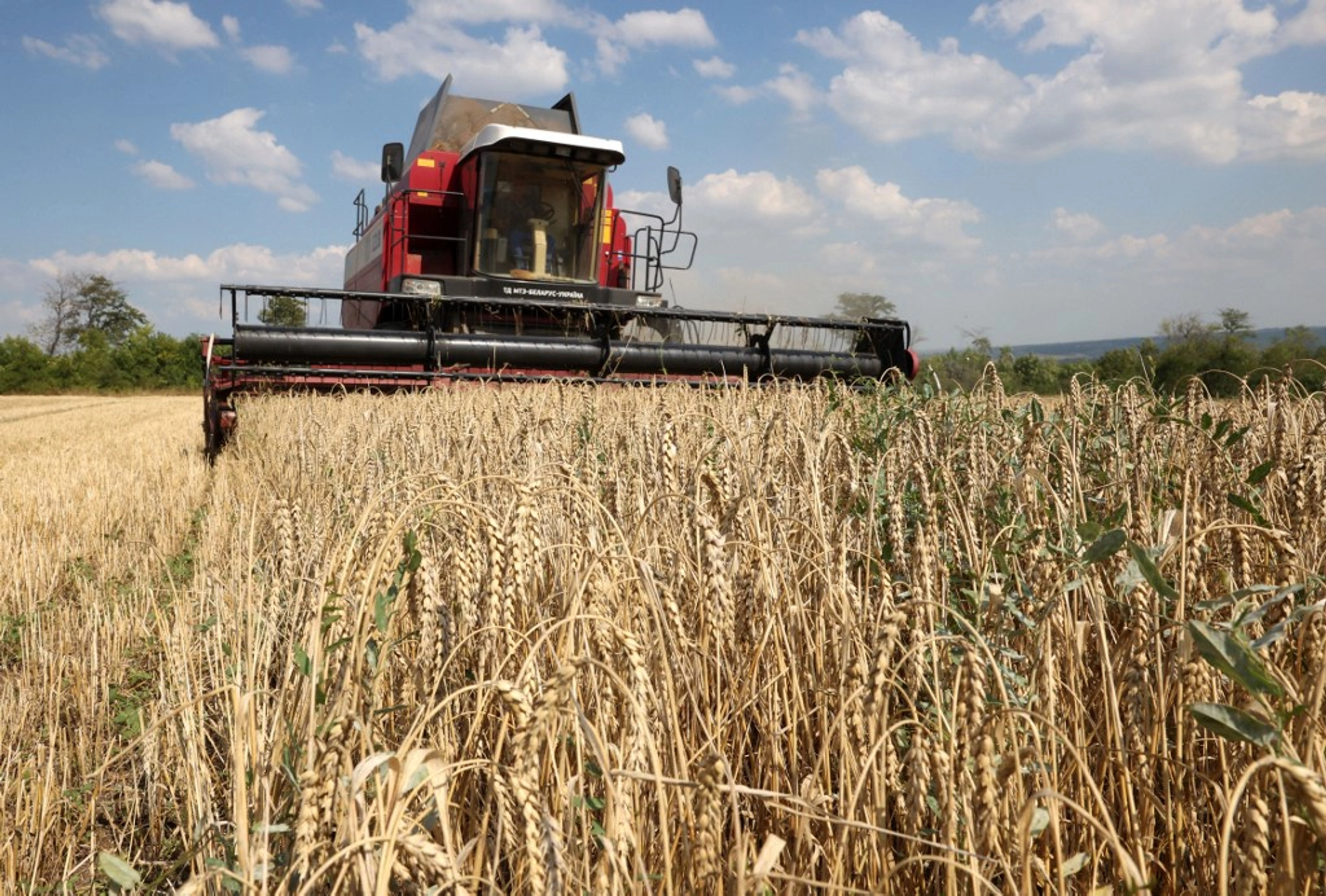
To pressure the EU and Ukraine, Polish farmers physically blocked the roads near the Polish-Ukrainian border during 2023-2024, draining revenues for the war-torn country. Polish farmers blamed Ukraine for decreased agricultural prices after cheap Ukrainian grain “flooded” the EU market.
EU Opens First Accession Negotiation Cluster With Ukraine, Moldova
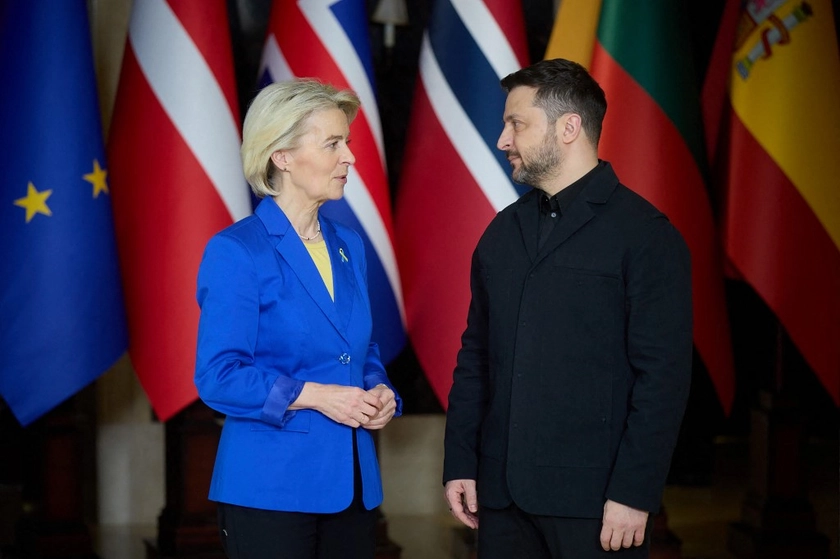
President of the European Commission, Ursula von der Leyen, struck an optimistic tone on the new agreement.
“With this modernised agreement, we are securing trade flows from Ukraine to Europe and global markets. And we are also building bridges of resilience and economic solidarity in the face of Russia’s unjustified war of aggression. At the same time, we continue to safeguard the interests of our farmers. Ukraine’s place is in the family. We remain committed to a path of mutual growth and stability, leading to its full integration in our Union,” said von der Leyen.
Three key pillars of the new EU-Ukraine trade agreement
The European Commission outlined three key pillars within the negotiations with Ukraine: a level-playing field, a robust safeguard clause, and enhanced trade flows.
1. A Level Playing Field
Ukraine will gradually align production standards with EU rules, particularly in animal welfare, pesticide use, and veterinary medicine.
“Ukraine is expected to report every year on its progress in that regard. This approach is consistent with the logic of Ukraine’s EU accession process and the adoption of the EU acquis,” the press release writes.
2. Robust Safeguard Clause
Both Ukraine and the EU will now have the possibility to activate a safeguard mechanism. The mechanism, called an “emergency brake”, means that when imports of certain products exceed set limits, tariffs are reinstated, causing a decrease in Ukrainian exports of these products to the EU.
Under previous agreements, the EU alone had the power to activate the “emergency brake” to limit imports of barley groats, eggs, sugar, oats, and honey. This decision temporarily closed the doors of new EU markets, causing Ukrainian businesses to export their production to their usual markets in Asia and Africa.
But according to the EU Commission’s press release, now Ukraine will also have the opportunity to impose the safeguard mechanism.
Both sides could activate the safeguard mechanism, “in situations where imports may cause adverse effects to either party.”
“In the EU’s case, the assessment of a possible disturbance can be done at the level of one or more Member States,” the press release notes.
3. Enhanced Trade Flows
The EU and Ukraine renegotiated all market categories previously considered “sensitive” – meaning issues having the potential to cause another wave of protests in EU member states.
The quotas for products under the “sensitive” and non-sensitive areas were the most crucial part of the deal, as Ukraine’s export revenue forecast depends on the stakeholders’ agreements.
Sensitive product categories—such as sugar, poultry, eggs, wheat, maize, and honey – will see only modest increases in tariff-free quotas. Other less sensitive categories may see liberalization or market support from EU countries.
Kyiv Post previously reported that under this scenario, Ukraine will lose $1.2 billion annually in exports and tax profits of $69 million.
The EU countries may help Ukrainian exporters in reaching global markets in non-European countries, according to the press release.
Three export areas are still unresolved with the EU, Kyiv says.
Ukraine’s Ministry of Economy, one of the key ministries involved in the negotiations, refused to comment on reaching the trade agreement.
Kyiv Post wrote to the ministry’s press office today for comment on the new agreement.
“We’re not commenting yet,” the Ministry of Economy’s press secretary, Ivan Palchevskyi, replied via text message.
Although the key principles of the trade between the EU and Ukraine have been agreed, “at least” three trade positions remain unresolved, Ukraine’s Deputy Prime Minister for European and Euro-Atlantic Integration Olha Stefanishyna, told Interfax-Ukraine, refusing to specify which products are still in discussions.
These will remain the subjects of further negotiations, she added.
EU-Ukraine trade: what’s next?
Although Ukraine’s Deputy Prime Minister said there will be further negotiations with Europe, the EU Commission wrote that both stakeholders will only need to “work to fine-tune the technical elements of the agreement.”
“Member States and the European Parliament will be informed about the details of the agreement in the coming days,” the EU press release stated.
The EU Commission will adopt a proposal for a decision by the Council, which is expected to approve the agreement. The agreement will then be formally adopted by the EU-Ukraine Association Committee, according to the press release.
You can also highlight the text and press Ctrl + Enter

ANALYSIS: Russia’s Air Defense Problems Are Growing