The era of global stability that defined the last forty years is officially over. As the world shifts toward a multipolar fragmentation characterized by permanent localized conflicts and fierce competition between the US and China, Europe faces an existential crisis of competitiveness.
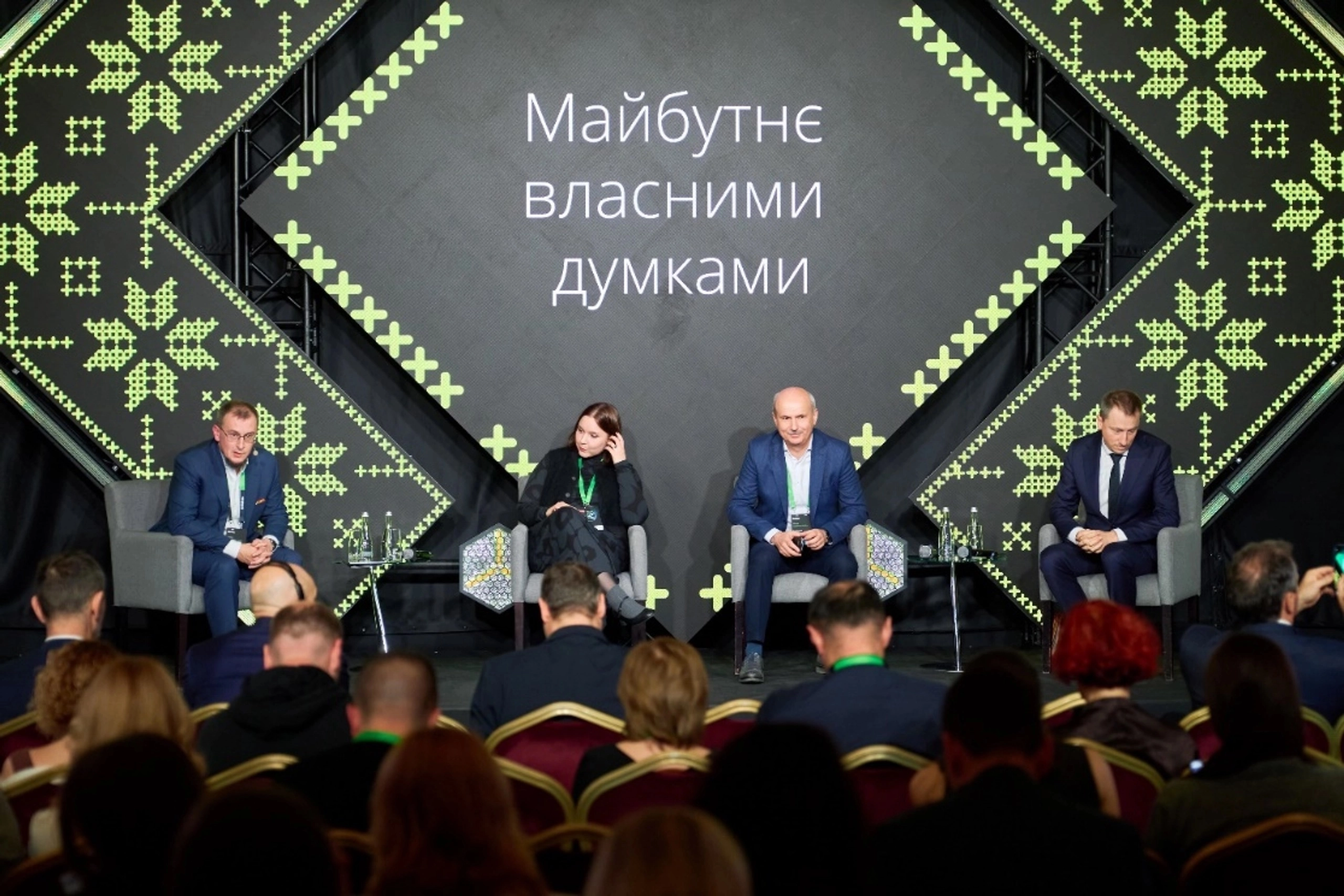
In a recent high-level panel discussion featuring representatives from the Ukrainian government, the tech sector, and the cultural sphere, a compelling thesis emerged: Ukraine is not merely an applicant seeking refuge in the EU, but a critical solution to the structural economic and security deficits identified in the Mario Draghi report.
JOIN US ON TELEGRAM
Follow our coverage of the war on the @Kyivpost_official.
From demographic cliffs to energy insecurity, the discussion highlighted how Kyiv’s integration could offer the European project the “adrenaline shot” it desperately needs to survive the next decade.
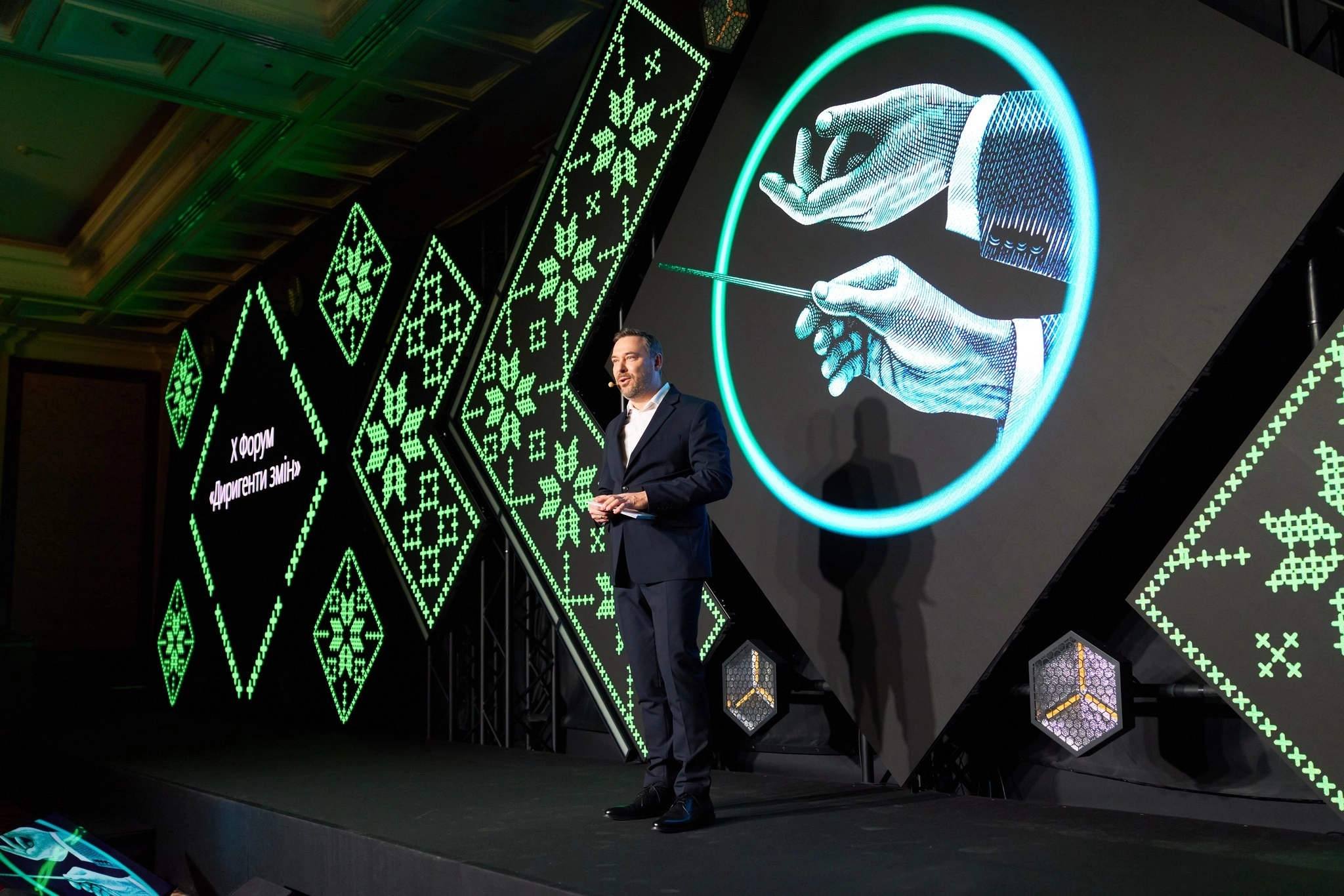
Kyiv Post covered the key insights from Deloitte’s “Conductors of Change” panel discussion.
The Macro Context: A World in Demograhic Divergence
Opening the discussion, Oleksii Sobolev (Government Representative/Ministry of Economy) painted a stark picture of the global landscape through 2035. The defining trend is no longer just ideology, but demography.
The EU’s Labor Crisis: Europe is losing approximately 1 million workers annually due to aging populations. This contraction limits consumption and growth.
The China Factor: China is approaching a demographic precipice, with a projected loss of 16 million workers annually starting in three years.
The US Advantage: Conversely, the United States is projected to hit a demographic plateau followed by growth, giving it a long-term competitive edge over Beijing.
The Business Implication: As global markets shrink, the fight for efficiency and human capital will intensify. Europe’s current bureaucratic model—designed to unify markets but often stifling innovation—is ill-equipped for this new reality.
The “Draghi Diagnosis” and the Ukrainian Remedy
The discussion leaned heavily on the Draghi Report—a diagnosis of the EU’s competitiveness. Sobolev argued that Europe suffers from three critical deficits, all of which Ukraine is uniquely positioned to address:
Security: Europe is a “high-risk” region compared to the US, deterring capital. Ukraine effectively subsidizes European security. A fully integrated Ukrainian defense industry would allow Europe to protect its own borders without sole reliance on Washington.
Energy Costs: High energy prices are strangling European industry (particularly regarding AI and manufacturing). Ukraine offers significant potential for cheap green energy (wind, solar) and, crucially, nuclear power capabilities that few other nations possess.
Innovation & Scale: Europe lacks the unified capital markets to create “unicorns.” However, Ukraine has birthed entire industries from scratch in under three years (e.g., the drone sector), demonstrating a level of agility and cost-efficiency (R&D arbitrage) that the sluggish EU bureaucracy lacks.
Investment Climate: The “Dubai of Eastern Europe”
Taras Kytsmey, President of SoftServe, shifted the focus to the private sector. He argued that while EU accession is a strategic goal, it is not a silver bullet. Ukraine’s primary economic challenge is human capital—specifically, bringing back the millions who fled the war.
Kytsmey’s proposition is radical: People only return to better opportunities. Ukraine cannot simply copy European regulation; it must surpass it in ease of doing business.
“Ukraine needs to be a ‘Dubai #2’ in terms of attracting investors... We need to bring in billions without taxing the entry, and instead tax the turnover generated by that capital.” — Taras Kytsmey
This suggests a future Ukraine that acts as a deregulated, high-growth frontier market within the European periphery, driving the continent’s overall GDP.
The Cultural Dimension: Maturity and “Soft Power”
In a striking counterpoint to the economic discussion, Tamara Trunova (Director, Left Bank Theater) addressed the “soft power” aspect of the brand “Ukraine.”
She pushed back against the European tendency to view Ukraine solely through the lens of “victimhood” or “ethnographic exoticism.” Trunova noted that European institutions often try to force reconciliation narratives (e.g., pushing for collaboration with Russians) that are tone-deaf to reality.
The Strategic Insight: Ukraine is moving from a “young adult” nation to a mature political entity. The unique intellectual property of Ukraine today is not just “European culture,” but the exclusive experience of resilience and reality. In a world saturated with artificiality, Ukraine offers “the real”—a potent asset for national branding and cultural exports.
You can also highlight the text and press Ctrl + Enter

Putin’s Worst Nightmare