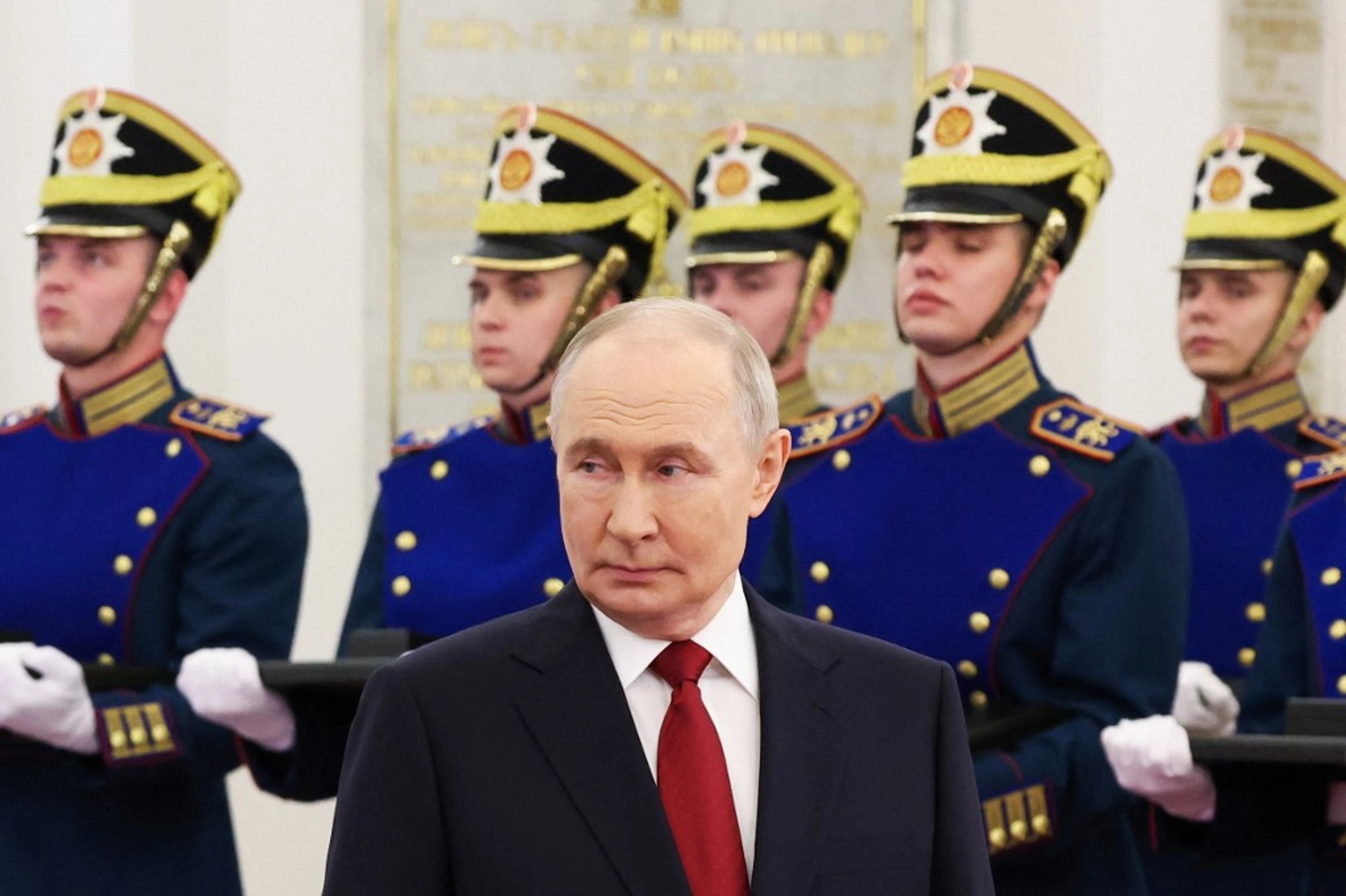
For Russian President Vladimir Putin, Russia Day was traditionally a performance of strength and unity – medals, patriotic speeches, songs, and historic comparisons.
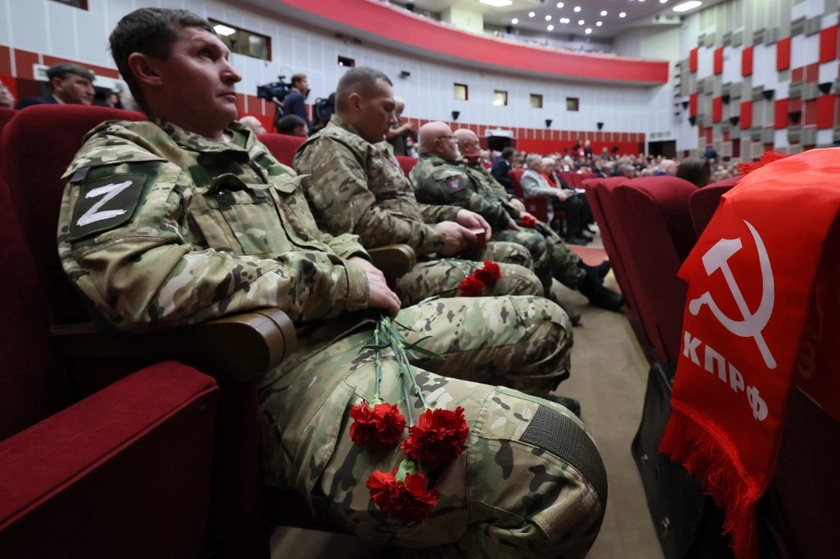
This year, however, the Kremlin canceled its large-scale annual Russia Day concert on Moscow’s Red Square, shifting the event indoors where Putin spoke with Russian servicemen.
JOIN US ON TELEGRAM
Follow our coverage of the war on the @Kyivpost_official.
Ukrainian drones haunt Russian troops
Putin’s most notable remark was his drone revelation. He publicly admitted that Ukrainian drones are causing serious daily problems for Russian forces.
“We fully understand the problems drones create for us,” Putin said. “Your commanders tell us about this all the time – every day. They repeat it to me every single day.”
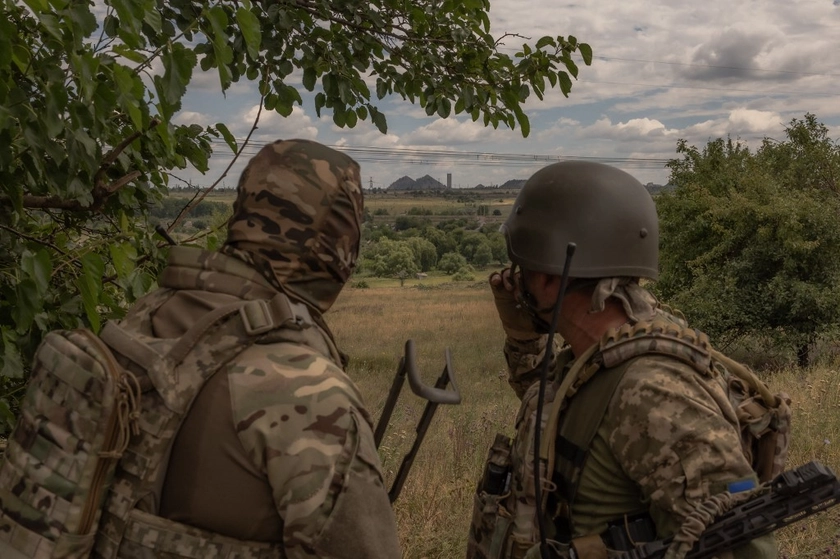
“I know what it means in some cases to raise your head when these drones are hanging there like flies,” Putin said.
Why now?
Putin’s sudden willingness to speak publicly about drones was not accidental. The drone war is no longer a classified battlefield problem hidden from the Russian public. It is visible, measurable and impossible to deny.
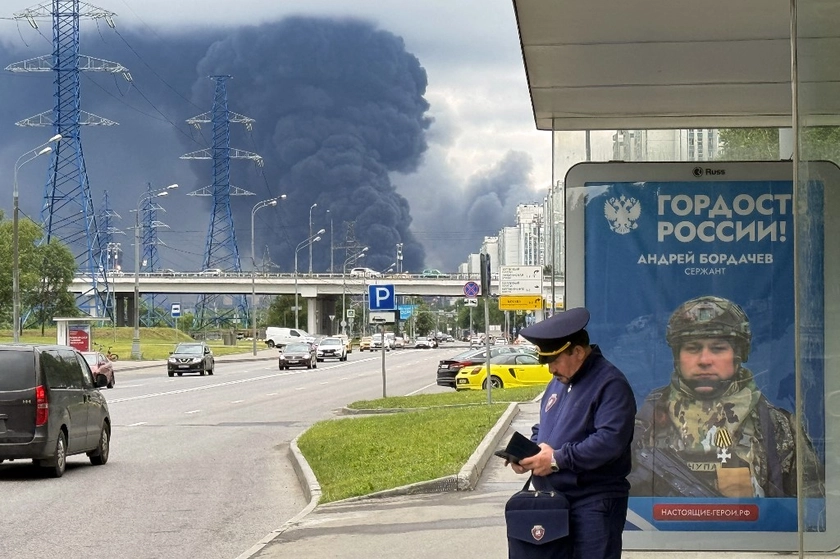
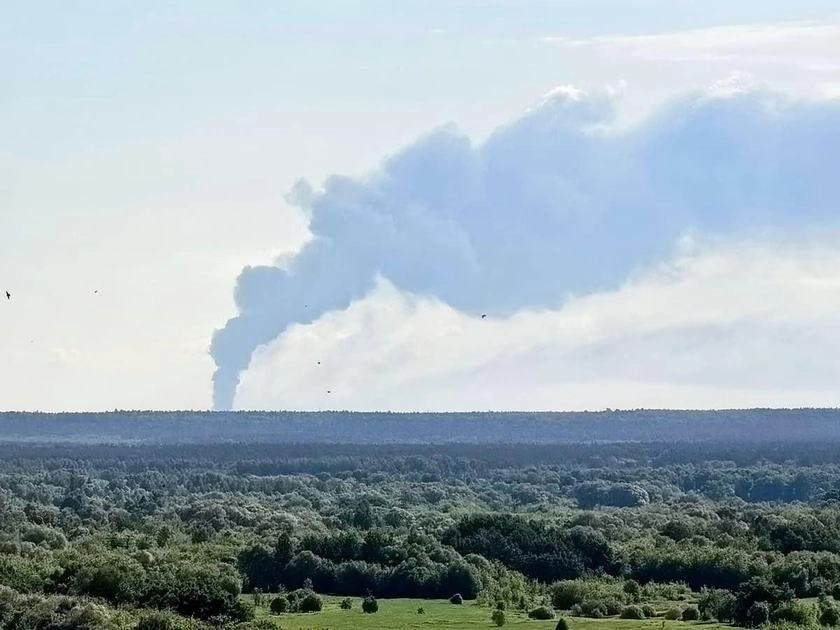
Ukrainian drones have changed the conduct of the war. They have reached deep into Russian territory, disrupted oil refineries, struck military and industrial targets, and forced Moscow to acknowledge that its rear is no longer safe.
At the front, Russian soldiers know the cost even more directly.
That is why Putin chose to discuss the issue on camera.
Ukraine Approves National Pantheon Law to Honor State Builders, Military Leaders and Cultural Icons
With Russian losses reportedly reaching around 30,000 troops a month, the Kremlin needs to show that it has answers.
Putin’s repeated assurances followed a clear pattern: yes, drones are a problem; yes, Ukraine is adapting quickly; but Russia, he insisted, has new technologies, many models and enough weapons. The only question, according to him, is choosing the most effective ones and getting them to the front faster.
In other words, the point of the performance was not to make public what the public already knows too well. It was to convince Russians that a solution exists.
Russian troops struggle to detect newer Ukrainian drones
One Russian serviceman told Putin that Ukrainian drones are increasingly operating at frequencies between 8 and 12 gigahertz, making them harder for Russian ground-based systems to detect.
“Our ground-based devices have stopped seeing them,” the soldier said.
He asked whether commercial laboratories could be allowed to produce and supply modules to counter Ukrainian UAVs.
“The enemy constantly changes parameters,” Putin said. “We need a system that responds flexibly to what the enemy is using and stays one step ahead.”
AI-guided Ukrainian drone swarms
Another serviceman warned Putin that the war is becoming more technological every day and that Ukraine is already deploying advanced drone systems on the battlefield.
A Russian serviceman also told Putin that Ukrainian drones operate with the help of the Starlink system, while Russia does not have an equivalent system at scale.
Putin insisted that Russia has already developed such a system and that the only remaining issue is scaling it. But he gave no name, no technical details and no clear timeline.
Since Ukraine moved to block Russia’s illegal use of Ukrainian Starlink terminals, Russian losses have risen, while Ukrainian forces have been able to regain more territory since February.
“There are many things the enemy does not have, but we do,” Putin said. “And there will be more, and they will be better.”
That was the real meaning of the Russia Day spectacle. It was designed to persuade the public that a war made increasingly difficult by Ukrainian technology is still under Kremlin control.
He then claimed that Russia is “practically alone” against the “collective West” and accused all NATO countries of organizing hostile actions against Moscow.
“This is exactly the war they unleashed against Russia,” Putin said, again denying that Moscow started the war with its full-scale invasion of Ukraine.
When did war become “war”?
Putin and servicemen repeatedly used the word “war” at the orchestrated event, raising the question: when did war become war?
And not a “special operation” – the carefully designed term used to downgrade its scale and duration?
After ruthlessly targeting those who called the war by its name, the Kremlin now seems to have accepted that this lie is no longer useful.
It remains to be seen whether Putin’s promises of being “one step ahead” will ever be realized.
But what is clear is that Ukraine did not merely disrupt Putin’s Russia Day. It forced him to use the holiday to explain why Russia is still trying to catch up.
You can also highlight the text and press Ctrl + Enter
Russia Hit by 660-Drone Overnight Barrage Targeting Moscow, Crimea and Key Military Sites