The 2026 Munich Conference left one crucial question unanswered: Is Europe truly prepared to shoulder the responsibility of sustaining Ukraine until it succeeds in driving Russian forces out of its territory?
The conference delivered the same call for Europe as the year before: stop looking for help from the US and focus on ending Russia’s war in Ukraine.
JOIN US ON TELEGRAM
Follow our coverage of the war on the @Kyivpost_official.
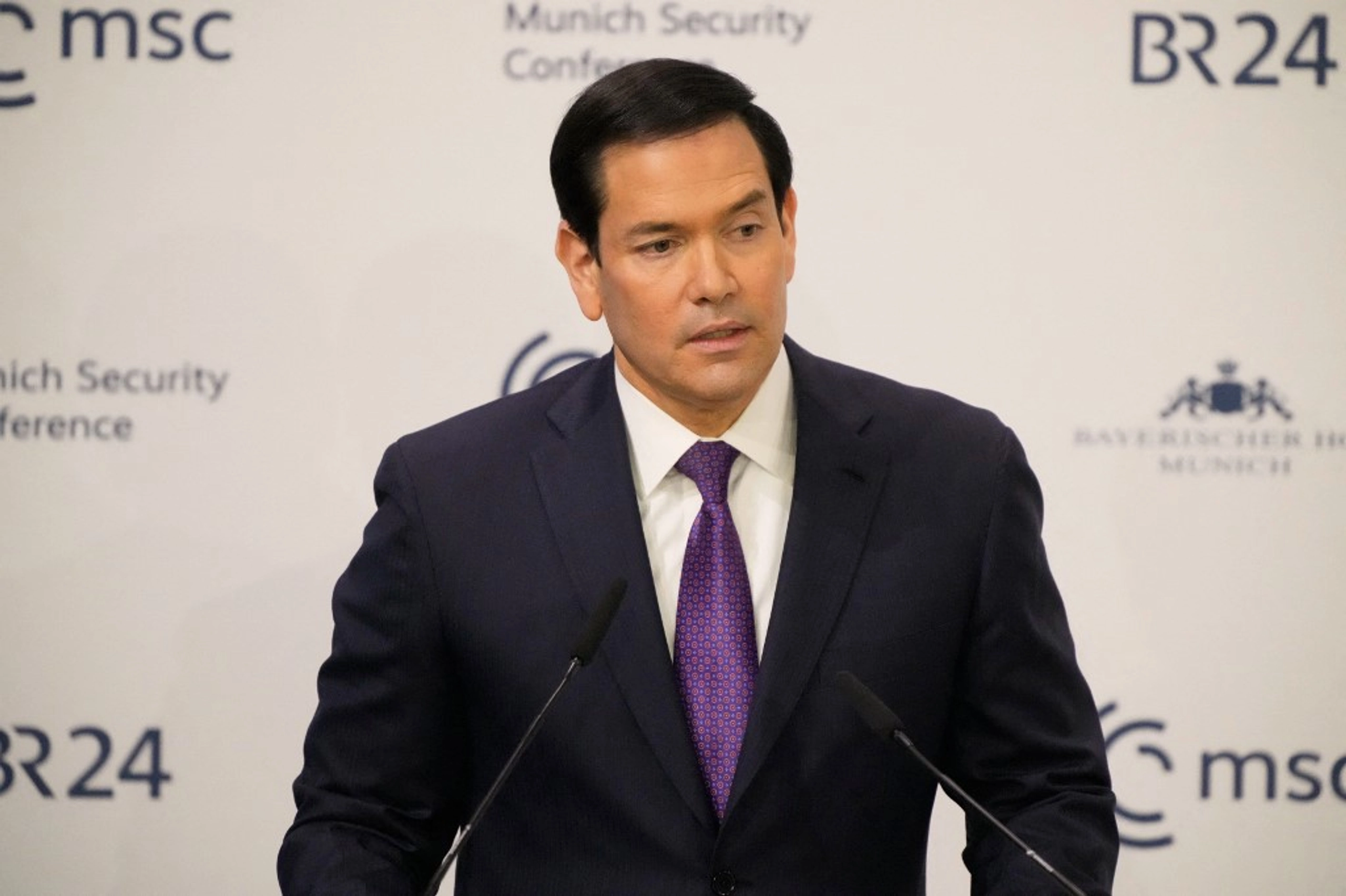
This year’s meeting was not as dramatic as last year’s. It was measured by Marco Rubio’s assurance that the United States would not walk away from NATO. But also with the reiteration that the US is not returning to its old role as Europe’s primary protector. And Russia’s war against Ukraine is still Europe’s responsibility to manage.
A year passed by, so where is the Europeans’ resolve in terms of going it alone and supporting Ukraine? They have progressed remarkably, but is Europe ready to shoulder the further war when the peace negotiations collapse?
It looks today that Trump’s jolt of 2025 served as a necessary wake-up call because it created good results: it pushed Europe to action.
And the shift is unmistakable, to the surprise of Vladimir Putin, who underestimated Europe’s resolve, which has moved from primarily reacting to events in Ukraine to building a more durable, European-led deterrence posture.
- Defense spending has surged — up 24% in Eastern Europe and 14% in Central and Western Europe in 2024 alone. Germany is heading toward 3.5% of GDP for defense by 2029, while Poland is investing heavily in armor, artillery, and air defense.
- This momentum is backed by EU financing. Through SAFE, part of the “ReArm Europe/Readiness 2030” plan, up to €150 billion in loans will accelerate joint procurement and close capability gaps, contributing to a broader push to unlock over €800 billion in defense investment. The European Defence Industry Programme (2025–2027) adds €1.5 billion to expand production and secure supply chains.
This is no longer rhetoric. It is a large-scale rearmament.
There has also been a practical rethink of how defense is organized. The old efficiency-driven “just-in-time” approach is giving way to a “just-in-case” model: long-term contracts, bigger ammunition stockpiles, and stronger supply chains.
On the eastern flank, deployments have grown from battalion-sized units to brigade-level formations. With Finland and Sweden now in NATO, attention has expanded to the Arctic and the protection of critical maritime infrastructure. Cooperation on air power resilience, drone capabilities, and countering hybrid threats has deepened. Initiatives such as “Eastern Sentry” reflect a broader awareness that security today extends well beyond conventional troop movements.
What stands out most, however, is the change in mindset. Europe is moving from peacetime assumptions to long-term deterrence planning. That psychological shift may prove more important than any single budget line.
What does this mean for Ukraine?
- First, it signals that support is becoming more sustainable. A stronger European defense industrial base means more predictable ammunition flows and equipment deliveries, less dependent on political cycles.
- Second, a more capable European pillar inside NATO strengthens deterrence against further Russian escalation, reducing the risk that Ukraine’s war widens.
- Third, it reinforces the message that Ukraine’s security is not a temporary cause but part of Europe’s long-term strategic calculus.
It is a lot, but the reassurance from Washington should not tempt Europe back into complacency. Instead, it clarifies the path forward: a stronger European pillar within NATO, backed by American strategic power.
That balance — not panic, and not dependency — is what will keep the Alliance and give Ukraine a more stable strategic horizon. But there is an immediate challenge for Europe.
It is unlikely that peace negotiations will bring what the US Administration wants – the end of the war. At this point it will fall upon Europe: assuming responsibility for sustaining Ukraine in its war against Russia.
Taking over the negotiations and telling the Kremlin: please leave Ukraine would be the step marking this change. Europeans have to be certain, however, that they are strong enough and determined to apply an alternative, making Russia leave. Are they?
The Munich Conference did not provide an answer to this question. Europeans did not make an offer to the US – we take it from here, but we would like to get from you XYZ.
You can also highlight the text and press Ctrl + Enter

Russia Hit by 660-Drone Overnight Barrage Targeting Moscow, Crimea and Key Military Sites