Ukraine’s emerging anti-ballistic defense system – described by its developer as a “shield” rather than a single weapon – has completed aerodynamic testing, but still requires full integration with radars, command centers, and guidance systems before it can intercept ballistic missiles.
Fire Point chief designer and co-owner Denys Shtilerman said in a post on X that the project has reached an advanced technical stage, but remains incomplete as a system.
JOIN US ON TELEGRAM
Follow our coverage of the war on the @Kyivpost_official.
He stressed that the missile element of the project is already capable of performing high-intensity maneuvers required for intercept missions, but on its own cannot function as an operational air defense tool.
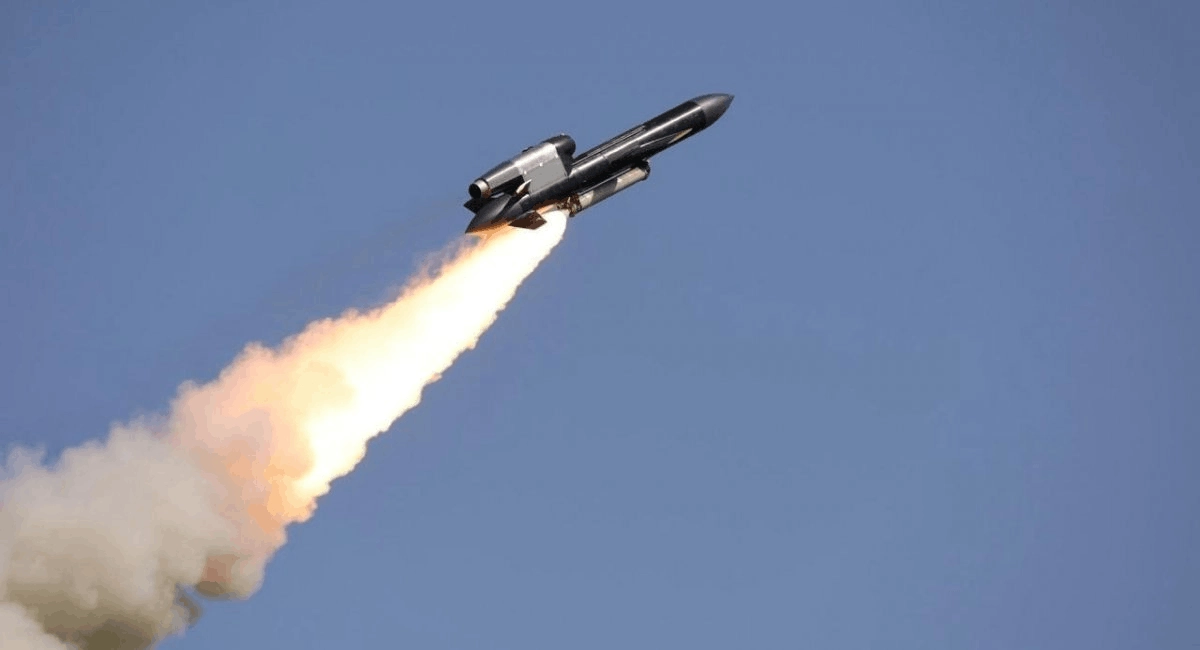
“A rocket is a rocket – it’s ready. From an aerodynamics standpoint, it fully executes all control commands, and it does so rigidly and aggressively – exactly as needed to intercept ballistics. We’ve achieved that,” Shtilerman said.
However, he added that the interceptor is only one part of a broader “anti-ballistic shield” architecture.
According to him, four key components are still required to make the system combat-ready:
- A seeker head developed by a leading European partner;
- Integration with command-and-control (C2) systems;
- A secure, electronic warfare-resistant data link for target designation and in-flight corrections;
- Integrated radar systems capable of detection and tracking.
Shtilerman said Fire Point is currently working with European partners to develop and integrate all four elements, which he described as essential for creating a functioning layered defense system.
He added that the goal is not simply to build a missile, but to assemble a coordinated network capable of detecting, tracking, and intercepting ballistic threats in real time.

Ukraine to Begin Phased Demobilization by End of 2026
Earlier statements from the company indicated that the interceptor itself is already aerodynamically complete and responsive to control inputs, but remains dependent on external systems for operational deployment.
The comments come as Ukraine continues to expand its air defense capabilities amid ongoing Russian missile and drone strikes.
The issue of strengthening Ukraine’s air defense network was also discussed at the Group of Seven (G7) summit in France, where Western allies pledged additional support, including air defense systems and long-range weapons.
The FREYJA project
Shtilerman recently unveiled details of FREYJA, a joint Ukrainian-European missile defense project designed to intercept Russian ballistic missiles.
According to the developer, the system’s FP-7.X interceptor can reach speeds of up to 2,000 meters per second (4,500 mph) and track targets using infrared guidance.
On June 3, Fire Point said it had successfully tested a missile that could become the backbone of the future FREYJA system amid a persistent shortage of foreign air defense interceptors.
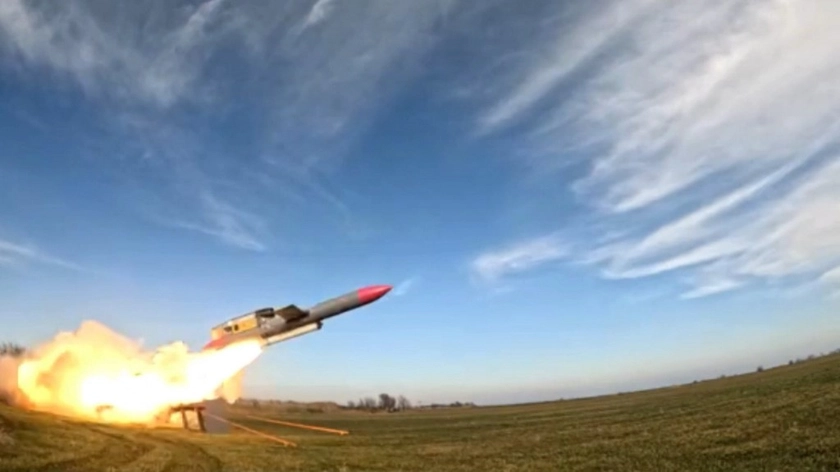
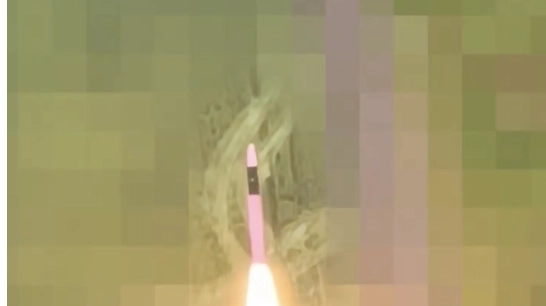
The company, which manufactures Ukraine’s Flamingo cruise missiles, released footage showing a test flight of the FP-7.X missile.
The video, published by Fire Point Chief Technology Officer Iryna Terekh, showed what she described as a fully controlled maneuvering flight conducted just days earlier.
“No matter how unrealistic and ambitious this goal may sound today, we are exerting all possible and impossible efforts to make it a reality as soon as possible, so that Ukraine can close its skies on its own,” Terekh wrote.
European radar and command-and-control manufacturers are already participating in the FREYJA project, while deployment timelines will depend on the pace of integration with international partners, according to Fire Point.
You can also highlight the text and press Ctrl + Enter