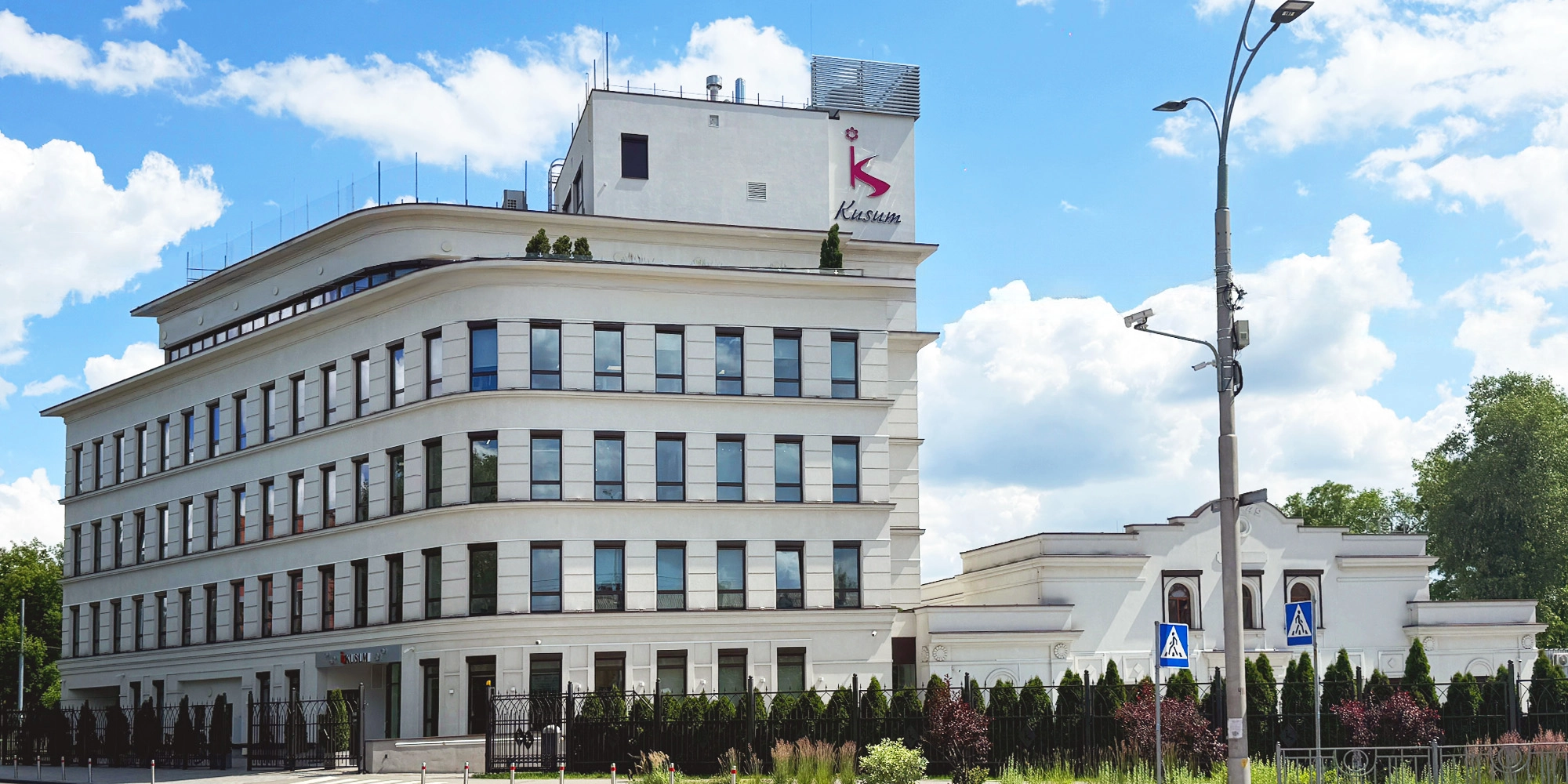
While many international companies were reviewing their presence in Ukraine after the start of the full-scale invasion, the pharmaceutical company KUSUM chose a different path. Despite the war, logistics disruptions, the energy crisis and constant security risks, the company not only maintained its operations, but also continued to invest in the development of the Ukrainian economy. From the first days of russia’s full-scale invasion of Ukraine, KUSUM has been actively supporting the state. During 2022–2026, the company allocated more than 5.7 million US dollars to humanitarian aid, charitable and social projects.
KUSUM has been operating in the pharmaceutical market of Ukraine for over 30 years and is one of the largest investors in the country’s healthcare sector. The core of KUSUM’s portfolio consists of medicines used to treat chronic diseases, which patients often take for years or even throughout their lives. That is why any disruptions in the availability of such medicines can have serious consequences, as switching to another therapy often requires additional medical supervision and is not always without risks for the patient.
JOIN US ON TELEGRAM
Follow our coverage of the war on the @Kyivpost_official.
Despite the full-scale war, the company continued to invest in the economy of Ukraine. The total amount of KUSUM investments over the past four years has already exceeded 12 million US dollars. These funds were directed to the development of production facilities, logistics infrastructure, quality assurance system, along with the creation of a separate modern laboratory for quality control of medicines. KUSUM is a responsible employer that provides its employees with stability and confidence in the future. The company employs more than 1,000 people and a significant part of them are in front-line cities, so their safety remains the main priority.
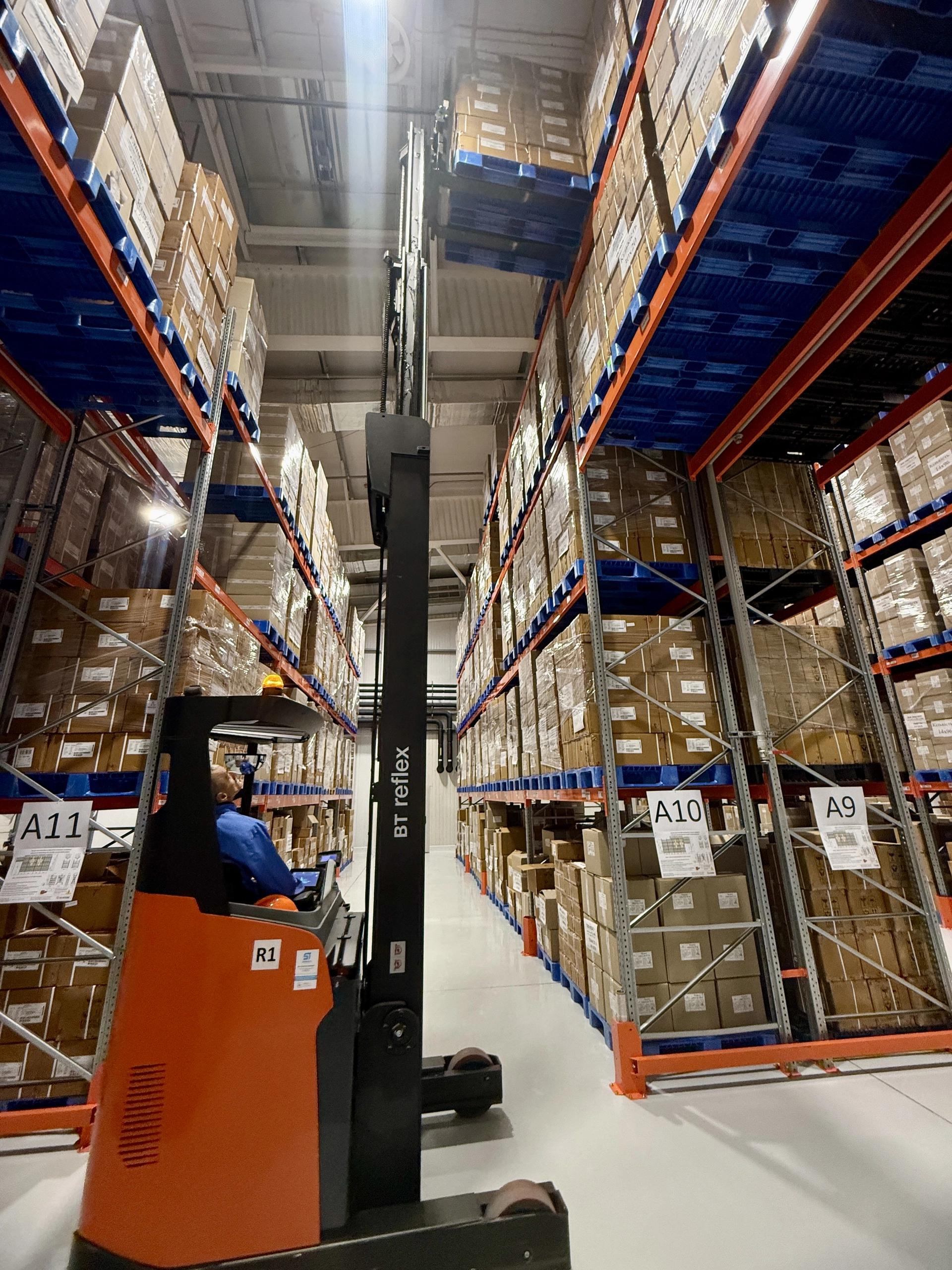
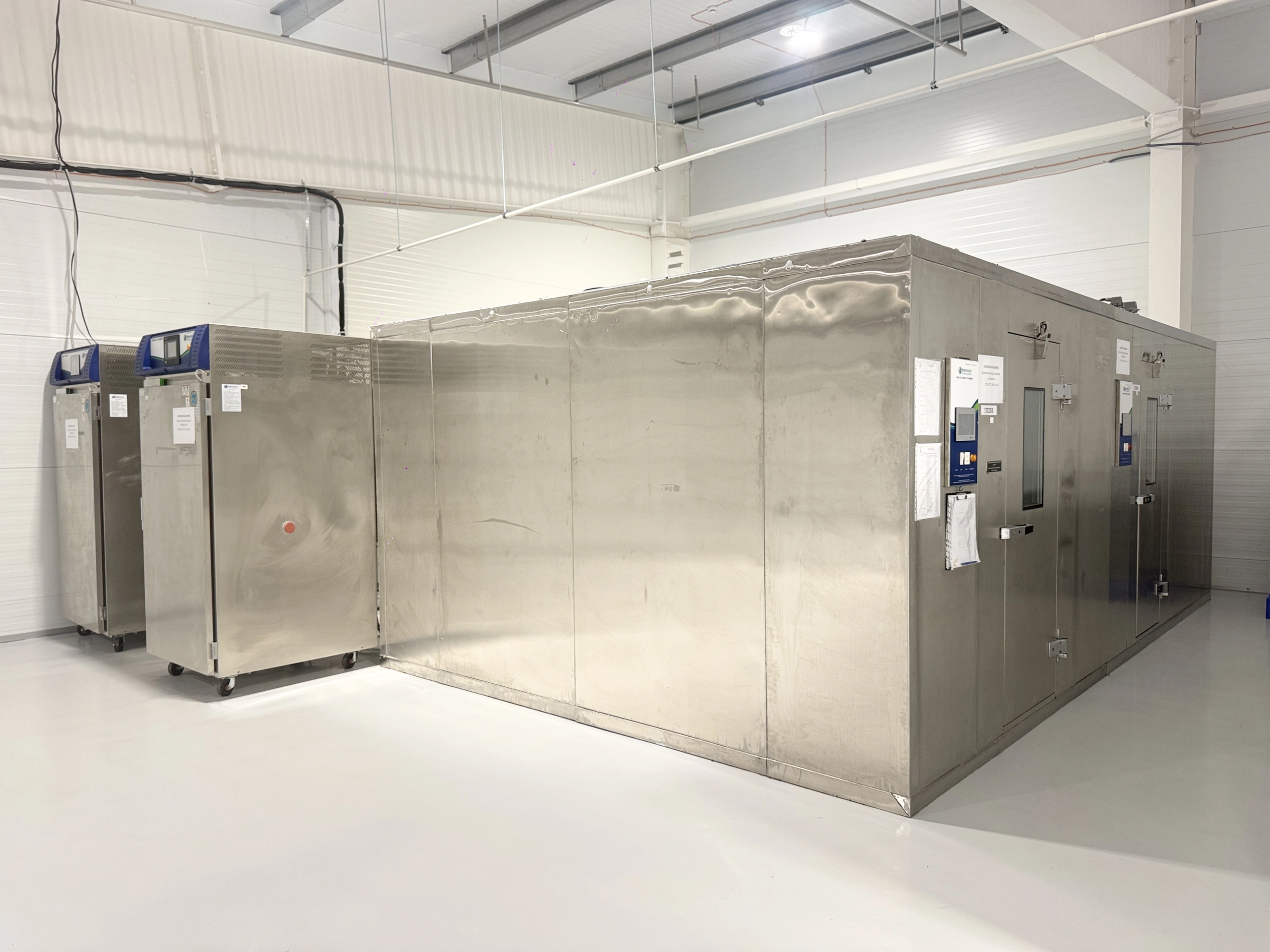
One of the company’s recent projects was a modern production and warehouse complex near Kyiv. The total area of the complex is 3528.6 m², which allows for the simultaneous storage of more than 2040 pallets. In addition to the warehouse infrastructure, the complex includes a secondary packaging area for medicines in bulk with a total capacity of 2.8 million packs per year. Special attention is paid to the quality and safety of processes. All production operations, equipment and IT systems are regularly validated and audited. The warehouse premises ensure compliance with the temperature regime in accordance with the established requirements for the storage of medicines. A 24-hour automated temperature and humidity monitoring system records indicators every 10 minutes and automatically sends SMS and e-mail messages in case of deviation from the established parameters.

To ensure continuity of work, the complex is equipped with powerful diesel generators that guarantee 100% autonomy in the event of a power outage. The facility operates using modern equipment and adheres to high occupational safety standards.
Back in 2024–2025, KUSUM was working on the possibility of building a new pharmaceutical plant in Ukraine. The company viewed this project as a logical continuation of many years of work on the Ukrainian market and a contribution to the post-war economic recovery.
However, as noted by the KUSUM company, due to regulatory uncertainty and ambiguous interpretation of the legislation by the State Service of Ukraine on Medicines and Drugs Control (SMDC), as well as the specifics of the work of the Central Laboratory and SE «UPQI», the company was forced to reconsider its plans. According to the manufacturer, future investment plans have been put on hold, in particular, a decision has been made to reorient the construction of a new plant to Dubai.
As the investor’s representatives note, the problem is that the same legislative norm can be interpreted differently by the regulator depending on the specific situation. As a result, business loses the ability to predict the terms, requirements and results of regulatory procedures, and which contradicts the fundamental principles of legal certainty that operate in the countries of the European Union. For business, this means not only administrative difficulties. In large investment projects, uncertainty automatically transforms into financial risks based on a lack of predictability. An investor can accept strict regulatory requirements if they are clear and equally applied to all market participants. However, a situation in which the same norm can be interpreted differently creates serious risks for long-term planning.
According to industry representatives, the activities of laboratories subordinate to the SMDC require special attention. The business community notes that there are cases when unfavorable test results of primary control are later changed to positive ones based on the results of arbitration studies. In addition, market participants report the risks of long waiting times during periods of high workload on laboratories, which, according to estimates by individual importers, in isolated cases reached more than 70 days. And, again according to them, it slowed down the market entry of medicines.
Even though the legislation provides for the possibility of operating importers’ own certified laboratories (in the creation of which companies invest tens of millions of hryvnias) – in practice, the potential of such laboratories, as market participants note, is not fully used in conducting laboratory analysis of finished medicines. According to industry experts, such delays can lead to additional financial costs for manufacturers and delays. For patients – the risk of delaying access to the necessary medicines, and for investors – another signal about the lack of stability and predictability of regulatory procedures.
The described facts force the business community to raise questions about whether the approaches of the SMDC, the Central Laboratory and the SE “UPQI” correspond to the declared goal of protecting patients; or whether they complicate the work of legal manufacturers.
This case demonstrates a systemic problem that affects the overall investment image of the state. The most indicative thing in this situation is that, according to the investor’s statement, it was not the war itself or economic instability that ultimately halted the investment project but rather regulatory risks and the lack of firm faith in compliance with the principle of legal certainty.
Investors are ready to work in Ukraine even during a war. It is much more difficult to work in conditions where the main risk for business is not missiles but the unpredictability of the state regulator’s actions. As long as the practice of ambiguous interpretation of legislation, as well as the approaches to the work of individual regulatory bodies, remain unchanged, attracting significant investment into Ukraine’s pharmaceutical industry will remain extremely difficult in the pharmaceutical industry of Ukraine, according to industry experts.
You can also highlight the text and press Ctrl + Enter

Putin’s Worst Nightmare