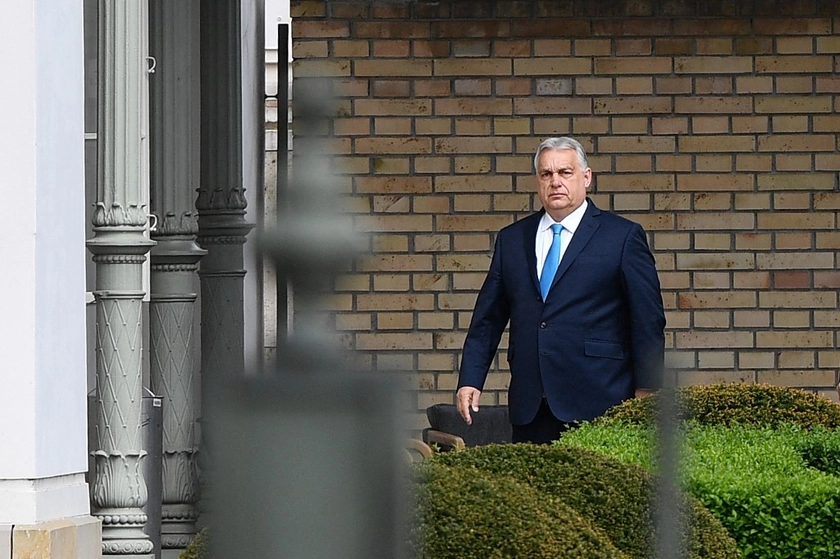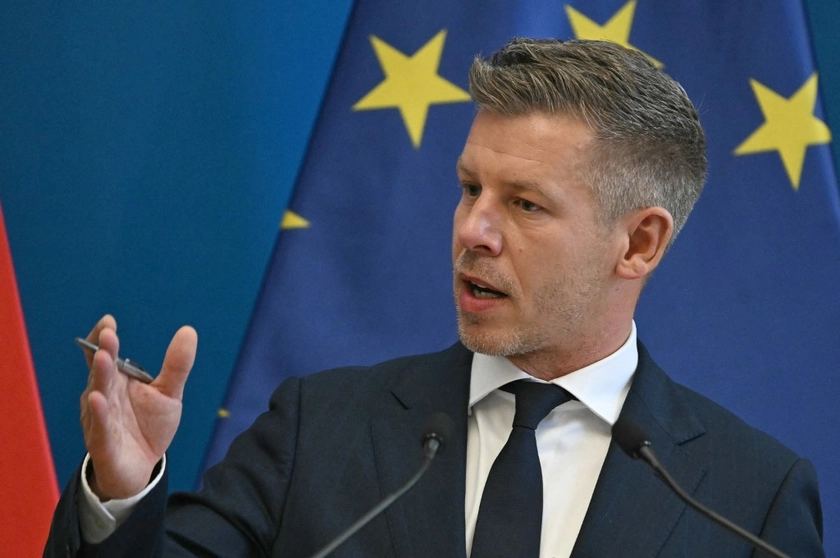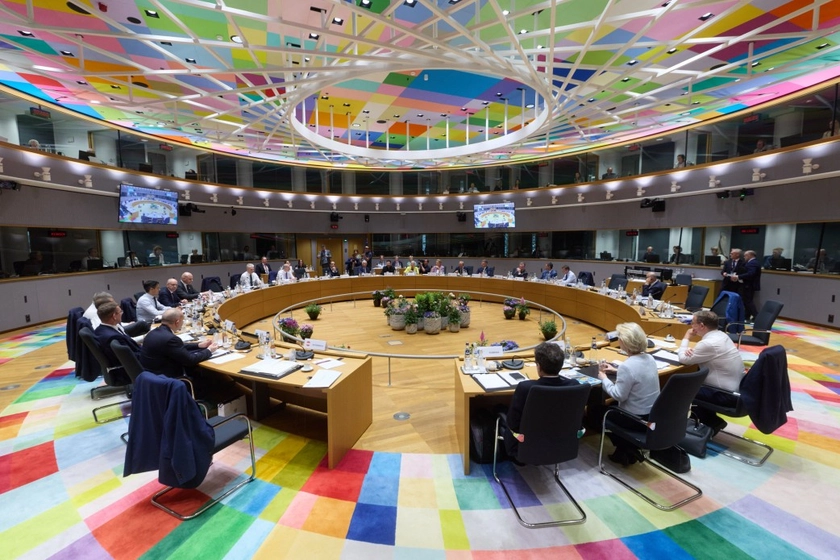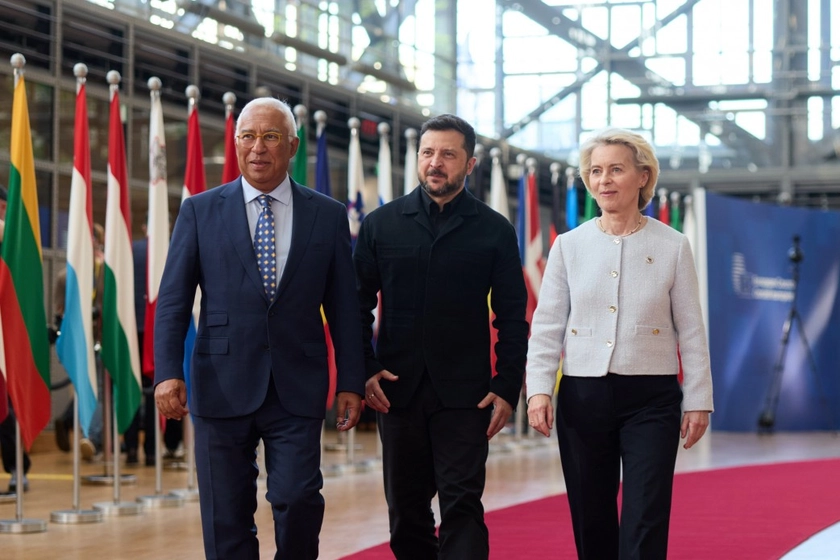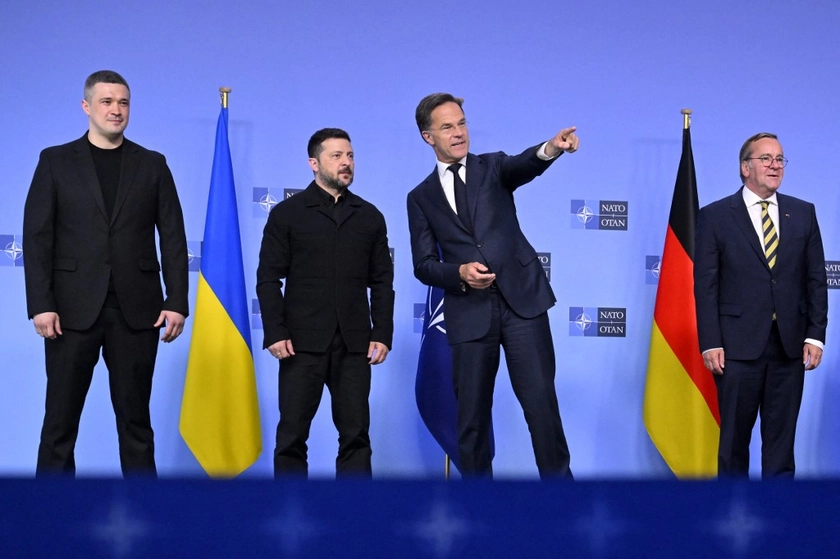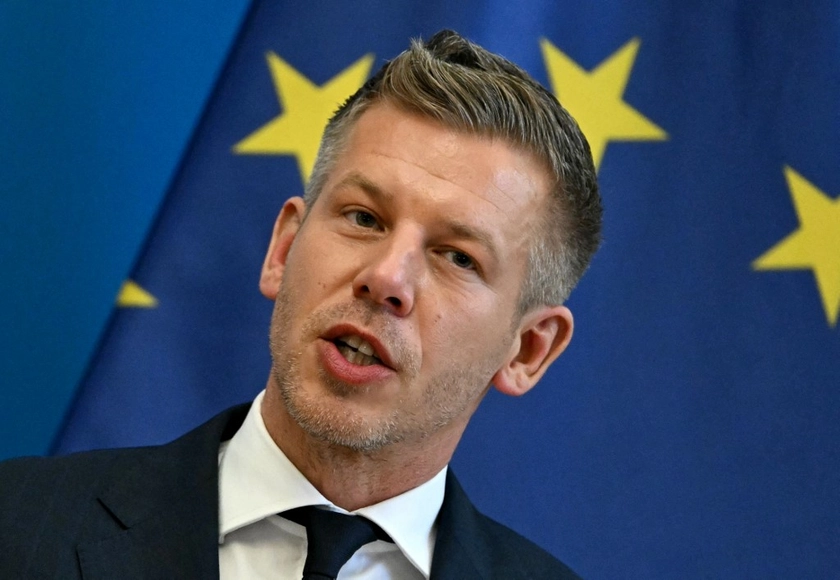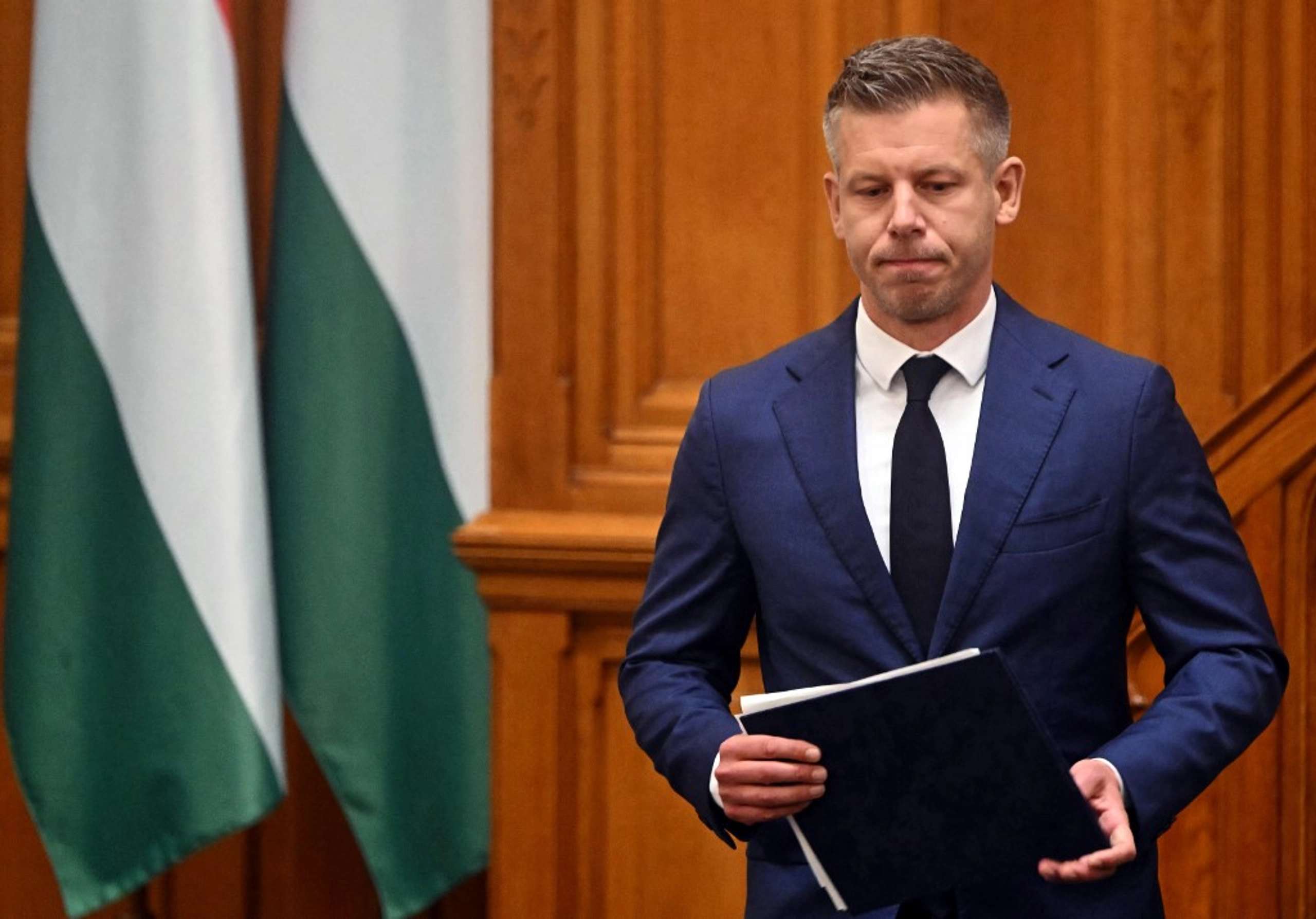
Hungarian Prime Minister Peter Magyar said he secured the removal of a clause on accelerating Ukraine’s EU accession from the European Council summit conclusions after four hours of intense debate.
Writing on X, Magyar said the first agenda item of the summit was closed only after the Ukraine section of the final document was reduced to previously agreed language.
JOIN US ON TELEGRAM
Follow our coverage of the war on the @Kyivpost_official.
He said the text had been “significantly refined based on a Hungarian proposal” during weeks of drafting.
“Additionally, regarding Ukraine’s EU accession process, at my initiative, a clause referring to accelerating accession was removed from the text at the very last moment. It wasn’t easy,” he wrote.
Magyar also said the outcome of the summit marked a rare moment of consensus among member states.
“For the first time in a year and a half, there can be a closing declaration accepted by all member states,” he added.
He framed the result as a matter of political method rather than confrontation: “That’s how it can be done, if someone comes not just to flip tables and sow fear, but strives to find a compromise.”
Despite the removal of the fast-track wording, the European Council conclusions still confirm continued support for Ukraine’s EU path.
Leaders “welcome the holding of the Intergovernmental Conference on the accession of Ukraine to the European Union and the opening of the fundamentals cluster on 15 June 2026,” and express expectations for further steps “in line with the merit-based approach.”
Ukraine Secures Over $2.5B in Defense Aid, Zelensky Says
The EU on Monday moved Ukraine and Moldova’s accession bid to the next stage after a long delay, formally launching negotiations on aligning with a first cluster of EU laws. But officials stressed that the decision marks only an early procedural step, not a faster path to membership.
Ukraine’s application had been largely stalled for around two years due to vetoes from Hungary’s then-leader Viktor Orbán. His defeat by rival Peter Magyar in April removed that blockage, allowing talks to resume.
However, diplomats and officials warned that full membership remains distant. Ukraine must still align its laws and institutions with the EU across 35 negotiating “chapters” grouped into six clusters, covering areas from justice and security to agriculture and the environment.
The process is also highly political, with any member state able to slow or block progress. One EU diplomat told AFP that “the prospect of Ukraine enlargement happening soon never was realistic,” citing the scale of reforms required and the fact that Ukraine remains at war.
Magyar has also indicated he would put Ukraine’s membership to a referendum if negotiations were completed within “10 to 15 years,” underscoring continued political resistance.
At the same time, some EU leaders are floating alternatives. German Chancellor Friedrich Merz said Ukraine could eventually become an “associate member” without voting rights while reforms continue, though Kyiv has rejected any halfway status.
President Volodymyr Zelensky has insisted Ukraine must receive “complete” membership with full rights.
Others, including France and Germany, are pushing broader reforms to the accession process itself, including tighter safeguards and possible limits on voting rights for new members, warning that further enlargement could complicate EU decision-making.
Despite the renewed talks, officials including Lithuanian Foreign Minister Kęstutis Budrys say even a 2030 entry target is conditional, stressing that readiness depends both on Ukraine’s reforms and the EU’s internal capacity to absorb new members.
You can also highlight the text and press Ctrl + Enter