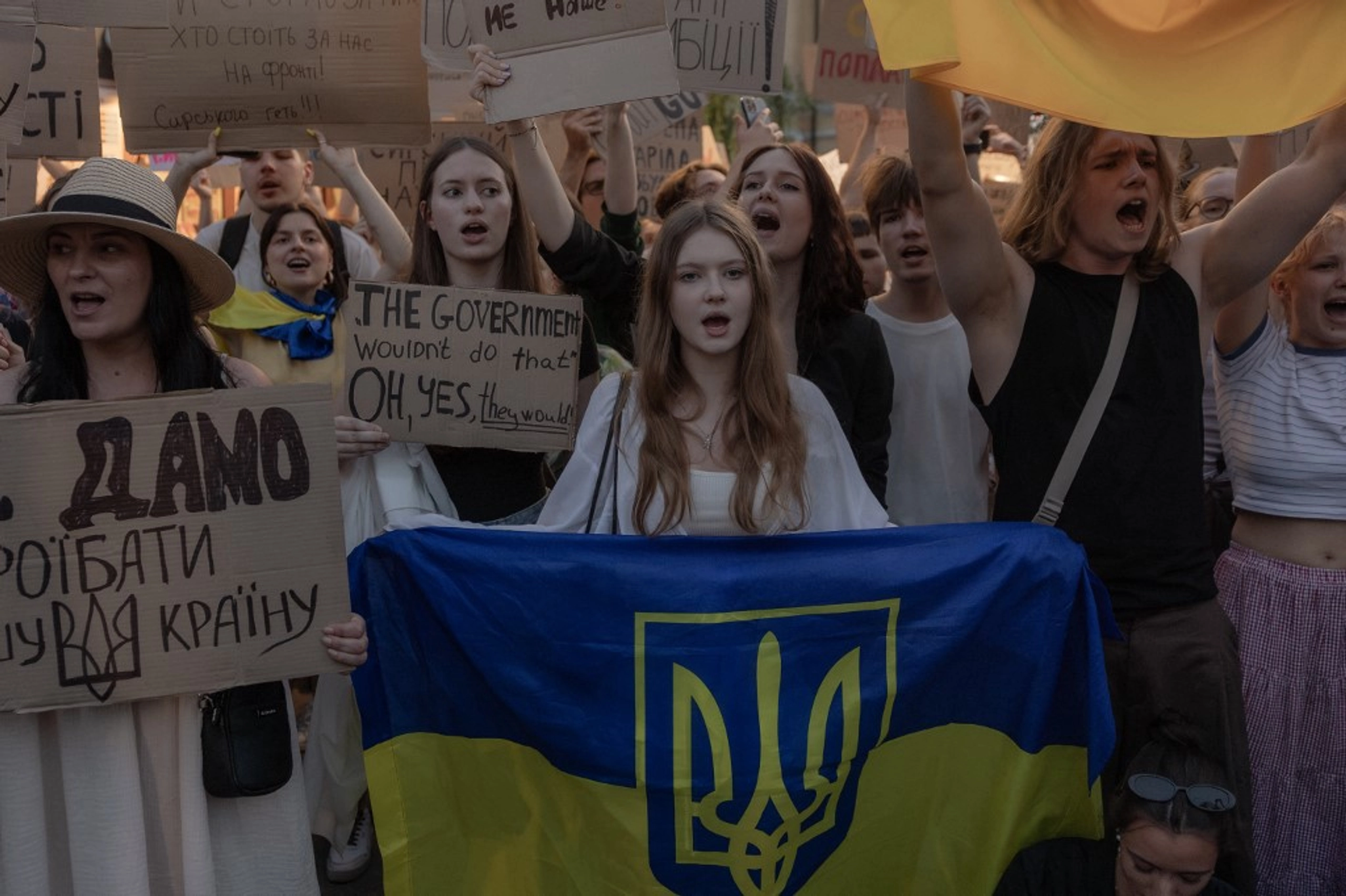
While President Volodymyr Zelensky’s sudden overhaul of Ukraine’s political and military leadership has raised concern among Western partners, diplomats cited by The Washington Post also see a “silver lining” – the continued strength of Ukrainian civil society even in the fifth year of Russia’s full-scale invasion.
A senior Western diplomat told the Post that the recent protests demonstrated that Ukrainians remain willing and able to publicly challenge major government decisions despite wartime conditions.
JOIN US ON TELEGRAM
Follow our coverage of the war on the @Kyivpost_official.
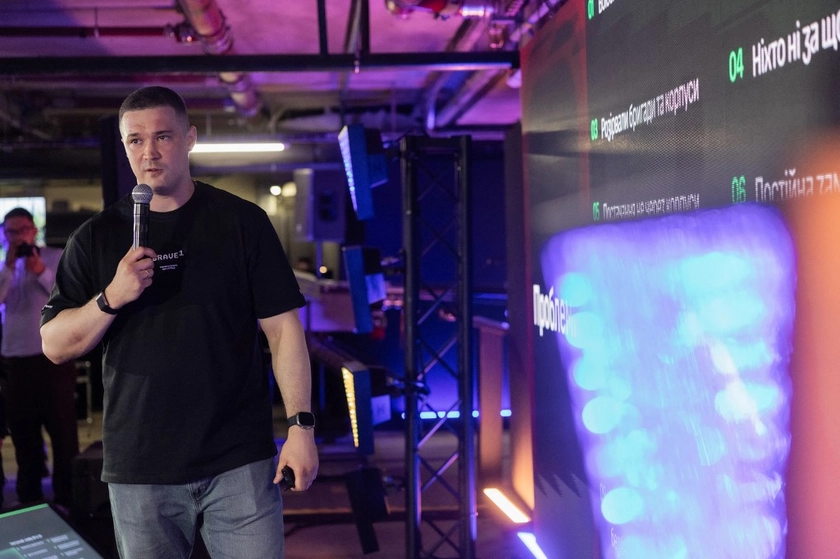
The demonstrations – the largest sustained war-related protests since Russia launched its full-scale invasion in 2022 – followed the dismissal of Defense Minister Mykhailo Fedorov and quickly expanded into calls for the removal of Commander-in-Chief Oleksandr Syrsky.
Six days after the protests began, Zelensky dismissed Syrsky and replaced him with Maj. Gen. Mykhailo Drapaty.
The consequences of that shake-up could begin coming into sharper focus on Thursday, when Zelensky is expected to continue consultations with the new military leadership. Drapaty and other commanders have been tasked with presenting an updated defense strategy covering reforms to the corps system, faster delivery of weapons and drones to frontline units, stronger air defense and a clearer approach to mobilization.
Western concern – and a sign of resilience
According to the Post, some NATO officials viewed Fedorov favorably because of his emphasis on innovation and were privately disappointed by his removal.
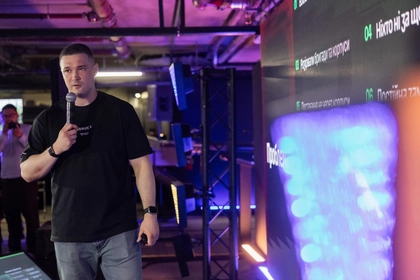
Ukrainian Soldiers Welcome Drapaty as Army Chief but Still Want Fedorov Back
Yet Western diplomats cited by the newspaper also viewed the protests as evidence that Ukrainian society continues to exert pressure on its political leadership despite more than four years of full-scale war.
Thursday’s consultations will therefore offer an early test of what follows the political crisis – and whether the new military leadership can translate demands from both the front and the streets into concrete changes.
The reshuffle has left Zelensky with a new commander-in-chief more closely associated with military modernization, but two central questions remain unresolved: whether the new command structure can deliver those reforms – and what role Fedorov will ultimately accept in shaping Ukraine’s technological war effort.
You can also highlight the text and press Ctrl + Enter