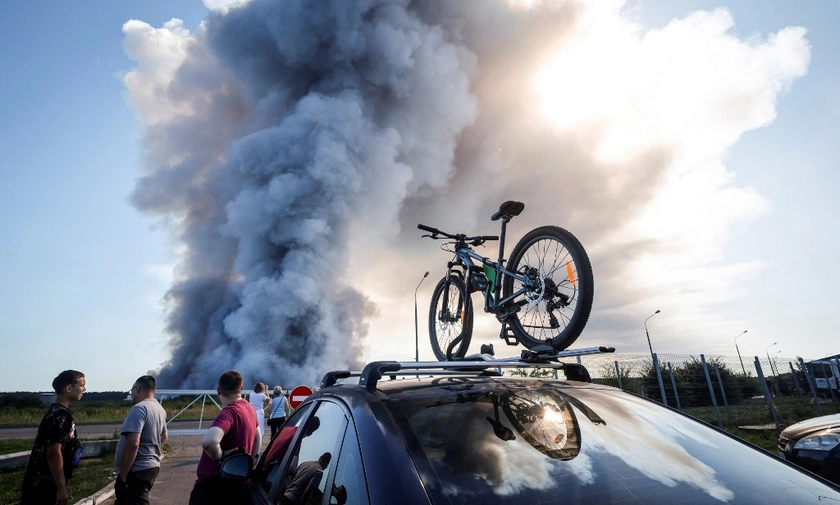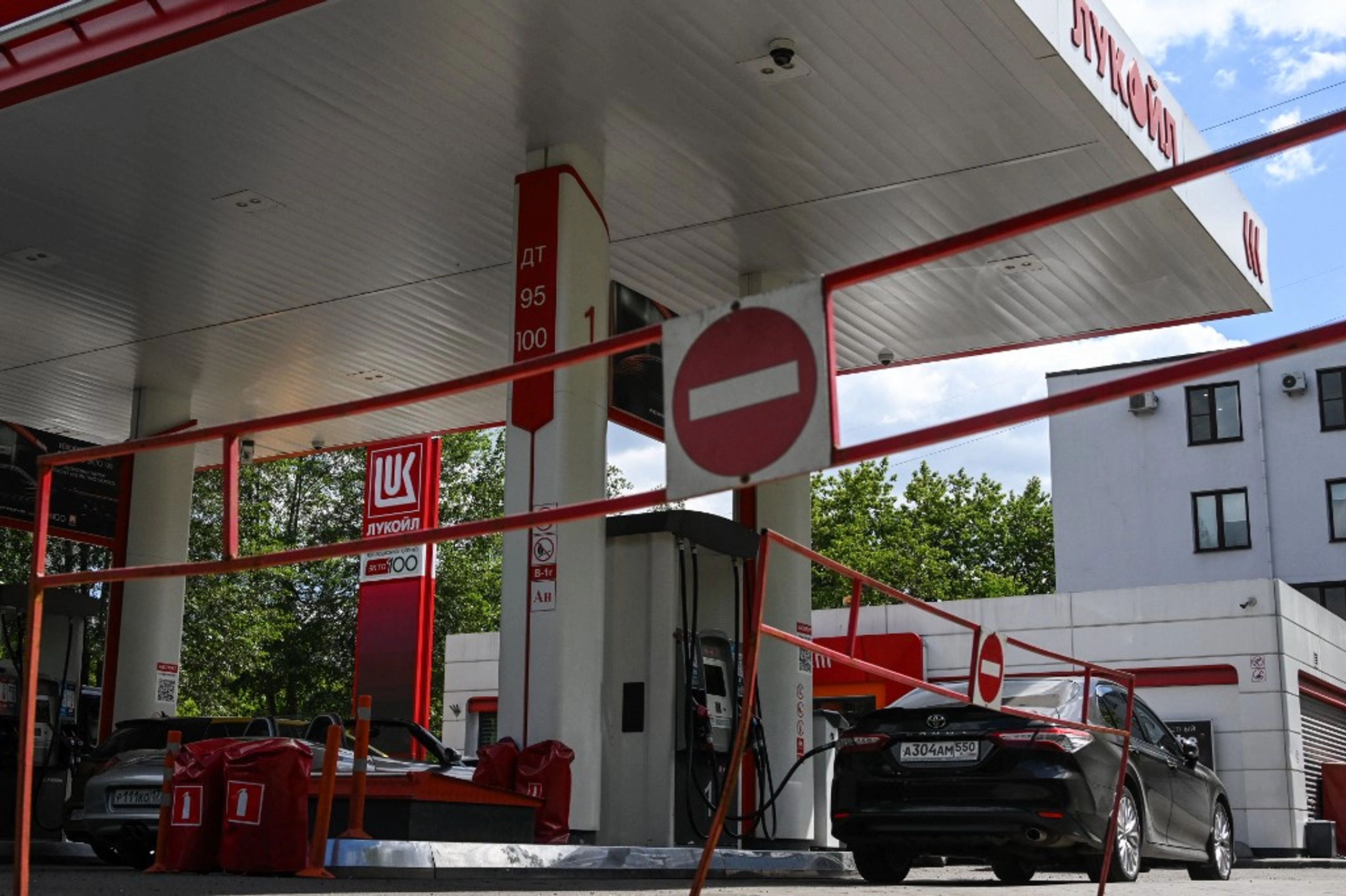
Ukraine’s sustained strikes on Russian oil refineries are now affecting fuel supplies for Russian troops, with service members reporting gasoline shortages, and restrictions on refueling military vehicles.
According to the independent Russian outlet Verstka, several Russian service members said fuel deliveries have been cut, limiting both combat operations and logistics.
JOIN US ON TELEGRAM
Follow our coverage of the war on the @Kyivpost_official.
One soldier said that while units previously received as much fuel as needed to complete missions, they are now limited to 20 liters (5.3 gallons) per vehicle per day.
“The gasoline situation is completely f***ed. Not enough is being allocated to everyone. There’s a catastrophic shortage of gasoline,” he said.
Other service members also described worsening shortages.
One mobilized soldier estimated fuel supplies had been reduced by about 30%, adding that the restrictions affect not only military vehicles but also trucks transporting ammunition and food to the front.
A soldier serving in the Zaporizhzhia sector said his unit used to receive 20 liters (5.3 gallons) of gasoline for supply runs but now receives only 10-15 liters (2.6-4 gallons). As a result, he and his comrades are forced to walk 11 kilometers (6.8 miles) to collect water, food, and other supplies.
Other troops told Verstka that gasoline has become increasingly difficult to obtain. Some said they now buy fuel from local residents for 200-300 rubles ($2.55-$3.82) per liter, while others rely on fellow soldiers returning from leave to bring fuel in canisters from Rostov-on-Don.
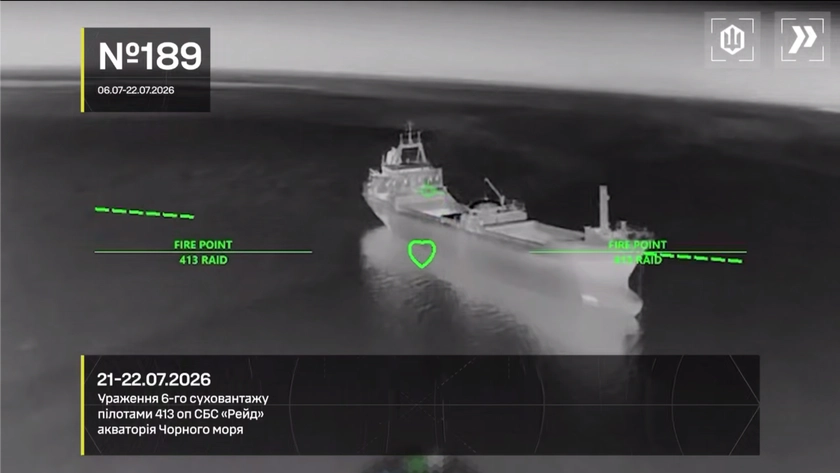
Ukraine's Drone Offensive Hits 13 Russian Ships and Crimea's Power Grid in 48 Hours
Several soldiers also complained about the quality of fuel supplied by Russia‘s defense ministry, describing it as “yellow” and noticeably inferior to commercially available gasoline.
According to the report, the ministry supplies fuel only for military vehicles. Troops must pay for fuel used in personal vehicles, generators, chainsaws, and other equipment themselves. While such equipment can be formally registered with a military unit, soldiers say doing so creates the risk of it being confiscated and reassigned elsewhere.
Fuel shortages have also increased the cost of operating generators used for communications, electricity, and water supplies.
A soldier stationed near the Kursk region said he previously spent about 50,000 rubles ($637) per month on generator fuel but now expects those costs to rise to 70,000 rubles ($892).
Russian milbloggers and volunteer groups have also acknowledged the shortages.
“We’re in touch with the guys – they’re in a complete mess with gasoline,” a volunteer group in Sergiev Posad wrote. “If anyone can, and more importantly wants to, donate a canister of gasoline, we’d be very grateful.”
Volunteers say the shortages are also complicating deliveries of humanitarian aid and supplies to frontline units.
Russia’s oil refinery output has fallen by more than 60%, reaching its lowest level in 21 years since 2005, according to Energy Aspects (EA).
Bloomberg, citing EA Analytics data, reported that Russia’s crude processing rate dropped to 3.91 million barrels per day in July 2026 – more than 1.4 million barrels per day below last year’s average.
EA Analytics compiles its estimates by tracking the entire crude supply chain, including satellite imagery of oil fields and storage facilities, as well as real-time cargo movements.
Bloomberg said that because Russia has classified official refinery data, independently assessing damage to the sector has become increasingly difficult.
Sustained pressure
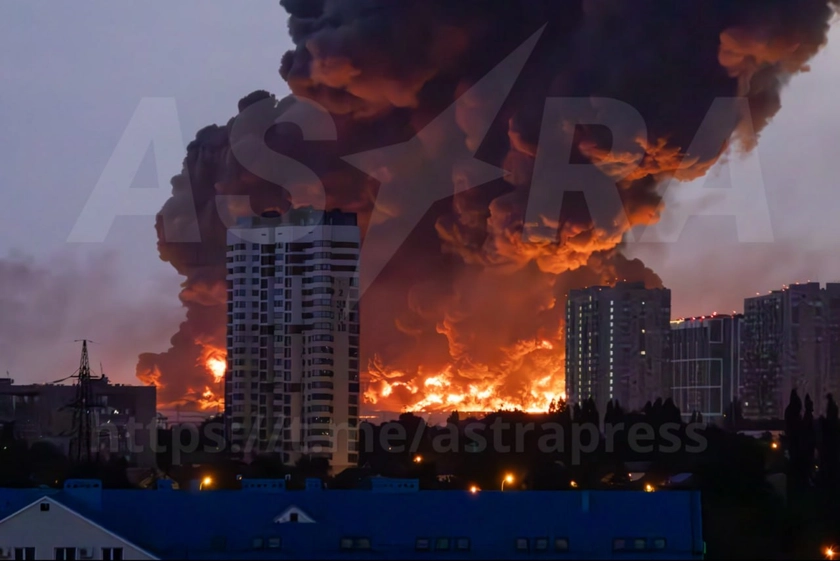
The sharp decline follows months of intensified Ukrainian strikes on Russia’s oil infrastructure.
In early July, Ukraine’s General Staff claimed the attacks had disabled 42.7% of Russia’s projected oil refining capacity. Bloomberg’s own analysis found that Ukraine has likely struck 24 of Russia’s 34 major refineries in about 50 attacks over the past 100 days.
Among the most significant was the July 6 strike on the Omsk refinery – Russia’s largest – which Bloomberg described as a key domestic fuel supplier.
Reuters reported that the attack forced the facility offline.
The sustained campaign has fueled a nationwide fuel shortage in Russia and occupied Ukrainian territories. Reports describe fuel rationing, long queues at gas stations, and occasional confrontations between motorists and law enforcement.
The crisis has also prompted Moscow to halt fuel exports, banning gasoline exports in April, jet fuel exports from June 1, and diesel exports from July 8. Russia was also reportedly in talks with India and Kazakhstan in June about potential gasoline imports.
Kyiv has described the campaign as an effort to pressure Moscow into peace negotiations.
However, Kremlin spokesperson Dmitry Peskov rejected that argument, saying Russia would instead respond by attempting to seize more Ukrainian territory.
You can also highlight the text and press Ctrl + Enter