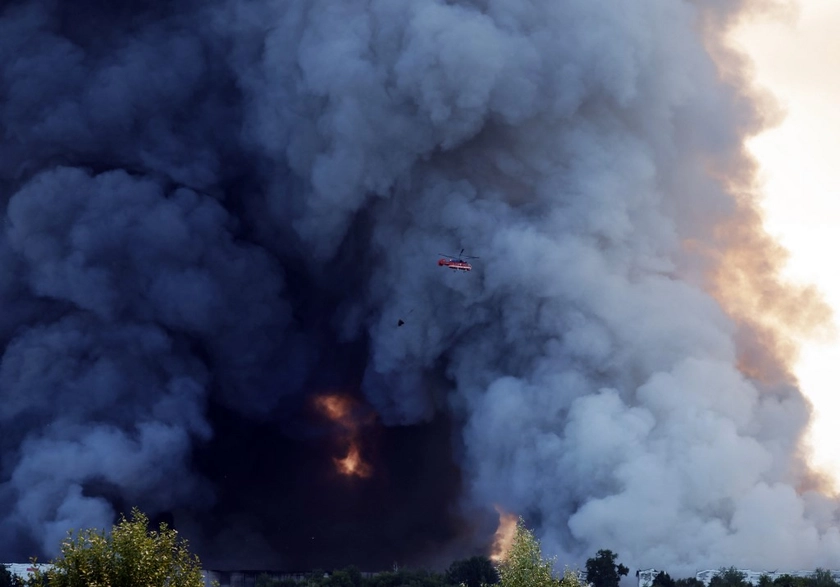
A relentless Ukrainian drone bombardment campaign launched with the objective of cutting the Kremlin-occupied region Crimea off from mainland Russia and nullifying it as a military base is now two weeks old, and most indicators show Kyiv’s massed air operation with hundreds of kamikaze aircraft flying sorties daily are proceeding well and finding plenty of targets.
Robert Brovdi, commander of Ukraine’s drone forces the SBS (Ukrainian: Сили безпілотних систем) announced on July 6 his troops were kicking off systematic attacks against Russian cargo trucks, fuel tankers, rail hubs, power grid, bridges, and automobile ferries moving people and goods to and from the Black Sea peninsula.
JOIN US ON TELEGRAM
Follow our coverage of the war on the @Kyivpost_official.
The announced campaign objective is to sever all links between Russia and Crimea, a Ukrainian territory invaded and annexed by the Kremlin in 2014, as part of a larger national strategy of forcing Russia to peace negotiations using drone strikes against high value targets. Brovdi said the intent was “logistics lockdown.”
The main effort of the Ukrainian attacks hitting Crimea and the adjacent Russia-occupied territories Kherson and Zaporizhzhia has been carried out by unprecedented numbers of domestically-developed strike drones in the air and on sea, for the most part at ranges 50-300 km (31-186 miles) from probable Ukrainian launch sites. Ukrainian workhorse, pusher-prop FP-2 drone has carried the most weight of explosives, with selected strikes carried out by batwing Begemot drones, a semi-stealth aircraft designed to fly low and stay undetected.
Ukraine Targets Russian Online Retailer
Pilots from two-thirds of the SBS’ best strike units, along with operators from Ukraine’s national intelligence agency the SBU and the Ukrainian military agency HUR, are reportedly the main force flying mid-range strike operations against targets in Crimea, southern occupied Ukraine, the Azov Sea, and the Black Sea. Per published SBS statements, at least 1,500 drones – each effectively a human-guided flying bomb capable of a pin-point strike and at least able to destroy a vehicle - are launched daily by those units.
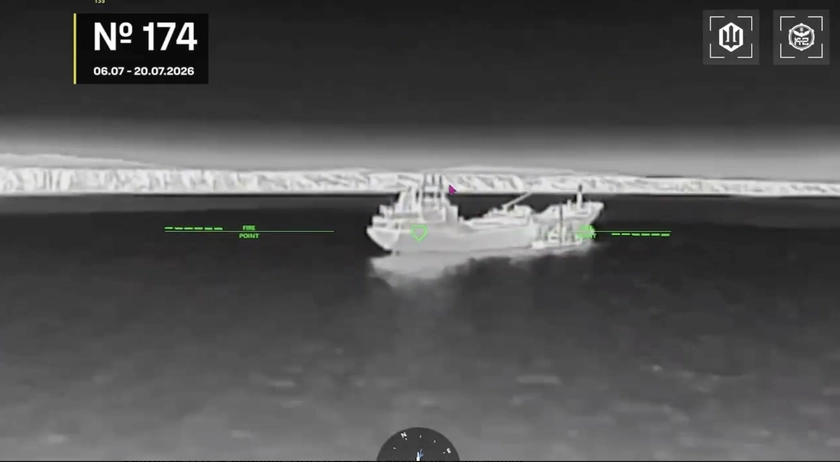
Remote-controlled, explosives-packed sea drones looking like and moving at speeds of racing motor boats carried out longer-range attacks against larger ships like tankers, oceangoing tugboats, and ferries. Warheads on those drones can be half a ton or more.
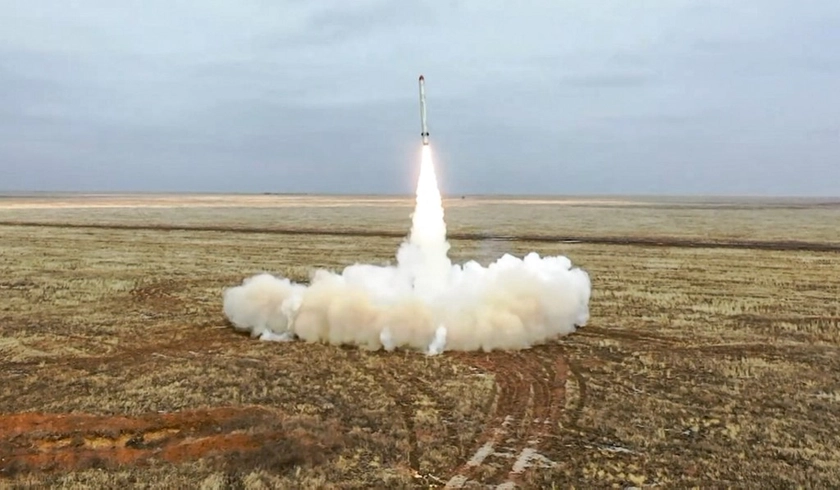
In the months leading off to the kick off of the campaign, SBS units along with conventional army units fired long-range artillery shells and surface-to-surface missiles prepared by systematically targeting Russian air defense radars, ground-to-air missile launchers, and defensive gun/missile systems. Per SBS counts partially confirmed by Ukrainian media, partisan statements and regional social media, that campaign destroyed, knocked off line or broke gaps in Russian air defenses covering Crimea and the seas around it. By early July, some heavy S-400 air defense sites had been hit three or more times, and Pantsir systems – a weapon designed by Russia to shoot down drones - were usually found and hit within a day or two.
A typical strike took place overnight from June 23 to 24 when a wave of SBS and SBU drones hit more than 60 air defense-type targets across Crimea, per subsequent strike video destroying a Pantsir-S1 system, an S-300 launcher, a ZU-23 gun system, and a Nebo-U radar at sites in Crimea.
By early July, per local accounts, Russian anti-aircraft fire remained active only around critical sites like Novorossiysk naval port in Russia’s Krasnodar region or Saki airfield by the abandoned naval port Sevastopol in south-west Crimea, while elsewhere across a swath of land and sea roughly the size of Hungary and Slovakia combined Ukrainian drones are now ranging freely. SBS video published on Monday showed Ukrainian drone targeting of Russian air defense systems had expanded east of Crimea into Russian territory, with eight strikes taking out four radars and four air defense missile systems in Russia’s Krasnodar region.
Crimea’s power grid needed by Russian forces to operate military systems, move rail shipments, and operate ports and industry was another early target. Ukrainian drones concentrated primarily on easily-ignited power transformer stations and strikes attacking both of Crimea’s two power generation plants. Attacks, overnight from July 18 to 19, hit 13 Crimea electrical substations and seven more were hit the next night, news reports citing SBS statements said. Nevertheless, geo-located drone video confirmed some of those claims.
According to news reports and Russian social media, major Crimean cities have partial power with frequent blackouts, only sometimes planned, while rural regions in the center of the peninsula have lost power for days. In the worst-hit towns and villages in Crimea’s Armyansk/Perekop region, located in the north, lights have been off for a week. Occupation authorities have said they are doing the best they can but they do not expect the situation to improve soon.
On the roads, cheap $2,000 carbon-fiber Ukrainian Hornet drones have swarmed highways leading to Crimea through Russia-occupied southern Ukraine, with hundreds of Russian freight trucks claimed struck and often set on fire, daily. Parallel strikes by heavier Begemot and FP-2 drones have hit railway and road bridges near the northern Crimea city Chongar, causeways near Armyansk and Perekop, and mountain pass gaps on the Simferopol-Sevastopol road.
A July 11 Ukraine army statement estimated that traffic volumes in Crimea were reduced by two thirds and that Russian freight truck drivers were refusing to make the Mariupol-Crimea run for any money. Crimea tourist agencies in July were reporting the worst summer season since 2014, with bookings down 80 percent. Conservative estimates of Russian trucks burnt by drones on Ukraine’s Russia-occupied southern roads or parking lots nearby, since mid-June, are between 3-5,000.
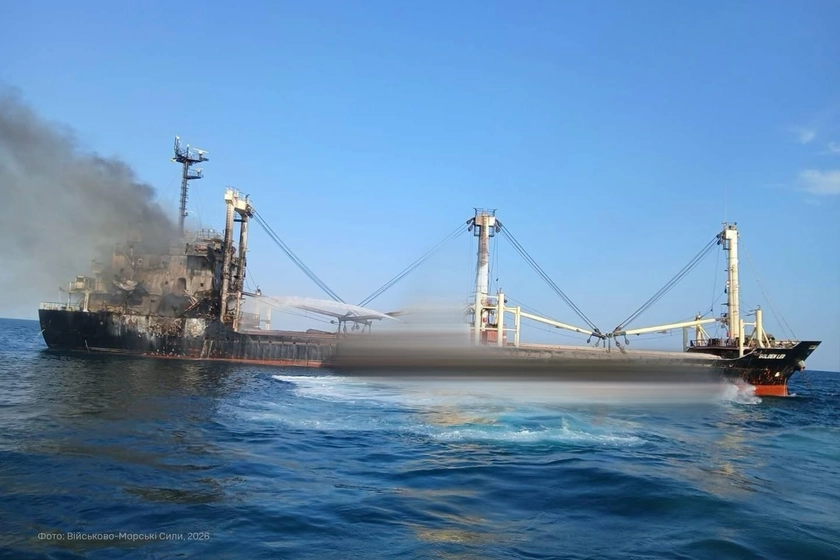
But the most visible and best-documented evidence of the successful progress of Ukraine’s two-week-old bid to sever Crimea from Russia has been at sea. SBS claimed 172 vessels of all types since the July 6 launch of anti-shipping strikes, first in the Sea of Azov, and later in the north-eastern Black Sea. Video recorded by non-Russian ship crews generally confirmed the most intense attacks were overnight from July 11 to 12 (10 oil tankers and four ferries claimed hit) and July 18 (two tankers, one dry cargo ship, one floating crane, and nine other vessels hit).
The most successful attacks hit ships at anchor north or south of the Kerch Strait, waiting for Russian security vessels to escort them through. Among ships hit, reportedly, were two convoys of tankers carrying fuel from Russia to Crimea, which turned back. Per SBS estimates, ship traffic between Russia and Crimea is 30 percent of June volumes and 75 percent of ferries servicing Crimea are either sunk or inoperable because of damage caused by drone strikes.
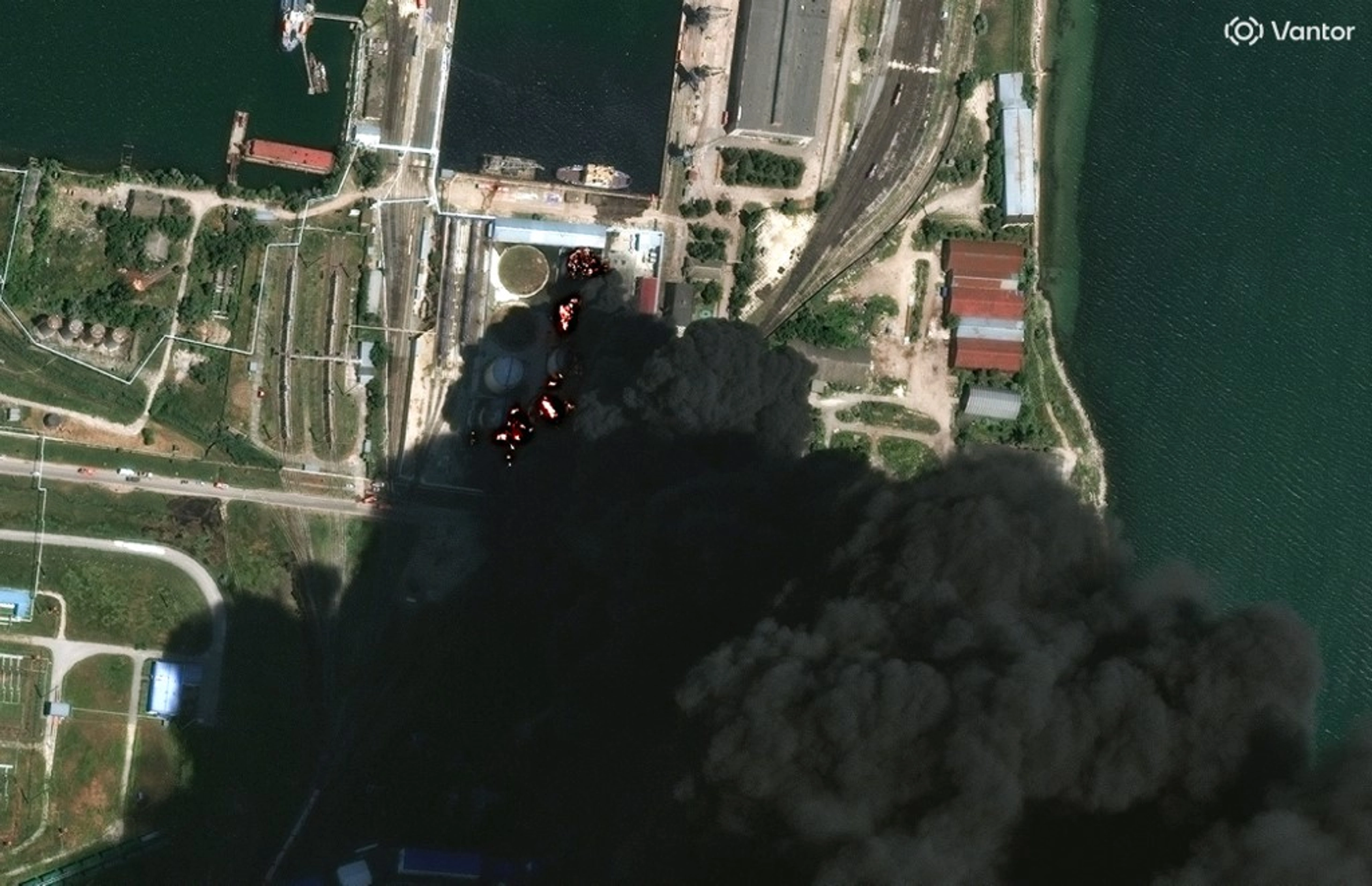
The retail fuel crisis in Crimea, thanks also to Ukrainian drone attacks that have burnt out the peninsula’s main fuel storage facility near Feodosia, have left Crimean motorists increasingly in queues or driving by shut-down fuel stations. As of Monday, fuel is so short, rationing is not possible. For the time being, Crimean drivers not working for the government or emergency services need to find other means of transportation, a Crimea occupation authority statement said.
You can also highlight the text and press Ctrl + Enter