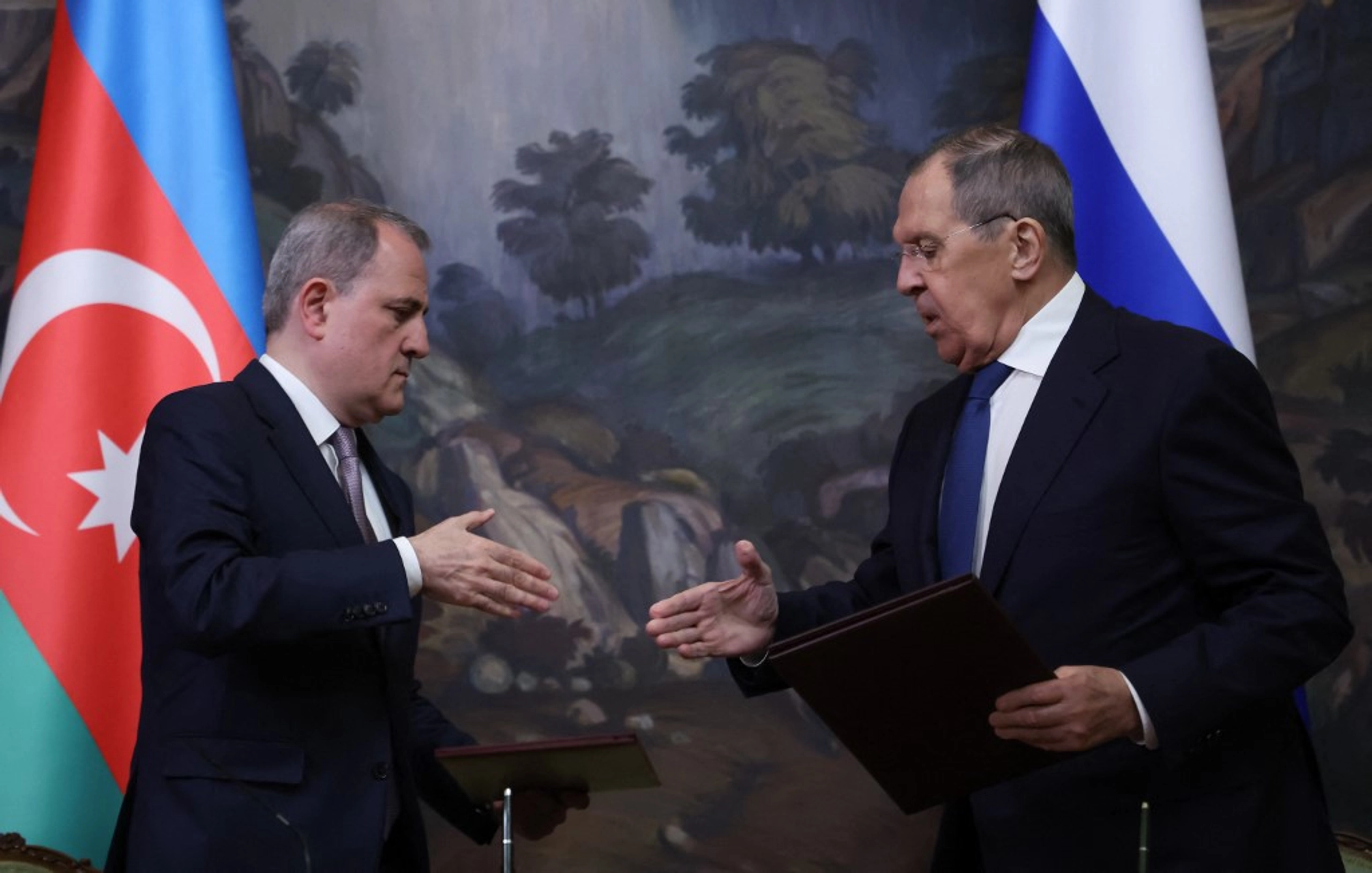
Russian Foreign Minister Sergey Lavrov and his Azerbaijani counterpart Jeyhun Bayramov met in Moscow on Friday with a clear message: the turbulence in relations between Russia and Azerbaijan is over.
Bayramov declared that the two countries had managed to leave a “difficult period” behind and “fully normalize” the entire spectrum of bilateral relations, crediting the personal involvement of Presidents Ilham Aliyev of Azerbaijan and Vladimir Putin of Russia.
JOIN US ON TELEGRAM
Follow our coverage of the war on the @Kyivpost_official.
Only days earlier, Aliyev had used the Shusha Global Media Forum to deliver an unmistakably pro-Ukrainian message. Asked what advice he would give Ukraine, the Azerbaijani leader repeated his position from a year earlier: “Never agree to occupation.”
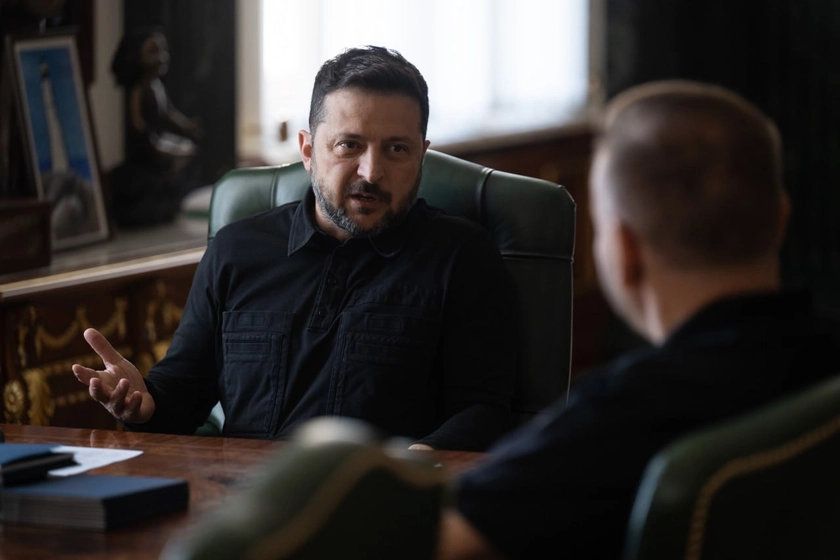
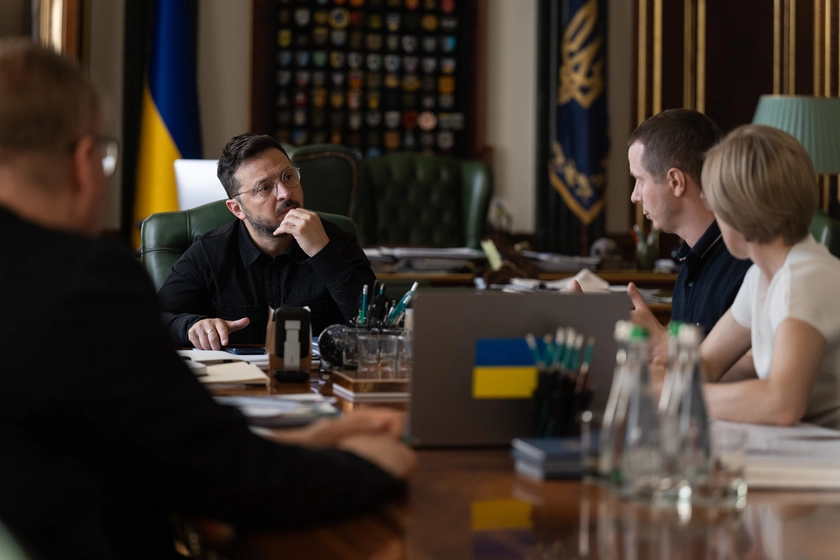
The remarks were especially notable given that President Volodymyr Zelensky had made his first wartime visit to Azerbaijan in April, signing six bilateral agreements aimed at deepening security and defense-industrial cooperation with Baku.
Days later, Aliyev’s foreign minister was sitting beside Lavrov in Moscow, having signed the Consultations Plan between the Azerbaijani and Russian foreign ministries for 2026–2027.
The two-year Consultation Plan raises questions
For critics of Baku’s rapprochement with Moscow, the symbolism alone is difficult to ignore. Azerbaijan, a country that invokes territorial integrity as a cornerstone of its foreign policy, is institutionalizing two more years of diplomatic consultations with a state waging a war of aggression against Ukraine.
Tusk Welcomes Zelensky’s 5-Point Plan as Poland-Ukraine Tensions Ease
Relations between the two foreign ministries have historically included coordination and mutual support on international platforms. Moscow has long valued such relationships in multilateral institutions, where support can take the form of a favorable vote, an abstention, backing for a Russian initiative or resistance to efforts aimed at isolating Russia.
The North-South corridor: Moscow’s safe haven from Ukraine’s strikes
Russia also left the meeting with renewed Azerbaijani backing for the International North-South Transport Corridor.
Bayramov described the route linking Russia and Iran through Azerbaijan as one of Baku’s key priorities and reaffirmed Azerbaijan’s readiness to further expand transport capacity. Lavrov, meanwhile, pointed to progress on the Rasht-Astara railway section in Iran and recent discussions among Russian, Azerbaijani and Iranian railway officials.
For Azerbaijan, the project carries a geopolitical downside by strengthening connectivity between two of its regional adversaries, Russia and Iran. For Moscow, however, the economic rationale is obvious, while its strategic importance is growing even faster.
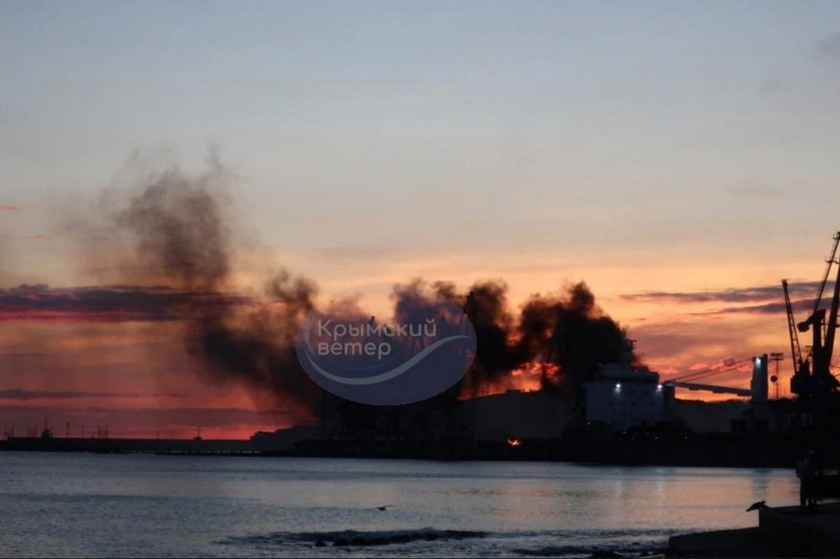
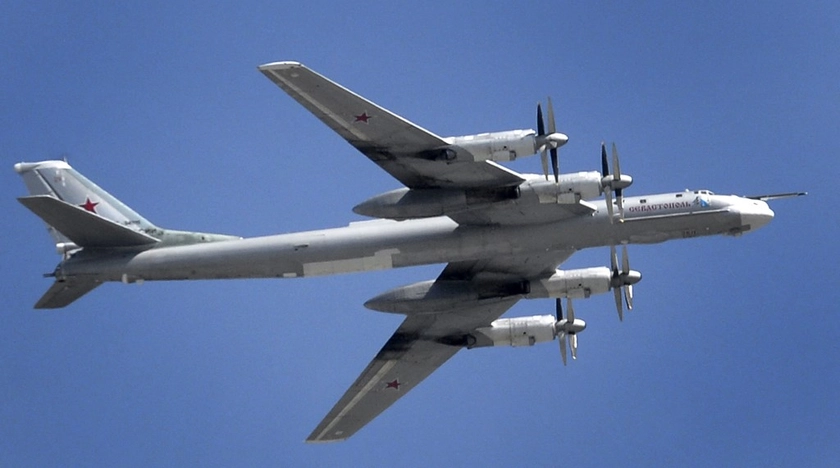
Ukraine has increasingly squeezed Russian maritime logistics in the Sea of Azov, with attacks on Russian vessels significantly disrupting shipping.
Against that backdrop, every alternative route matters.
The North-South corridor gives Moscow a land-based connection through Azerbaijan to Iran and potentially to markets farther south – one less vulnerable to Ukraine’s expanding campaign against Russian maritime and logistics infrastructure.
What did Baku get?
Azerbaijan, however, did not walk away empty-handed.
Its most important gain may be freedom of maneuver.
Only days before Bayramov’s Moscow visit, Aliyev was positioning Azerbaijan as a country increasingly independent from Russia’s political orbit.
Azerbaijan shares a border with Russia. Moscow remains an important economic partner and regional power.
Critics may call that playing both sides.
Russia as political insurance
There is another, less discussed reason why Baku may have little interest in seeing Russian influence disappear.
Aliyev presides over an increasingly authoritarian political system.
PACE in June expressed alarm over the “silencing of critical voices” in Azerbaijan and cited 328 reported political prisoners as of May 2026. Its underlying report said the list included journalists, human rights defenders and members of opposition and civil society organizations.
For such a government, Russia’s continued regional influence is not necessarily a disadvantage.
Its message to Ukraine and Europe is clear: Azerbaijan is not in Russia’s orbit. Its message to Moscow is equally firm: Azerbaijan is not aligning itself with Europe.
While Bayramov was balancing ties in Moscow, pro-government voices in Baku were already suggesting that his next major destination could be Kyiv.
And in the fifth year of Russia’s full-scale war, a first visit to wartime Kyiv would be long overdue.
You can also highlight the text and press Ctrl + Enter
OPINION: The Bill for Crimea Comes Due for Putin