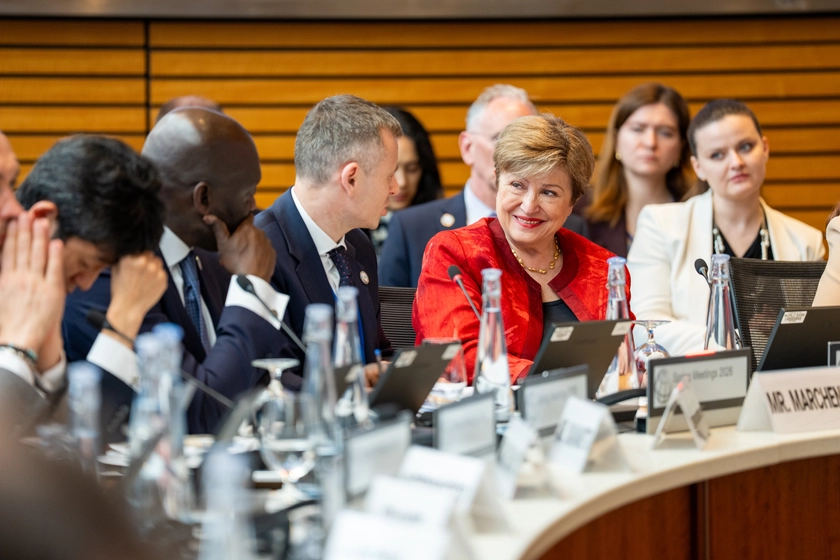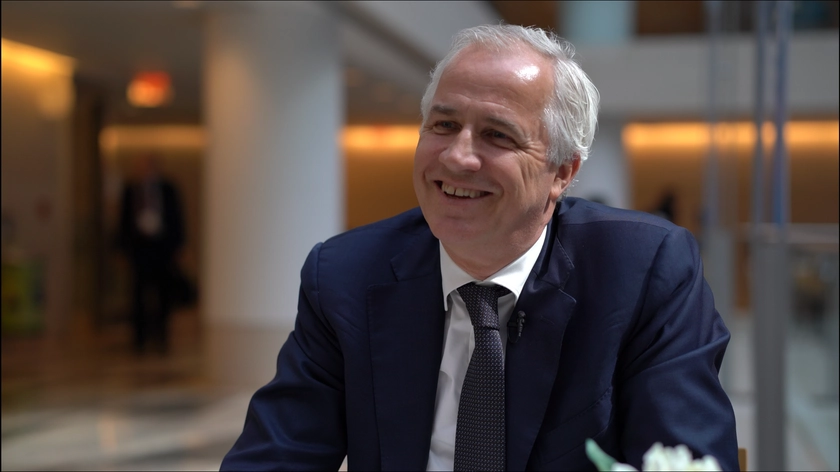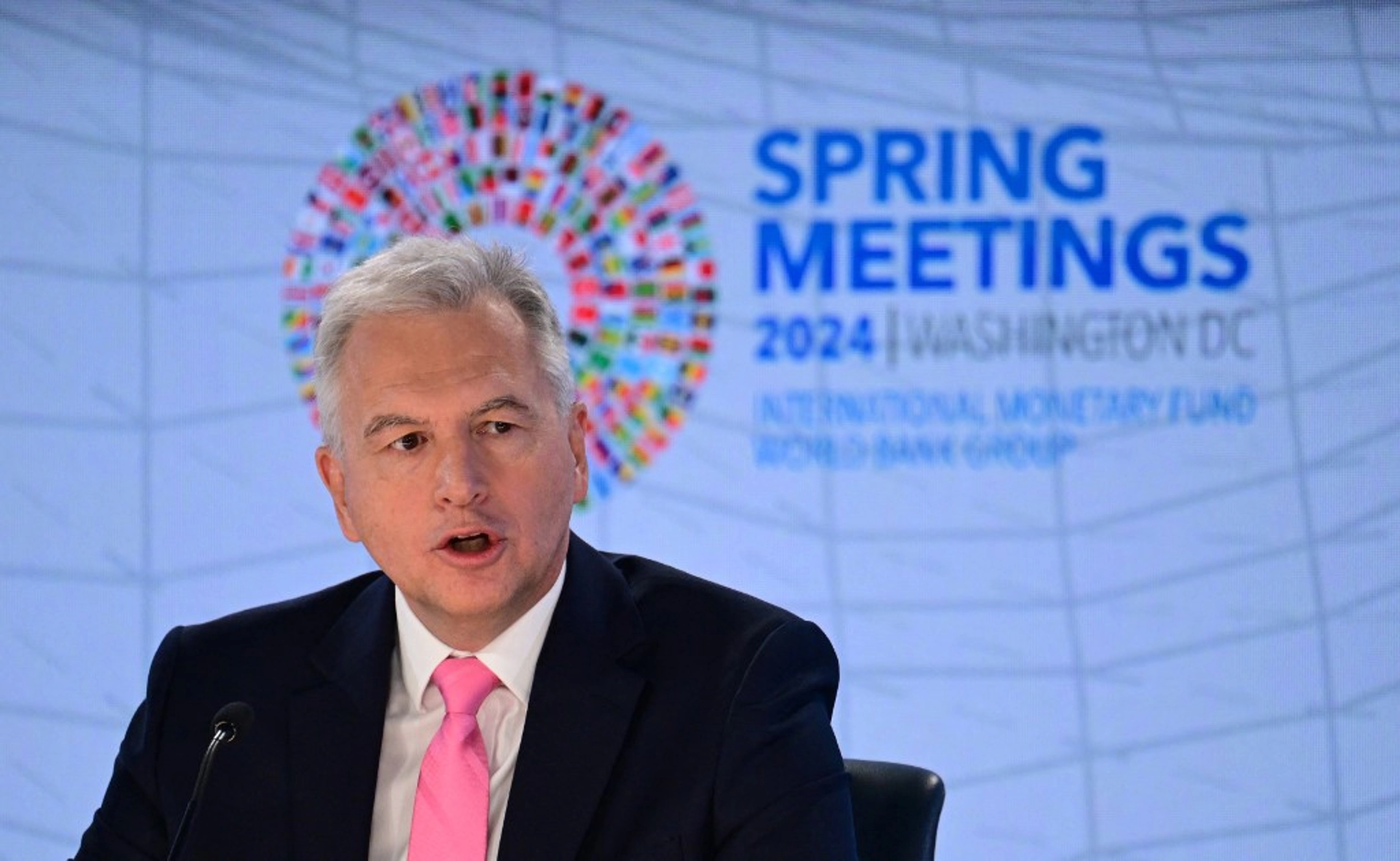
The Russian economy is facing high demand with the maximum supply capacity inside the country, alongside increasing inflation and tight monetary policy, Director of the European Department of the International Monetary Fund (IMF) Alfred Kammer said during a press briefing presenting October 2024 Regional Economic Outlook for Europe.
“What we are seeing right now in the Russian economy and debt: It is pushing against capacity constraints. We have a positive output gap, or you could put it differently – the Russian economy is overheating,” Kammer said in Washington, DC during the October 2024 Annual Meetings.
JOIN US ON TELEGRAM
Follow our coverage of the war on the @Kyivpost_official.
The IMF’s projection for Russian economic growth in 2024 is estimated at 3.6% of real GDP, which is slightly better than the 3.2% growth the IMF forecasted in April. The data for the end of 2023 remained the same at 3.6%.
But the IMF slashed its economic forecast for Russia’s year-on-year growth in 2025 from 1.8% to 1.3% of real GDP, according to its October 2024 World Economic Outlook.
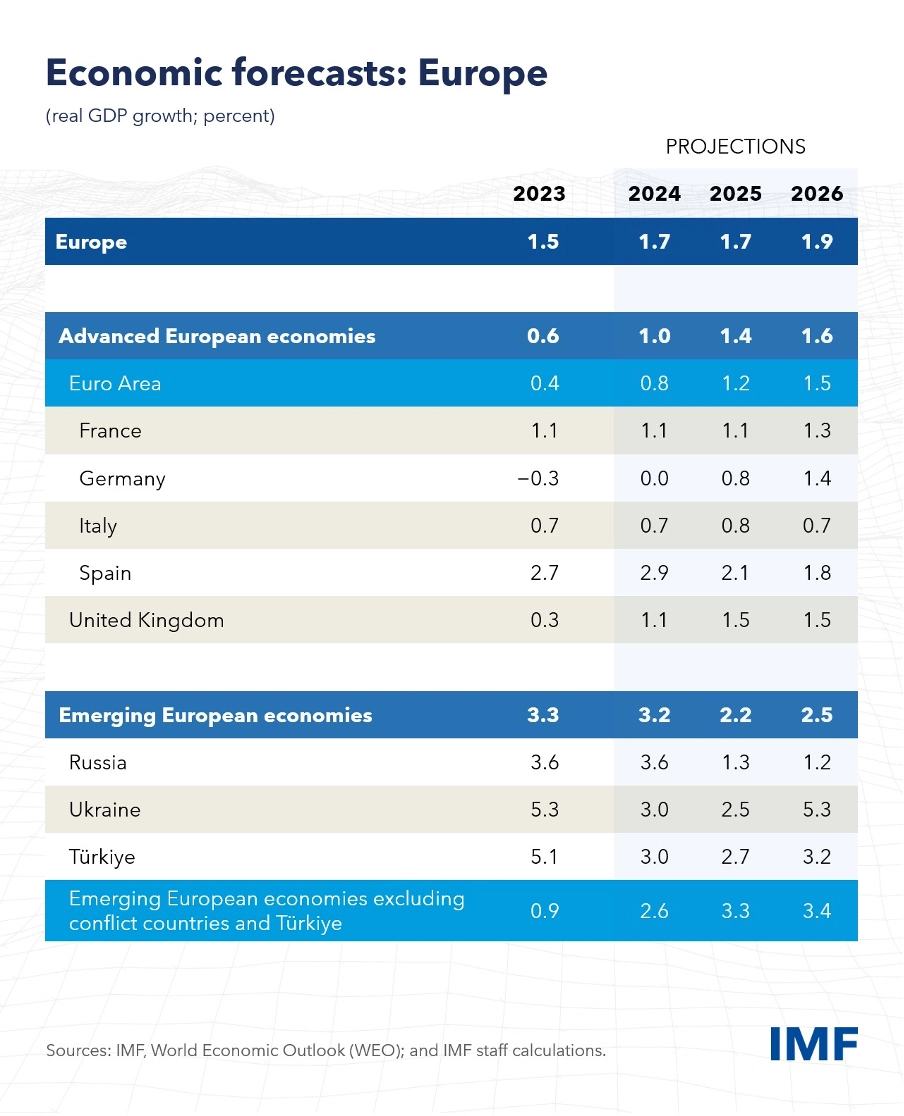
Source: IMF website
The worst forecast for 2025 is the impact of “going over the supply capacity” that the Russian economy cannot maintain for a long time, alongside tight monetary policy.
Ukraine Hits Targets 1,300 km Inside Russia, Striking Ufa Oil Refinery and Penza Missile-Linked Plant
Previously, Russian media outlet the Bell reported that the Russian central bank is bracing to raise the key rate again from 19% to 20-21%. Inflation expectations also increased from 12.5% to 13.4% – the highest since December 2023.
“With regard to the longer-term outlook for Russia, as we have been saying before, the medium-term looks dim. Potential growth has been reduced, that is the result of less technology transfers, less ability to finance that will impact the productive capacity of the Russian economy in the medium-term,” Kammer said.
You can also highlight the text and press Ctrl + Enter