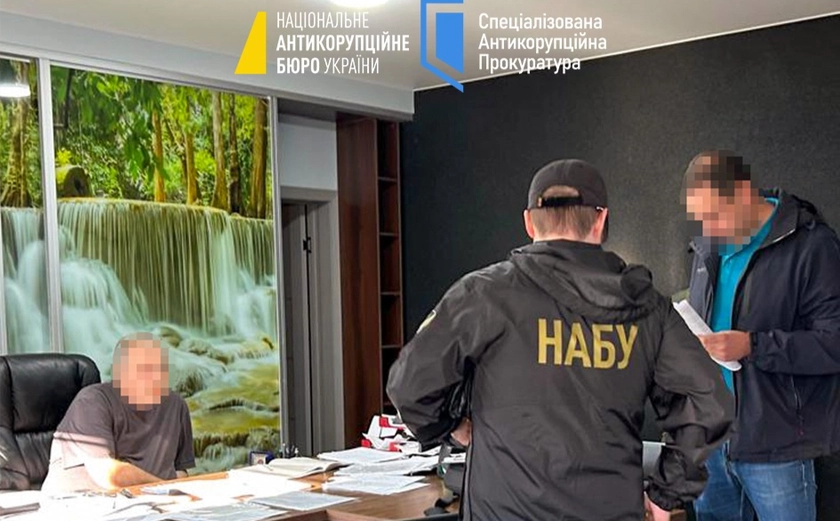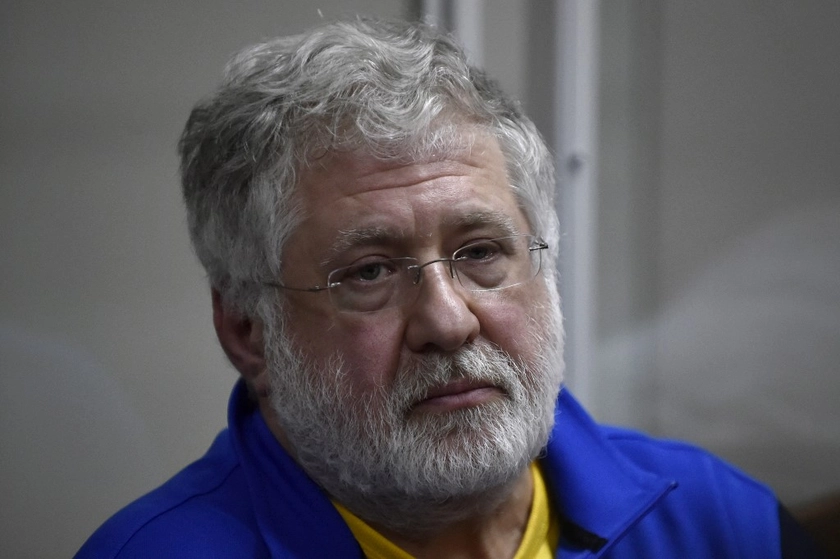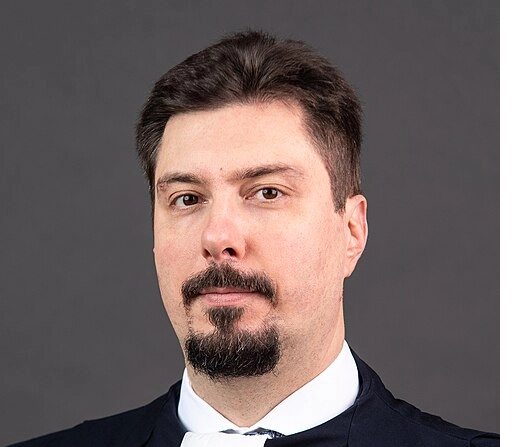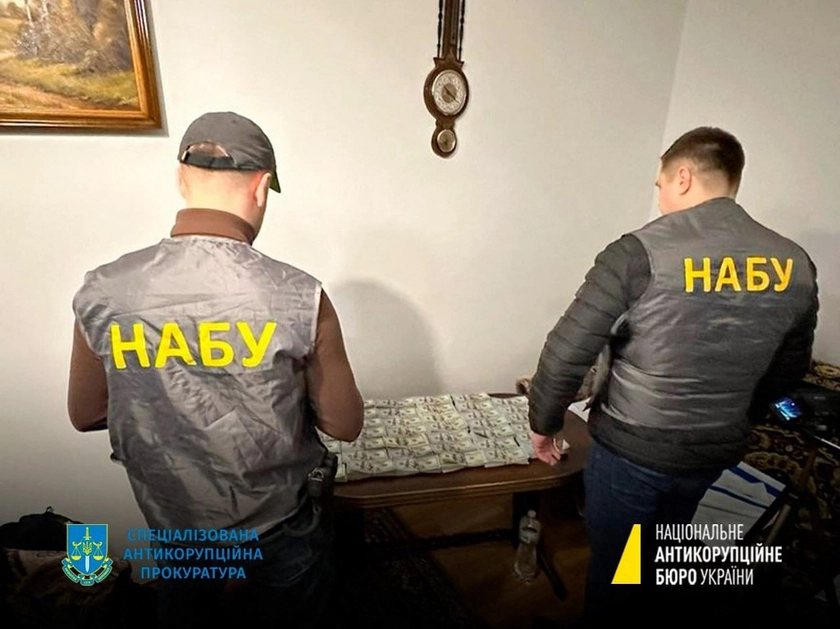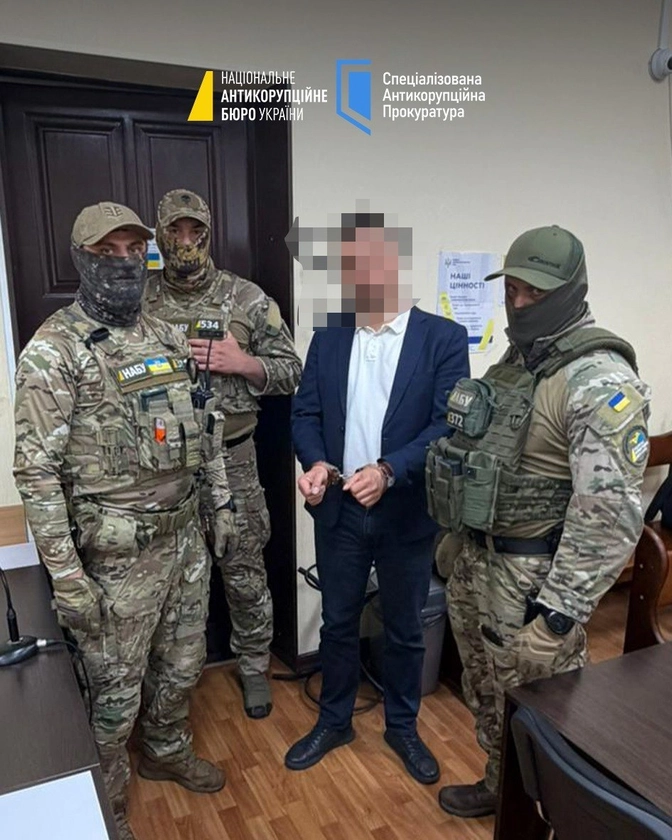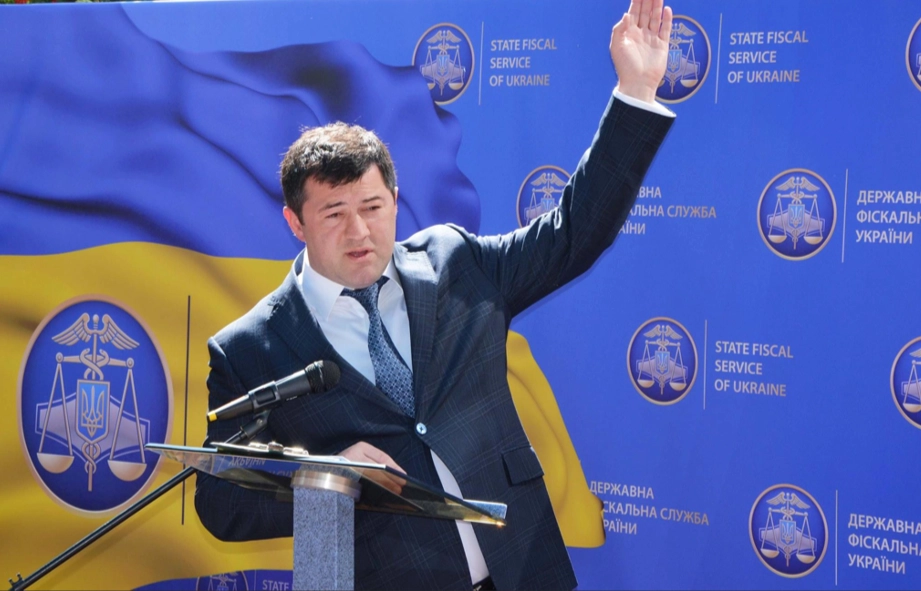
A scandal has erupted in Ukraine, following the unexpected mobilization of Roman Nasirov, the former head of the country’s State Fiscal Service, during the judicial debate stage of his ongoing corruption trial.
In Ukrainian legal procedure, judicial debates are the final stage of a court case once the presentation of evidence and arguments is over, during which the court prepares to deliver its verdict. Nasirov’s trial, which has been ongoing since 2017, accused of assisting parliamentarian Oleksandr Onyshchenko to allegedly sell gas to the state-owned company “Ukrgazvydobuvannya” by way of fictitious auctions at deflated prices, causing significant financial loss to the state.
JOIN US ON TELEGRAM
Follow our coverage of the war on the @Kyivpost_official.
Prosecutors claim that Nasirov inflicted losses of over Hr. 2 billion (then worth around $80 million) in damages by helping Onyshchenko delay leasing payments for the use of mineral resources. Nasirov is accused of giving illegal orders to his subordinates in the Fiscal Service to allow installment payments on tax debts for companies controlled by Onyshchenko.
He is also accused of receiving a record bribe of Hr. 772 million in 2016 (about $25 million at the time).
The case attracted the public’s attention in 2017 largely due to Nasirov’s bizarre courtroom behavior. In what was construed to be an attempt to avoid prosecution, he allegedly faked a heart attack, appearing in court under a blanket – a scene that inspired a host of memes on Ukrainian media and online.

Tribunal for Putin? Executive Director of Center for Civil Liberties on Justice for Ukrainians
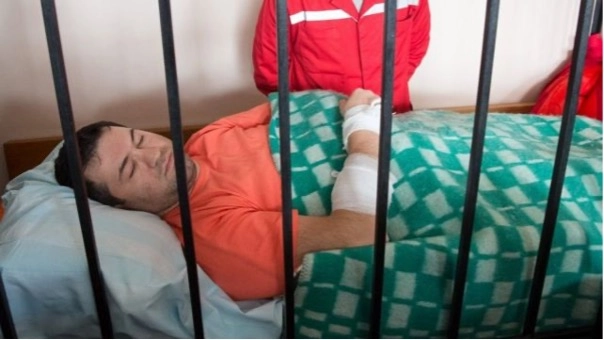
Nazirov in court in 2017. Photo: UNIAN
According to many experts, his recent mobilization was a blatant attempt to dodge accountability – to delay the court’s verdict and wait out the statute of limitations. In 2024, Ukraine’s Verkhovna Rada passed a law allowing convicts to serve in the military instead of prison but explicitly excluded corrupt officials from taking advantage of the loophole.
This ruse especially infuriated the public when it became known that Nasirov hadn’t been assigned to a frontline unit, but to the 101st Separate Security Brigade of the General Staff – a Kyiv based rear area unit based known for selecting top-tier personnel.
“Today, on the way to my position, I learn that Nasirov is trying to dodge the verdict by mobilizing into the 101st Security Brigade of the General Staff, stationed in Kyiv. Only a couple of court sessions remain before the verdict in the High Anti-Corruption Court. And now this military unit, subordinate to the General Staff, is shielding him.”
“The statute of limitations for his crimes expires in exactly one year, in April 2026. Their strategy is clear: stall, hide, and walk away free. I have no words,” said Roman Sinitsyn, a well-known volunteer and soldier who attended Nasirov’s court sessions in 2017.
The well-known political figure Oleh Symoroz, a veteran of the “Invisible Battalion” initiative, also expressed outrage:
“Someone from the President’s Office, the General Staff, or personally Mr. Syrsky and Zelensky, must explain to the public how a known corrupt official - accused of a serious crime – ended up in a rear unit in Kyiv. How was it even possible to mobilize someone who is facing up to 12 years in prison?” Symoroz wrote.
However, not all commentators were as harsh. Political analyst Sviatoslav Batov noted that such situations do arise in the military, and individuals looking to “hide out” in rear area positions often end up contributing significantly to their units.
“Taking someone like Nasirov presents a moral dilemma commanders face often in this war. Do you accept a wealthy, compromised individual who can provide drones, vehicles, and electronic warfare tools – and potentially save lives? Or do you remain principled and stick with budget support, limiting your capabilities?” Batov argued.
In response to the backlash, the 101st Brigade unexpectedly announced that Nasirov’s mobilization had been canceled.
“The brigade’s command reviewed the circumstances of Roman Nasirov’s appointment and determined that the commander’s order violated legal requirements,” said the brigade’s press service in a brief statement.
This sparked a new wave of criticism as the Supreme Court said that mobilization cannot be revoked – even if it was done improperly. Once mobilized, a citizen must serve. The brigade’s decision appears to contradict this precedent, raising further legal and ethical concerns.
Ilya Krotenko, an infantry sergeant from the 54th Brigade, which has been fighting non-stop in the Donbas, expressed frustration in a widely shared post:
“So, it’s impossible to revoke mobilization orders for alcoholics, drug addicts, the elderly, or terminally ill people? But is it possible for Nasirov? If he’s already been mobilized, then continue the process – and send him to the infantry.”
“While sick and suffering soldiers fight to be recognized and treated fairly, someone like Nasirov can just be dismissed by a single command. Recently, the Supreme Court’s Cassation Administrative Court ruled that illegal mobilization is not a valid reason for dismissal.”
“Yet, here we are – if someone wants to, they can still be discharged. Just not everyone. That’s the reality. It’s a total mess,” lawmaker Oleksiy Honcharenko, a member of Ukraine’s delegation to the Parliamentary Assembly of the Council of Europe (PACE) commented.
You can also highlight the text and press Ctrl + Enter