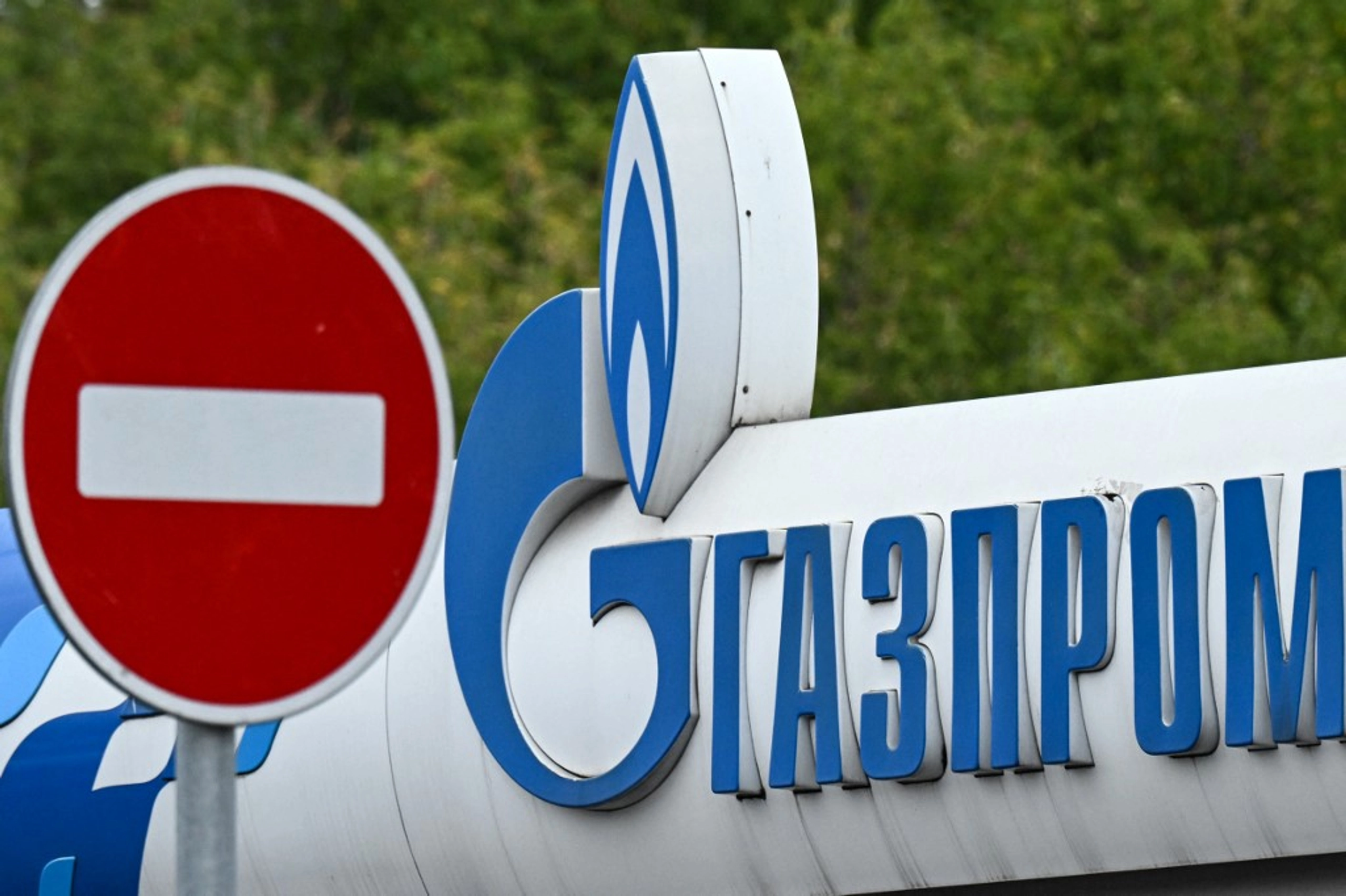
The European Union is preparing a proposal to completely ban imports of Russian gas by the end of 2027, with a gradual phase-out of purchases.
The final version of the plan is set to be announced on Tuesday, May 6, Bloomberg reported Monday.
JOIN US ON TELEGRAM
Follow our coverage of the war on the @Kyivpost_official.
Despite efforts to reduce gas imports from Russia following its full-scale invasion of Ukraine, it is difficult for the EU to fully abandon cheap Russian gas while member states struggle to lower energy prices.
According to Bloomberg, the biggest challenge for Europe is the record surge in imports of Russian liquefied natural gas (LNG) after Gazprom sharply cut pipeline deliveries, following Ukraine’s decision to end its transit agreement at the beginning of this year.
The EU is now working to reduce its energy dependence on a country that, before the full-scale war, was its largest gas supplier. Russia’s share of EU gas imports has already dropped – from over 40% in 2022 to about 19% in 2024, the media outlet reported.
The EU’s plan to stop buying Russian gas step by step is likely to have only a small effect on prices and energy security, as more LNG is expected to enter the global market in the next few years, Bloomberg sources said.
In June, the EU plans to propose a ban on all gas imports under new deals with Russia, as well as existing contracts on the spot market. These measures, which cover spot contracts (about a third of imports), are set to take effect no later than the end of 2025.

Ukrainian Defense Company SkyFall Secures Path to EU Funding
European buyers are tied to long-term contracts with strict take-or-pay clauses, which require them to pay for agreed gas volumes even if they don’t use them. These terms make the contracts difficult to exit, Bloomberg wrote.
According to plans set to be revealed in Strasbourg on May 6, the European Commission will propose banning all Russian gas imports tied to long-term contracts starting next month. The ban would take effect by the end of 2027.
That timeline depends on the EU’s ability to secure alternative LNG supplies from the US, Qatar, Canada, and African producers, Bloomberg sources said.
Now, talks with the Trump administration over increased US gas purchases are ongoing as part of broader trade negotiations, Bloomberg reported.
In March, the US, Russia, and Germany were holding closed-door negotiations on resuming Russian energy supplies to Europe, including through the Soviet-era Druzhba pipeline, Kyiv Post wrote based on The Bell report.
Previously, discussions focused only on the possible relaunch of Nord Stream 2, a pipeline designed to transport Russian natural gas to Europe via the Baltic Sea. It ceased operations following US sanctions and Germany’s decision to halt its certification in response to Russia’s full-scale invasion of Ukraine.
On Jan. 1, Ukraine halted the transit of Russian gas to Europe through the Druzhba, Soyuz and Yamal-Yevropa pipelines. The names of these pipelines – drawn from Soviet-era words meaning “friendship”, “union” or “brotherhood” – are, in all their irony, the remnants of a 60-year-old gas transit friendship.
The last 41 million cubic meters (1.4 trillion cubic feet) of Russian gas flowed through Ukrainian pipelines on Dec. 31, 2024, according to Ukraine’s Gas Transmission System Operator (GTS) data.
Currently, Russia is only using its one remaining pipeline route to Europe – the Turkish Stream, with a capacity of just under 16 billion cubic meters (565 cubic feet) per year, while also supplying Europe with gas as LNG.
You can also highlight the text and press Ctrl + Enter

Ukrainian Storm Shadow Hit Iskander-Linked Electronics Plant, Say Russian Sources