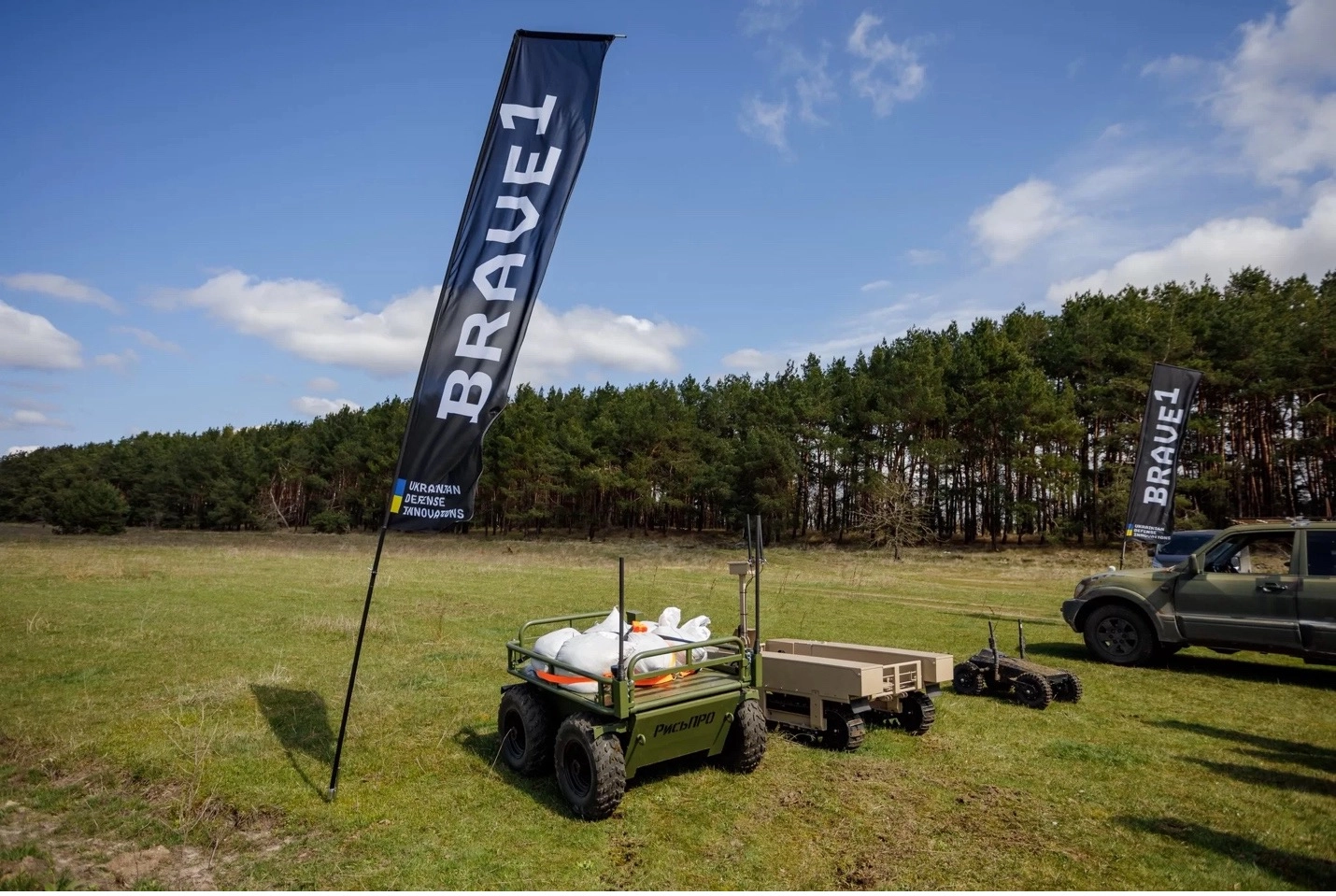
Kyiv has launched a new initiative to attract foreign weapons and innovation – by welcoming arms testing on Ukraine’s testing grounds.
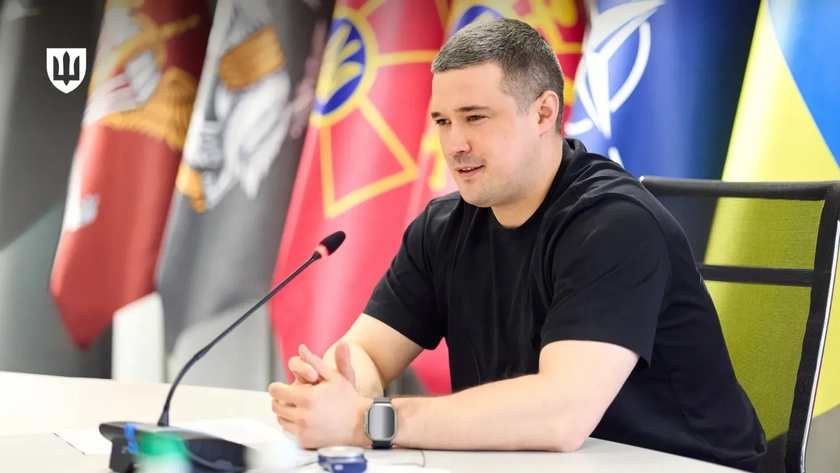
The Minister of Digital Transformation Mykhailo Fedorov said the initiative, known as “Test in Ukraine,” will be done via the country’s Brave1 defense cluster, a project aimed at boosting and scaling new defense projects.
JOIN US ON TELEGRAM
Follow our coverage of the war on the @Kyivpost_official.
According to a Thursday ministry press release, foreign arms makers can apply to officially bring their weapons to testing grounds in Ukraine and to conduct the testing with the help of local Brave1 staff.
“Companies will personally participate in the tests to make changes immediately. Or they will transfer the Brave1 product so that the cluster team can test it independently,” the press release says.
Fedorov said Ukraine has developed the necessary infrastructure to quickly test and deploy new defense technologies during wartime, making it an ideal location for weapons testing.
“Ukraine has already built a unique infrastructure for the rapid development of defense innovation. We are ready to help companies from partner countries develop, test and improve technologies that really work on the battlefield,” Fedorov said at the LANDEURO conference in Wiesbaden, as cited by the press release.
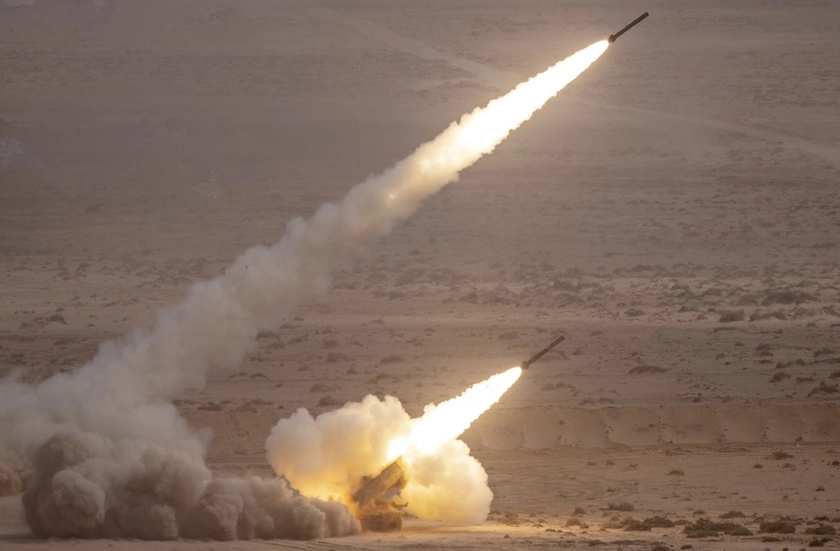
At present, Ukraine is prioritizing the testing of drones of all kinds, ammunition, artificial intelligence (AI) in defense products, electronic warfare (EW) and countermeasures, as well as missiles and propulsion systems, according to the initiative’s official site.
‘No Agreement in Alaska’: Rubio Rejects Kremlin’s Ukraine Deal Narrative
The press release adds that foreign arms makers can also work with local manufacturers “to scale developments and accelerate market entry,” though the exact mechanisms, such as intellectual property ownership and related business structures, remain unclear.
While testing will take place on a “fully equipped testing ground” with troop participation – meaning weapons won’t be tested directly on Russian forces – the site also highlights “structured feedback and data from frontline use,” leaving room for ambiguity about whether the tech will be tested in actual combat.
How it works
In short – apply for it, get the right permits, and bring them into Ukraine for testing – either with direct participation or delegate the work to local Brave1 teams, as specified in the application form.
The website also provides a simplified guideline on bringing the prototypes into and out of Ukraine, namely what permits are needed and how to obtain them.
Once inside Ukraine, a product can be tested either with the arms maker’s participation or by Brave1 staff, who then generate a report.
“You bring the product and take part in the testing process. This allows you to be directly involved, observe how it performs, and make real-time adjustments if needed,” the site says of the first option.
“You hand over your product to Brave1, and we take care of the rest. You provide online training for us on how to operate your product, and we run the testing ourselves, and deliver a detailed report with the results,” it says of the second.
The site highlights the fact that troops will help test the product as a selling point.
“Expertise from end users of technologies: work directly with combat-proven military units to refine your product based on real battlefield experience,” it states under the “What we offer” section.
The goal is also to bring foreign arms manufacturers and local firms together, the site suggests.
“Matchmaking with Ukrainian manufacturers: connect with trusted local partners for co-production and faster deployment,” it says under the same section.
Foreign tech, but Ukraine made
It is likely that part of the project’s goal is to boost Ukrainian production by bringing in foreign capital and technology.
In November 2024, industry representatives expressed frustration that government orders were insufficient to fill product lines, meaning that Ukraine had the means but not the funding to make the weapons it needs.
The situation persisted well into June 2025, according to a Business Insider report – even as Ukrainian drone production soared by 900%.
One answer to the question is the “Danish Model,” or something similar – where Kyiv’s allies buy Ukrainian weapons for Ukraine, instead of those from foreign makers.
Another answer would be to integrate Ukraine into the foreign production supply chain, which can help solve the issue in the long run – and the latest initiative falls into that category.
By connecting foreign manufacturers with local firms, the goal is for Ukraine to help produce certain weapon components – similar to a recent initiative by a Ukrainian drone maker to launch a servicing hub for foreign drones, also supported by Brave1’s networking efforts.
Whether the weapons are ultimately used in Ukraine may not be the main point – though that would certainly benefit Kyiv, assuming it has the funds to purchase them. Gaining know-how from exposure to new technologies would also be a valuable side effect.
But the real gain lies in getting foreign manufacturers to consider incorporating part of their production in Ukraine, which could provide a major boost to the local economy, even if the weapons are ultimately used elsewhere – as long as they are not in Russian hands, of course.
You can also highlight the text and press Ctrl + Enter

Attack on Moscow Oil Refinery: Putin Under Pressure?