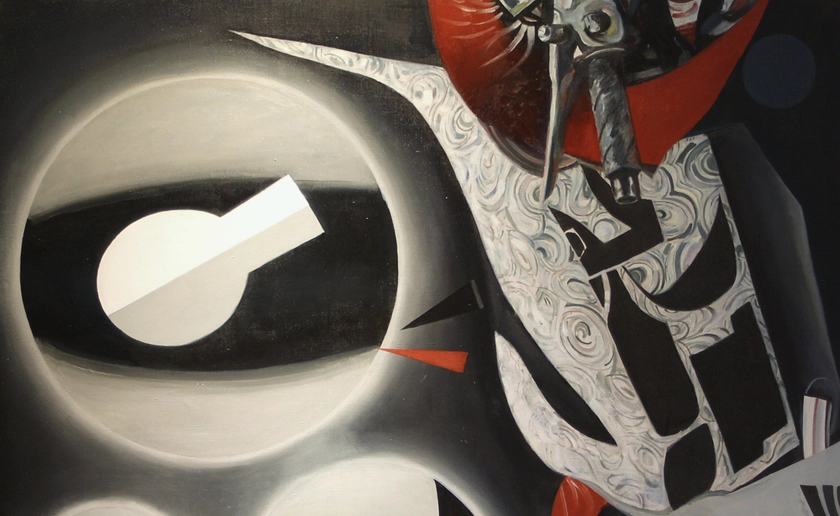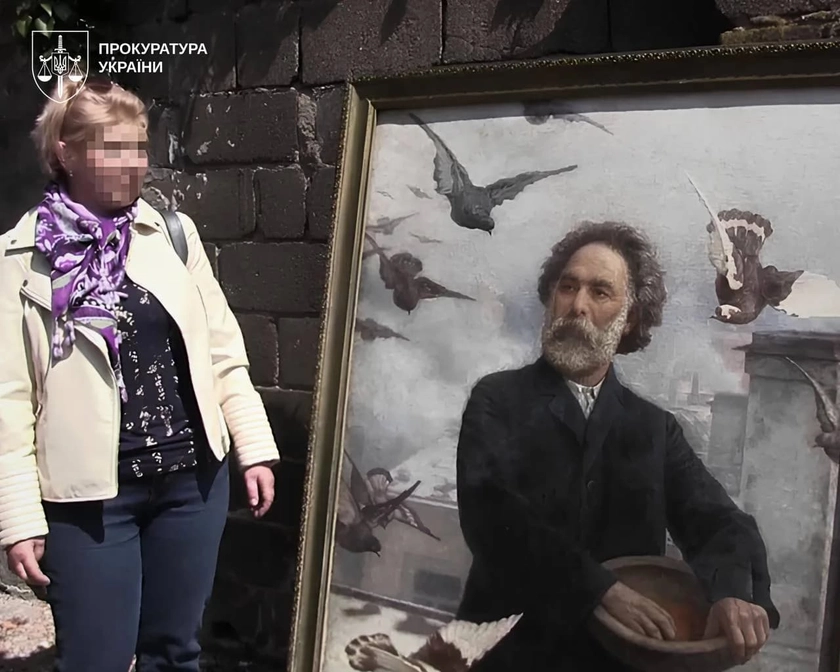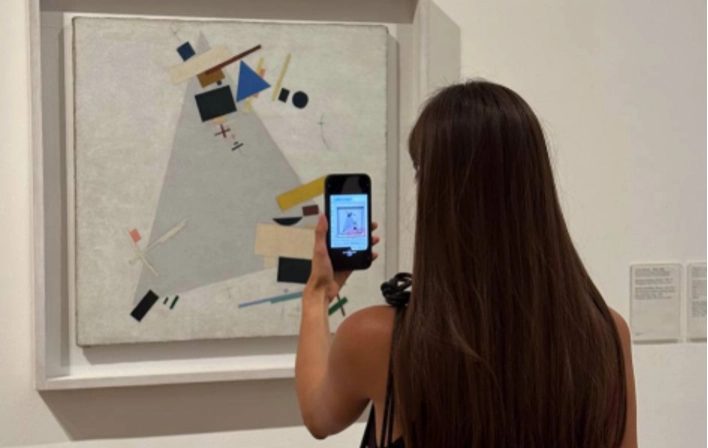
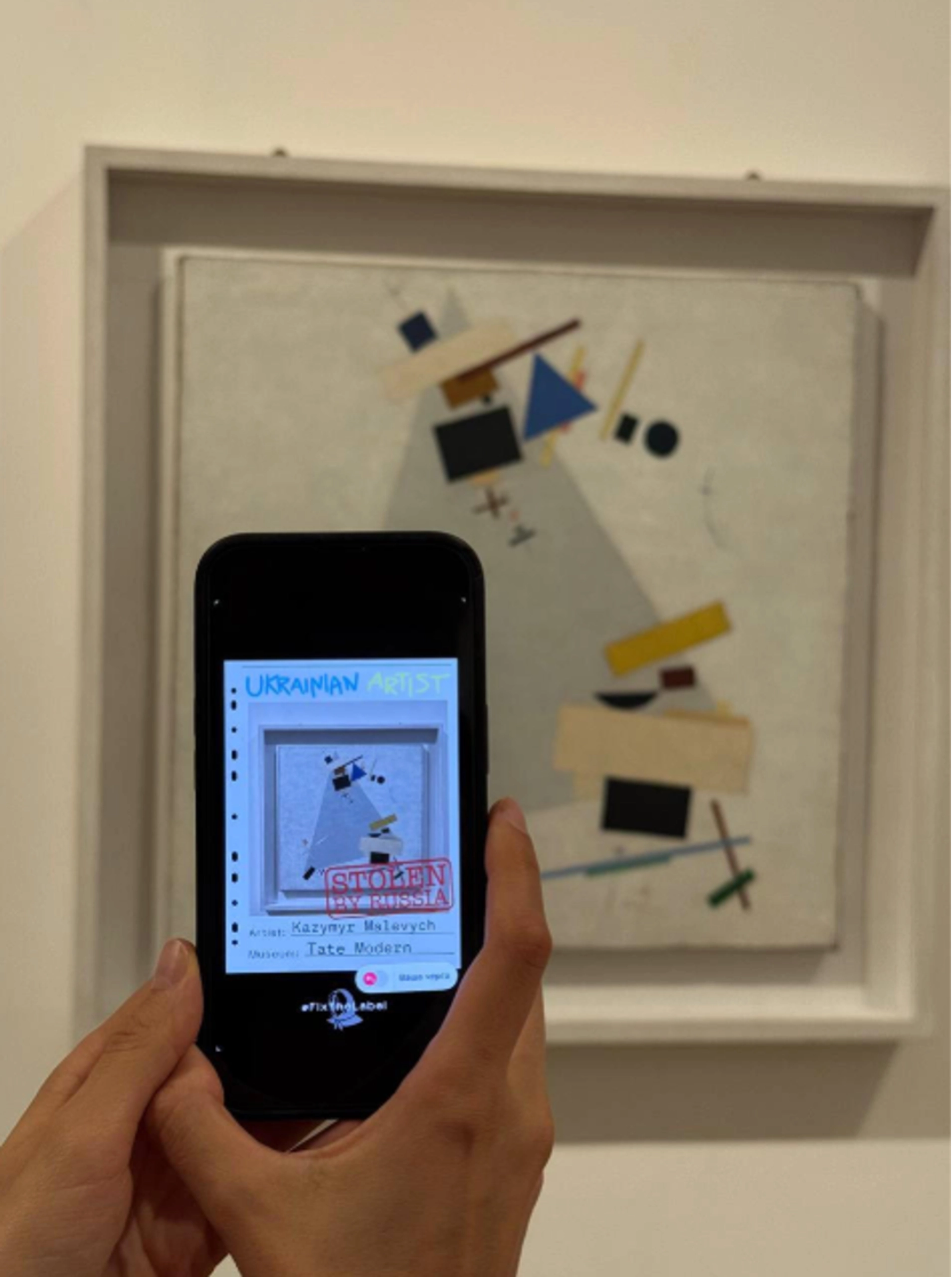
Ukrainian artists, musicians, and writers have long endured efforts to silence, suppress, or rewrite their identities. Iconic works such as Kazymyr Malevych’s Black Square (1915) and Illia Repin’s Reply of the Zaporozhian Cossacks (1891) are still widely labeled as Russian, despite the artists’ proud Ukrainian roots. Even today, major museums, cultural institutions, and even a basic Google search, often overlook or erase their Ukrainian heritage, perpetuating a legacy of cultural appropriation and historical misrepresentation.
In response to this erasure, the Shadows Project was born. Inspired by Sergei Parajanov’s 1965 film Shadows of Forgotten Ancestors, the project emerged as a platform to celebrate and amplify Ukrainian culture, history, and voices. Founded by a team determined to protect Ukrainian sovereignty, it seeks to spotlight the nation’s cultural identity beyond Soviet narratives and to honor those intellectuals and creators silenced under the regime.
JOIN US ON TELEGRAM
Follow our coverage of the war on the @Kyivpost_official.
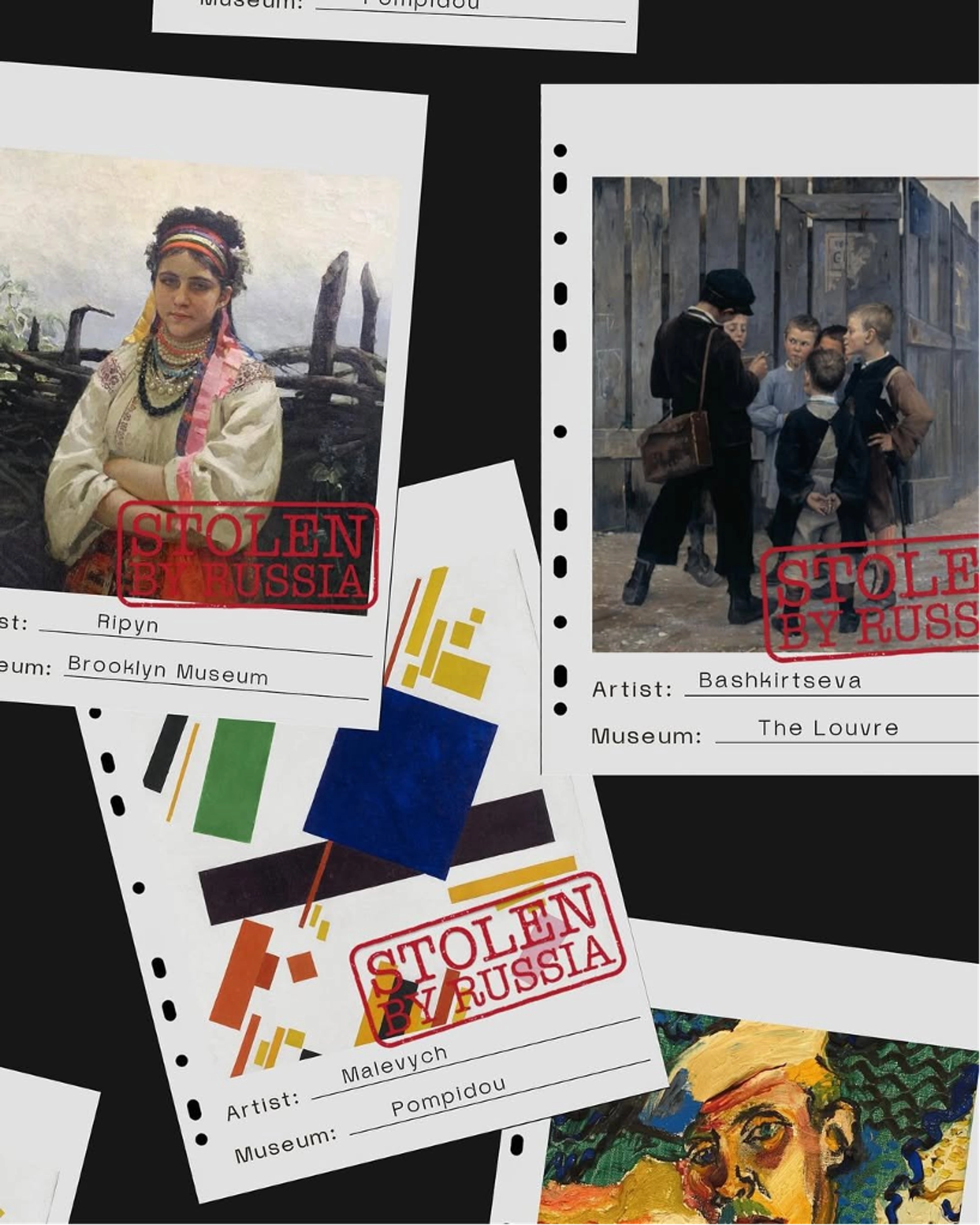
Following Russia’s full-scale invasion of Ukraine in 2022, this mission took on new urgency. As cultural institutions around the world remained unresponsive to calls for accountability, the Shadows Project team grew increasingly frustrated with unanswered emails and systemic inertia. In response, they shifted their focus toward more active resistance against cultural erasure – giving rise to The Stolen Art Campaign, a bold new initiative under the Shadows Project.
‘Negotiations’ Are Traps – How Russia Tweaks Language to Deceive the West
As co-founder Agatha Gorski explains, the campaign’s goal was clear: “to give people a public way to put pressure on public institutions.” She adds: “It should be easy to get involved and execute – and it has to be public. It also needs to address the big research and information gap that exists.”
Ukraine continues to face structural barriers in gaining recognition within the global information and academic space, domains historically shaped by Russian narratives.
As such, the campaign evolved into a powerful public movement, amassing a growing social media following, collaborating with Ukrainian streetwear brand RDNY Streetwear, and sparking real shifts in the curatorial and academic landscape. Institutions like the Brooklyn Museum and the Cleveland Museum of Art have begun to reassess their labeling of Ukrainian artists, with Cleveland notably updating its attribution of works by Oleksandra Ekster to reflect her Ukrainian identity. Still, the process remains an uphill battle. “Getting museums to change their labels is honestly not easy,” the team admits, exhausted but determined.
Ukraine continues to face significant structural barriers in gaining rightful recognition within the global information and academic space, domains historically shaped by Russian narratives. These biases are deeply embedded in trusted sources such as Wikipedia and persist across academia, where many specialists still operate within a Russia-centric framework. Ukrainian voices are often marginalized, silenced by language barriers and the limited availability of translated materials, while Russian influence subtly lingers in museum departments and collections broadly categorized as “Eastern European,” many of which remain curated or funded by Russian interests.
To challenge this entrenched imbalance, The Stolen Art Campaign prioritizes public education, digital archiving, and accessible activism – crucial first steps toward cultural reclamation. The campaign directly responds to the systematic erasure and appropriation of Ukrainian identity, a pattern that, as Gorski notes, continues even in the internet age.
“Even after independence, where there has been a democratization of information thanks to the internet, Ukrainians are still fighting an uphill battle,” she says. “Historically, Ukrainian collections and archives have been destroyed or shipped to Russia. Russian scholars and Russian thought dominated the Western discussions about Ukraine and Eastern Europe, and this is strengthened by Russia today, which continues to destroy, distort, and claim our heritage.”
Through The Stolen Art Campaign, the Shadows Project aims to correct the historical record and resist the continued rewriting of Ukrainian cultural legacy. It is a fight not only for artistic recognition, but for the sovereignty of a national identity long under siege.
Where culture becomes inherently political, the goal is to embed these stories into the fabric of everyday life. For the Shadows Project, that means reimagining advocacy through accessible and unexpected mediums, from Instagram filters to guerrilla exhibitions in public spaces. “This is why at Shadows, that is the first thing we think about when we launch a project,” Gorski explains. “What’s our medium? What will people interact with and understand? What will feel natural to them?” In most cases, the answer is digitally utilizing the immediacy and shareability of the content, allowing their message to travel far beyond traditional institutions and into the hands of everyday users.
Despite growing momentum, the team behind the Stolen Art Campaign acknowledges the ongoing challenges in confronting institutional inertia. For many cultural institutions, the default response has been avoidance. “I think the most frustrating response is silence,” says Gorski. “For too long, museums have chosen to ignore Ukrainian calls for the correct attribution of artists. However, from the responses we have gotten, I really believe that they are open to listening, but they just need to be convinced. As I said, it sucks that too often it takes more effort for Ukrainians to convince the outside world of the claim over its culture and its legitimacy, but it’s not impossible, and I believe we can make it happen.”
Her words reflect the core of the campaign’s ethos: persistence, public pressure, and a belief that change, however difficult, is possible.
“I hope that through our work, we can strengthen the Ukrainian nation,” says Gorski. “The greatest impact, for me, is seeing more Ukrainians engaging with, appreciating, and contributing to their shared culture, identity, and history. I also hope our work helps reinforce Ukraine’s sovereignty and how the world perceives it, because culture is a fundamental building block of national identity.”
Her message is clear: reclaiming culture is not just about correcting the past – it’s about shaping the future. The Stolen Art Campaign invites everyone, from museum professionals to everyday citizens, to take part in this effort. Engage, question, amplify, because every voice counts in restoring what was taken and safeguarding what remains.
You can also highlight the text and press Ctrl + Enter