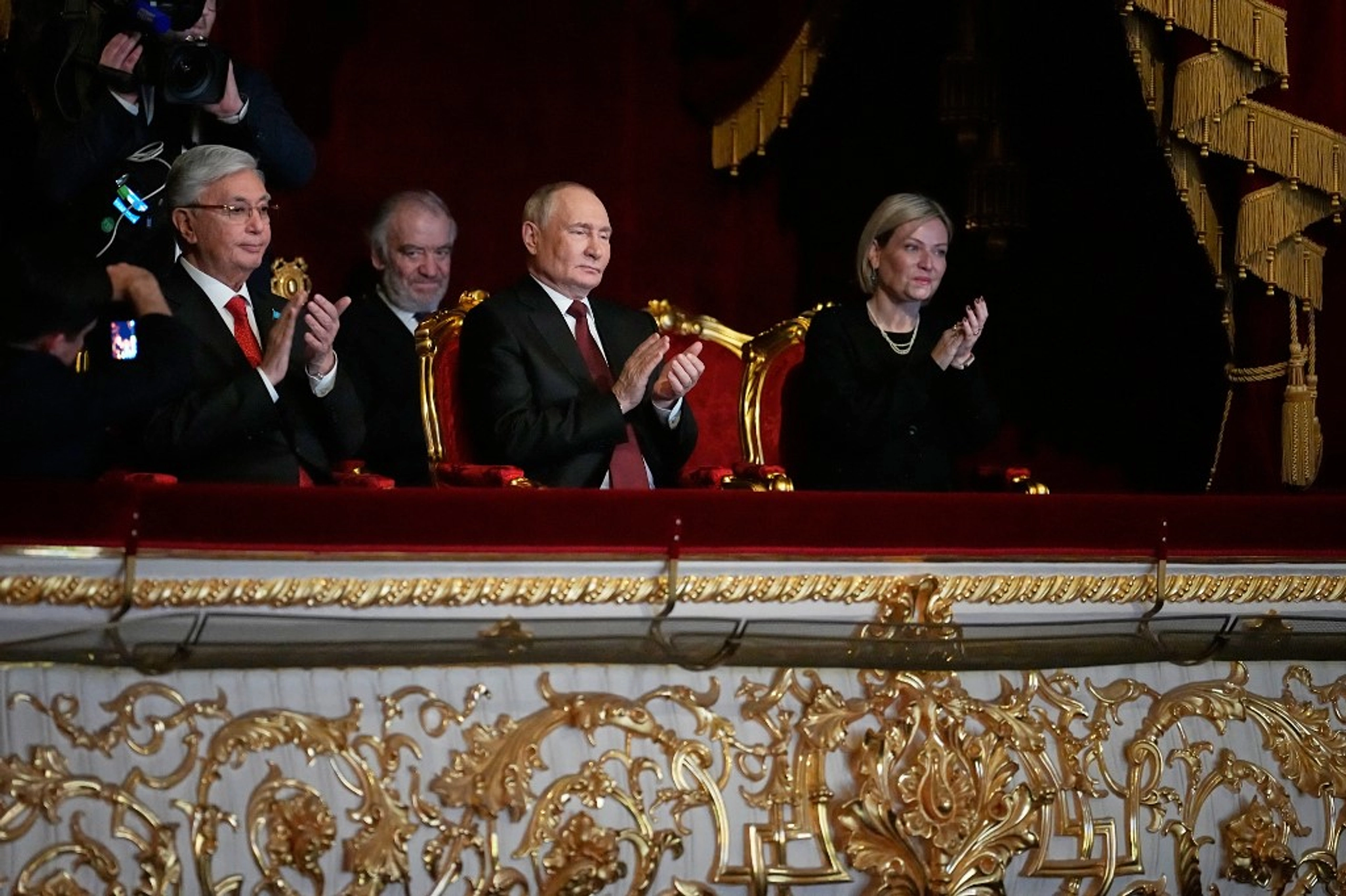
Ukraine’s foreign intelligence service (SZRU) said on Tuesday that Kazakhstan has introduced new export controls – news that, if accurate, will come as a blow to Russia’s sanctions-busting network.
In a statement on their website, the SZRU said that the new exports regime will be in place for at least one year – and includes the mandatory licensing of exports of a number of goods subject to Western sanctions, as well as enhanced monitoring of products imported from the EU, the US and the UK.
JOIN US ON TELEGRAM
Follow our coverage of the war on the @Kyivpost_official.
“Kazakhstan does not formally join the sanctions, but demonstrates its readiness to narrow Russia’s access channels to goods critical to the defense-industrial complex,” the statement reads.
Russia’s full-scale invasion of Ukraine led to the imposition of dramatic sanctions by the US and most European countries, among others. Kazakhstan is one of several Central Asian countries which have traditionally relied on Russia for economic support.
Now, Russia relies on them to help them evade Western sanctions.
There have been rumors that Kazakhstan may be confiscating sanctioned and dual-use goods destined from Russia since early October, when unverified reports emerged on social media that “over 5,000 trucks” were queuing at the Russian-Kazakh border.
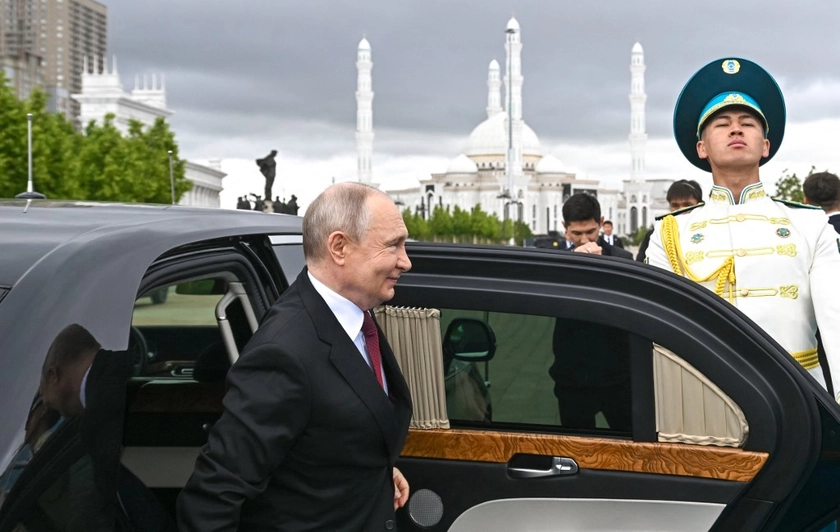
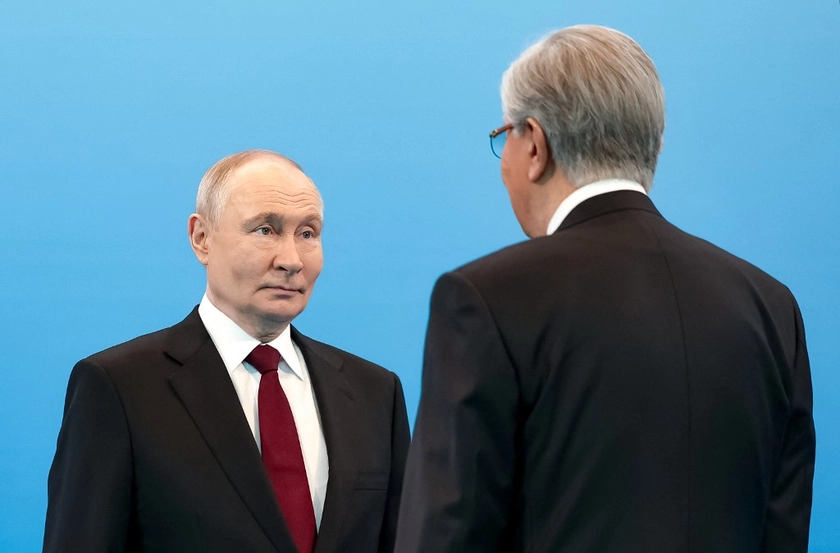
A day later, on Oct. 9, Russian President Vladimir Putin met with the leaders of Kazakhstan, Kyrgyzstan, Turkmenistan, Uzbekistan, and Tajikistan (often called the C5) in the Tajik capital of Dushanbe. Putin drew their attention to the cumulative volume of Russia’s investment in the region, which he said exceeded $20 billion. “Still, I believe that is rather modest,” he added.
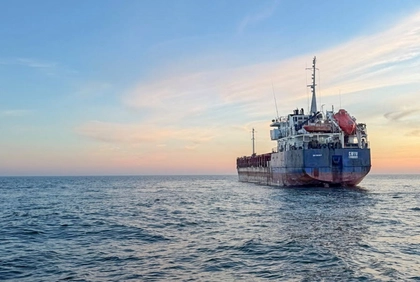
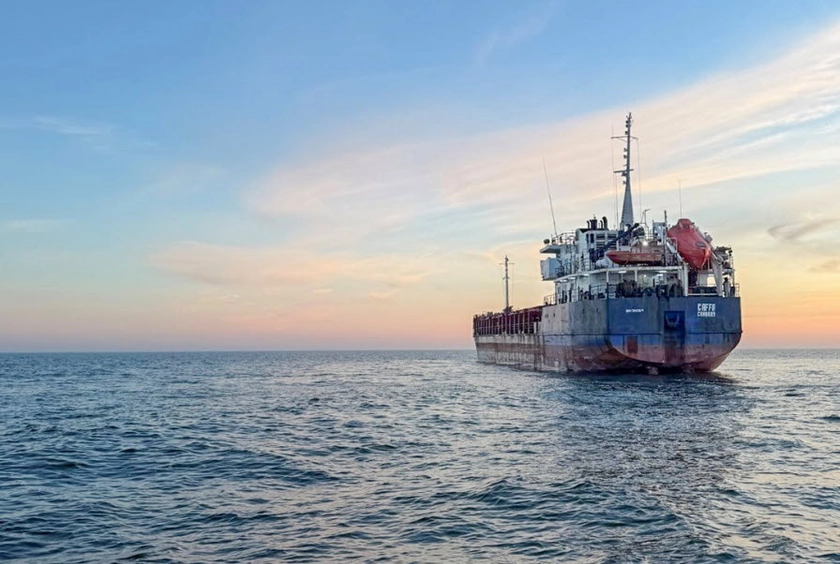
Swedish Court Seizes Russian-Linked Vessel Over Suspected Theft of Ukrainian Grain
On Nov. 6, US President Donald Trump welcomed the same C5 leaders to the White House, making his own play for their allegiance in the form of more than $5 billion in trade and investment deals.
The visit was clearly a cordial one – Kazakh President Kassym-Jomart Tokayev unexpectedly announced that his country would join the Abraham Accords, a framework championed by Trump with the aim of normalizing relations between US-allied Israel and Muslim-majority nations.
On Nov. 25, Euromaidan Press reported that “more than 5,000 vehicles carrying Chinese goods destined for Russia” were stranded at the Russian-Kazakh border. The delays are said to have begun with tightened inspections on trucks carrying goods from China to Russia.
“Some trucks have been waiting for weeks, while others have been waiting for months, and Russian companies report multimillion losses as shipments spoil or contracts fail,” according to the Ukrainian outlet.
Ukraine’s foreign intelligence service sees the new export controls as an attempt by Astana to “maintain a balance between Western partners and Moscow,” according to the SZRU statement.
You can also highlight the text and press Ctrl + Enter