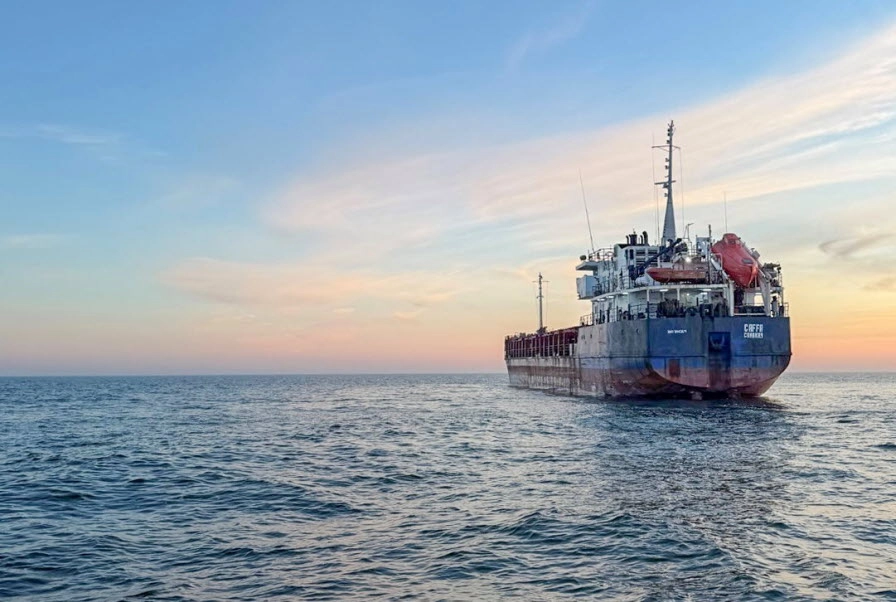
A Swedish court has ordered the seizure of the cargo vessel “Caffa,” setting a legal precedent in efforts to crack down on Russia’s wartime looting of Ukrainian resources from occupied territories.
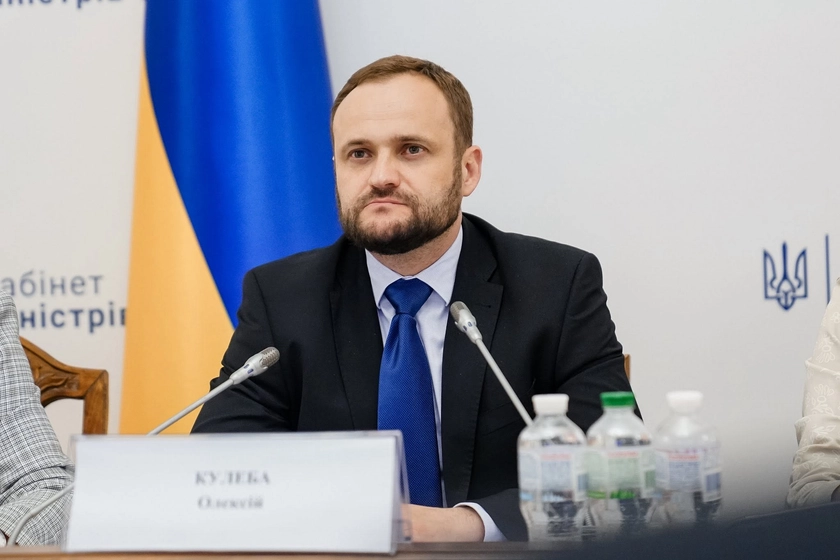
According to Prosecutor General Ruslan Kravchenko, investigators believe Caffa systematically violated the procedure for entering and leaving occupied Ukrainian ports with the intent to harm Ukraine’s national interests.
JOIN US ON TELEGRAM
Follow our coverage of the war on the @Kyivpost_official.
“To conceal this activity, a scheme involving false registration was used. In international databases, the vessel was marked as ‘Guinea False’,” Kravchenko said, indicating that this allowed the ship to masquerade under a different flag and obscure its role in moving stolen goods.
Ukraine’s Prosecutor General’s Office submitted a request for international legal assistance to Sweden’s Ministry on March 12.
“The Ukrainian side requested a search of the vessel, questioning of the captain and crew members, and the seizure of Caffa,” Kravchenko said, “The Swedish competent authorities promptly began executing the request. As early as the following week, the vessel was searched and witnesses were questioned. Today, this process reached an important procedural milestone – the court ordered the seizure of the vessel.”
He also said that this shows what Ukraine and its partners can achieve when they work together through legal channels.
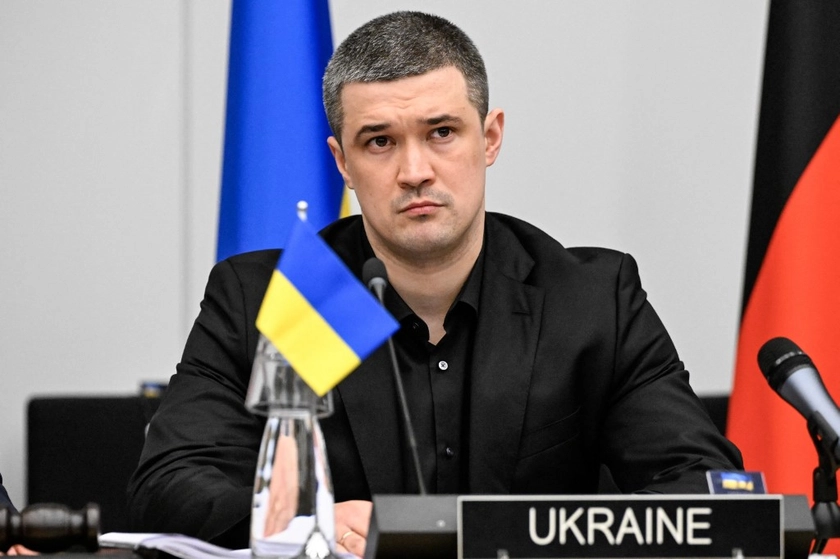
Ukraine Regained Battlefield Initiative but Needs More Aid to Keep It – Fedorov
“Daily work, information exchange, and the collection and transfer of additional evidence have produced results: the vessel has been seized,” he said.
Russia continues to loot resources from occupied Ukrainian territories, Kravchenko said, but he also highlighted that Ukraine is systematically documenting these crimes by tracing routes, identifying ships, recording unlawful calls at the ports in the occupied territories, and using all available help from international legal assistance.“This case sends a clear message: no manipulation of flags, routes, or registration records will help avoid accountability,” he said.
Ukrainian Foreign Minister Andrii Sybiha welcomed the Swedish court’s decision, describing it as an important precedent for protecting Ukraine’s national interests and upholding international law:
“I am grateful to Sweden for its principled position, strong legal cooperation, and unwavering support for Ukraine,” he wrote, adding that Ukraine will continue to work with international partners to ensure anyone involved in the illegal exploitation of Ukrainian assets will be brought to justice.
Sybiha has previously cited figures indicating that, from January to April, around 25 ships carried out roughly 50 sailings from ports in Russian-occupied Ukrainian territory to ports in third countries, transporting more than 850,000 metric tons (850 million kilograms) of grain taken from the occupied areas.
Sweden arrests captain of suspected Russian tanker in May
Sweden’s latest move against Caffa comes as authorities increasingly act against shadow-fleet vessels suspected of exporting illegal goods in recent months.
In May, Swedish authorities detained an oil tanker in the Baltic Sea and arrested its Chinese captain on suspicion of using forged documents and operating an unsafe vessel, with prosecutors and officials saying the ship is believed to be Russian.
The tanker was reportedly on EU, Ukrainian and UK sanctions lists, suspected of sailing under a false flag and breaching maritime safety rules.
Sanctions against those profiting from shipments
In late April, President Volodymyr Zelensky warned that Kyiv would impose sanctions on anyone trying to profit from shipments of grain illegally taken from Ukraine, and Ukraine summoned Israel’s ambassador over what it called Israel’s lack of action.
According to a Reuters report, the Kremlin had not clarified the legal status of grain taken from occupied areas and refused to comment on the Panormitis case, saying Russia would not get involved.
Meanwhile, the EU said it had raised concerns with Israel about a “Russian shadow fleet” vessel carrying suspected stolen Ukrainian grain and signaled it is ready to sanction individuals and entities in third countries that help finance Russia’s war through such trade.
Ukraine’s Foreign Ministry stated it repeatedly contacted Israel about another vessel, the Abinsk, but the ship was still allowed to unload and depart.
Kravchenko has estimated that more than 1.7 million metric tons (1.7 billion kilograms) of agricultural products worth over Hr.20 billion (about $450 million) have been illegally removed from occupied territories since the full Russian invasion in 2022, though this data has not been independently verified.
You can also highlight the text and press Ctrl + Enter

Russia Hit by 660-Drone Overnight Barrage Targeting Moscow, Crimea and Key Military Sites