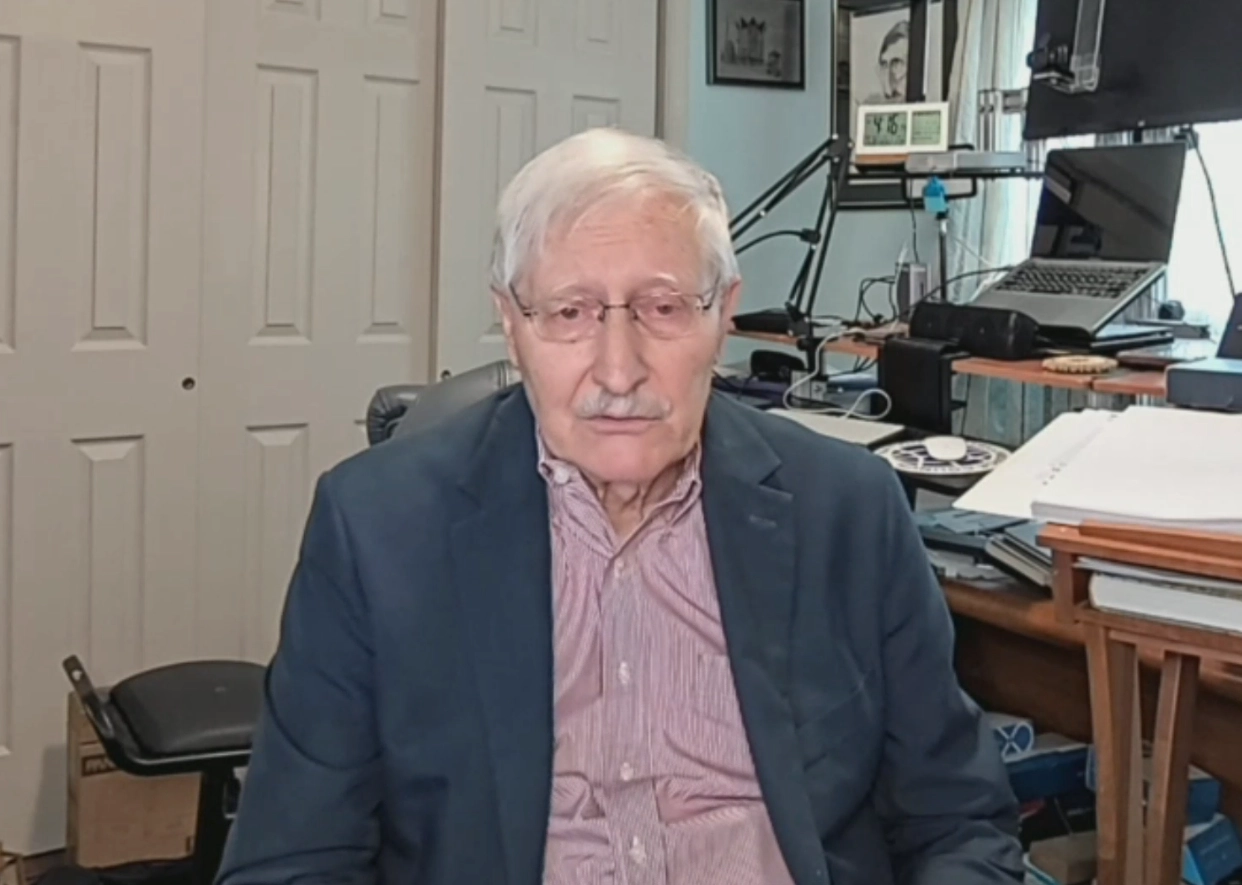
WASHINGTON, DC – The upcoming NATO summit in Türkiye may shift international attention back to Ukraine, even as Washington remains absorbed by the crisis in the Middle East, former US ambassador Richard Kauzlarich told Kyiv Post. Kauzlarich currently serves as co-director of the Center for Energy Science and Policy at George Mason University.
On Tuesday, NATO Secretary General Mark Rutte will visit Ankara, Türkiye, where he is scheduled to meet President Recep Tayyip Erdoğan, Foreign Minister Hakan Fidan and Defense Minister Yaşar Güler.
JOIN US ON TELEGRAM
Follow our coverage of the war on the @Kyivpost_official.
“There are always these international events which kind of drive priorities,” Kauzlarich said. “Maybe the attention to Iran will shift back to Ukraine as we get closer to the NATO summit.”
He added that the summit, which begins on July 7, will be especially worth watching for two reasons – whether President Donald Trump attends and how Ukraine is discussed if he does.
Kauzlarich argued that the problem is not only political will, but also capacity. In his view, it is extremely difficult for Washington to manage major negotiations on Ukraine and Iran at the same time, particularly without deeper staffing support.
“In the case of the American negotiators, under normal circumstances you would expect support from the State Department, Defense Department and National Security Council as part of a team dealing with Russia and Ukraine, while a separate group from those same agencies would handle Iran,” he said. “There’s no evidence of the underlying staff support needed to successfully conduct both sets of major negotiations at the same time. And Gaza is still operating in the background of all this.”
Ankara Сracks Down on Critics Ahead of Nato Summit
“So I think it’s going to be very hard to do these simultaneously,” he said. “I’m not surprised, given the impact of the Iran war on the United States economy and the global economy, that the priority would be on that negotiation.”
Kauzlarich said he was struck by recent reports about Ukraine’s drone-production agreements with European countries and Russian threats that related facilities could become targets.
He argued that the threats underscore Russia’s increasingly difficult position in the war.
“Obviously the Russians are really in a bad position in Ukraine,” he said.
“The reason they are militarily in a bad position is because the Ukrainians have been extraordinarily successful in their use of non-conventional military tactics and equipment, including drones both on land, in the air and at sea,” he said. “It’s really been quite remarkable.”
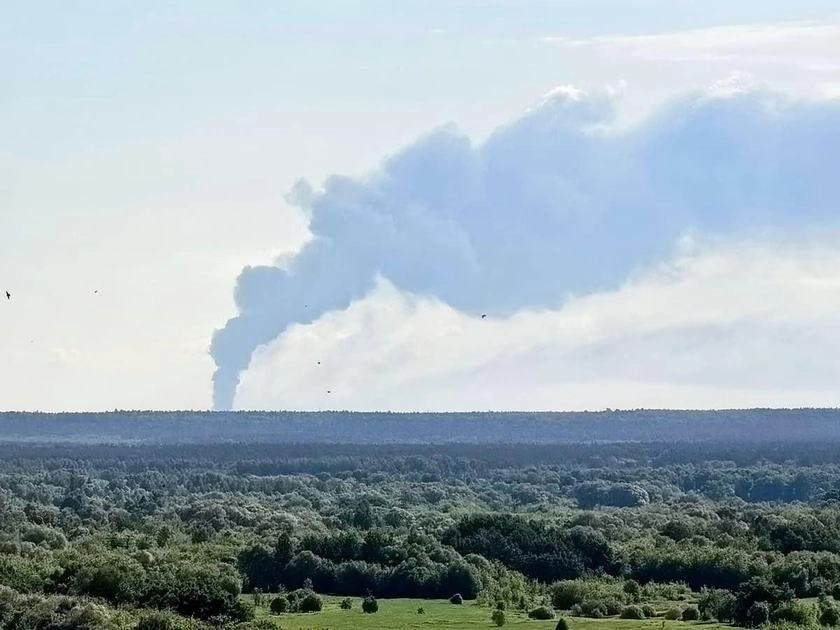
Kauzlarich said Ukrainian drone strikes on Russian energy assets have been especially important because they send a message to Putin that Russia is not beyond reach, despite its greater size and military weight on paper.
You can also highlight the text and press Ctrl + Enter
Russia Hit by 660-Drone Overnight Barrage Targeting Moscow, Crimea and Key Military Sites