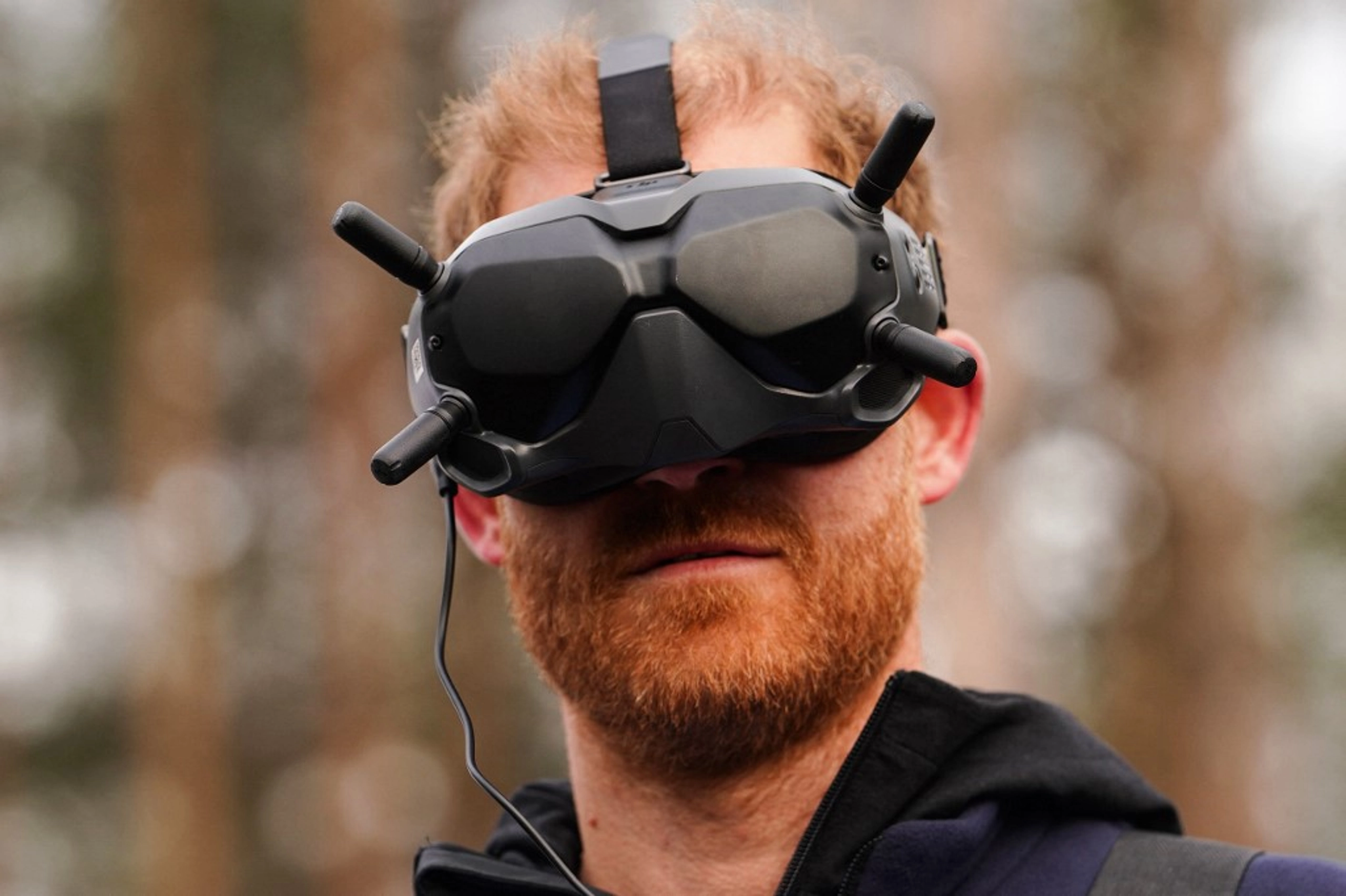
Prince Harry of the UK visited Ukraine on Friday, April 24, where he met with deminers from The HALO Trust and tested new technologies powered by artificial intelligence (AI) designed to detect and remove explosives.
According to HALO, during a visit near Bucha, Harry flew a drone capable of identifying and mapping explosive devices and operated a robot used to remove them.
JOIN US ON TELEGRAM
Follow our coverage of the war on the @Kyivpost_official.
“It’s amazing to see technology transform the work of HALO – making mine clearance smarter, faster and safer,” he said.
He drew a comparison to his mother, Princess Diana, who famously highlighted the dangers of landmines during a visit to Angola in the 1990s.
“Now they’re using drones, AI and robots for greater precision and protection. This isn’t just progress – it’s lifesaving,” Harry said.
He added that demining efforts are essential for allowing farmers to safely return to their land and for displaced Ukrainians to eventually come home.
He also visited a memorial in Bucha honoring civilians killed during Russia’s occupation of the town in early 2022.
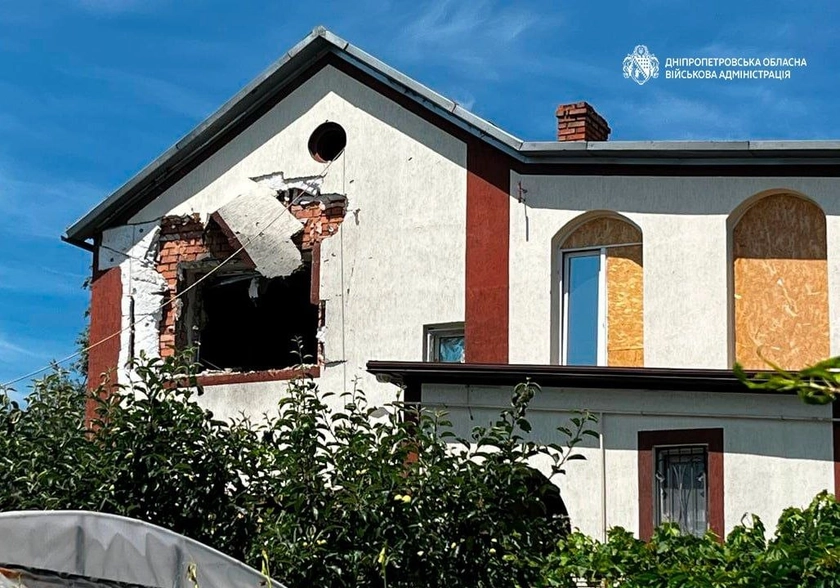
Large areas of Ukraine remain contaminated with landmines and unexploded ordnance as a result of Russia’s full-scale invasion.
According to The HALO Trust, Ukraine is one of the most mine-affected countries in the world. In 2022, authorities estimated that around 174,000 square kilometers (67,182 square miles) of territory could be contaminated.
Ukraine, Denmark Discuss Drone Deal, Boost Anti-Ballistic Cooperation
Demining efforts have since made significant progress, with more than 29,000 square kilometers (11,200 square miles) confirmed as safe and over 60,000 explosive ordnance destroyed.
Humanitarian organizations say new technologies – including drones, AI, and robotics – are becoming critical tools in speeding up clearance operations while reducing risks to personnel.
You can also highlight the text and press Ctrl + Enter