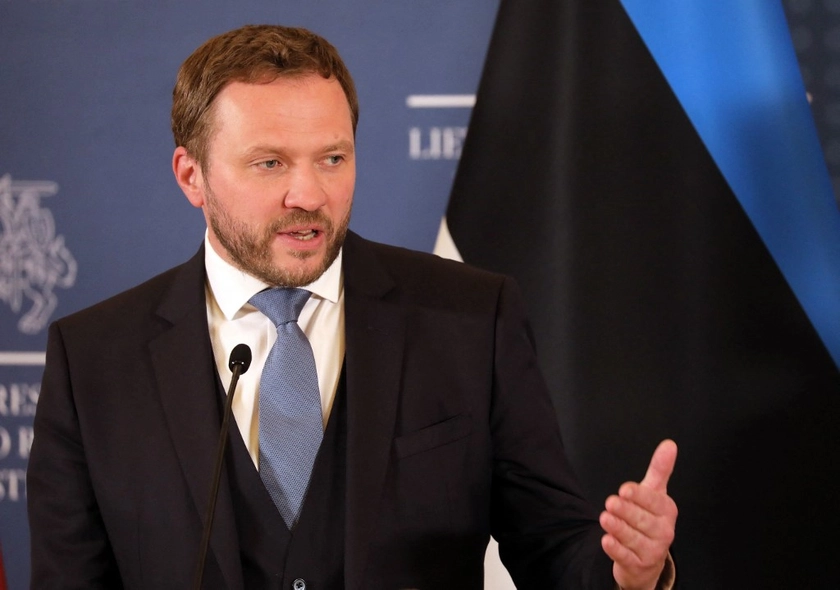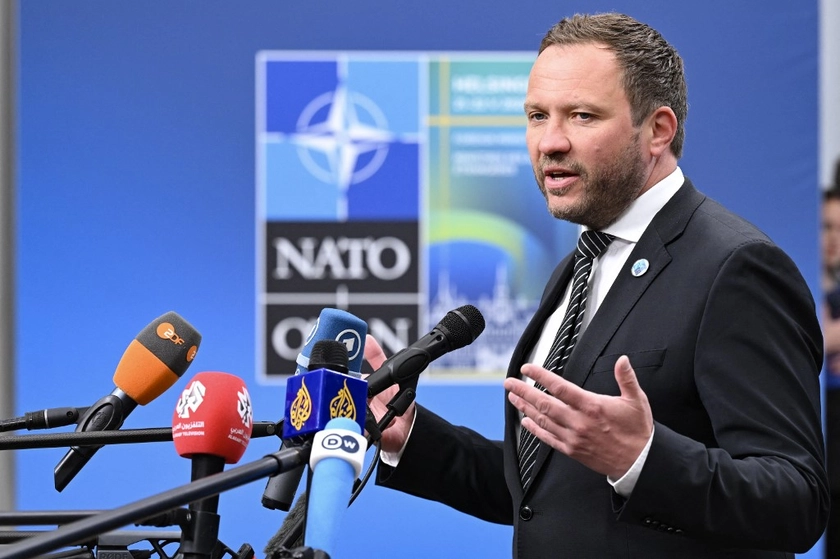
Estonia’s foreign minister has defended Ukraine’s long-range drone campaign against Russia, saying the occasional aircraft that veers into NATO territory is an acceptable consequence of attacks that are increasingly damaging the Kremlin’s war effort.
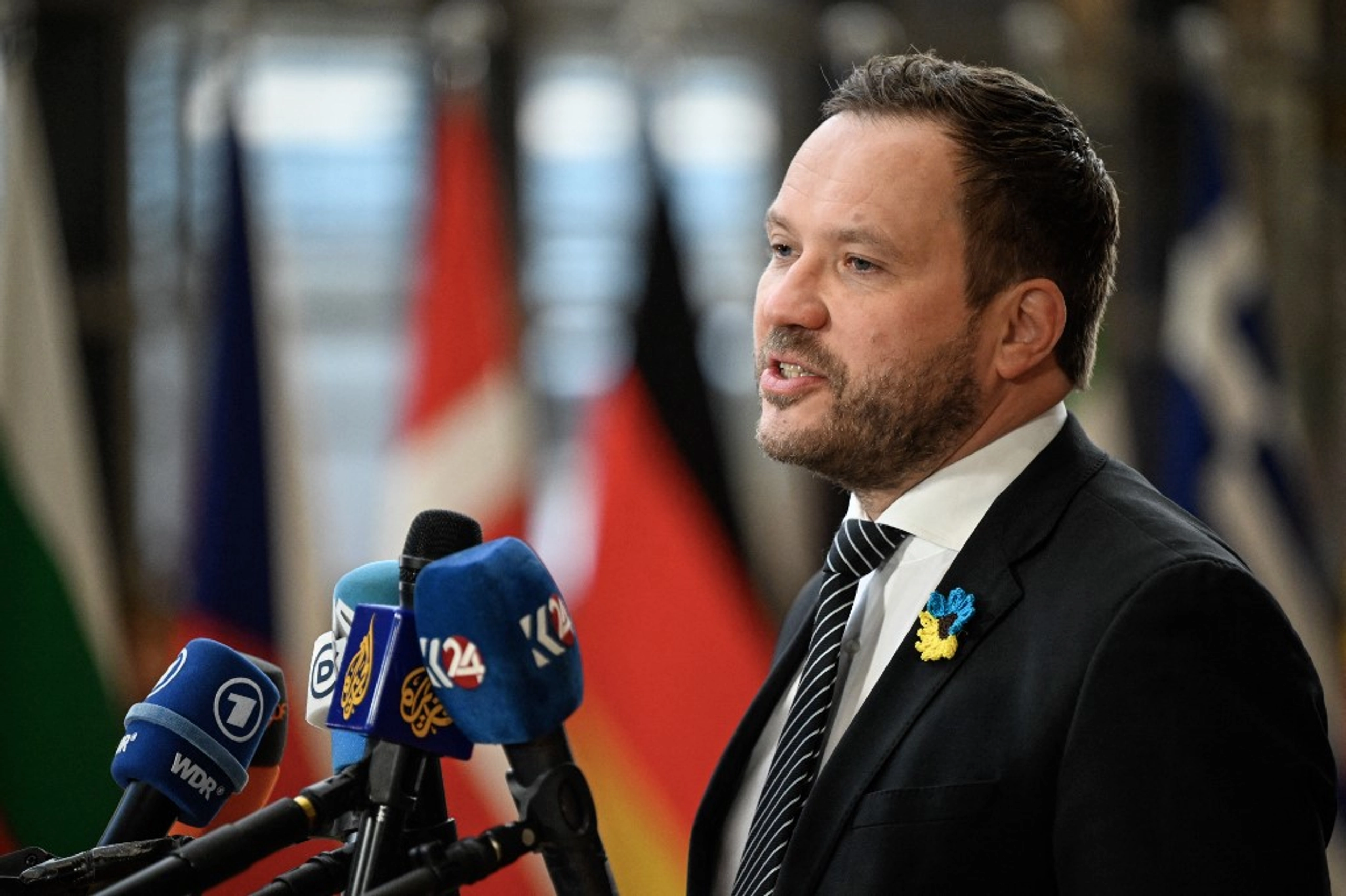
Speaking to the Financial Times, Foreign Minister Margus Tsahkna said Tallinn has no intention of urging Kyiv to scale back its strikes, even after Ukrainian drones have landed in neighboring countries after being diverted by Russian electronic warfare systems.
JOIN US ON TELEGRAM
Follow our coverage of the war on the @Kyivpost_official.
“Of course we are not happy about it,” Tsahkna said. “But we are not saying to Ukraine to stop it. This is hitting the lifeline of Putin.”
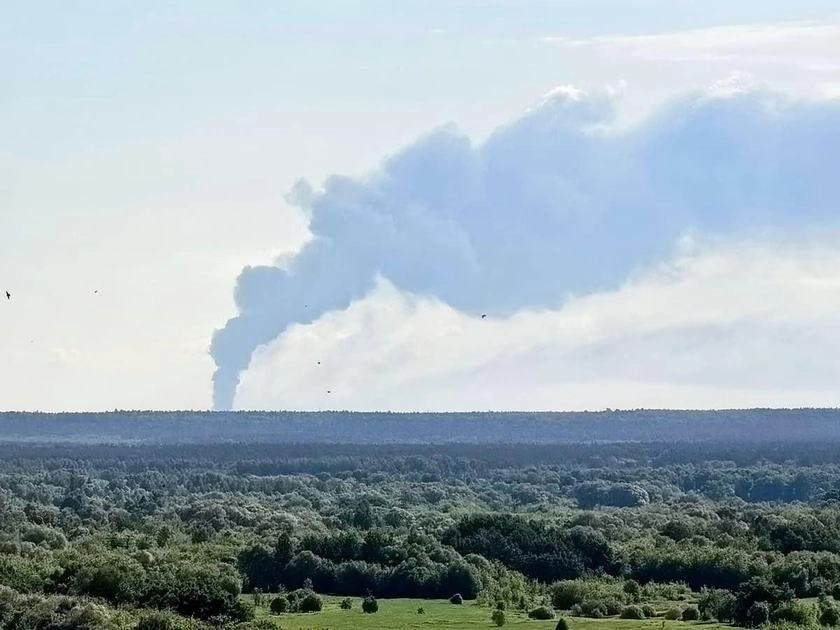
Russia has intensified efforts to jam Ukrainian drones targeting military sites, oil facilities and other strategic infrastructure hundreds of kilometers behind the front line. The interference has occasionally pushed the aircraft off course, sending them into Estonia, Latvia and even Finland.
One such drone carrying a 5-kilogram payload landed in rural Estonia last week. The incident followed political controversy in Latvia, where the government was brought down by political blowback over its response to stray munitions.
Tsahkna rejected Moscow’s repeated accusations that the Baltic states are assisting Ukraine’s long-range operations, calling the claims baseless.
He argued instead that the Kremlin’s rhetoric reflects growing concern over the effectiveness of Ukraine’s campaign against Russia’s economy.

Ukraine’s Battered Energy Grid Braces for ‘Intense Heat’
“We know that the tone around Putin has changed in the last two and a half months,” Tsahkna said. “It’s not so optimistic anymore. The main reason is economic – because of these deep strikes.”
According to Tsahkna, Ukraine’s attacks are putting mounting pressure on Russia by disrupting its energy sector and threatening oil exports through the Baltic Sea – key sources of revenue for the Kremlin.
Despite the growing pressure, the Estonian minister said there is little evidence Moscow is genuinely interested in ending the war.
He warned European governments against taking on the role of mediator, arguing that the Kremlin is seeking negotiations primarily to buy time and weaken Western unity.
“Putin has tried during the past month already to bring Europe into talks,” Tsahkna said. “This is to win time. To use Europe as an opportunity to win time. To divide us.”
He also cautioned that mediation could encourage some EU governments to oppose tougher sanctions on Russia under the guise of neutrality.
“If you have negotiations and we are mediators, we must be neutral,” he said, describing that argument as “an excuse” and “a very dangerous path.”
You can also highlight the text and press Ctrl + Enter