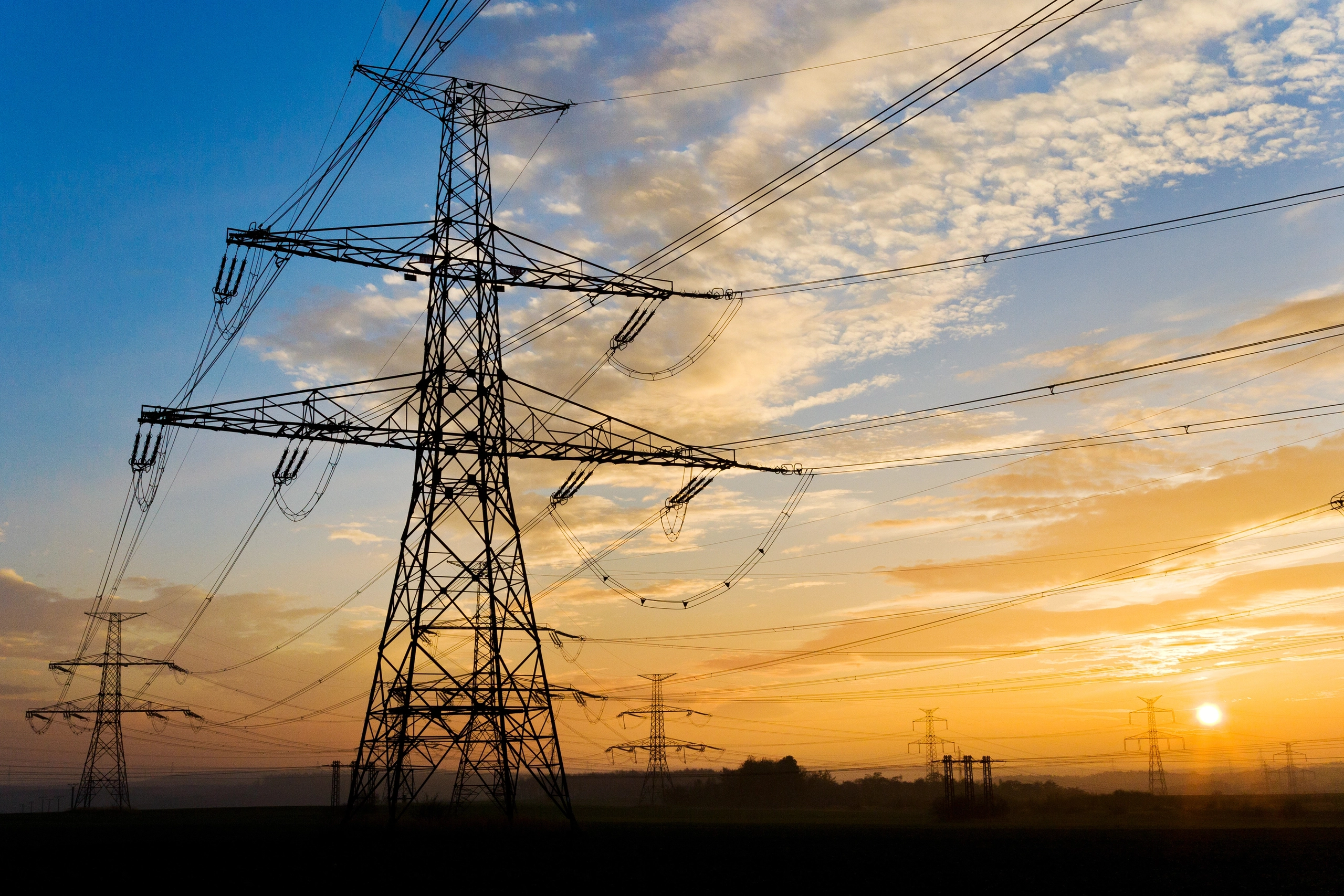
Ukraine could face five hours of daily blackouts during July and August if its energy grid comes under renewed attacks, according to state-owned energy operator Ukrenergo.
Speaking to the domestic outlet RBC Ukraine, Ukrenergo’s chair Vitaliy Zaichenko said the company expects a 25% surge in electricity consumption during peak summer periods.
JOIN US ON TELEGRAM
Follow our coverage of the war on the @Kyivpost_official.
According to Zaichenko, the 25% surge is expected during heat waves – above 30°C (86°F) – that last over a week, adding that two to three days of above-average temperatures generally do not overload the system.
However, when asked by the journalist what would happen if the surge coincided with Russian attacks, Zaichenko said five hours of daily blackouts could happen.
“Potentially, after massive attacks, it is possible not even two to three hours, but up to five hours during peak periods,” he said.
Zaichenko said that Ukrenergo was confident it could cover the daytime period by making use of nuclear power, combined with imports, and distributed and renewable power supply sources, but during “the evening peaks, unfortunately, will need to be balanced at the expense of our consumers.”
He said the issue is compounded by repairs at nuclear power stations and heavy use of air conditioners.
“A planned repair campaign is underway in nuclear generation. We are currently at one of the lowest points in nuclear power generation, with a minimum expected in a few weeks – in the second half of July and early August,” Zaichenko told RBC Ukraine.
Ukraine to Build New Brigades as Russia Seeks to Expand Front by 160 km
“During the same period, a peak in summer consumption is possible due to an increase in air temperature,” he added. “The biggest increase is due to air conditioning. Also, freezing equipment starts to consume more electricity, but the main driver of the increase is air conditioning.”
However, Zaichenko said Ukraine is better prepared thanks to the diversification efforts over the past few years.
He said Ukraine could likely sustain the load thanks to a combination of nuclear, renewables, distributed generation and electricity imports.
“This summer, the situation is much easier than in the summer of 2025, because there is more distributed generation, new power plants are being built with a second level of protection, and there is greater protection for substations of both Ukrenergo and distribution system operators, so schedules are certainly possible, but they will not be as difficult as in winter,” he added.
Ukraine’s wartime energy crisis
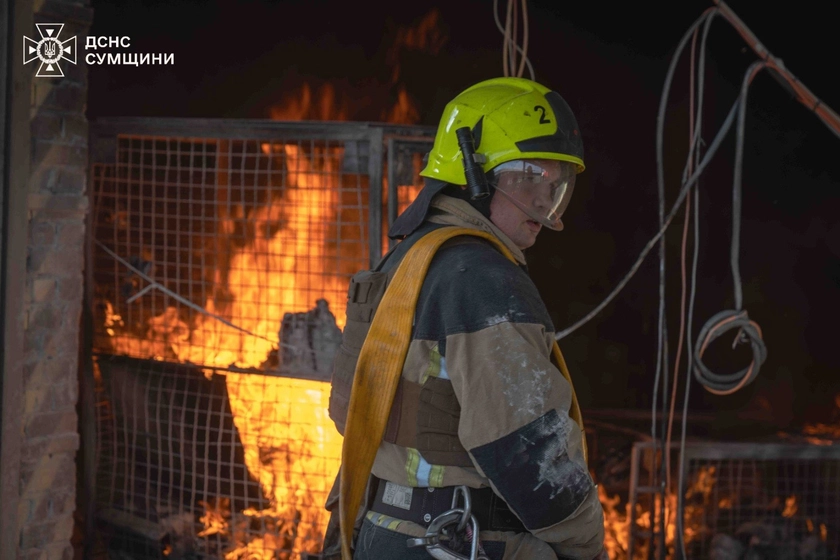
Russian attacks wreaked havoc on Ukraine’s energy infrastructure in the summer of 2024 – which worsened during the winter of 2025-2026.
In the summer of 2024, Ukraine is estimated to have lost around two-thirds of its pre-full-scale invasion 36 gigawatts (GW) of actual capacity, after power plants were either damaged or seized by Russian forces.
At the time, Ukrenergo introduced rolling blackout schedules with power available for a few hours per day at its worst point.
But the blackouts worsened in the winter of 2025-2026, when Russia’s renewed attacks led to over 48 hours of continuous blackouts at times in subzero temperatures.
Kyiv has attempted to minimize the outages by diversifying the network – rather than relying on large power plants that supply much of the nation, smaller plants and generators are erected nationwide to minimize the damage after each attack.
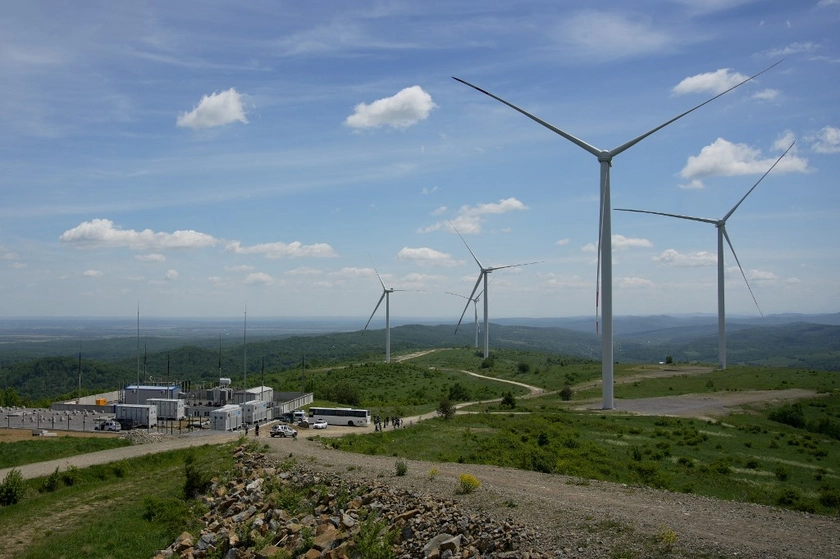
Parts of the diversification efforts also include renewables such as solar power and battery storage systems, which could help offset peak load.
Additionally, to assist residents with some degree of predictability, Ukrenergo has published its rolling blackout schedules and provided grid subgroup information to consumers via Telegram as a public service.
You can also highlight the text and press Ctrl + Enter

Ukrainian Storm Shadow Hit Iskander-Linked Electronics Plant, Say Russian Sources