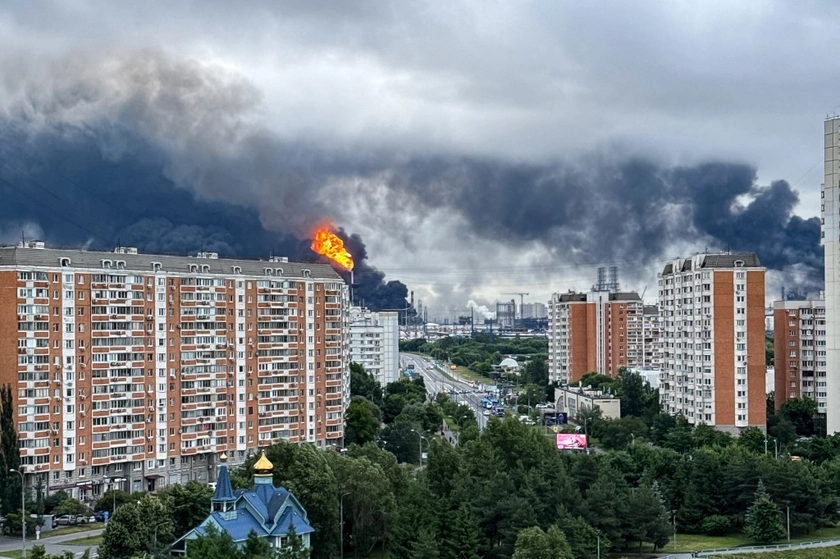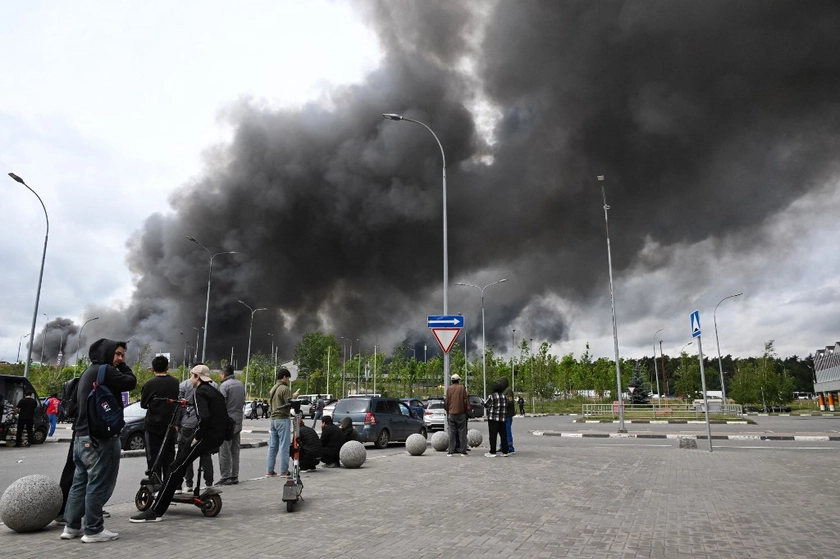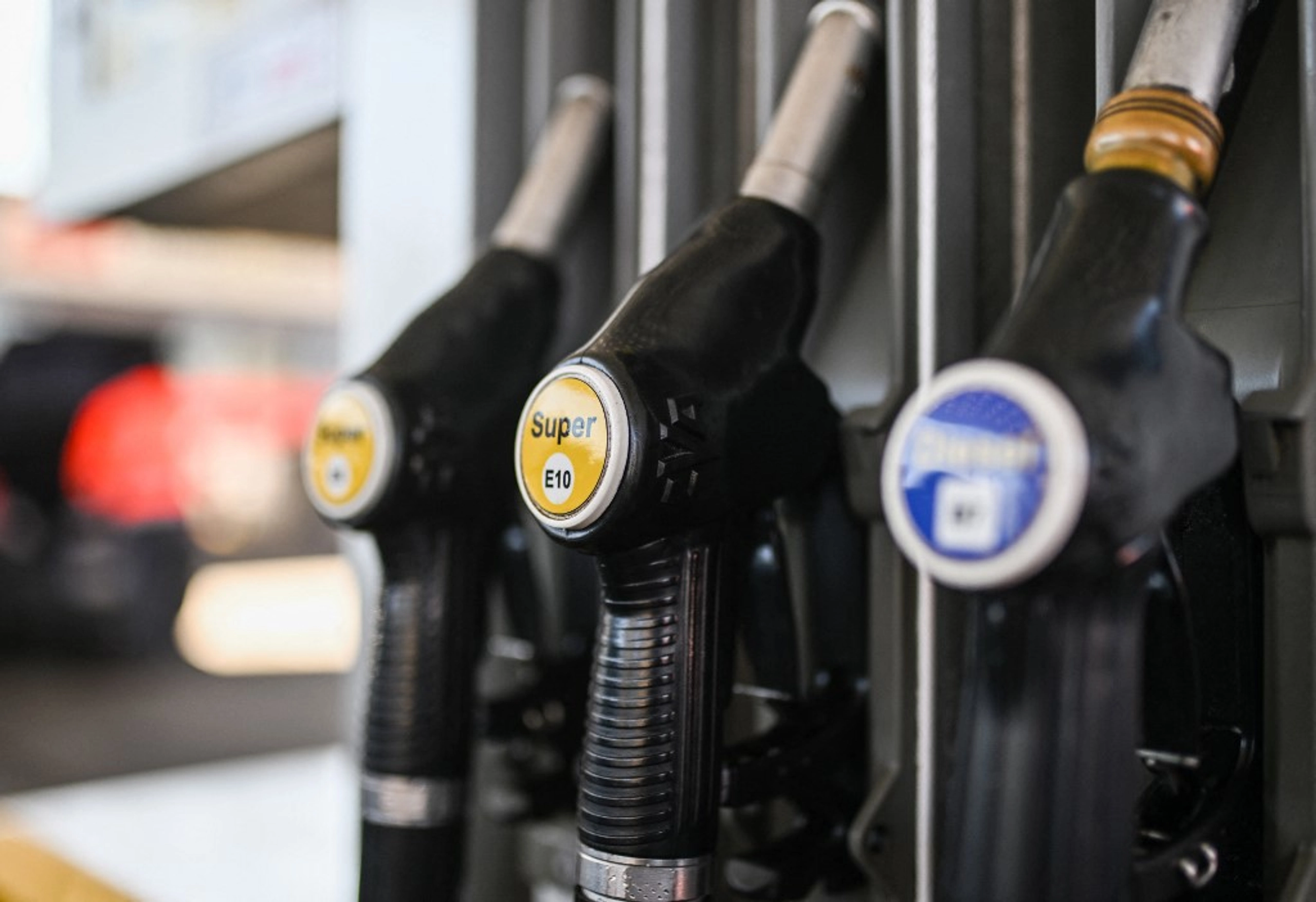
Restrictions on gasoline and diesel sales have been introduced in 22 Russian regions as fuel shortages continue to spread across the country, The Moscow Times reported on Wednesday, June 24.
According to The Moscow Times, fuel has become increasingly difficult to purchase in nearly one-quarter of Russia’s federal subjects amid what the outlet described as a deepening fuel crisis linked to repeated Ukrainian strikes on Russian oil refineries.
JOIN US ON TELEGRAM
Follow our coverage of the war on the @Kyivpost_official.
The affected regions include Bryansk, Kursk, Belgorod and Voronezh regions near the Ukrainian border, as well as several central Russian regions, including Lipetsk, Saratov, Penza and Nizhny Novgorod.
Restrictions spread across Russia and occupied territories
Fuel sales limits have also been introduced in major oil-producing regions of Siberia, including the Khanty-Mansi Autonomous Okrug, which accounts for about 40% of Russia’s oil production, according to the report.
Additional restrictions have been reported in Tyumen, Omsk, Novosibirsk, Kemerovo and Irkutsk regions, as well as in North Ossetia and Adygea.
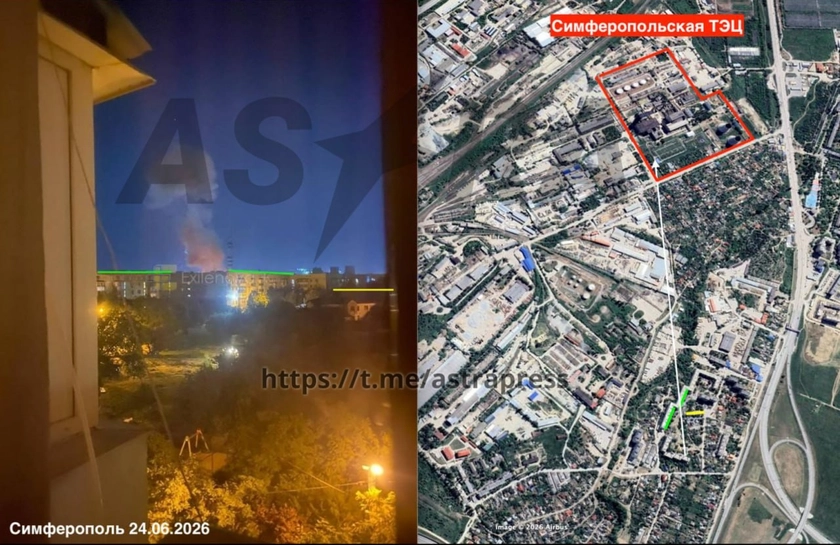
In occupied Crimea and Sevastopol, authorities have reportedly suspended fuel sales, while officials in the Russian-occupied part of Luhansk region limited purchases to 20 liters per customer.
Authorities blame demand and logistics
Regional officials attributed the restrictions to increased demand, logistical difficulties and rising fuel prices.
Some authorities also accused market participants of attempting to profit from panic buying.
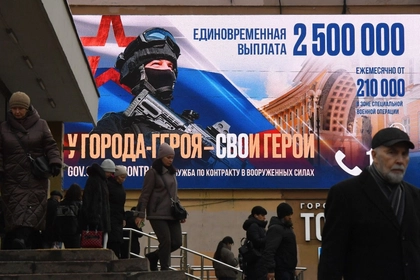
Russian Military Recruitment Falls Across Country
Oryol Region Governor Andrei Klychkov compared the situation to the rush for staple goods during the COVID-19 pandemic.
“The situation resembles the panic buying of buckwheat and toilet paper during the pandemic,” Klychkov said, according to The Moscow Times.
The Kremlin has already introduced temporary fuel export restrictions in recent months, while officials continue weighing broader limits on diesel exports and potential fuel imports to stabilize domestic shortages driven by refinery damage and logistical bottlenecks.
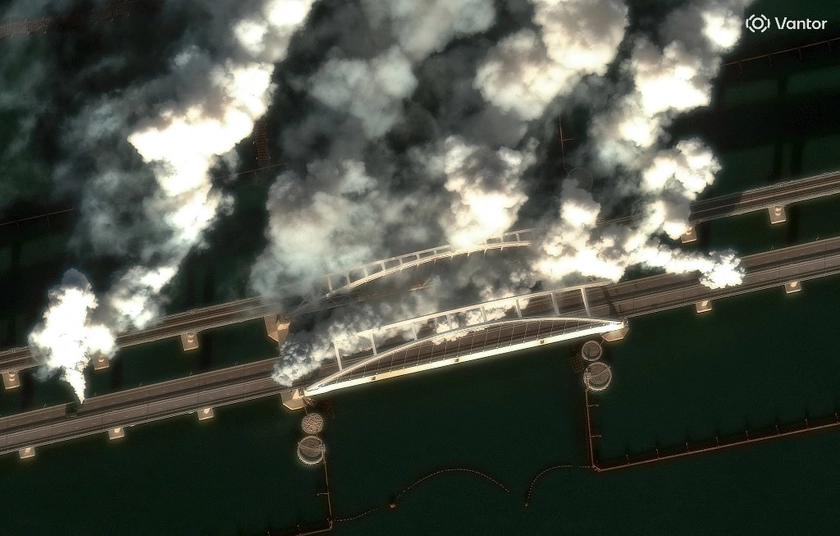
The restrictions come as Russia’s fuel sector faces growing pressure from repeated Ukrainian drone attacks targeting oil refineries and energy infrastructure, which have disrupted refining capacity in several regions.
You can also highlight the text and press Ctrl + Enter

Attack on Moscow Oil Refinery: Putin Under Pressure?