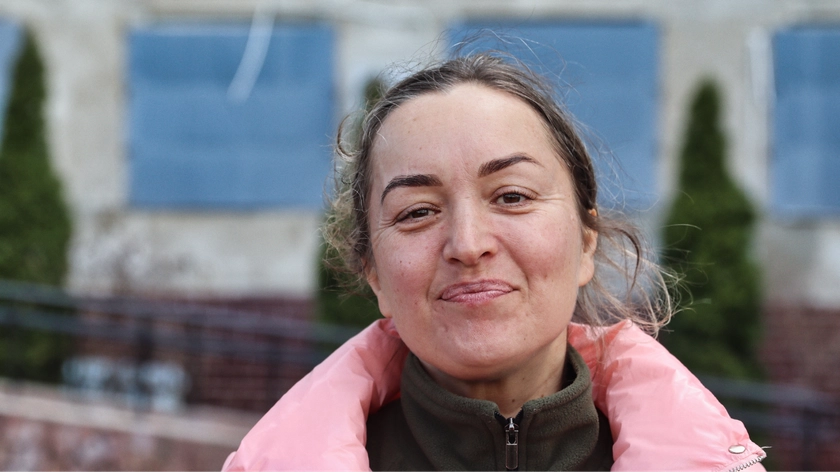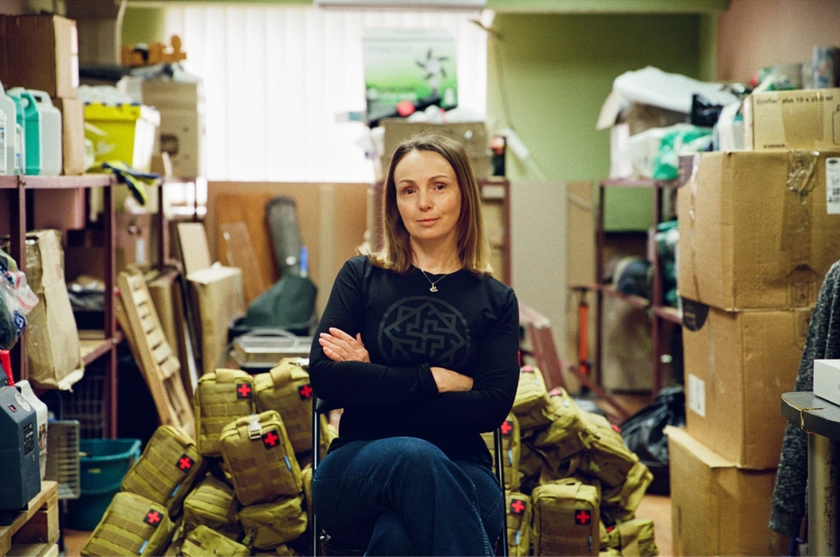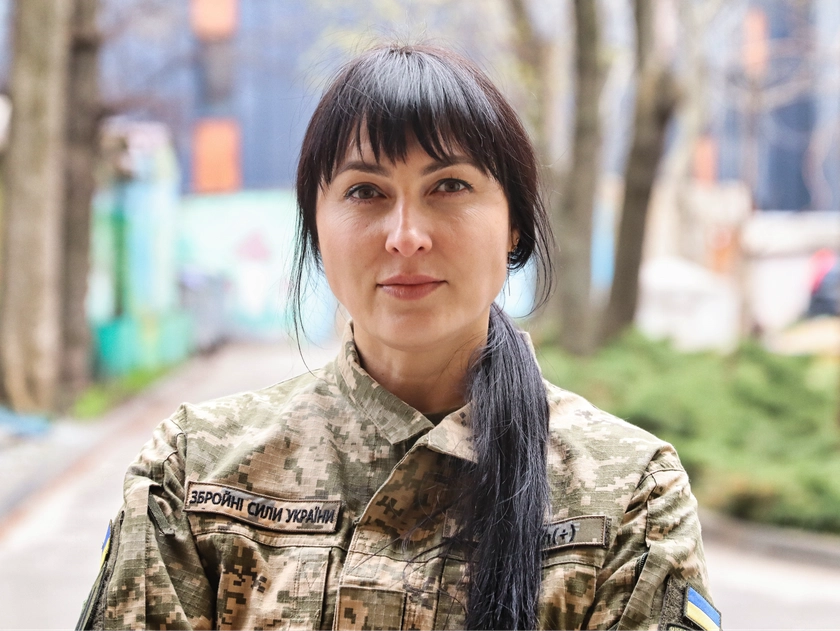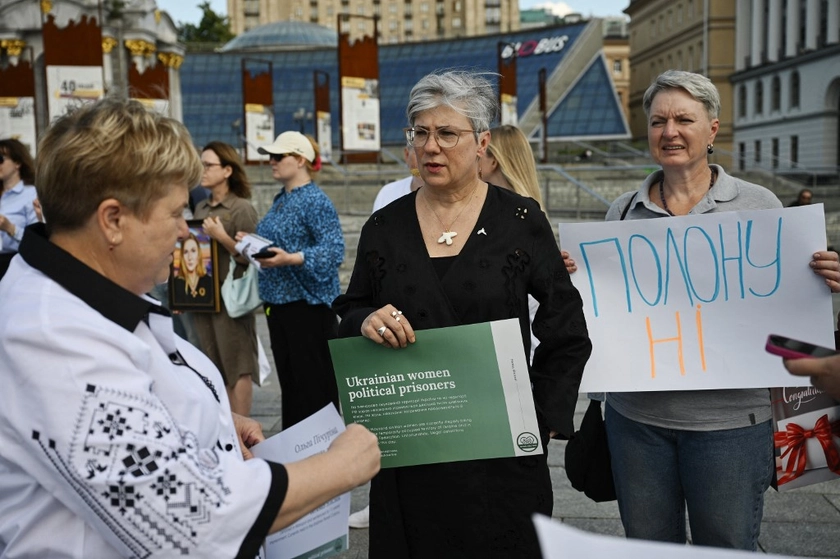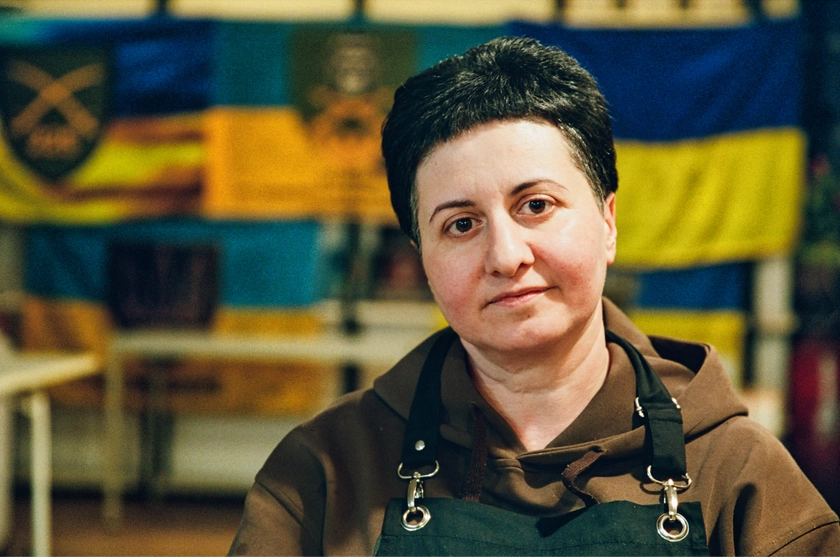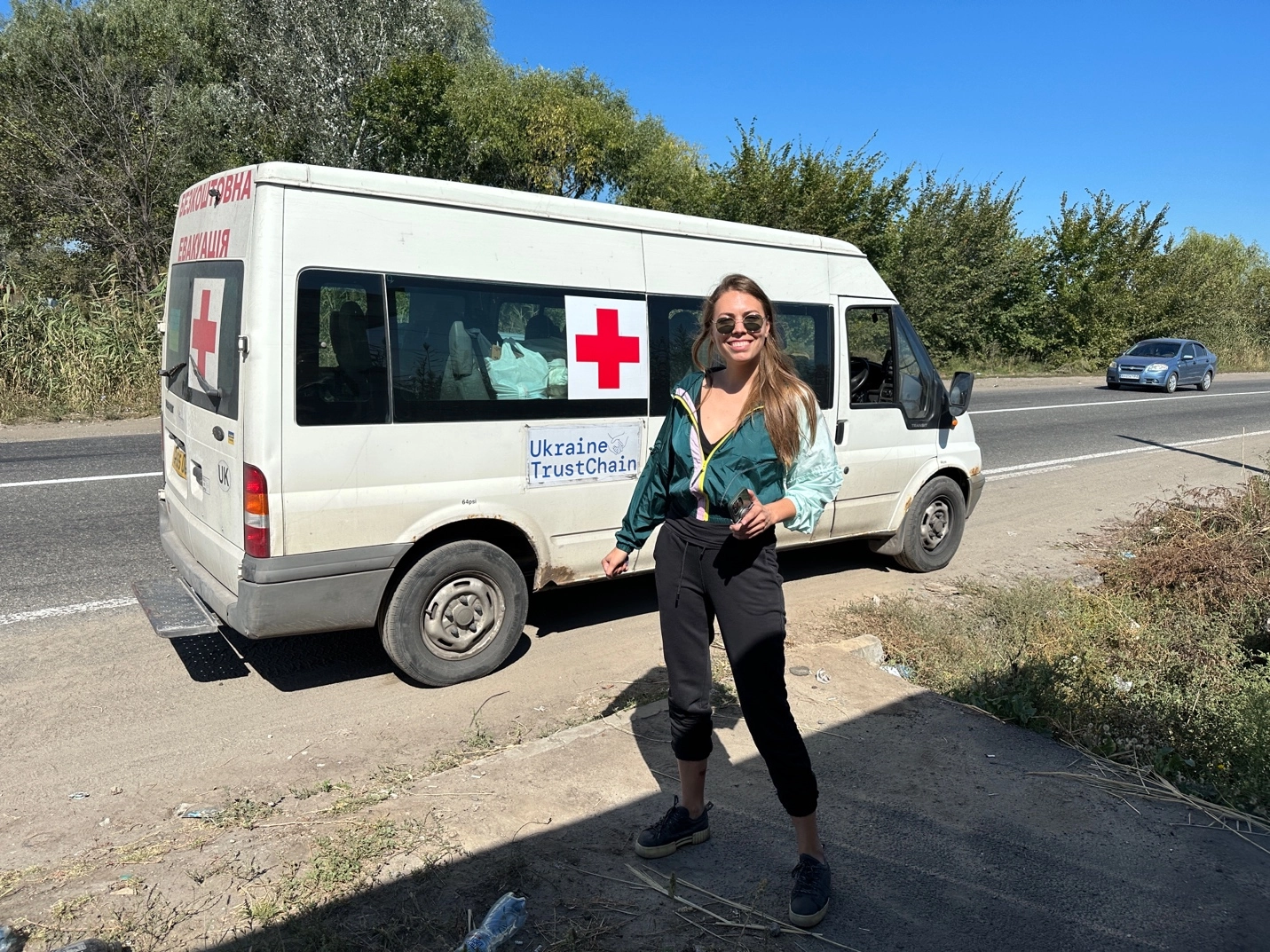
When Russia launched its full-scale invasion, Alina Holovko, a resident of Dnipro, spent her days organizing volunteers to assemble Molotov cocktails as Russian forces threatened to reach the city. She and other volunteers founded Dobra Sprava, a humanitarian organization that evacuates civilians from frontline communities.
In the early months of the war, those evacuation drivers were overwhelmingly men, making repeated trips into cities such as Lysychansk, Rubizhne, Siversk and later Bakhmut. But as the war dragged on and Ukraine’s military demanded more manpower, many of those volunteers were mobilized into the armed forces.
JOIN US ON TELEGRAM
Follow our coverage of the war on the @Kyivpost_official.
More than four years of war have steadily reduced the pool of experienced civilian volunteers. A July 2026 CSIS analysis estimated Russia had suffered roughly 1.4 million battlefield casualties and Ukraine between 525,000 and 625,000 since the full-scale invasion.
An April 2026 Human Rights First report found that the trend extends beyond Dobra Sprava, documenting that volunteer groups across eastern Ukraine are turning to women to conduct evacuations as experienced male volunteers are mobilized or lost to Russian attacks.
Emily Channell-Justice, director of the Temerty Contemporary Ukraine Program at the Harvard Ukrainian Research Institute, said the trend predates Russia’s full-scale invasion. Women began building volunteer networks after Russia’s first invasion in 2014. Many later evolved into established NGOs, allowing them to expand quickly after the full-scale invasion. “People saw that there was a need, and they could fill it, so they did,” Channell-Justice said.
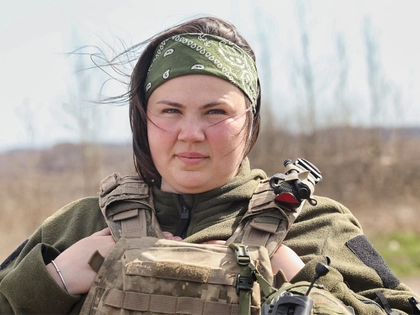
‘You No Longer Belong to Yourself Here’
Those networks created experienced organizers long before the full-scale invasion, positioning them to expand rapidly as wartime demands grew.
Holovko is one of them. Dobra Sprava now has three female evacuation drivers, along with another woman who coordinates animal rescues and accompanies evacuation missions.
“For more than a year we’ve been unable to recruit enough men for evacuation work,” Holovko said. “During an evacuation, it’s crucial to load people’s belongings quickly and help people with limited mobility get on board. That kind of physical work is often beyond what women can manage alone.”
First-person-view (FPV) drones have made the work more dangerous.
“The first danger is simply reaching the destination,” Holovko said. “Russian FPV ‘waiting drones’ hide along roadsides, waiting for vehicles to pass. Military vehicles are their primary targets, but volunteer vehicles and civilian cars are hit just as often.”
Some drones target civilians deliberately, said Ruslan Tsarenok, a soldier with Ukraine’s 27th Brigade of the National Guard.
“There are also bastards who don’t look for military targets,” he said. “They just hit anything.”
The attacks are intended to make life in frontline cities unbearable, driving civilians to flee before Russian forces advance.
“A moving vehicle has a better chance of avoiding a drone than one standing still while people are boarding,” Holovko said. “These drones are hidden not only along roads but also inside villages and towns where evacuations take place.”
Recent attacks illustrate the danger. Recently, a Russian FPV drone struck a civilian evacuation vehicle in Druzhkivka, in Ukraine’s Donetsk region, reflecting how even clearly marked humanitarian missions have become targets.
In May, drones also targeted vehicles operated by the humanitarian organization World Central Kitchen and the United Nations while they were delivering aid in Kherson, killing a local resident and damaging an armored aid vehicle.
The UN Human Rights Monitoring Mission in Ukraine says FPV drones are disrupting evacuations, humanitarian aid and emergency services in frontline areas, forcing many civilians to remain trapped without adequate food or medical care.
For Holovko, the closest call came when an FPV drone locked onto her evacuation bus as it carried civilians away from the front. “Our bus was packed with people, children, and all of their belongings, making it incredibly difficult to accelerate,” she recalled. “My hands were shaking. Everyone on board felt as if those could be our final moments.”
The drone ultimately struck another vehicle just meters away.
“Realizing that people had just been hit right beside us left me feeling helpless, heartbroken, and filled with hatred for the enemy,” she said.
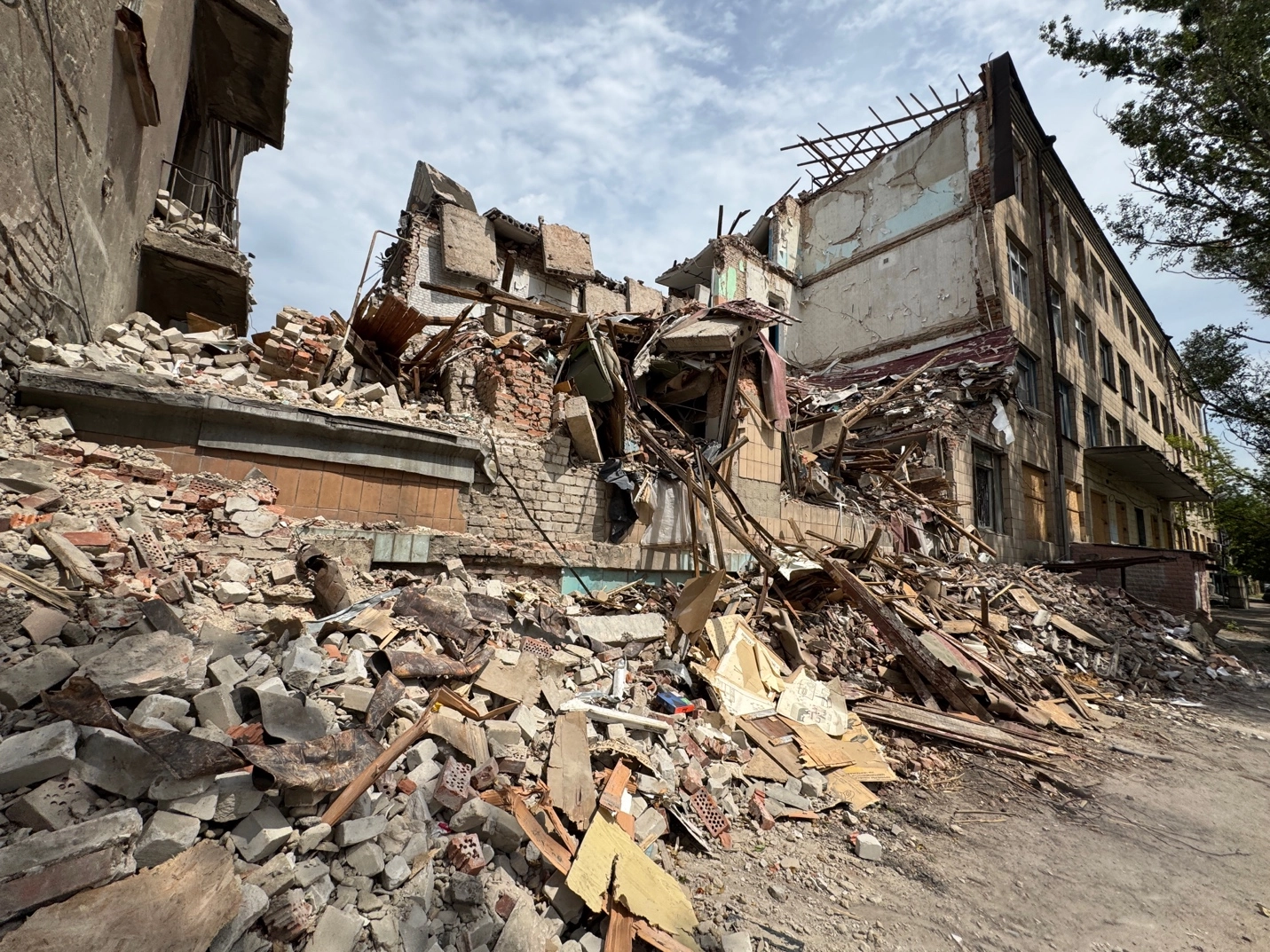
The shift extends beyond evacuations. In frontline cities such as Kherson, women are now taking on humanitarian and essential municipal jobs. They deliver aid in dangerous “red zones,” repair neighborhoods damaged by Russian attacks and board up shattered buildings while wearing body armor.
“Women are increasingly taking on humanitarian missions and essential work in Kherson,” said Zarina Zabrisky, a US journalist based in the city and director of the documentary “Kherson: Human Safari.”
In May, Kherson volunteer Olena Tarasenko was critically wounded when Russian artillery struck her car as she drove through the city. Tarasenko helped evacuate civilians during the Russian occupation before returning to humanitarian work after Kherson’s liberation. She died in early July after spending more than a month in a coma.
Natalia Kuzovova, a professor at Kherson State University whose home was destroyed during Russian shelling in 2023, said about half of Kherson’s residents have left since the city’s liberation, leaving those who remain reliant on volunteers and municipal workers to keep essential services running despite daily drone and artillery attacks.
“Ukraine’s fight for survival is an all-of-society effort,” said Deborah Fairlamb, founding partner of Green Flag Ventures. “Traditional gender roles have largely fallen away as women step into essential roles when men are no longer available. It is simply practicality and reality.”
More than four years into the war, women are filling roles once dominated by men – from driving evacuation buses and delivering aid to keeping frontline cities functioning – as more men leave to fight or never return.
You can also highlight the text and press Ctrl + Enter