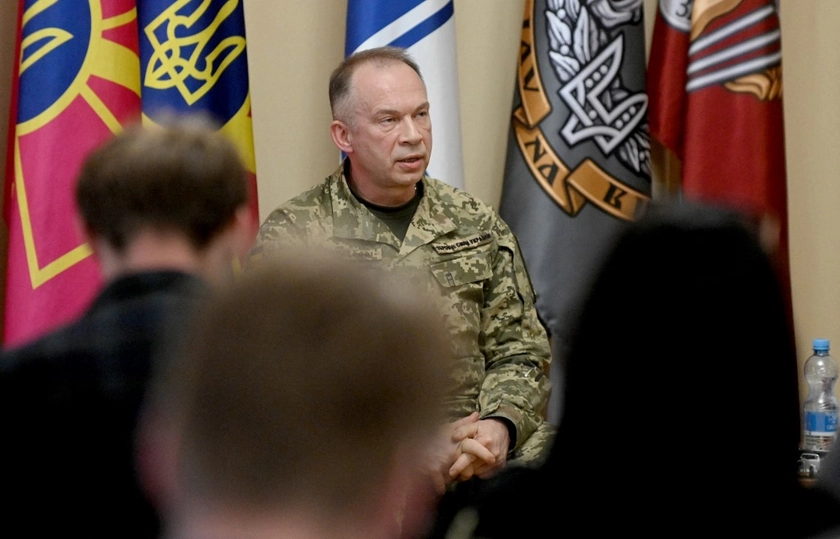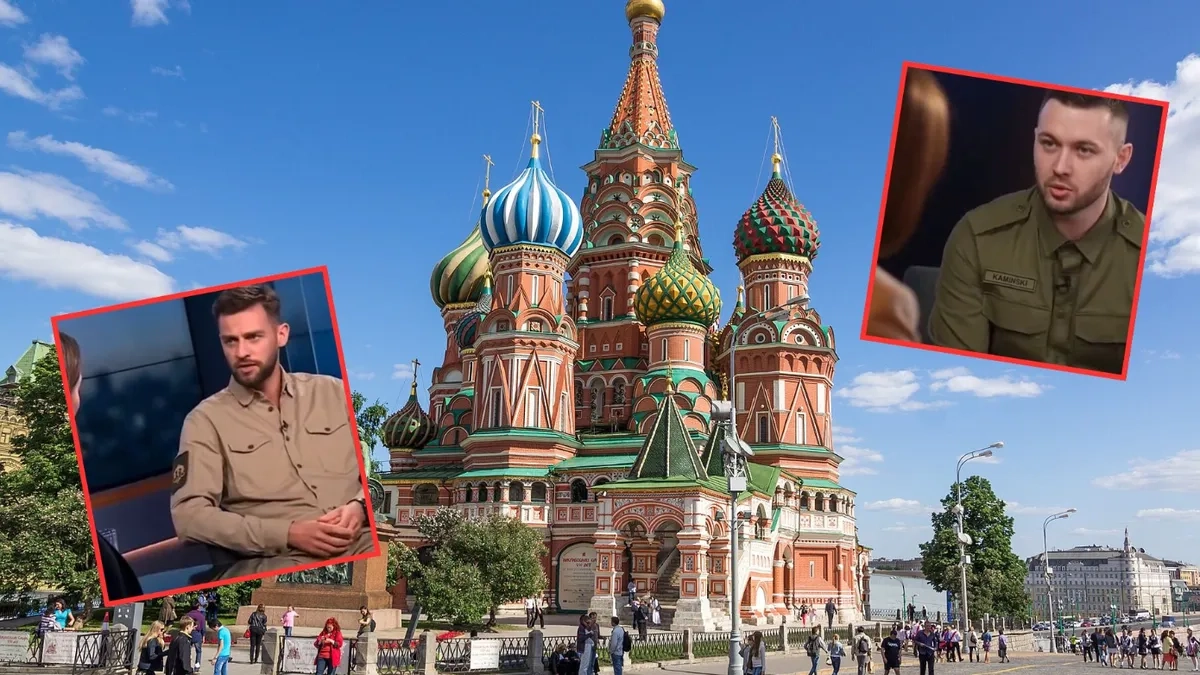
The clips, presented as interviews with men wearing military uniforms, have surfaced in recent days across several social media platforms, including YouTube, TikTok, Facebook and Instagram, Poland’s state news agency PAP reported on Tuesday.
Ukraine’s Center for Countering Disinformation said the materials are part of the Kremlin’s “coordinated disinformation campaign” using AI technologies, designed to “undermine support for Ukraine and discredit its allies.”
JOIN US ON TELEGRAM
Follow our coverage of the war on the @Kyivpost_official.
A coordinated disinformation campaign using AI technologies has been detected in the Polish segment of social media, aimed at undermining support for Ukraine and discrediting allies. Polish fact-checking platforms @DemagogPL and @konkret24 have drawn attention to this operation pic.twitter.com/1VPxW5CyVT
— Center for Countering Disinformation (@CforCD) July 21, 2026
Moscow has intensified its online propaganda and cyberwarfare efforts in the aftermath of full-scale invasion of Ukraine in 2022, seeking to seed pro-Russian and anti-Ukrainian narratives across social media in an effort to weaken Western support for Kyiv.
Deepfake clips
In the deepfake clips, the AI-generated figures harshly criticize Ukraine and spread false claims that the levels of crime have been on the rise in Poland because of Ukrainian refugees.
They also refer to the World War II Volhynia massacres of Poles by Ukrainian nationalists, events whose differing interpretations have recently contributed to diplomatic tensions between Kyiv and Warsaw.
The videos also show multiple signs of manipulation, pointing to possible involvement by Russian-aligned actors.
An analysis by NASK, Poland’s state cybersecurity and disinformation research institute, found that the videos contain literal translations from Russian into Polish and the accidental inclusion of Cyrillic characters.
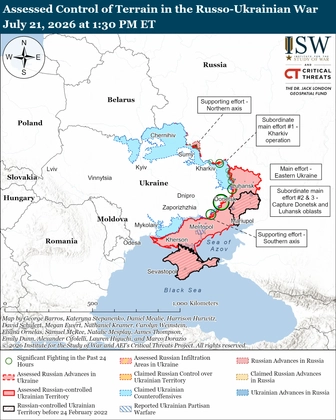
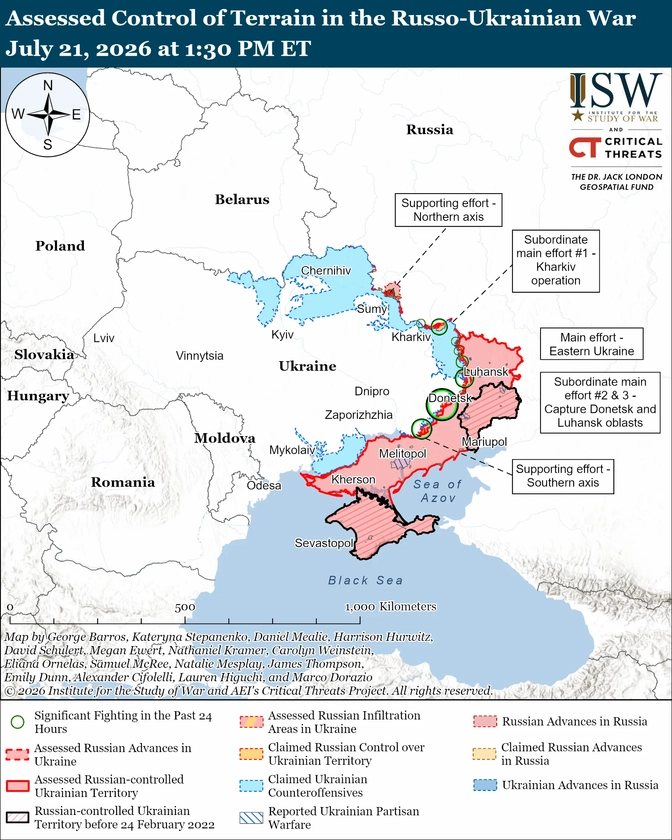
ISW Russian Offensive Campaign Assessment, July 21, 2026
The military uniforms worn by the AI-generated figures also closely resemble those of Russian and Belarusian military personnel than Polish Armed Forces uniforms.
Several of the accounts spreading the videos have since been removed, but the most widely viewed clip amassed nearly 300,000 views.
An investigation by Polish fact-checking outlet Konkret24 found that one YouTube account published more than 50 of the deepfake videos before being banned.
Ongoing cyberthreat
Poland was the world’s most targeted country for politically and socially motivated cyberattacks last year, with pro-Russian groups named as the chief perpetrators.
Polish officials have repeatedly accused Russia and its allies of orchestrating cyber and hybrid attacks against the country, which has become a key logistical hub for Western support for Kyiv since Moscow’s full-scale invasion of Ukraine in 2022.
You can also highlight the text and press Ctrl + Enter