EN

EN


EN
Stay informed with the most important Ukraine breaking news today. This page compiles the top headlines and critical updates from across Ukraine, offering a real-time snapshot of key developments.
Whether it’s military updates, political changes, or international reactions — we bring you the latest Ukraine news as it happens. All reports are carefully curated from verified sources and KyivPost correspondents on the ground.

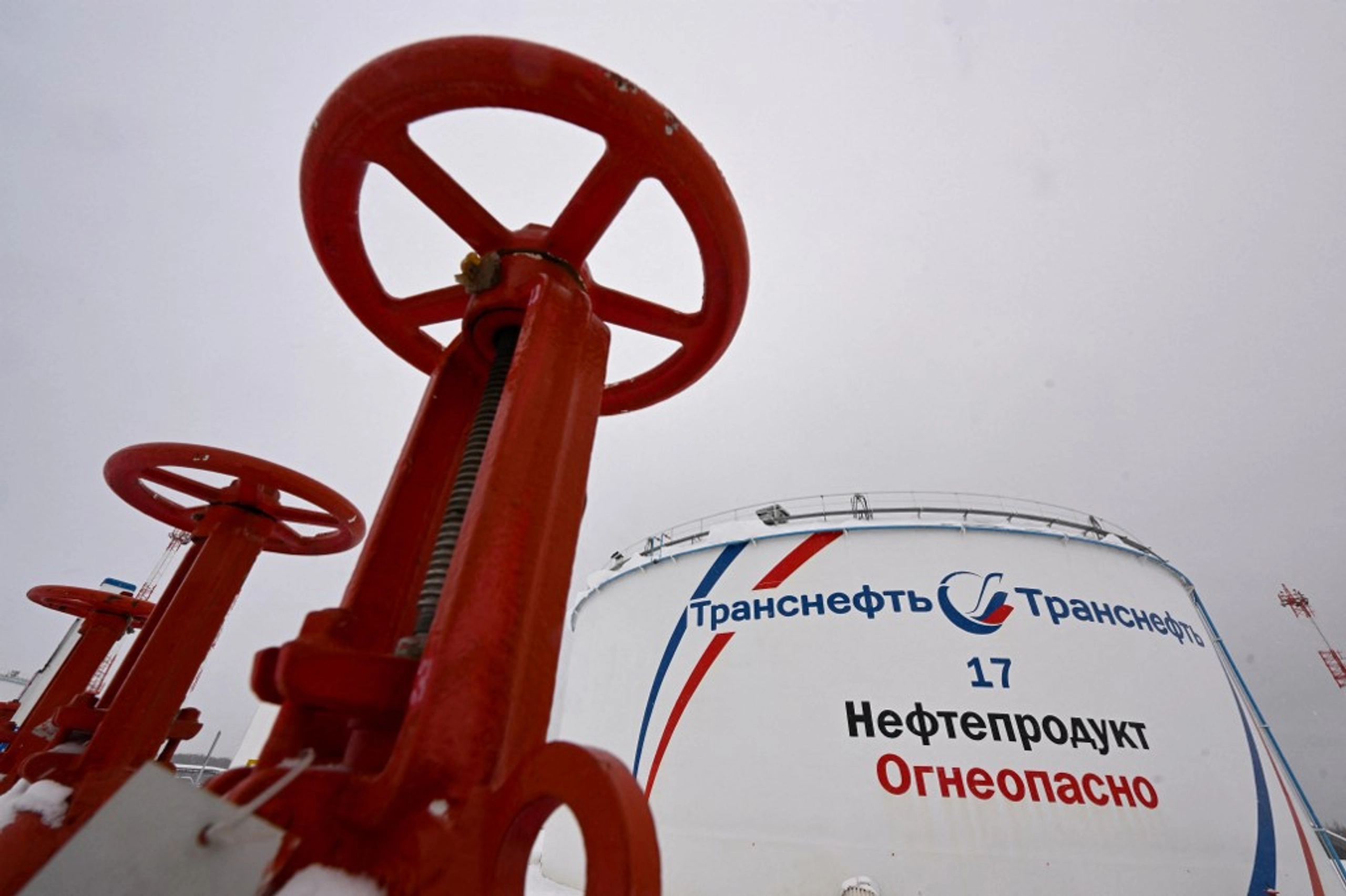
Fuel shortages and rising gas prices in Russia are most welcome news in Ukraine while Putin’s war economy takes a big hit, impacting his ability to continue his invasion.
Long-range Ukrainian drone attacks have knocked out 20 percent of Russia’s oil refining capacity in the month of August, according to the Economist. The situation is proving to be very challenging as the supply disruption caused by Ukrainian airstrikes has coincided with the peak seasonal demand due to summer travel and the upcoming harvesting season.
Gasoline prices have reached record highs in Russia amid mounting reports of fuel shortages. Russian social media has been inundated with videos depicting long lines of cars and transport trucks at gas stations all over Russia and in occupied areas of Ukraine.

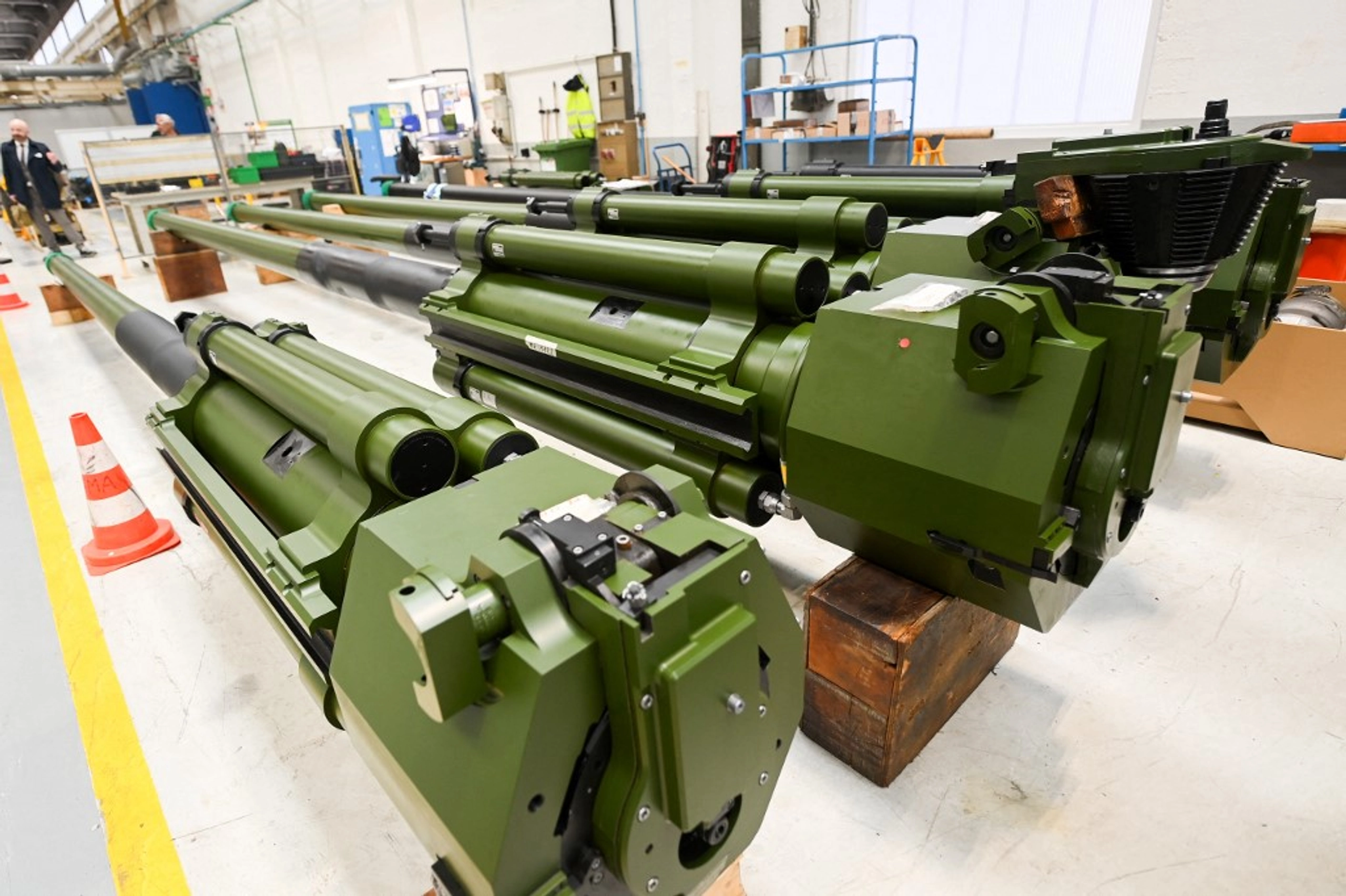
Ukraine’s survival and Europe’s credibility now hinge less on battlefield brilliance than on whether trains of kit keep rolling east. Can production beat attrition?
The NATO Defense College Foundation (NDCF) summary of the round table on the build-up of the European Pillar within the Atlantic Alliance, held on July 11, this year, outlines a simple bargain: Europe must turn ambition into armories, process into production, and grand strategies into trains of kit moving east. Read alongside the Kiel Institute’s latest Ukraine Support Tracker, after three years of the large-scale war, we are finally seeing a change in how the EU is reacting to Russian Aggression.
Europe is not only talking about a larger defense pillar, but is beginning to finance one the way wars are actually sustained – through factories, contracts, and predictable cashflows. Together these threads show how Ukraine’s survival, and Europe’s credibility, now hinge on industrial stamina as much as on tactics at the front.

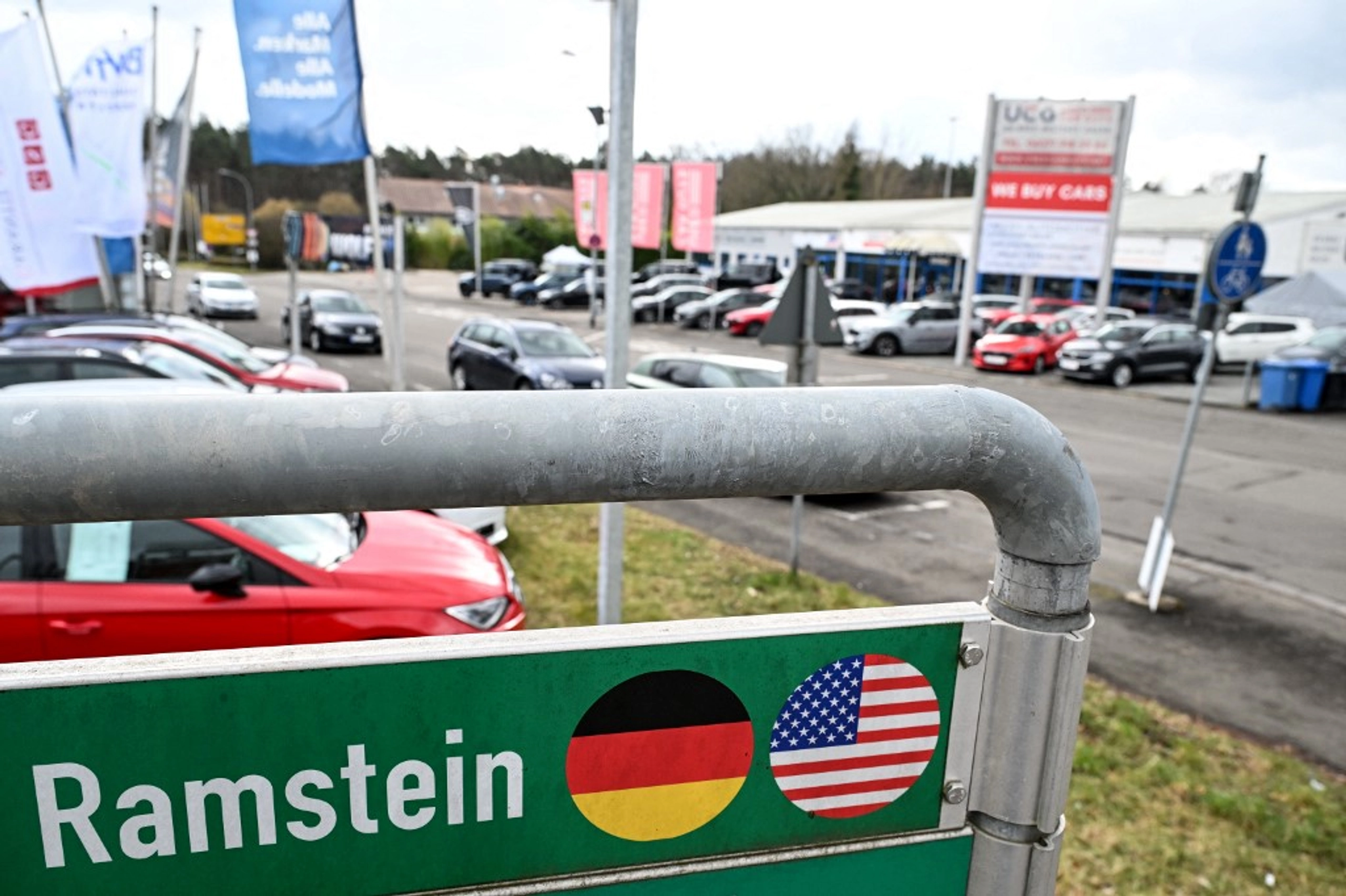
In a growing threat to Ukraine’s lifeline, Russia has been launching drones over eastern Germany to observe Western logistics efforts to shore up Ukraine’s defense.
A sinister shadow looms over eastern Germany as Russian surveillance drones, some reportedly Iranian-made, brazenly infiltrate NATO’s critical supply routes ferrying military aid to Ukraine.
US and European military officials, cited by the New York Times, confirm these unmanned intruders are part of Moscow’s escalating espionage campaign, gathering intelligence to bolster its sabotage operations across Europe and support its faltering war effort in Ukraine.

Welcome to Summary of the Week — your quick guide to the top headlines for September 6, 2025.

While European leaders seek US contribution to future security, one analyst and veteran of NATO leadership warns the continent’s own plan is missing a vital deterrent.
WASHINGTON DC – European leaders announced this week that 26 countries had committed to a post-war support force for Ukraine, noting that a specific US pledge was still being ironed out. However, one military expert and veteran of NATO leadership is already sharply criticizing their own proposed security guarantees, warning the plan may not be enough to prevent a renewed conflict.
Retired US Army Colonel Richard Williams, a former deputy director in NATO’s Defense Investment Division, told Kyiv Post on Friday that the European Commission’s security guarantees “fall short of deterrence required to preclude renewed conflict in Ukraine.”

They gathered in China not just to cut economic deals, but also to flout Trump’s selective arrogance. India feels is has borne the brunt of that arrogance and wants to make the US pay.
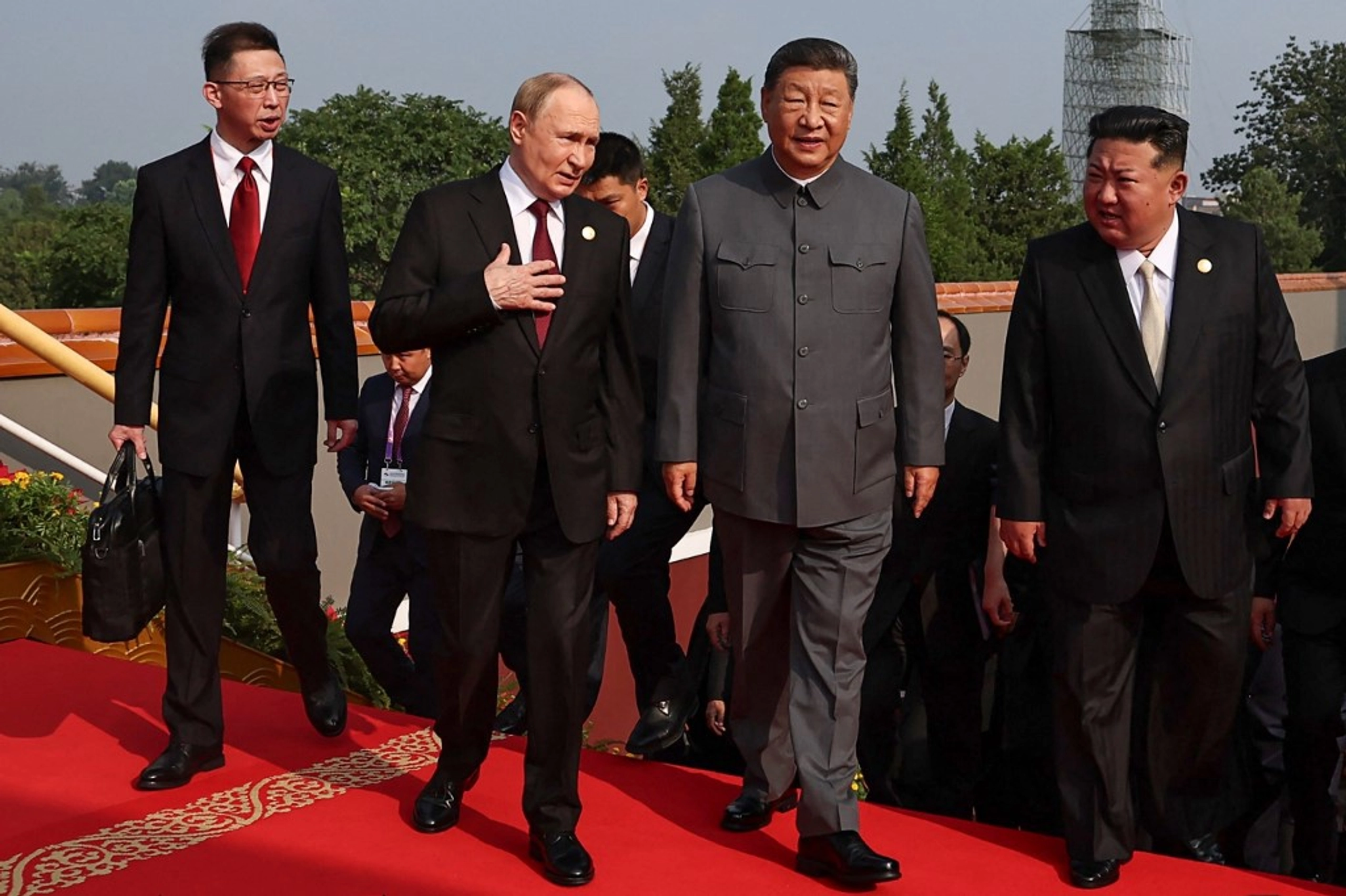
China hosted world leaders this week and showed off its military hardware at the latest Shanghai Cooperation Organization (SCO) summit. Vladimir Putin, India’s Narendra Modi, Iran’s Ebrahim Raisi, North Korea’s Kim Jong Un, and representatives from more than 20 countries attended.
Beijing put on an extravaganza and parade to commemorate the 80th anniversary of Japan’s surrender in WWII. However, the version awarded China an outsized role in the victory, while America was given a lesser one. Some touted the event as the beginning of a new world order, but it was mostly a “pity party” of leaders assembled there who took turns airing their grievances toward Western dominance and Trump’s tariff “bullying.”
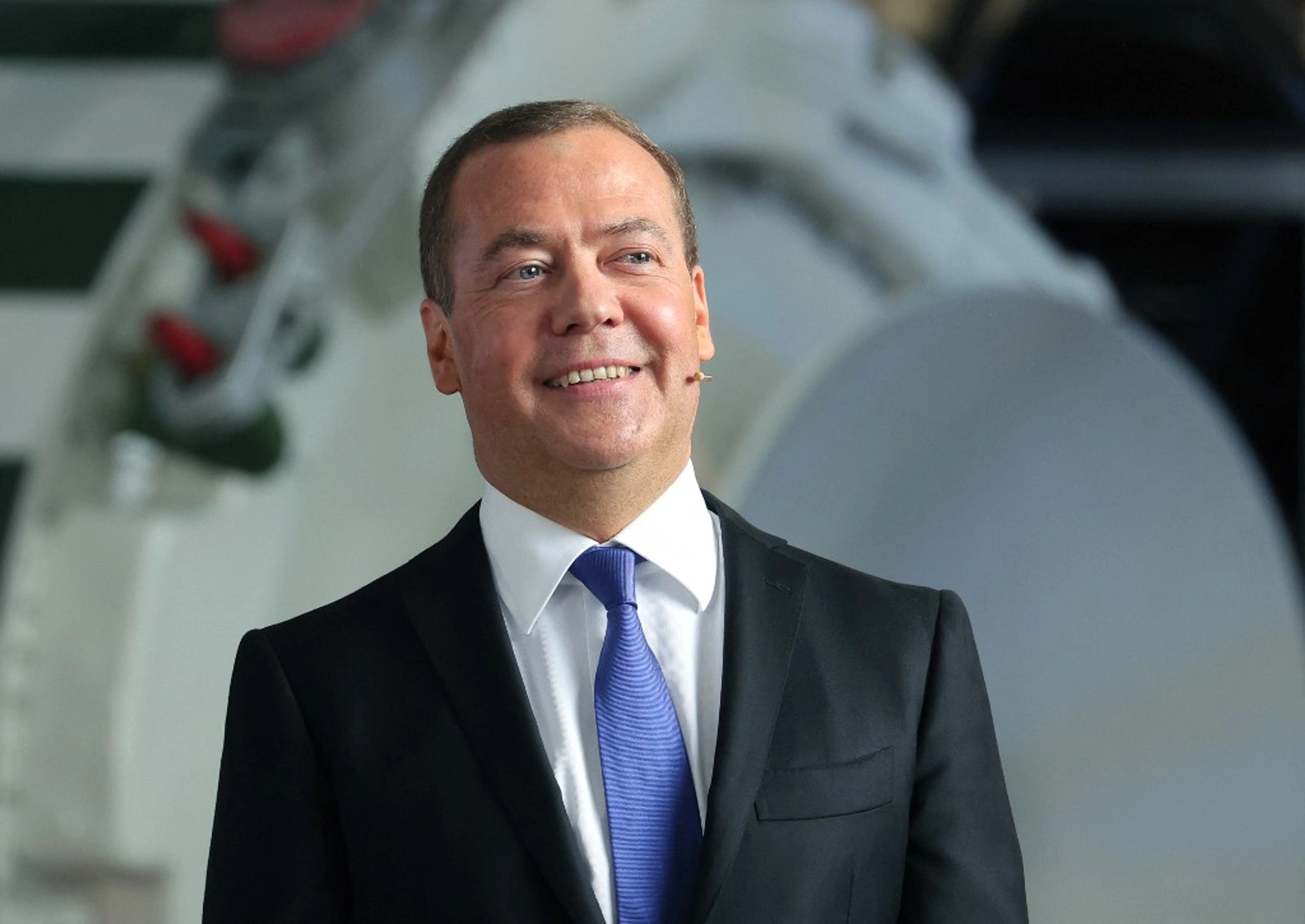
The Kremlin has again sicced its most vitriolic attack dog on Western efforts to help Ukraine. Dmitry Medvedev says that the Coalition of the Willing is “pulling ideas out of various orifices.”
Dmitry Medvedev, former Russian president and current deputy chairman of the Security Council of the Russian Federation, took to social media on Friday to dismiss the Coalition of the Willing gathered in Paris the previous day, Sept. 4, to plan security guarantees for Ukraine.

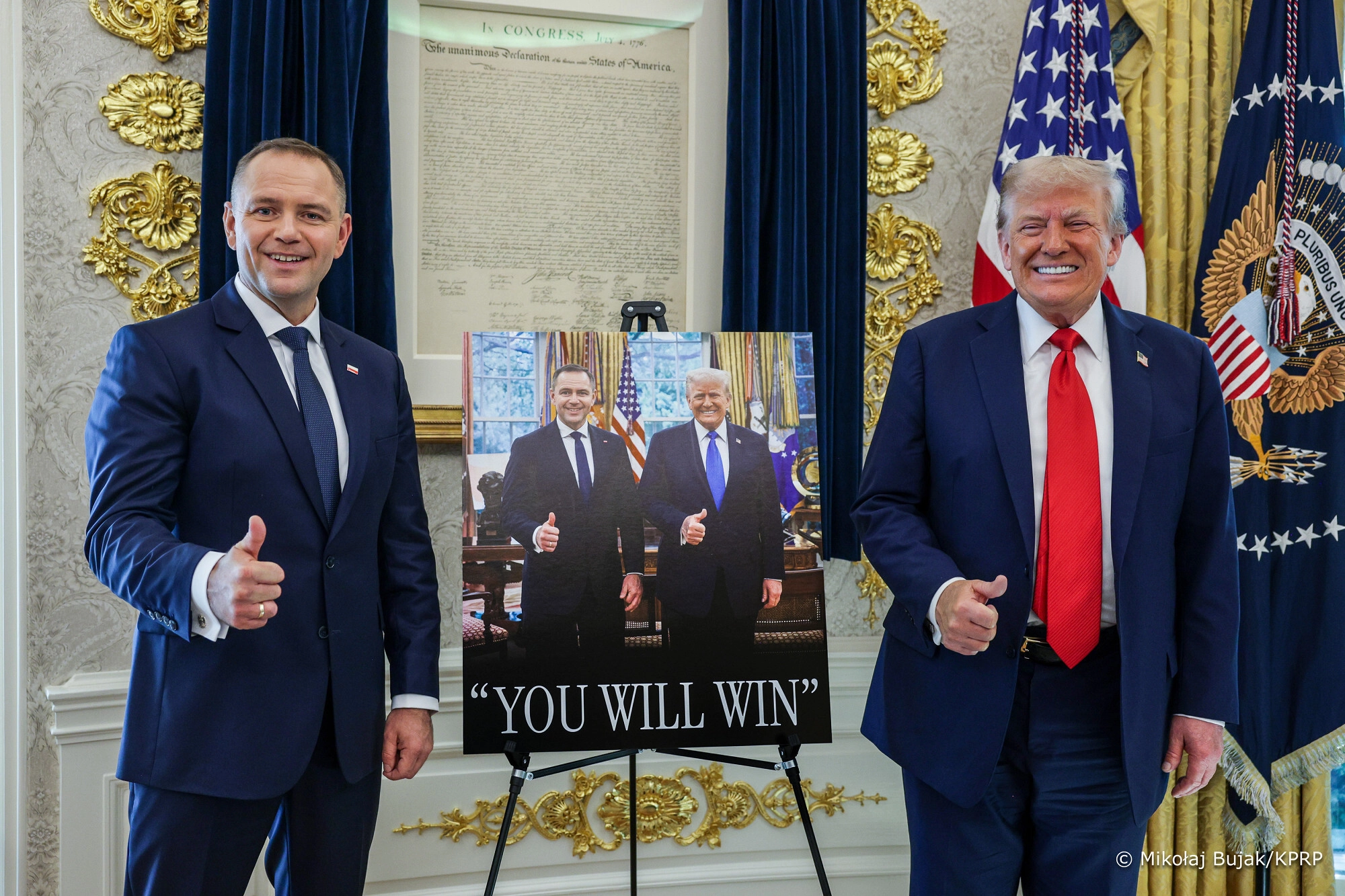
Poland’s new conservative President Karol Nawrocki was received very well by Trump in Washington. Ukrainians are realizing that this relationship could benefit them as well.
A common language, a remarkably warm reception – this is how Wednesday’s visit of Polish President Karol Nawrocki to Washington is being described.
The meeting between Nawrocki and US President Donald Trump on Sept. 3 at Blair House, Washington DC, had both symbolic and strategic dimensions.

As Western nations gathered in Paris to discuss security guarantees for a post-war Ukraine, the Russian President pushed back on the possible presence of Western troops.
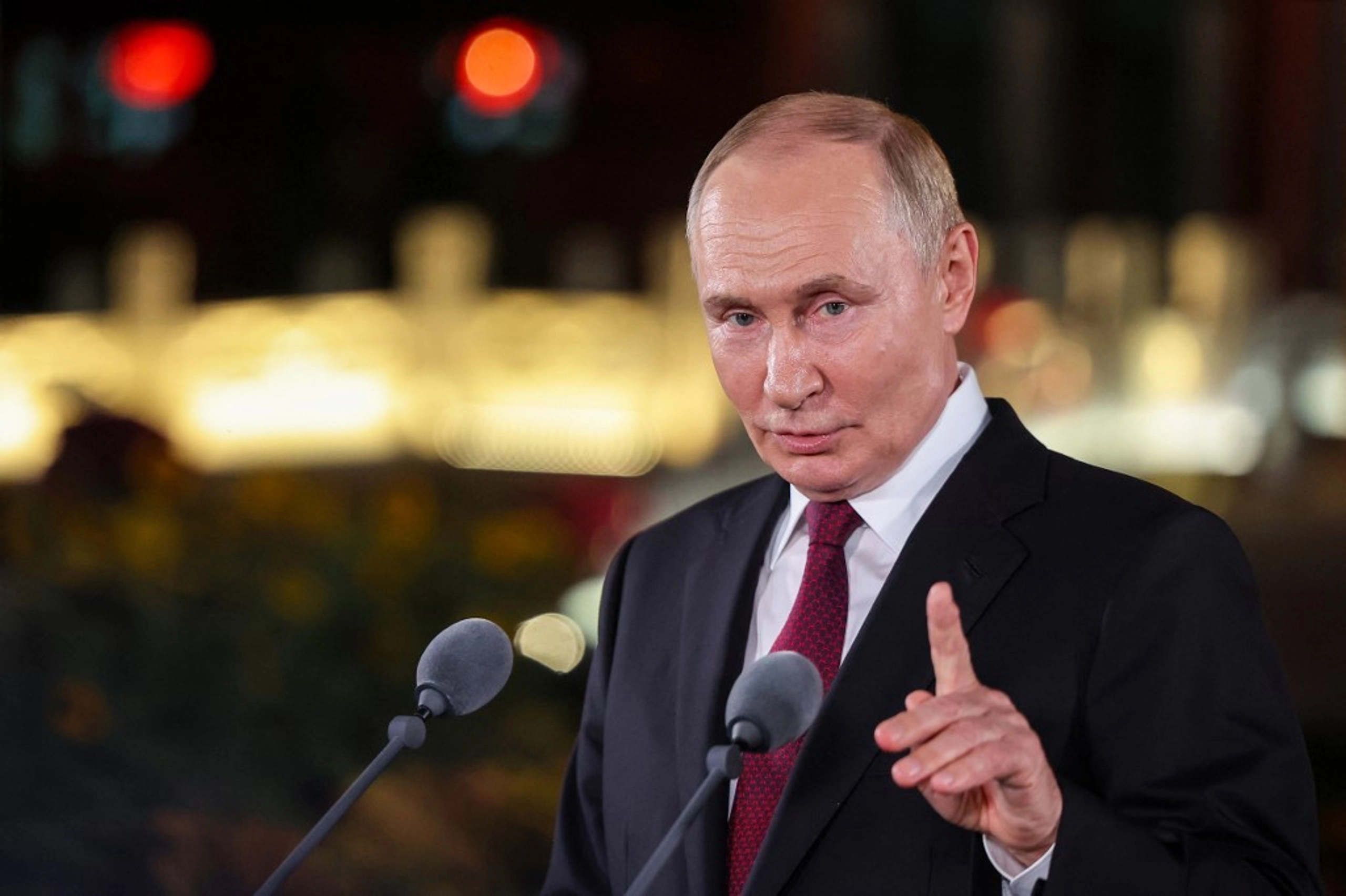
President Vladimir Putin warned on Friday that any Western forces deployed to Ukraine would be “legitimate” targets for Russia’s army, as Ukrainian counterpart Volodymyr Zelensky said “thousands” could be sent as part of a peacekeeping force.
Two dozen countries, led by France and Britain, pledged Thursday to join a “reassurance” force on land, at sea and in the air to patrol any agreement to end the war, unleashed by Russia’s February 2022 invasion.

Most analysts cannot see what is really happening in Russia’s war on Ukraine because the metrics they use are not appropriate to the type of war being fought.
For most of this horrendous war of Russian aggression against Ukraine, the tagline most useful for influencing Western governments against misinformation was “Ukraine can Win!”
Although Western media has not caught on, some Western analysts can see it. Ukraine not only can win, but she is winning! Why do I say that when Russia still threatens Pokrovsk, is still advancing in Donbas, and still has so many resources? I say that because those are not the correct metrics to use in a war of colonial aggression.
More children abducted by Russians from the occupied territories in Ukraine have come back home. Still, thousands remain in Moscow’s control.
A “large group” of Ukrainian children has been returned from territories temporarily occupied by Russia as part of the Ukraine’s Bring Kids Back UA initiative.
The announcement was made on Telegram by the head of the President’s Office, Andriy Yermak.

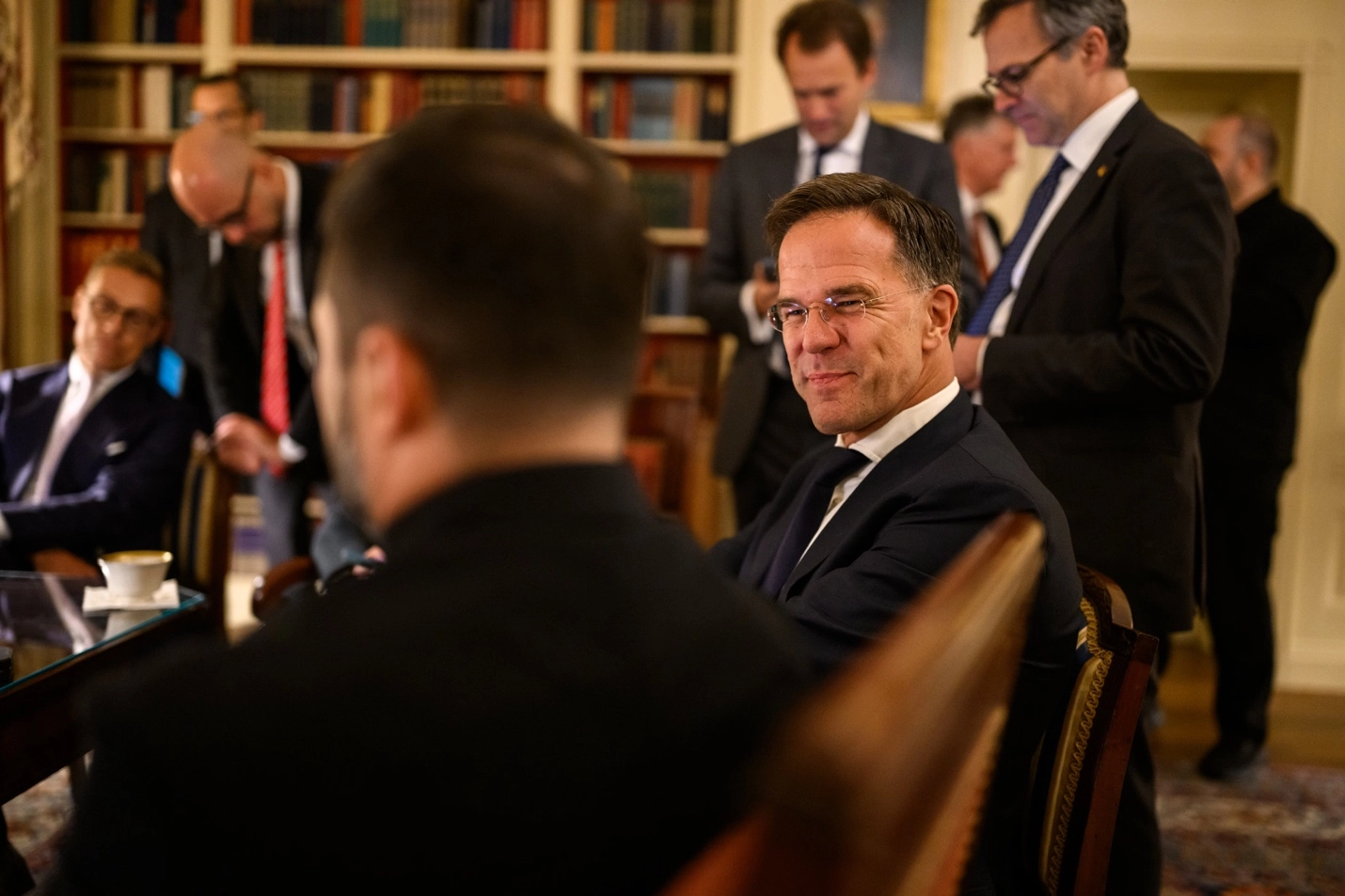
A “Coalition of the Willing” consisting of more than 30 countries met in Paris on Thursday to discuss future security guarantees for Ukraine. Europe’s press takes stock.
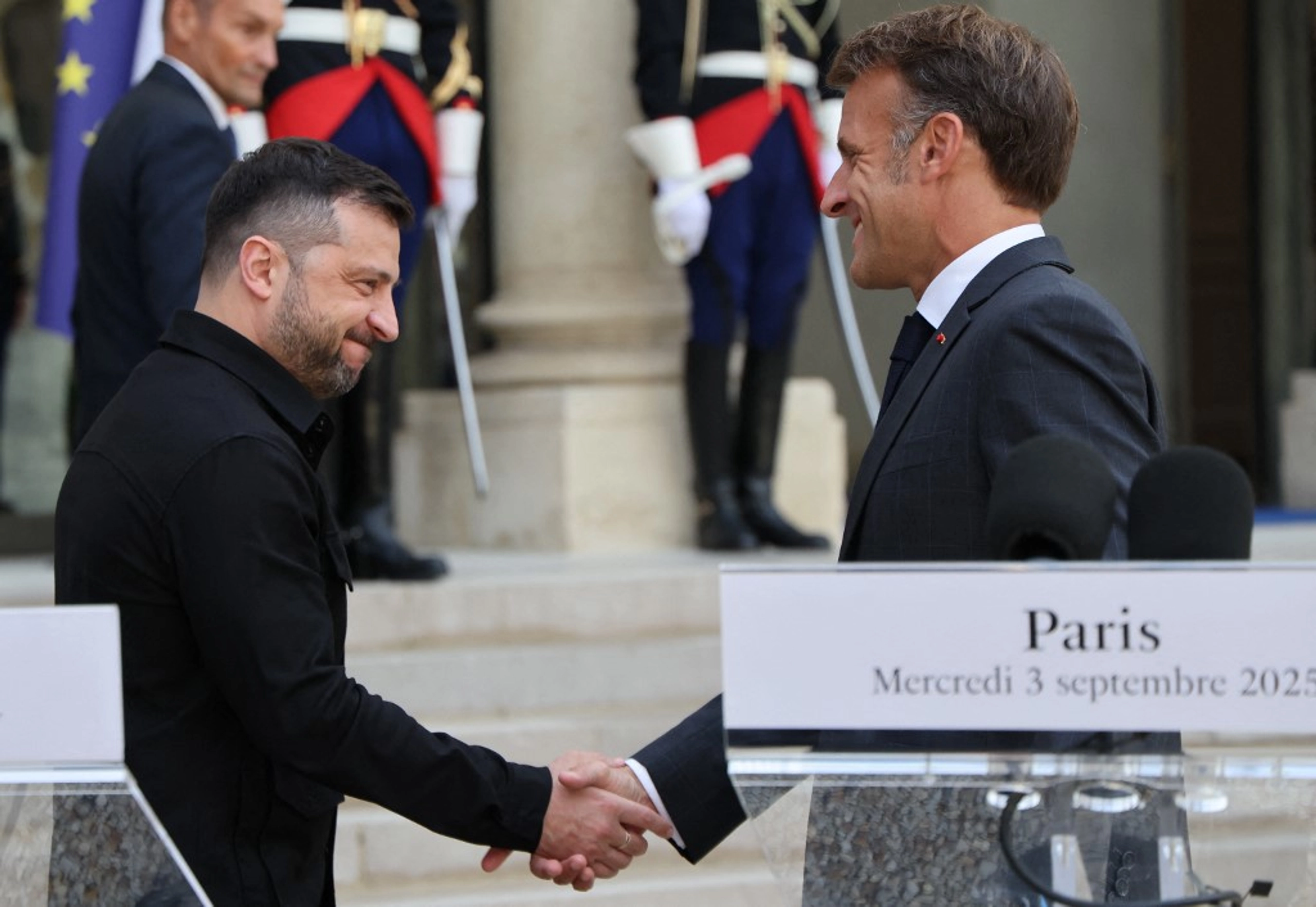
A “Coalition of the Willing” consisting of more than 30 countries met in Paris on Thursday to discuss future security guarantees for Ukraine. Acting as host, Emmanuel Macron announced that 26 states had pledged to provide troops. After the conference, in which some leaders took part via video link, there was a group phone call with US President Donald Trump. Europe’s press takes stock.
La Stampa sees a certain amount of progress in relations with the US:

Four Ukrainian servicemen have been evacuated from a hospital in Russian-occupied territory, where they were secretly sheltered by doctors for years to avoid detection by Russian forces.
Ukraine rescued four servicemen who had been hiding in a hospital on Russian-occupied territory for more than three years, according to Ukrainian Navy Commander Vice Admiral Oleksiy Neizhpapa.
Writing on Facebook, Neizhpapa said the soldiers had been sheltered by doctors to avoid discovery by Russian secret services after being hospitalized for serious injuries in combat.

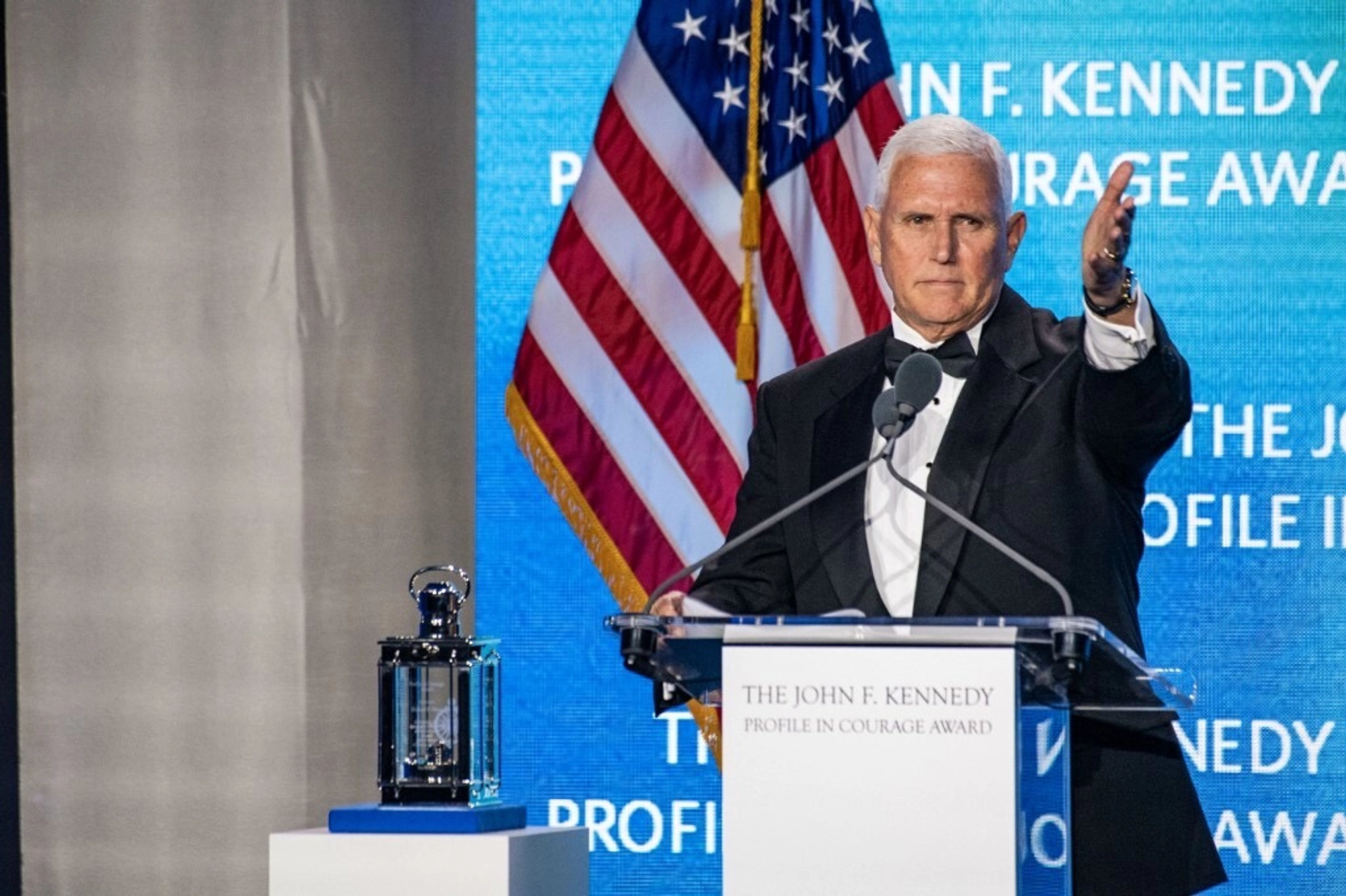
Former US vice president echoes Trump’s call to sanction countries importing Russian energy.
Donald Trump’s former Vice President Mike Pence said Friday that European countries must put more pressure on Vladimir Putin to end the war in Ukraine.
“Now is the time ... for the United States and our European allies to take additional action,” Pence told Euractiv in Brussels.
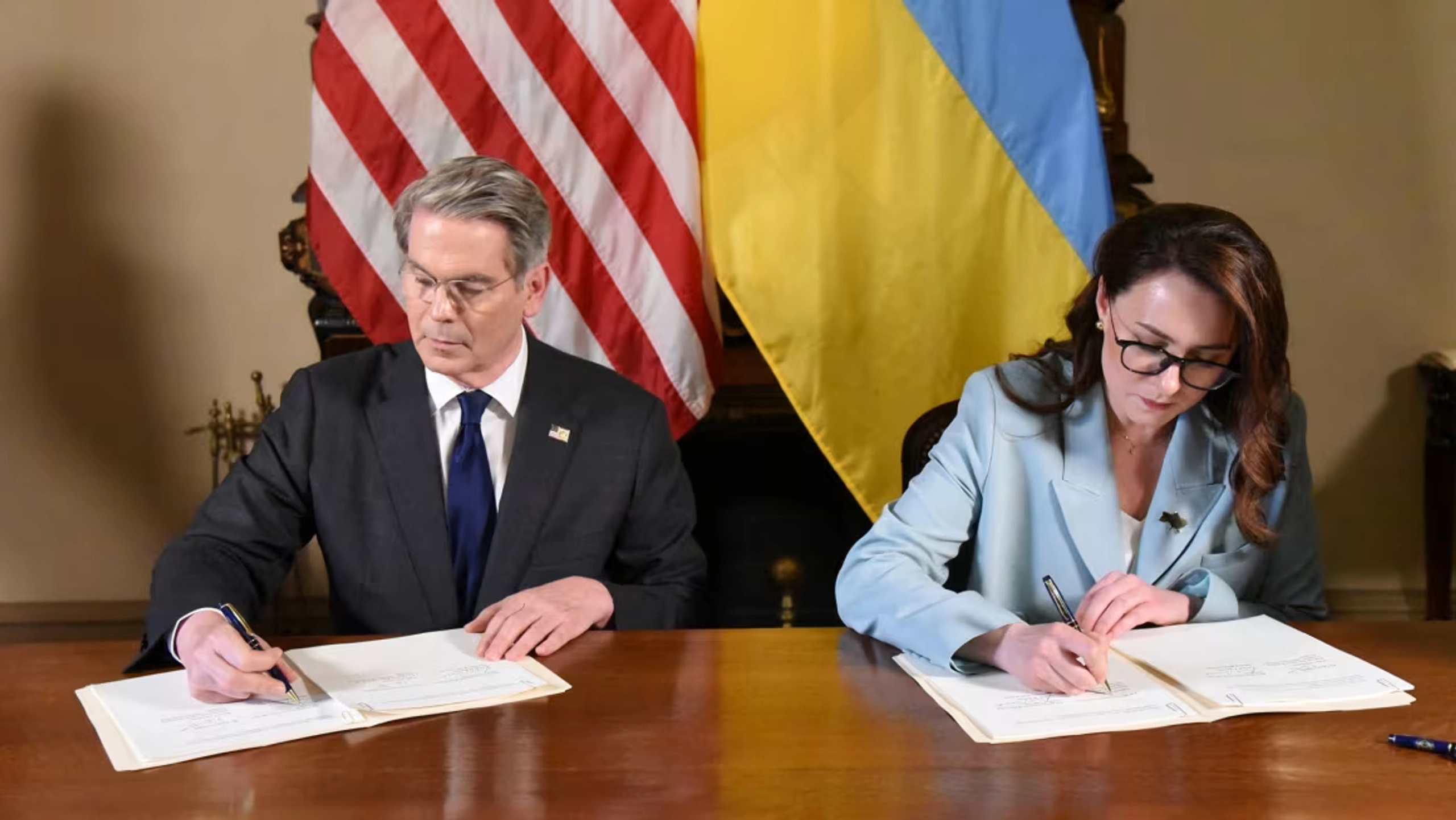
The “minerals deal” investment fund mechanism was unveiled in Washington. It is a key part of the Trump-backed arrangement aimed at both countries benefiting from a new economic partnership.
WASHINGTON DC – The US and Ukraine are moving at breakneck speed to implement a new investment fund, part of a minerals deal promoted by President Donald Trump that is set to reshape the future of both countries.
New details released by the US Treasury on Friday provided a glimpse into the inaugural board meeting, revealing a partnership far more intertwined than initially understood.

When Putin claims that transferring Russia’s frozen assets to Ukraine would cause “severe damage to the global economy,” it begs the question: Damage to whom?
Let’s be clear: Russian wealth in Western banks is not held for the strategic benefit of the global economy, or even for the Russian economy alone. Rather, Russian oligarchs rely on Western rule of law to shield their ill-gotten fortunes, precisely because their own government has dismantled the institutions that would guarantee such security at home. What these oligarchs fail to realize is that this protection is not one-way; breaking international law carries severe consequences.
As of today, approximately $300 billion in Russian assets remain frozen in Western banks, including both state-owned funds and private holdings. Specifically, in 2022, the European Union’s third sanctions package prohibited all transactions related to the management of the Central Bank of Russia’s reserves and assets, effectively freezing around €210 billion within the EU. Targeted measures were also applied to individuals and entities linked to the Kremlin, with effects felt across Europe and beyond.
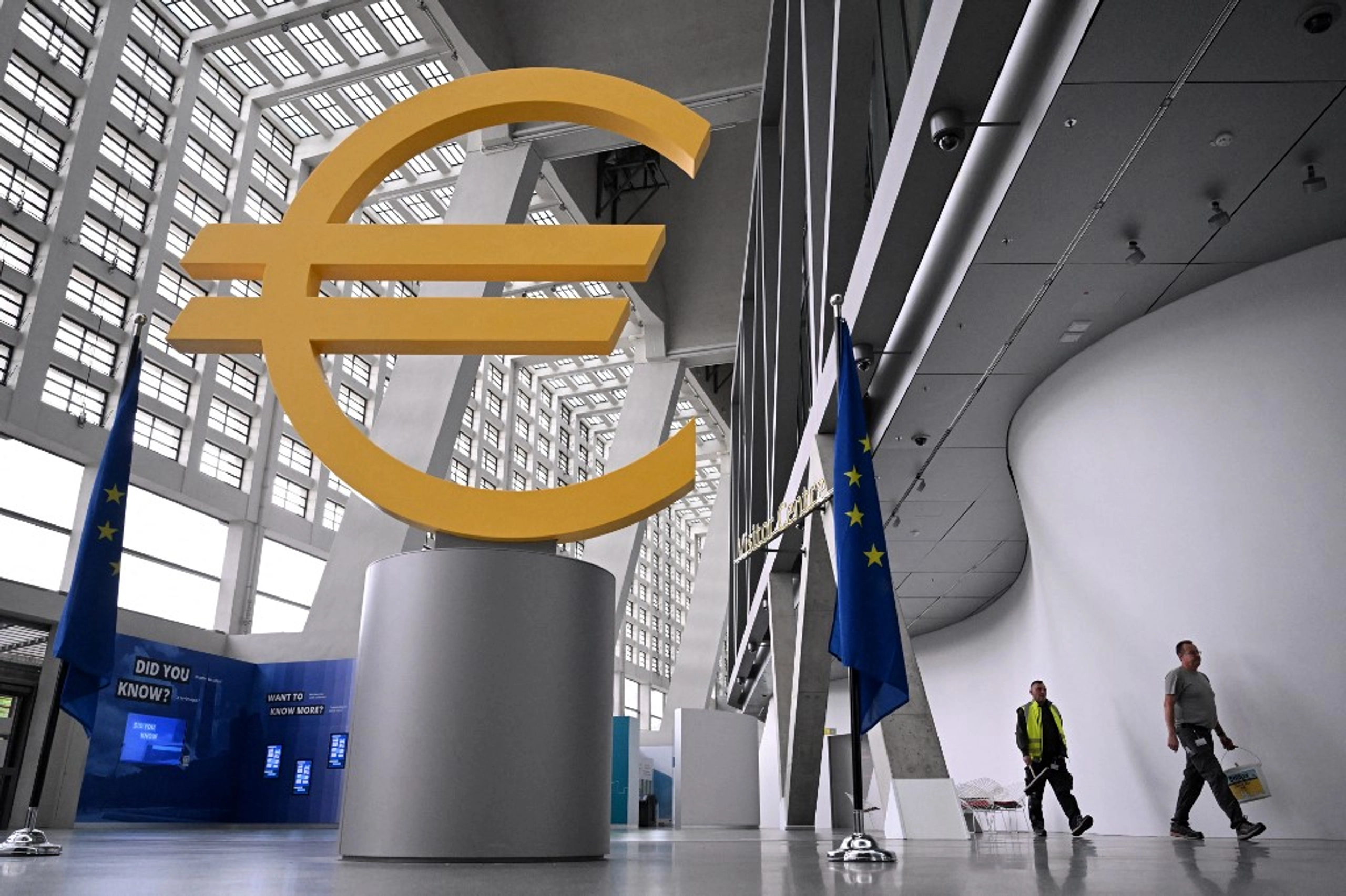
Despite calls to use €200 billion of Russian assets frozen in the EU for Ukraine, Belgium is resistant for fear of “a terrible systemic shock across all European financial markets.”
Seizing Russian central bank assets immobilized in the 27-nation EU over the Ukraine war risks inflicting major damage on Europe’s economy, Belgian Foreign Minister Maxime Prevot told AFP Friday.
The EU froze some €200 billion of Russian central bank assets after the 2022 invasion of Ukraine, the vast majority of which are held by the international deposit organization Euroclear in Belgium.

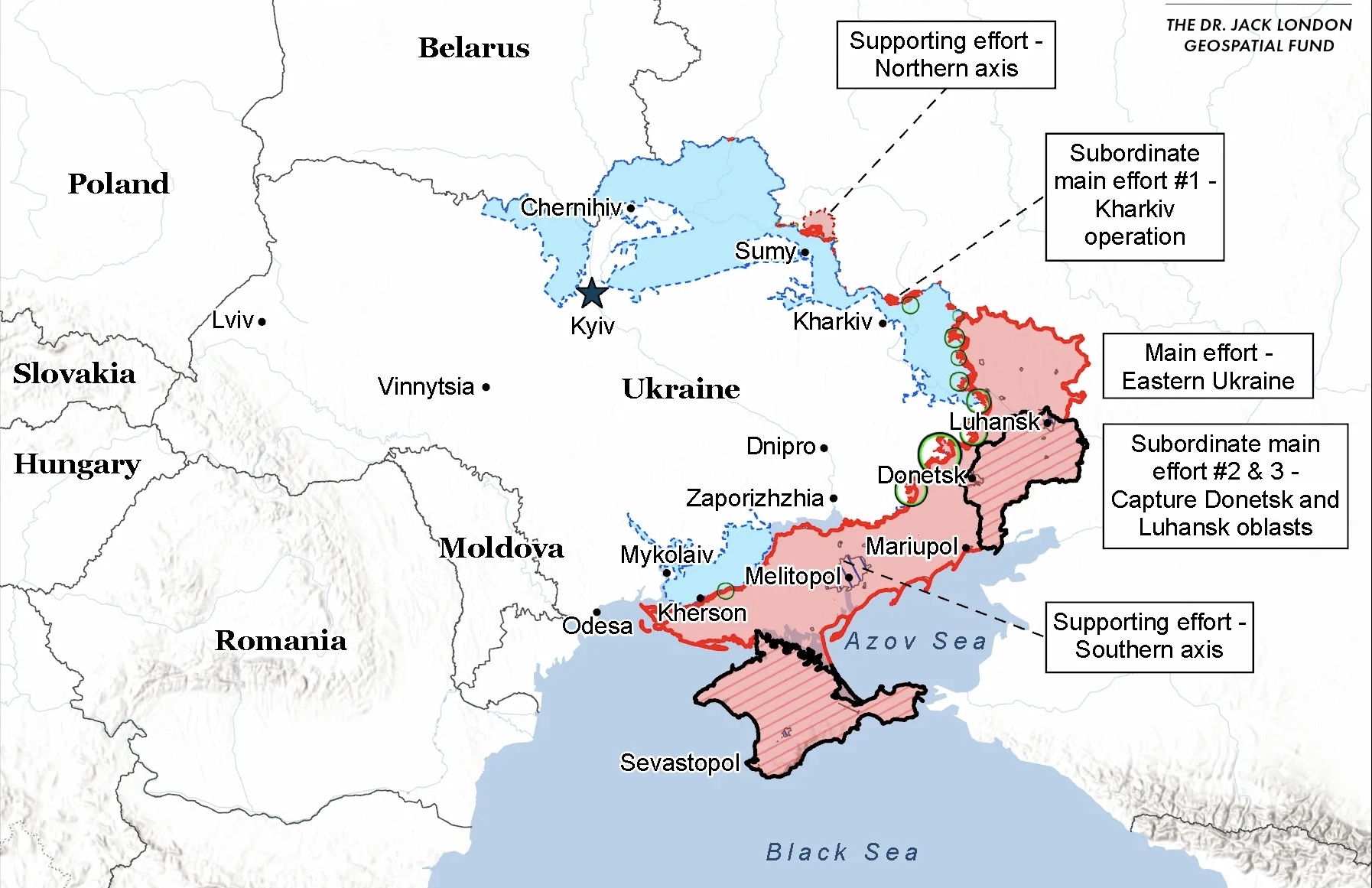
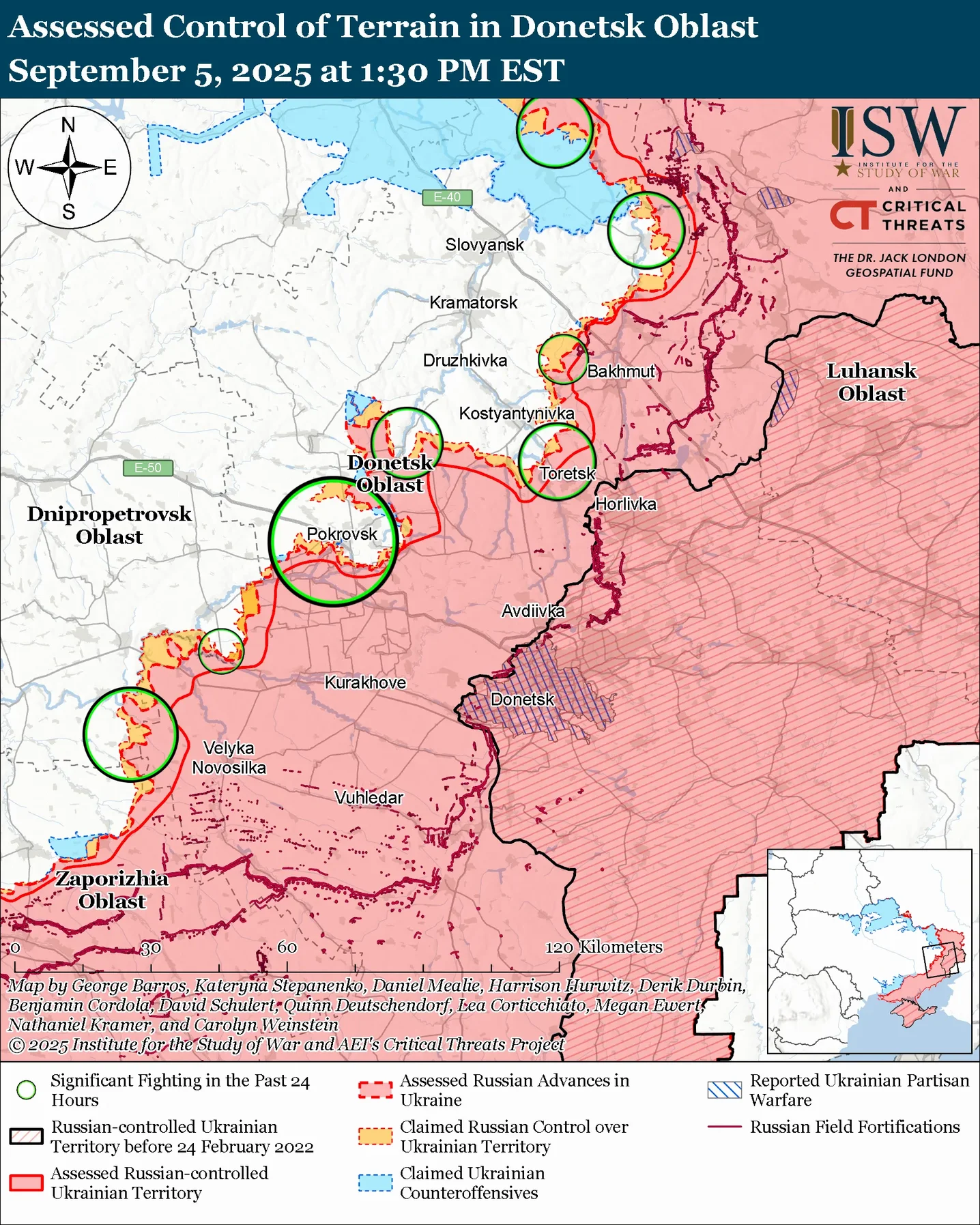
Latest from the Institute for the Study of War.
Key Takeaways from the ISW:
Senate Minority Whip Dick Durbin says Russia “will only respond to pressure” and US has an “obligation to stand by Ukraine.” Former ambassador warns of wider global threat.
WASHINGTON DC – A growing chorus of discontent is emerging from within Washington’s foreign policy circles, with key figures from the establishment’s ranks warning that President Donald Trump’s diplomatic outreach to his Russian counterpart Vladimir Putin is a failing strategy and that the administration is being “played.”
The concerns, highlighted by a top Democrat in the Senate and a former US ambassador to Ukraine, signal a building frustration with the administration’s approach to the war.