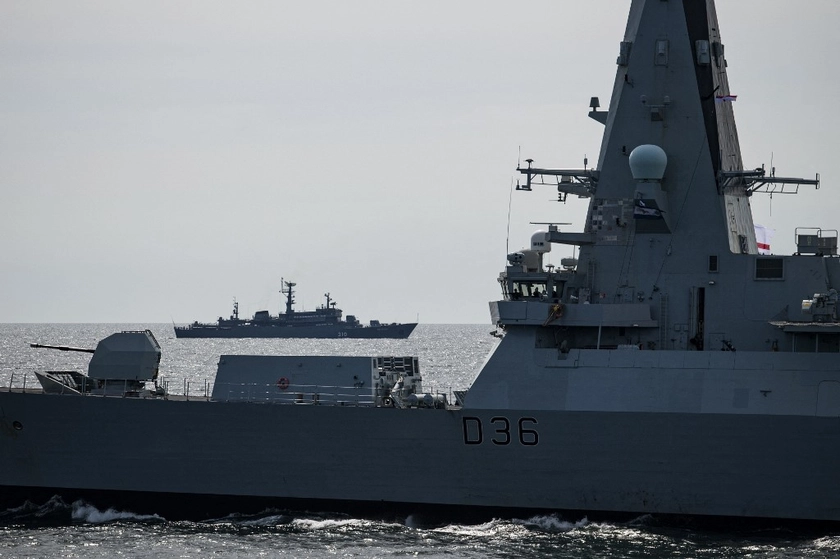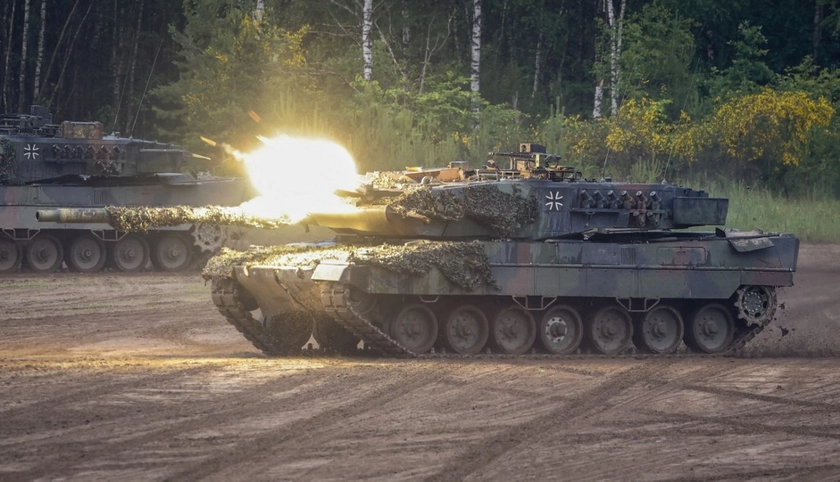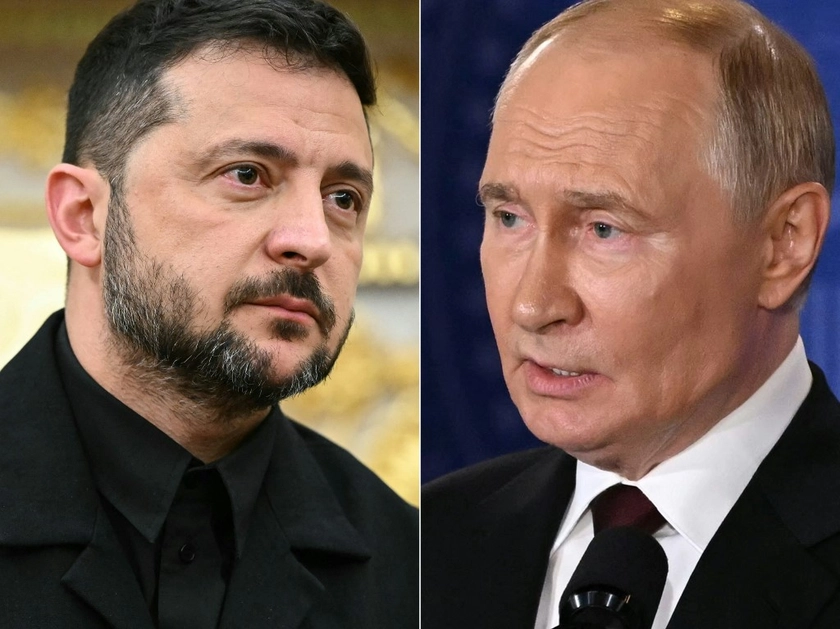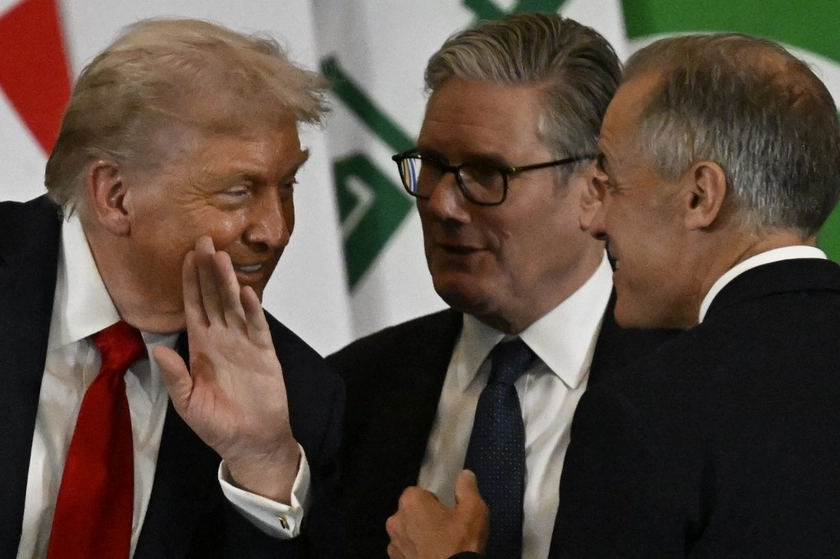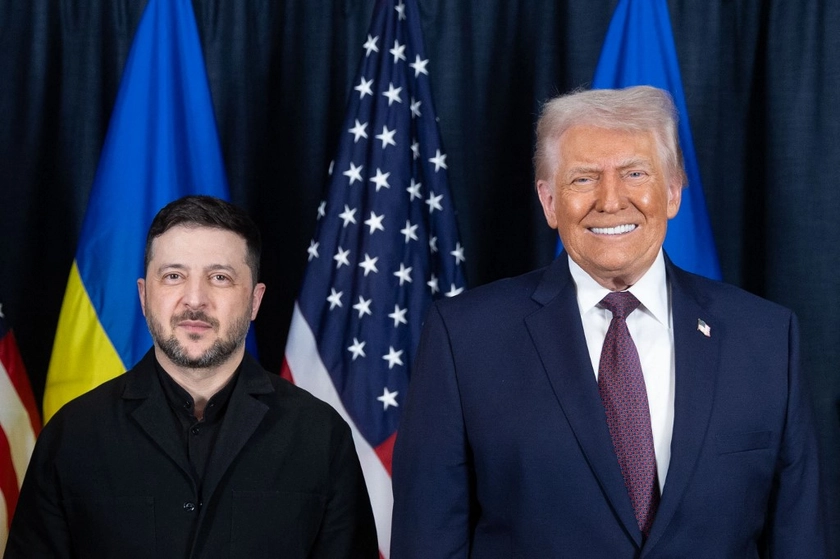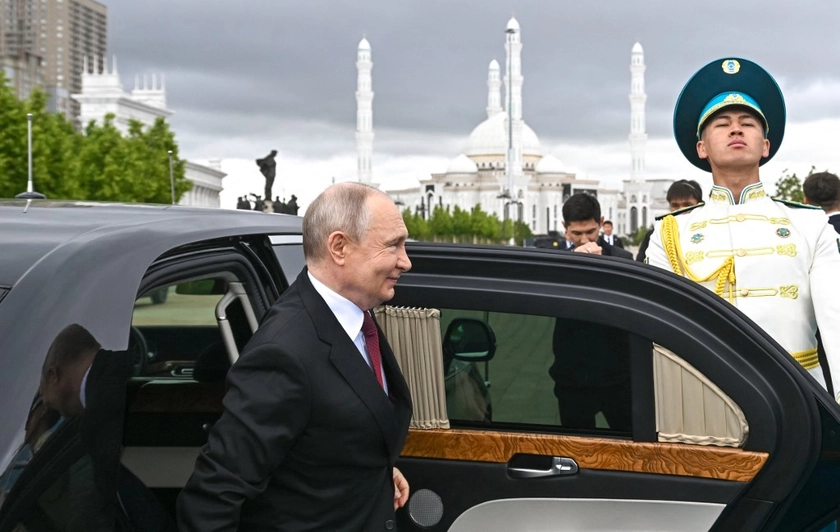
WASHINGTON DC – European leaders announced this week that 26 countries had committed to a post-war support force for Ukraine, noting that a specific US pledge was still being ironed out. However, one military expert and veteran of NATO leadership is already sharply criticizing their own proposed security guarantees, warning the plan may not be enough to prevent a renewed conflict.
Retired US Army Colonel Richard Williams, a former deputy director in NATO’s Defense Investment Division, told Kyiv Post on Friday that the European Commission’s security guarantees “fall short of deterrence required to preclude renewed conflict in Ukraine.”
JOIN US ON TELEGRAM
Follow our coverage of the war on the @Kyivpost_official.
He acknowledged the key elements of the proposed plan, which include a strong Ukrainian standing force, a powerful multinational reassurance force with US support, enhanced European defense investment by 2030, and a full commitment to ending the bloodshed.
Despite these commitments, Williams argues that security guarantees that preserve the peace “must also include a clear trip-wire which Russian forces must not cross, which will provoke renewed conflict.”
He explained that this “virtual trip-wire,” running the length of a demilitarized zone and overseen by sensors and observers, would be necessary to trigger a collective response – akin to a NATO-type Article 5 commitment – to restore peace.
G7 Summit to Address ‘Five-Point’ Peace Plan as Trump and Zelensky Join European Leaders
Williams further noted that the European proposal’s failure to recommend a ceasefire, set clear deadlines for decisions, or propose further sanctions could jeopardize a timely end to hostilities, calling all three “essential.”
The colonel’s warning came as French President Emmanuel Macron announced that a specific US pledge to contribute to EU security plan was still being ironed out.
The White House official reiterated President Donald Trump’s position on Thursday, stating that “this is not his war, and the Europeans must step up as well.”
In the meantime, the EU is preparing to send a delegation to Washington in the coming days to discuss potential joint sanctions against Russia, European Council President António Costa announced Friday.
Uncertainty and ambition
The ambitious European pledge on security has prompted a series of questions about what its practical implementation would look like. A group of analysts from the Atlantic Council, a Washington-based think-tank, offered their assessments on Friday.
John Herbst, former US ambassador to Ukraine and senior director of the Atlantic Council’s Eurasia Center, confirmed that the force will deploy only after a ceasefire is in place, noting that France has publicly stated its willingness to provide troops.
Léonie Allard, a visiting fellow from the French Ministry of Armed Forces, praised Macron’s leadership, highlighting that his February 2024 comments about “nothing is ruled out” have led to growing support from other nations.
However, the specific details remain murky. Jörn Fleck, a senior director at the Europe Center, pointed out that the lack of specifics on troop numbers, capacities, or exact guarantees for each contributing nation leaves significant ambiguity.
He also expressed skepticism that every member of the “Coalition of the Willing” would ultimately be ready to commit troops, noting that Germany in particular has been “hedging” on its level of involvement.
For Ukraine, the broad commitment is certainly a positive signal, says Fleck. Yet, with the war ongoing, the immediate imperative remains for Europe to focus on “providing Ukraine with the adequate capabilities to defend itself” and project a message of “unity and readiness to act” to Moscow.
Allard concluded that the ultimate objective for European leaders is to secure a “strategic victory for a Ukraine integrated in the Western security order.”
You can also highlight the text and press Ctrl + Enter
Putin’s Worst Nightmare