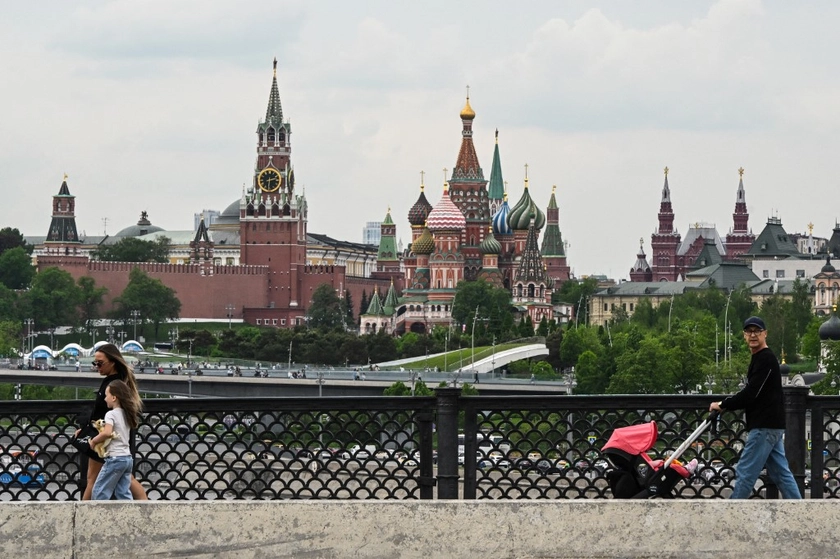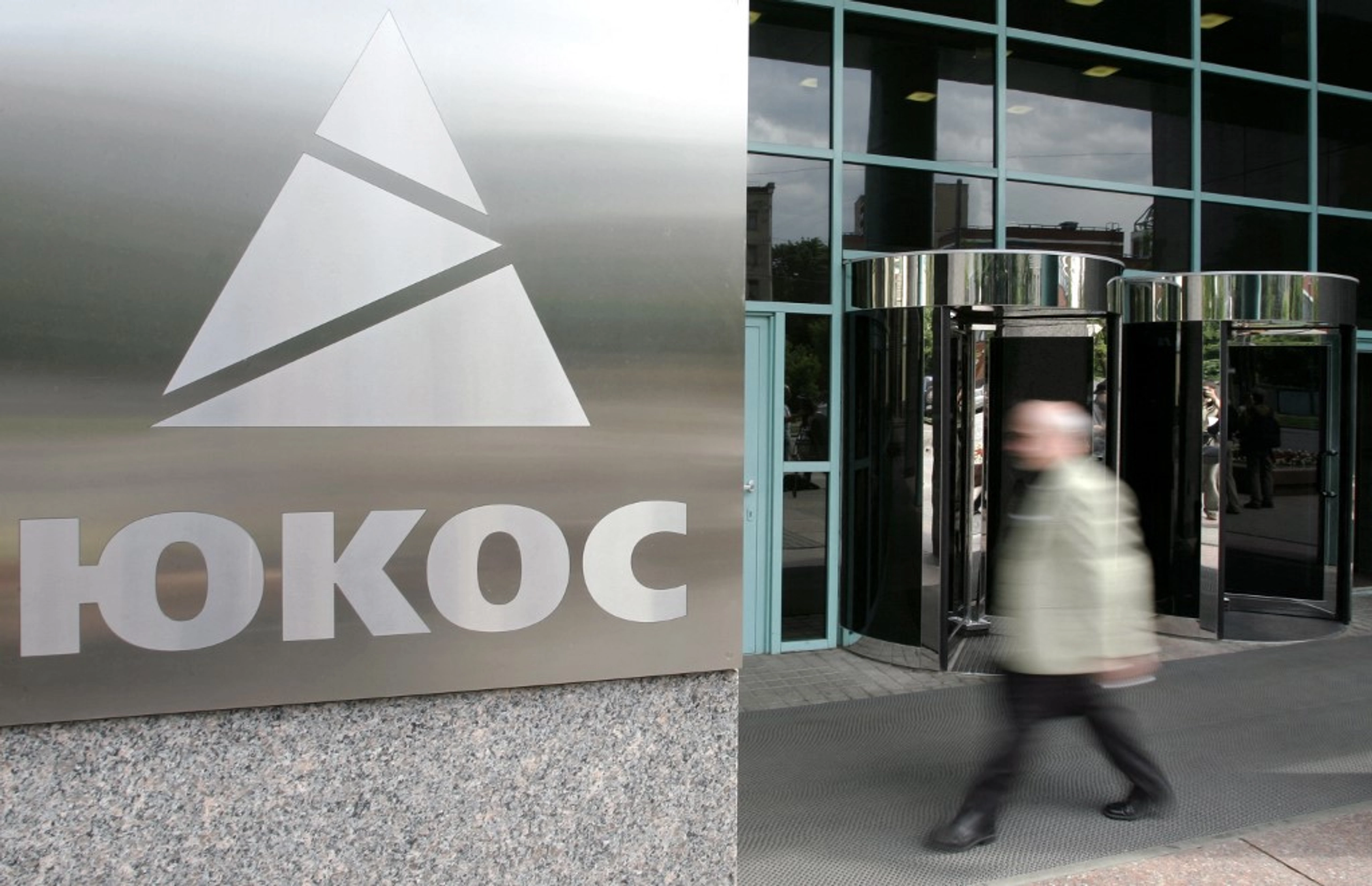
Let’s be clear: Russian wealth in Western banks is not held for the strategic benefit of the global economy, or even for the Russian economy alone. Rather, Russian oligarchs rely on Western rule of law to shield their ill-gotten fortunes, precisely because their own government has dismantled the institutions that would guarantee such security at home. What these oligarchs fail to realize is that this protection is not one-way; breaking international law carries severe consequences.
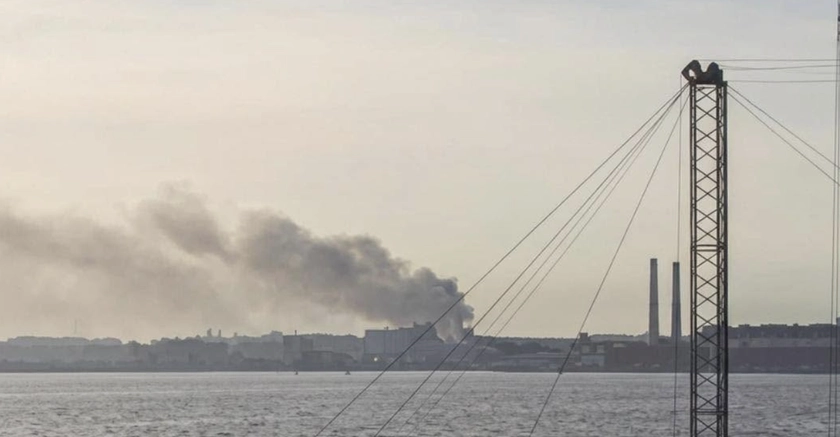
As of today, approximately $300 billion in Russian assets remain frozen in Western banks, including both state-owned funds and private holdings. Specifically, in 2022, the European Union’s third sanctions package prohibited all transactions related to the management of the Central Bank of Russia’s reserves and assets, effectively freezing around €210 billion within the EU. Targeted measures were also applied to individuals and entities linked to the Kremlin, with effects felt across Europe and beyond.
JOIN US ON TELEGRAM
Follow our coverage of the war on the @Kyivpost_official.
Returning the frozen assets of the Central Bank of Russia would not benefit the global economy, as these funds would not be invested in infrastructure or initiatives to stimulate international trade. Instead, they would flow directly into Russia’s military industrial complex, which is a direct threat, not a benefit, to global stability. Meanwhile, Russia continues hybrid attacks on Western allies, from cyber operations to disinformation campaigns, draining resources and costing hundreds of millions. Handing this money back would effectively finance those assaults. As for the oligarchs’ assets, they serve no purpose beyond personal luxury; the global economy does not thrive on a handful of superyachts.
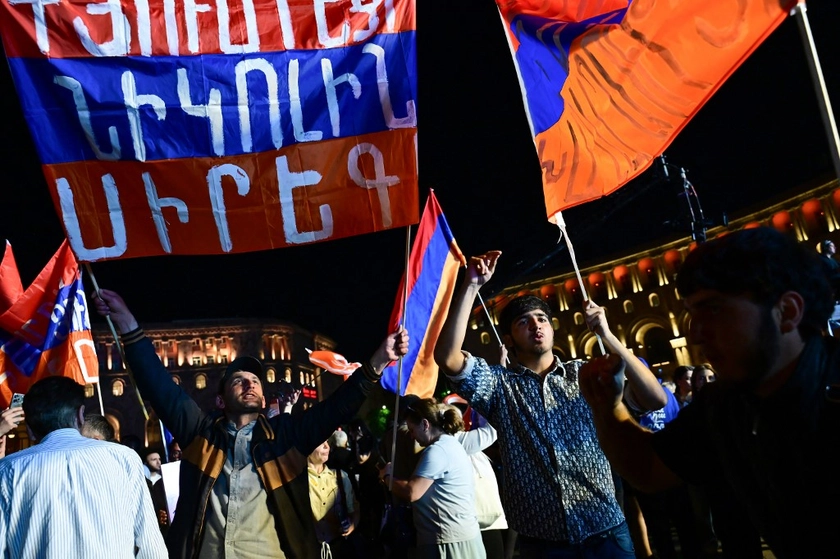
Parliamentary Election Tests Armenia’s Strategic Pivot From Moscow Toward EU
What truly sustains global economic strength is not wealth hoarded in vaults, but the ability to deploy funds toward progress and healthy competition through adaptability and innovation. Money can buy equipment, but it cannot buy creativity or innovative thinking. Real progress requires transparency, trust, and the free exchange of ideas, conditions that allow innovation to flourish. Creativity emerges when people are motivated by clear incentives: reliable legal and business frameworks, fair competition, and the prospect of real rewards.
Reallocating frozen Russian assets to Ukraine should not be seen as a “risk” but as a real investment opportunity with tangible returns.
Russia has none of these conditions. Its wartime adaptations, including sophisticated drones and advanced military technologies, operate around the clock to match Ukraine’s pace. But this “innovation” is entirely driven by government pressure and aimed solely at destruction and occupation, not global benefit. Moreover, it still lacks the infrastructure to produce critical components, relying instead on purchases from China, stolen technology from the US, or traded blueprints with Iran. When it comes to civilian applications, Russia has no framework, no legal or economic incentives to foster creativity, and no openness or accountability. Cut off from transparency and genuine opportunity, it cannot develop modern technology independently.
Ukraine, on the other hand, in the middle of the full-scale war for which it was not fully prepared, has rapidly become a hub for defense innovation. AI is being integrated into drones, robotics, and battlefield technology at unprecedented speed. Small teams are mass-producing AI-powered, 3D-printed FPV drones, while decentralized production lines operate with remarkable agility. And these technologies are already finding civilian applications: reconnaissance drones are being adapted to map farmland and monitor infrastructure, robotic platforms designed for mine-clearing are deployed to de-mine fields, and battlefield communications systems are laying the groundwork for next-generation civilian networks.
Ukraine’s Diia digital governance platform, developed, implemented, and operating even under fire, allows citizens to access public services directly from a smartphone. It has become a global model for transparent and efficient e-government, studied by countries from Estonia to Colombia. This is what happens when the right intentions meet global support: solutions designed to serve the public can also become engines of long-term prosperity and best practice.
This is why reallocating frozen Russian assets to Ukraine should not be seen as a “risk” but as a real investment opportunity with tangible returns. Wealth once hidden in yachts and offshore accounts could be converted into recovery, technology, and mutual growth. Ukraine has already proven itself a reliable partner with enormous potential. The true threat to the global economy is not reallocating these assets to Ukraine but continuing to fund Russia’s military aggression and hybrid warfare around the world.
The views expressed in this opinion article are the author’s and not necessarily those of Kyiv Post.
You can also highlight the text and press Ctrl + Enter

Kremlin Warned: War Spending Is Breaking the Budget