


EN

EN


EN
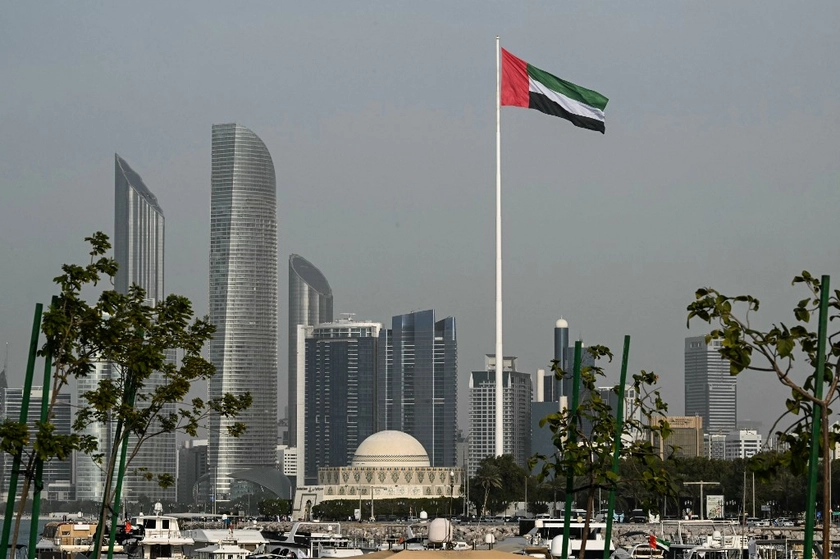
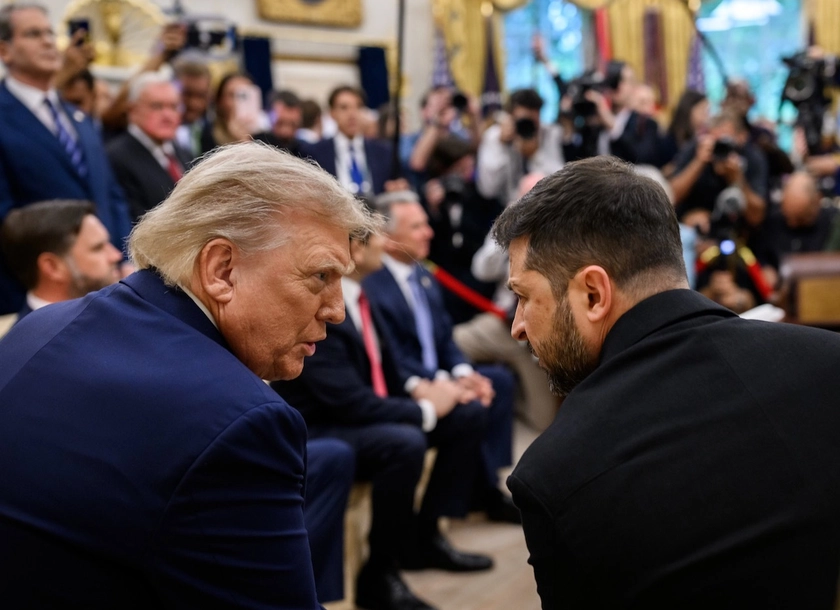
Senior teams from three countries landed in Abu Dhabi on Friday after Trump’s Davos meeting with Zelensky and Witkoff’s late-night talks with Putin in Moscow.
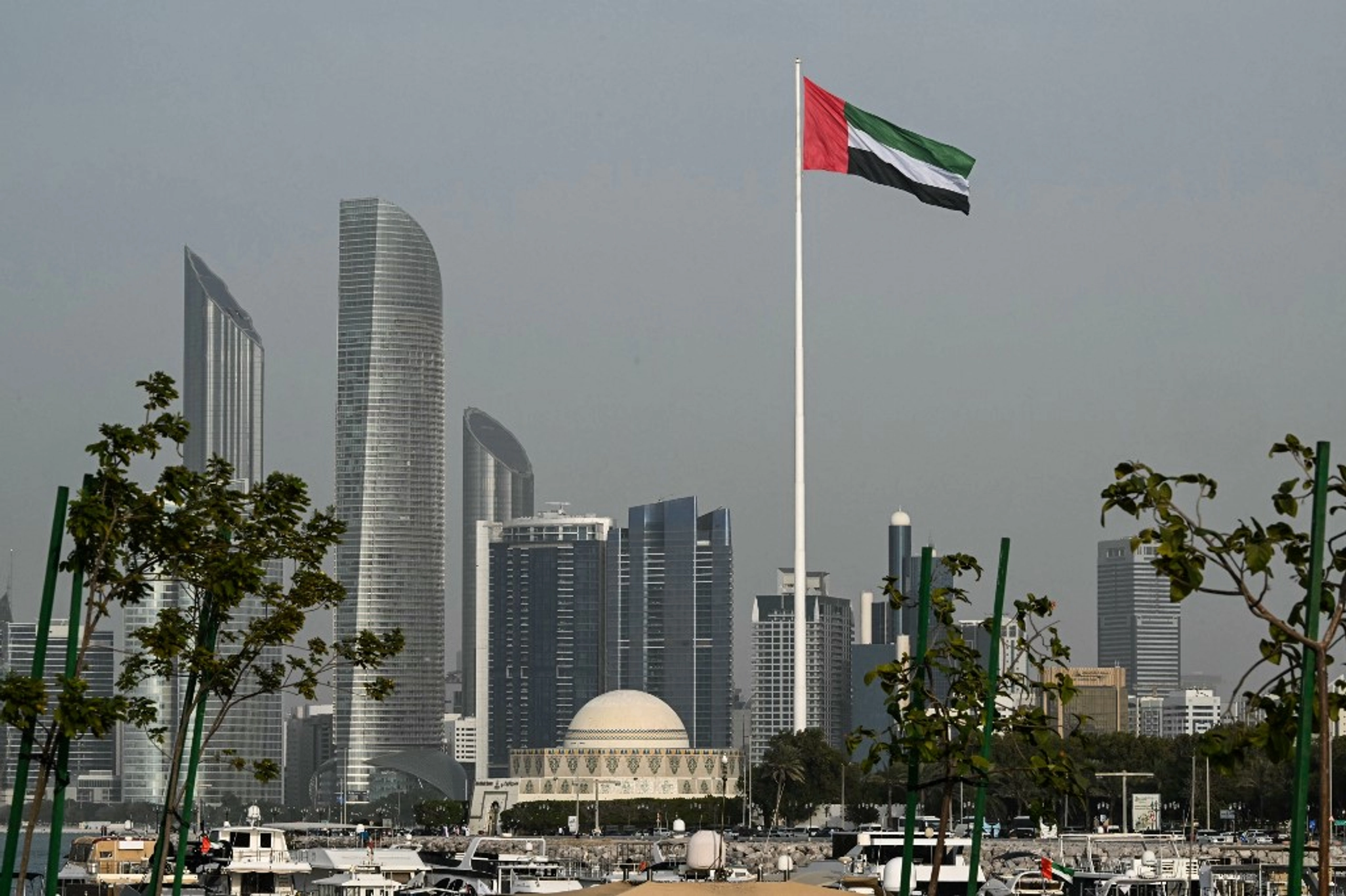

A Ukrainian negotiator’s spokeswoman confirmed that a second round of trilateral talks between Ukraine, Russia and the US to halt the war ended in Abu Dhabi on Saturday.
“Yes,” responded Diana Davitian, a spokeswoman for Rustem Umerov, Ukraine’s top negotiator, to a question whether the meeting had ended.
Russian state news agencies had reported that the Russian delegation returned to its hotel.

The second day of negotiations involving representatives of Russia, Ukraine, and the United States in Abu Dhabi has concluded, Russian state agency RIA Novosti and Ukraine’s public broadcaster Suspilne reported on Saturday, citing sources.
The talks lasted for nearly three hours. No official statements or readouts have been released by any of the parties following the meeting.
Ukraine on Saturday accused Russia of undermining negotiations to end their almost four-year war by launching fresh deadly strikes, as officials from both countries and the United States met for a second day of direct talks in Abu Dhabi.
“Peace efforts? Trilateral meeting in the UAE? Diplomacy? For Ukrainians, this was another night of Russian terror,” Ukraine’s Foreign Minister Andriy Sybiga said.
He said Russia’s President Vladimir Putin “ordered a brutal massive missile strike against Ukraine right while delegations are meeting in Abu Dhabi to advance the America-led peace process. His missiles hit not only our people, but also the negotiation table.”
Negotiations involving Russia, Ukraine, and the United States have resumed in the UAE capital, Reuters reports, citing a source. According to Russian news agency TASS, the meetings are taking place in “various formats,” though no further details have been provided.
Friday saw the first direct contact between Ukrainian and Russian officials. Ukraine’s chief negotiator Rustem Umerov said the talks focused on “the parameters for ending Russia’s war and the next steps in the negotiation process.”
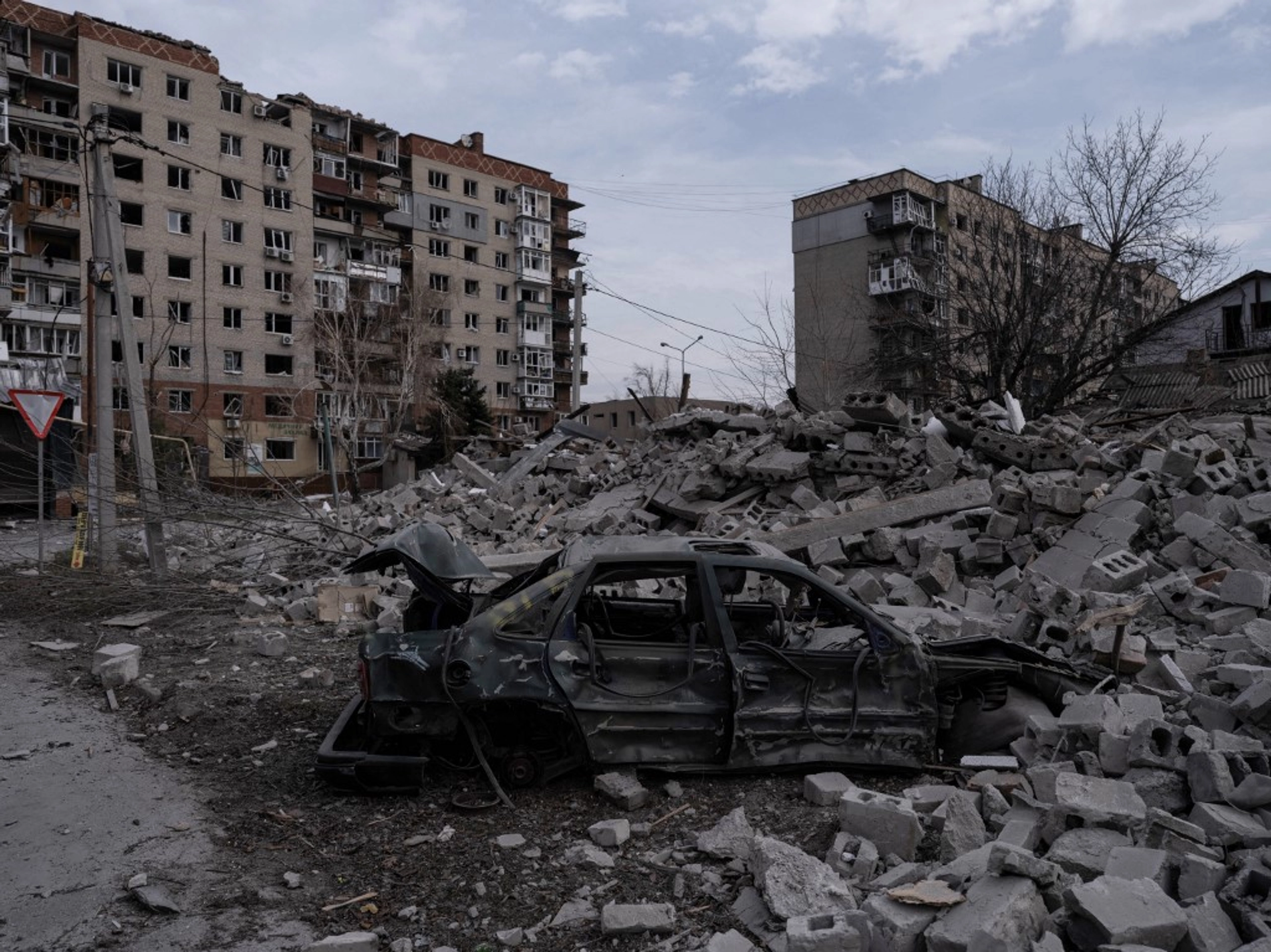
The talks come as thousands in Kyiv face freezing temperatures without heating due to Russian strikes. Overnight attacks killed one person and injured 22 in Kyiv and Kharkiv. Mayor Vitali Klitschko called it a “massive enemy attack” and urged people to stay in shelters.
Moscow insists Kyiv withdraw from Donbas. Kremlin spokesman Dmitry Peskov called it “a very important condition.” Kyiv, controlling about 20% of the region, rejects this demand.
Zelensky said territory is still a “key issue” and added: “It is necessary that not only Ukraine wants to end the war… but that a similar desire emerges in Russia as well.”
A spokesperson for Rustem Umerov, head of Ukraine’s delegation, confirmed to Kyiv Post that Friday’s discussions have concluded.

While there has been no official announcement as of 9:30 p.m. Kyiv time that the talks have concluded, some reports say Friday’s session has wrapped up and will resume on Saturday.
“Today’s trilateral meeting in Abu Dhabi between the United States, Ukraine, and Russia was productive. Conversations will continue tomorrow,” an unnamed White House official told NBC News.
CNN, citing “a source with knowledge of the discussions,” reported similar information.
Russian state media TASS, citing its sources, said the delegations discussed “buffer zones, various control mechanisms.”
“Yes, naturally, these aspects: buffer zones, various control mechanisms, are discussed at the meeting along with other important topics,” the unnamed source said.
The idea of a “buffer zone” in eastern Ukraine has been under active discussion since December – under different names.
At the time, President Volodymyr Zelensky said the US had proposed creating a “free economic zone” in Donetsk and Luhansk, under which Ukrainian troops would withdraw, while Russia described the same concept as a “demilitarized” zone, according to Zelensky.
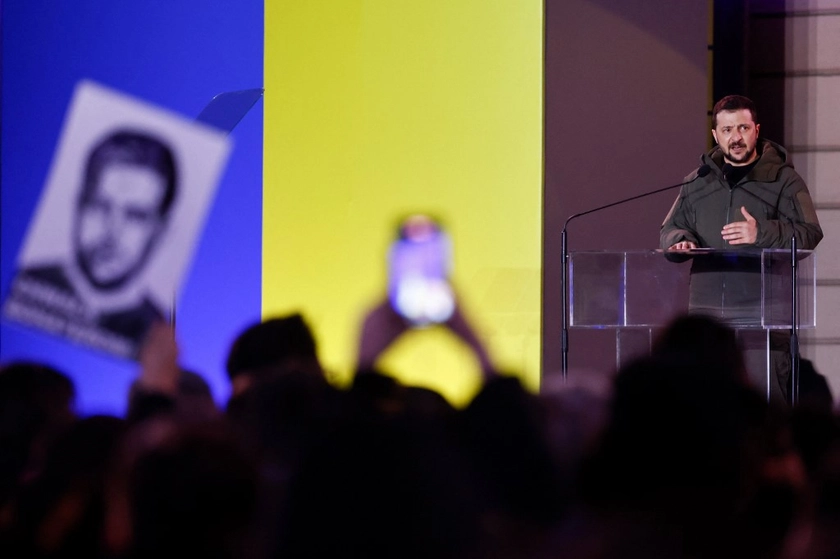
In his evening update, President Volodymyr Zelensky shared some comments on the ongoing talks in Abu Dhabi.
He said Kyiv’s representatives are reporting to him almost every hour, and that the talks are focused on “parameters” to end Russia’s invasion. He added that Ukraine’s delegation has been given a clear “framework” of Kyiv’s position and is awaiting responses from its Russian counterparts.
“They are talking about the parameters of ending the war. Now they should have at least some of the answers from Russia, and the main thing is that Russia is ready to end this war, which it itself started,” Zelensky wrote.
“Ukrainian positions are clear. I have defined a framework for dialogue for our delegation,” he added.
That said, he cautioned that it is “too early” to draw conclusions, adding that the talks will continue on Saturday. He reiterated that Ukraine’s desire to end the war is not enough — Russia must also end its invasion.
Before the Abu Dhabi talks, Moscow reiterated that gaining Ukraine’s Donbas – colloquially referring to the Donetsk and Luhansk regions – is a prerequisite for engaging in peace talks.
While capturing the two regions, which Russia has failed to take despite four years of grinding assaults, could help the Kremlin justify the war domestically, why did they want the region in the first place?
As the Abu Dhabi talks continue behind closed doors, here’s a recap of why Putin has his eye on the region and is willing to send close to a million troops to their deaths for it.
The Ukrainian and Russian delegations are expected to focus on territorial issues at Friday’s Abu Dhabi talks, with a potential energy truce likely taking a back seat.
At publication, temperatures in Kyiv hover around -7°C (19°F), with Mayor Vitaly Klitschko reporting that 1,200 buildings remain without heating as of 6 p.m. Friday, following Russian strikes on the power grid just three days prior.
With the energy crisis approaching what Klitschko calls a brewing “humanitarian catastrophe” and a cold spell expected to reach Moscow soon, some observers suggested an energy truce could be discussed – though whether it would be agreed remains uncertain.
The Financial Times, citing unnamed officials, reported that a ceasefire limited to the power grid and other energy infrastructure may be proposed in Abu Dhabi on Friday and Saturday but questioned its viability, as Ukraine’s energy crisis continues to serve as leverage for Kremlin leader Vladimir Putin, while Ukrainian strikes on Russian oil and gas facilities have proven effective in draining Moscow’s war chest.
Meanwhile, hear firsthand accounts from Kyiv residents struggling without heat and electricity here and here.

Ukrainian officials confirmed to Kyiv Post that the Abu Dhabi talks have started, though they said the meeting had already started earlier in the day without specifying the time.
The trilateral talks have started, AFP reported, citing the foreign minister of the host country United Arab Emirates (UAE).
“The talks commenced today in Abu Dhabi and are scheduled to continue over two days,” UAE Foreign Minister Abdullah bin Zayed said in a statement published by AFP at around 5:15 p.m. Kyiv time.
Authorities in Kyiv issued an air-raid warning at 4:47 p.m., warning of potential Russian attacks.
According to local monitoring channels, the warning was prompted by two Russian MiG-31 fighters taking off – the jets are known to carry the Kh-47M2 Kinzhal hypersonic ballistic missile, which, when launched, gives little time for locals to seek shelter due to their maximum speed of Mach 10 (around 12,350 km/h or 7,670 mph).
Friday’s Abu Dhabi trilateral talks may be the most promising attempt yet.
They follow multiple rounds of peace efforts over nearly four years of full-scale war (so after the pre-2022 Minsk agreements). While some initiatives delivered limited results, such as prisoner exchanges and the return of abducted children, none achieved a ceasefire as the war has ground on. Here’s a brief recap:
February-March 2022 | Belarus talks
The first direct negotiations after Russia’s full-scale invasion, held near the Ukrainian-Belarusian border. The talks led to the establishment of humanitarian corridors but otherwise produced no breakthrough.
Denys Kireyev, one of Kyiv’s negotiators, was later found shot dead after security services accused him of treason; he was subsequently identified as a double agent who had warned Ukrainian authorities of the imminent 2022 invasion.March 2022 | Istanbul talks
Ukraine presented draft neutrality proposals and security guarantees. The talks collapsed after revelations of atrocities – particularly in the suburbs outside Kyiv – where civilian bodies were found on the streets following the withdrawal of Russian troops.
April-July 2022 | Black Sea grain deal
With the backing of the UN and Turkey, Russia and Ukraine in July 2022 agreed to ensure the safe passage of ships carrying grain, easing concerns over soaring global food prices after Russia’s invasion halted Ukrainian exports to developing nations. Russia withdrew from the deal in July 2023.
Early 2025 | Energy and Black Sea ceasefire
At the initiative of US President Donald Trump after his return to office, Ukraine and Russia agreed in principle to refrain from strikes on certain energy infrastructure for a limited period. Another proposal was also put forward to halt strikes on targets in the Black Sea.
The arrangements never came to fruition, however, as both sides accused each other of violations based on terms they said were agreed with the US bilaterally, rather than directly between Kyiv and Moscow. The lack of a monitoring mechanism also contributed to the failure.
Russian leader Vladimir Putin proposed reviving the 2022 Istanbul format after Europe threatened Moscow with a sanctions ultimatum if it did not comply with a ceasefire.
Multiple rounds of talks between Kyiv and Moscow followed – at times mediated by the US and Turkey – but yielded no ceasefire. Expectations dimmed further after Putin sent a controversial historian rather than a diplomat to represent Russia, who reportedly threatened the Ukrainian side, with prisoner-of-war exchanges emerging as the only tangible outcome.
Late-2025 | 28/20-point peace plan
In November 2025, Washington delivered a 28-point plan to Kyiv, pressing Ukraine to accept it by Thanksgiving or risk losing US support.
The plan was later revealed to have originated from Moscow, essentially repackaging Kremlin war objectives as “peace terms.” Leaked recordings also reportedly captured Steve Witkoff coaching Russian officials on how to present the document to Trump.
After multiple rounds of discussions between Kyiv and Washington, the draft was trimmed to 20 points and supplemented with additional documents on security guarantees and Ukraine’s post-war recovery. This package now forms the basis of the ongoing negotiations.
Ukrainian President Volodymyr Zelensky said Friday that he has held speakerphone consultations with Kyiv’s delegation at the trilateral talks in the United Arab Emirates, and that the team “knows what to do.”
In an audio message released to journalists, Zelensky said the call focused on the framework of the talks and the preferred outcomes.
“We also discussed that the format may vary, and the team will make decisions on the ground depending on the dialogue,” he said. “This is the first time in a long while that such a format is taking place.”
Zelensky added that he will remain in constant contact with the delegation throughout the discussions.
Multiple outlets, including CNN and Sky News, reported that talks between Ukraine, the United States, and Russia in Abu Dhabi had already begun at around 1 p.m. Kyiv time – a claim Ukrainian officials quickly clarified was inaccurate.
The Presidential Office told reporters, including Kyiv Post, that there is no official start time. Some team members are already on site and holding informal discussions, but officials stressed this does not mean formal negotiations have started.
Presidential communications adviser Dmytro Lytvyn said the meetings involve “non-format” participants – a mix of representatives rather than official delegations. He added that such contacts should not be seen as conventional political meetings, noting partners often talk over meals or while waiting.
The last-minute trilateral meeting between US, Ukrainian and Russian officials marks a first since Russia’s full-scale invasion, now nearing its four-year mark.
The talks are meant to test the waters face-to-face, with each side laying out what it considers acceptable terms to end one of Europe’s bloodiest wars since WWII.
A day before the meeting, Steve Witkoff, US President Donald Trump’s special envoy, said negotiations were entering the “final stage,” with territorial issues presumed to be the remaining hurdle: Russia wants full recognition of Donbas, while Ukraine says no decision is possible without a referendum.
According to Moscow, Friday’s Abu Dhabi talks might lead to a second round if things go smoothly.
Moscow also hinted that Friday’s talks are military in nature, sending Admiral Igor Kostyukov, its chief of the Main Directorate of the General Staff, to head the delegation.
Meanwhile, Kyiv is sending National Security and Defense Council Secretary Rustem Umerov – a veteran negotiator in talks with Moscow – alongside Presidential Office head and former intelligence chief Kyrylo Budanov, negotiator David Arakhamia, and Chief of the General Staff Andriy Hnatov – among others.
President Volodymyr Zelensky has approved the composition of Ukraine’s delegation for peace talks with the United States and Russia, according to a presidential decree published Friday.
The decree authorizes a 10-member delegation to take part in negotiations with the United States, other international partners and representatives of the Russian Federation aimed at achieving what Kyiv describes as a just and lasting peace.
The delegation will be led by Rustem Umerov, secretary of Ukraine’s National Security and Defense Council.
Its members include:
The delegation also includes Oleh Ivashchenko, head of Ukraine’s military intelligence (HUR); Serhiy Kyslytsia, first deputy head of the Presidential Office; Yevhen Ostrianskyi, first deputy secretary of the National Security and Defense Council; Oleksandr Poklad, first deputy head of the Security Service of Ukraine (SBU); and Vadym Skibitskyi, deputy chief of military intelligence.