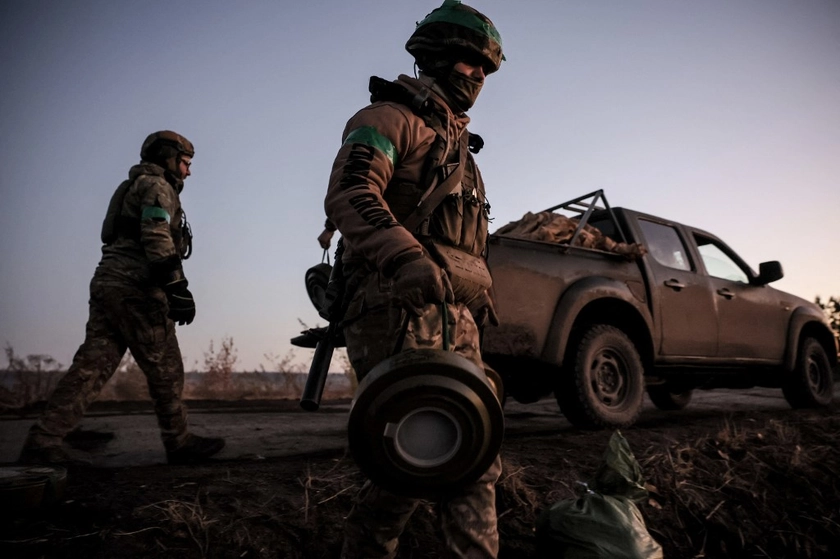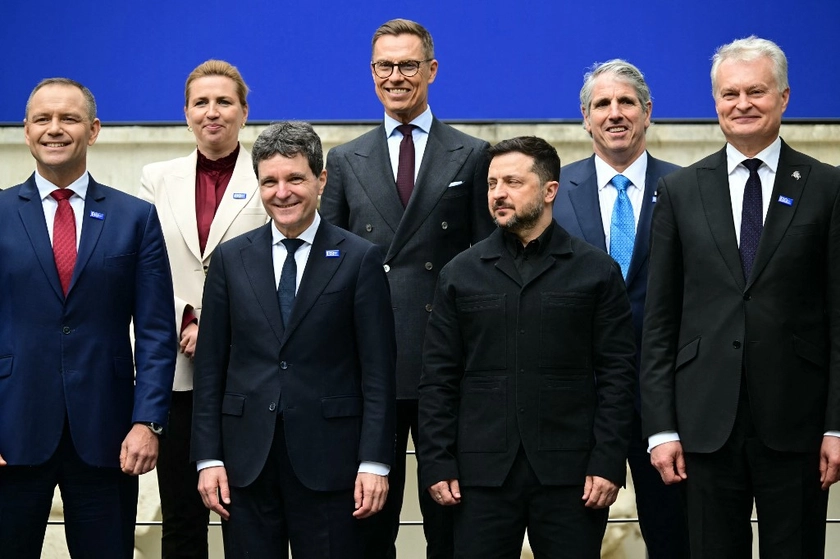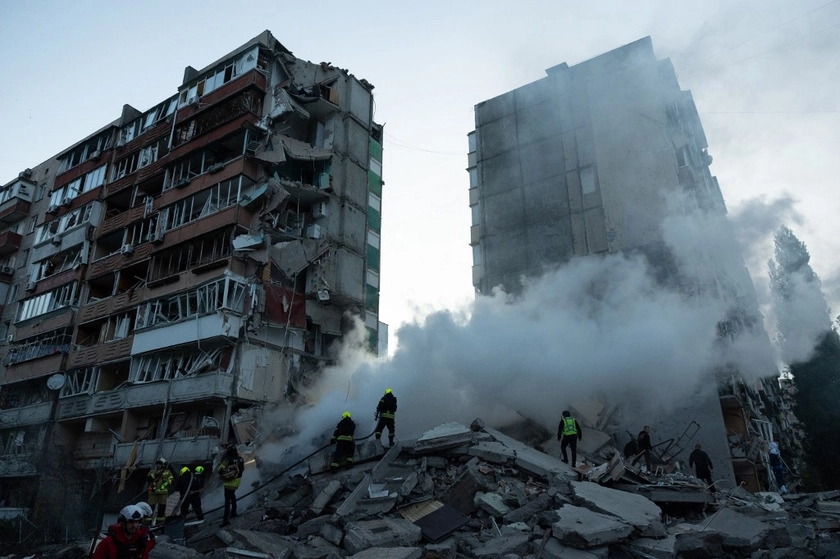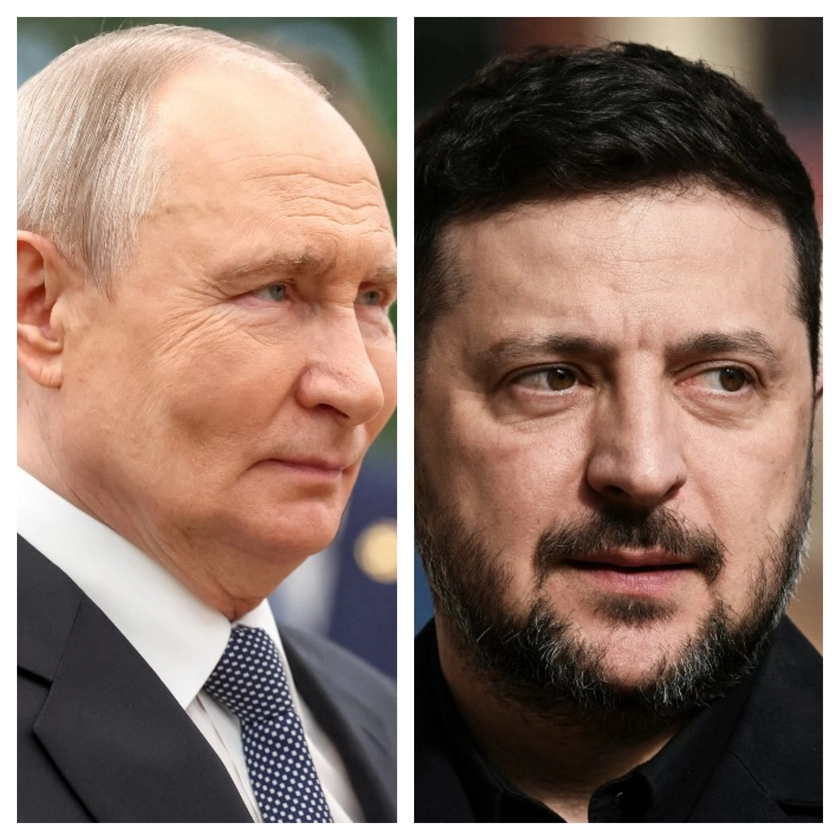
It’s always good to keep the field open for the most optimistic outcomes, but US President Donald Trump’s meeting with his Russian counterpart, Vladimir Putin, has all the hallmarks of yet another capitulation. Russia is demanding that Ukraine cede territory it hasn’t even lost and that it gives up areas that were taken from it. The apparently endless circularity of Trump’s deadlines, followed by weak retreat seem to have now reached their apotheosis of a potentially monumental betrayal of Ukraine in Alaska.
However, there is no need to wait and speculate on what Trump may or may not try to agree with Russia. The US is not the only world power with a vast GDP and military capability that can defend Ukraine.
JOIN US ON TELEGRAM
Follow our coverage of the war on the @Kyivpost_official.
Europe now faces an historic test of its resolve, its courage and its credibility.
Europe must act
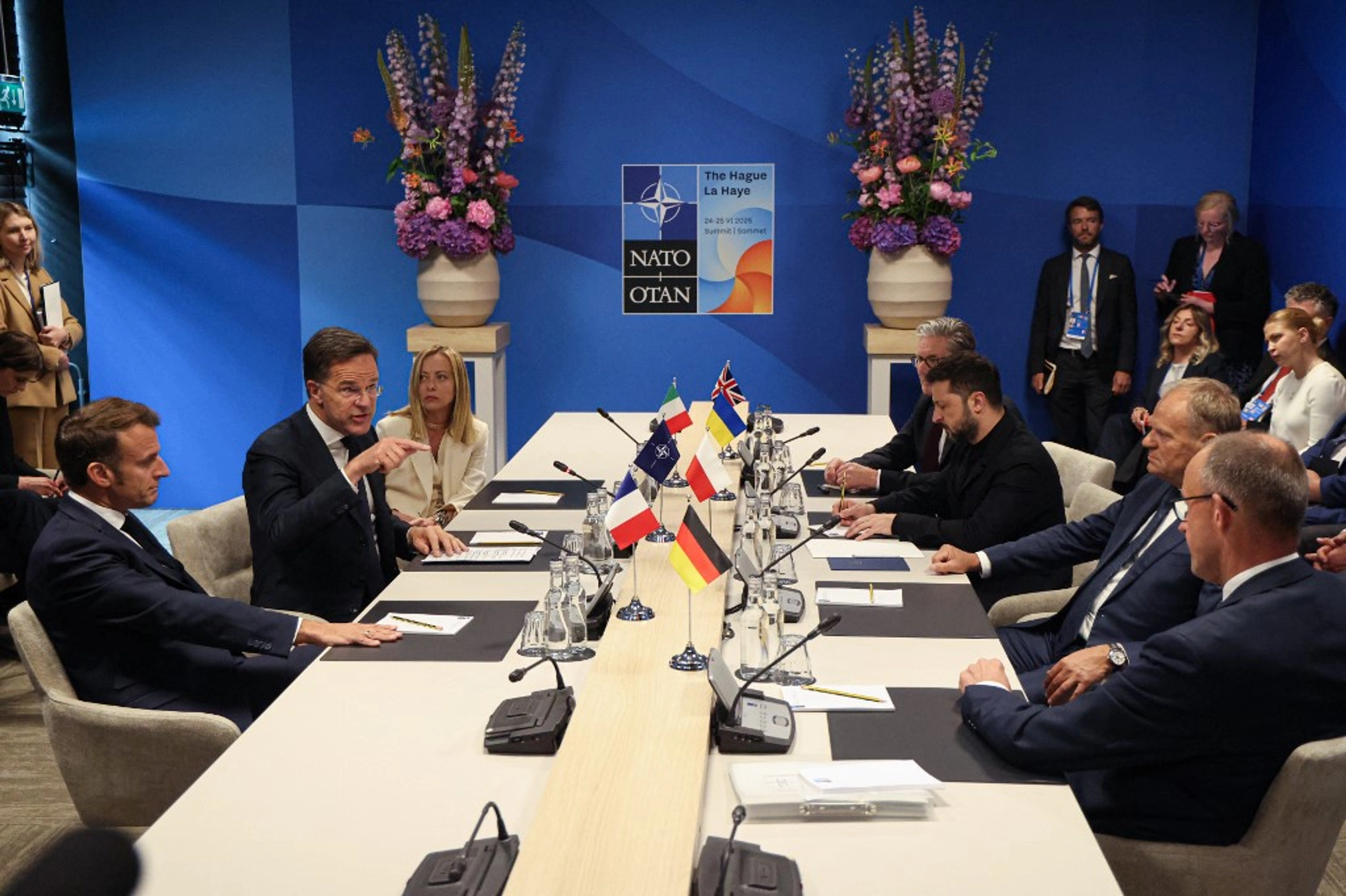
Before Friday, Europe must surely step in and offer guarantees to Ukraine, indeed to the world, that it will arm and support Ukraine until victory and that the concession of territory, or any other degradation of Ukraine, will not be an acceptable outcome of the Alaskan meeting. Europe must make clear to Trump that either he delivers an agreement that ends the war on favorable terms to Ukraine, or both he, and the US, will be rendered irrelevant in the subsequent developments.
Europe has the ability and wherewithal to take this posture, but will it do so? Its behavior does not give much hope. We are told that Europe “stands with Ukraine,” yet almost four years into this war, we still wait obediently for the latest reactive move by the US to calibrate European responses before we are willing to assert a position. Europe has stepped up its support for Ukraine in recent months, but it still lacks that edge, that urgency of a continent that grasps the enormous bloodshed and chaos that will result if Ukraine is defeated.
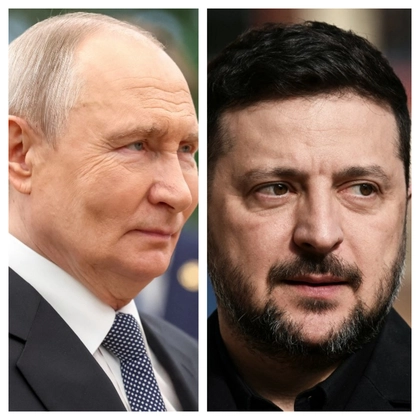
Kremlin Responds: ‘If Zelensky Wants to Meet, He Can Come to Moscow”
Putin of course knows all this. He sees Europe and he understands that, whatever happens in Alaska, Europe will be unwilling to place a countermove on the table with sufficient strength to render the talks meaningless if need be. He feels confident that he can turn up in Alaska and play the game with no concern for the European response. Europe’s vassal-like behavior has reduced the whole spectacle to a wrestling match between Russia and the US in which European power is all but irrelevant.
This is where we are now, but it does not have to continue this way. Just as the end of the Second World War led to a variety of political alignments in which the US was able to demonstrate its new global authority over what was until then British domination, so the meeting in Alaska can also be a pivot for European influence on the world stage, a moment in which European collective power finally showed its mettle and stood as an equal to the US. It really is no cliché to say that this week is a moment in history for Europe that is unmatched in its potential and significance.
Europe should state its position clearly and simply. Russia launched an unprovoked war of aggression, and we will not live in a world in which the new rule is that if you invade a country and hold its territory for three and a half years, you get to keep it. This, does it even need to be stated, is a game plan for global disaster.
The consequences of inaction
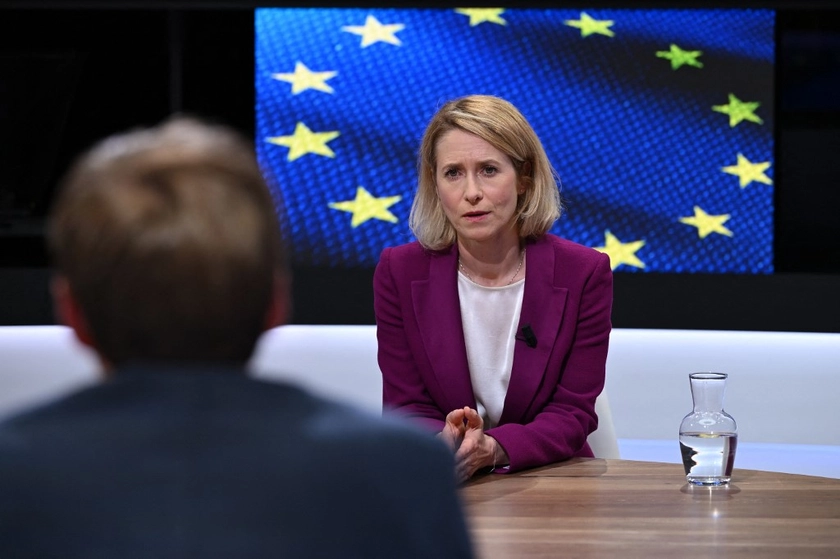
As Vice-President of the European Commission Kaja Kallas often explains eloquently, the Soviet negotiating tactic, one inherited by the Kremlin today, is to demand maximum concessions and then, even if you only get part of what you insist, you walk away with something you never had before. If Russia can get Trump to agree to cede just one meter square of Ukraine without consequence, then that’s a meter square that Russia never had. So clearly the lesson is to repeat this cycle. This is a conclusion that will not only be taken on board by Russia, but by every other nation with wandering eyes for the territory of other countries.
Europe should refuse this as a template for running the world and it should be willing to step forwards to fight for it. It need only remember its twentieth century history to understand the ramifications of abandoning this principle.
The motivation for Trump’s approach is still mysterious. Is he so irritated by Barack Obama’s Nobel Prize that any tinsel he can grasp over the heads of Ukrainians, even if it costs them their country and lives, will bring him nearer his vaunted goal of receiving one himself (incidentally, if the Nobel Committee had any gumption, they would make an announcement that no Nobel Prize will ever be awarded for the sell-out of Ukraine. A simple statement like this might have surprising historical importance).
Does Russia have serious kompromat on him? Is it instead a naivety about Russia and Putin? Or is it that age old mistake of thinking that dictators are ultimately kind-hearted rational people; if you give them enough and implore them to think sensibly, they will eventually give up their ambitions and go home. This was, after all, the man who wrote love letters to the North Korean dictator. Actually, I suspect it is all these factors, a farrago of false hopes.
We don’t need to argue about all these things for Europe to set a more persuasive tone of affairs. In the next few days, Europe has the opportunity to step in to ensure that the US delegation comes through with success or cedes authority to Europe.
If Europe fails this test, it will reinforce its weakness on the world stage and its secondary importance to the US. It will show that Europe can be sidelined in negotiations of any consequence on the world order. The effects of this in the long term surely cannot be overstated? Respect in the comity of nations is won by success at those critical moments of inflection. Fail now, and Europe will not get another chance to right it at any foreseeable time.
All that follows for the years to come will be constructed on the assumption that Europe is a diminutive influence in the future of the world. The consequences, for Ukraine, could be calamitous and on that score, Europe will win nothing but infamy.
Charles Cockell is Professor of Astrobiology at the University of Edinburgh.
The views expressed are the author’s and not necessarily of Kyiv Post.
You can also highlight the text and press Ctrl + Enter