Military campaigns often reveal as much about the expectations of those conducting them as they do about the enemy they seek to defeat. The recent confrontation between the US and Iran is no exception.
Over recent years, Western discussions of Iran have largely revolved around military capabilities. Analysts debate missile inventories, drone production, air defense systems, proxy networks and naval assets. Every escalation produces a fresh discussion about targets, strike packages and military responses. Yet there is a distinct possibility that the debate itself is trapped within a tactical framework.
JOIN US ON TELEGRAM
Follow our coverage of the war on the @Kyivpost_official.
The military strategist Antoine-Henri Jomini observed that the first principle of war is to direct the mass of one’s forces against the decisive point. The challenge, of course, lies in identifying that point correctly. History is filled with examples of armies achieving repeated battlefield successes while failing to strike the source of an adversary’s strength. This possibility deserves serious consideration when examining Iran.
Iran’s ability to endure
The Islamic Republic has withstood sanctions, covert action, cyber operations, economic pressure, targeted assassinations and, most recently, the sustained military pressure of Operation Epic Fury. Senior commanders have been removed. Military infrastructure has been degraded, and proxy organizations have suffered severe setbacks. Yet the Iranian state continues to function, adapt and resist.
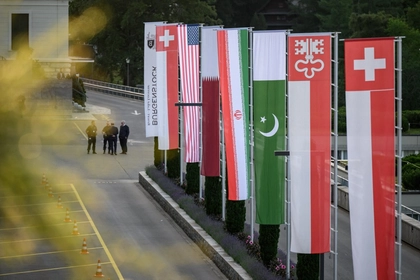
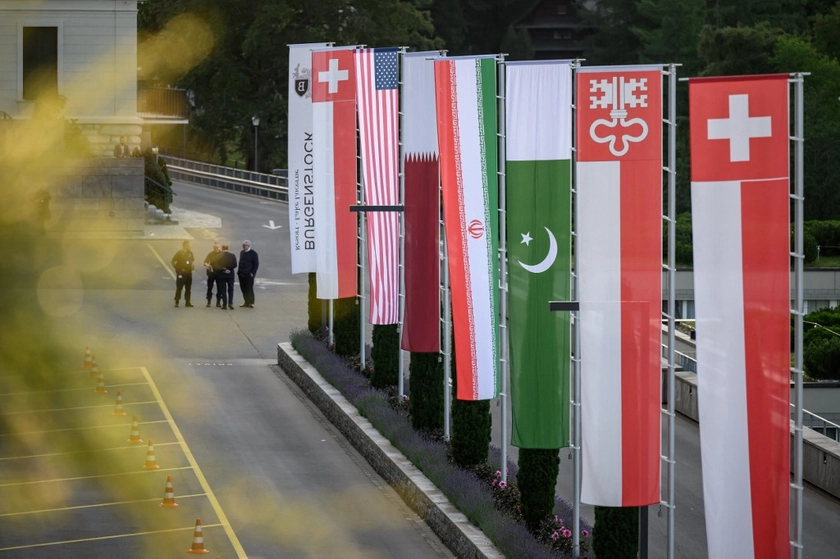
Iranian Delegation Arrives in Switzerland for Negotiations with US
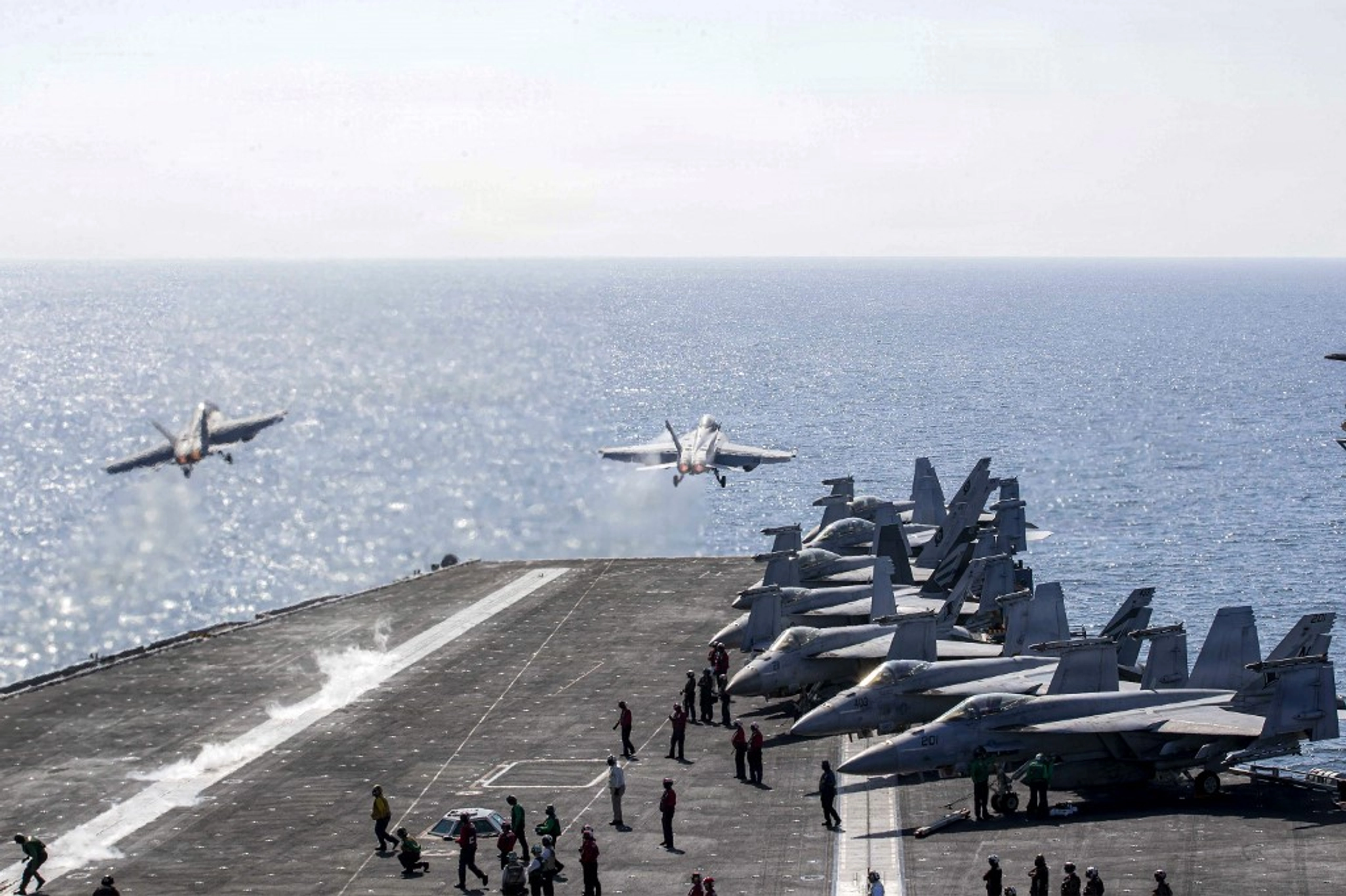
This reality has led some commentators to argue that the US completely failed in its recent campaign against Iran. Such conclusions confuse survival with victory. Operation Epic Fury was not a military defeat for the US. American forces achieved air superiority, struck designated targets across Iran and demonstrated an overwhelming ability to project force at will. The more relevant question is not whether the US failed to defeat Iran militarily but why Iran remained capable of absorbing those blows without suffering strategic collapse.
That distinction is important because military success and strategic success are not always the same thing. History offers countless examples of states that lost battles, fleets, air forces and senior leaders yet continued fighting because the foundations of their power remained intact.
This should force planners to ask a simple question: What if the West is successfully targeting Iranian capabilities while leaving Iranian resilience largely untouched?
The notable British military theorist Sir Basil Liddell Hart argued that strategy should seek dislocation, as victory emerges not from the destruction of every enemy asset but from placing an opponent in a position where his entire system becomes increasingly difficult to sustain. The objective is not merely to destroy strength but rather to undermine the foundations upon which that strength rests.
Viewed through this lens, the Islamic Republic presents a curious paradox. Its military power attracts enormous attention, yet its ability to challenge the West does not ultimately rest upon missiles, drones or proxy forces. These are merely instruments – manifestations of power rather than its source.
The more important question concerns sustainment, namely how does the Iranian system continue to absorb pressure while maintaining regional influence, funding military programs and preserving its ability to impose costs on its adversaries?
Kharg Island’s strategic weight
The answer lies less in missile silos and command bunkers than in the economic foundations that keep the system functioning. Military assets generate power; economic assets sustain it.
Throughout history, strategists have distinguished between what is important and what is indispensable. Countries can survive the loss of military equipment, territory and even senior leaders, as Iran has proven. What they struggle to survive is the sustained disruption of the mechanisms that generate revenue, maintain legitimacy and finance state power.
In Iran’s case, a remarkable proportion of that economic activity converges upon a surprisingly small piece of geography.
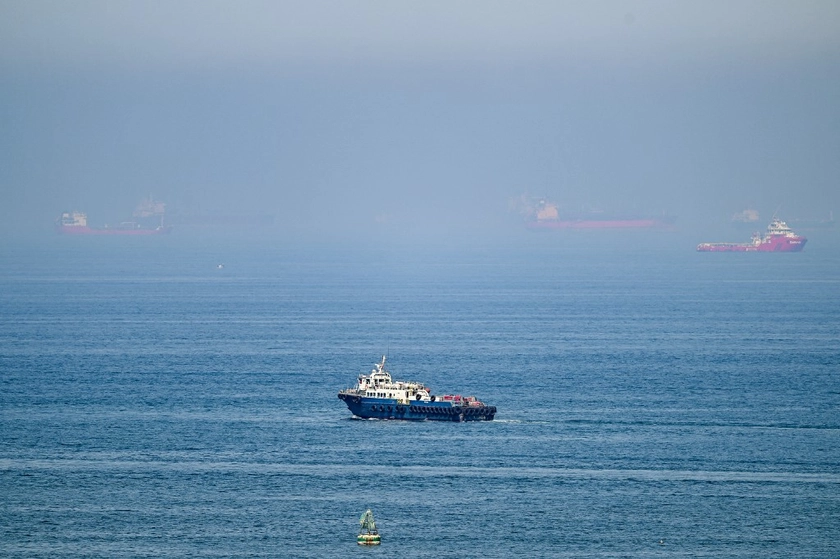
Kharg Island is often discussed simply as an oil terminal. Such a description dramatically understates its significance. In strategic terms, it represents one of the most concentrated expressions of Iranian national power, handling roughly 90 percent of the regime’s crude oil exports. In an era of distributed warfare, dispersed networks and decentralized military capabilities, this degree of concentration is highly unusual.
Yet despite this reality, US strategy has focused elsewhere.
And to be clear, the decision to strike Iranian military and nuclear targets was evidently justified. No serious analyst would suggest that Washington should have ignored activities that threatened regional stability and international security. The question is whether those strikes were directed against the part of the Iranian system most responsible for its capacity to sustain prolonged confrontation.
The reasons are, of course, understandable as any serious pressure applied to Iran’s energy exports carries potentially severe consequences. Energy markets react, regional tensions increase and the risk of retaliation rises. Policymakers naturally prefer options that appear more measured and controllable. As a result, the prevailing approach has often favored incremental pressure: more sanctions, more strikes, more interceptions and more attrition.
The logic is clear. The results, however, are less so.
Operation Epic Fury demonstrated both the strengths and limitations of this approach. US and Israeli forces inflicted enormous damage upon Iranian military capabilities, degraded critical infrastructure, eliminated senior leadership figures and demonstrated overwhelming operational superiority. Yet despite these setbacks, the Iranian state withstood.
The danger of focusing on secondary targets
The war revealed a reality that military planners have long understood – that destroying an adversary’s capabilities is not necessarily the same as breaking its capacity to continue functioning. This raises a problematic possibility: by avoiding the sources of immediate escalation, Western strategy may simply be accepting a slower accumulation of long-term risk.
Jomini would likely recognize the dilemma immediately. Concentrating force against a decisive point always carries risk yet avoiding the decisive point carries risks as well. Strategy is ultimately the art of deciding which risks matter most.
Much attention is devoted to the dangers associated with placing genuine pressure upon Iran’s economic center of gravity. Far less attention is devoted to the dangers of continuing a campaign that disperses effort across countless secondary targets while leaving the foundations of Iranian resilience intact.
The purpose of strategy is not to identify the safest option but rather to identify the option most likely to achieve a political objective. Whether US policymakers ultimately conclude that the Islamic Republic’s center of gravity is economic, political or military remains a matter for debate.
Yet one fact remains difficult to ignore: if a small island in the Gulf continues to sit at the intersection of Iranian state revenue, regional influence and national survival, then it deserves a far more prominent place in strategic discussions than it has traditionally received.
US forces proved entirely capable of penetrating Iranian defenses and destroying designated targets, at will. Iran, meanwhile, demonstrated an ability to absorb punishment while preserving the economic mechanisms that underpin regime resilience.
Jomini advised commanders to identify the decisive point and Liddell Hart urged them to dislocate the enemy’s system rather than merely attack its strength.
The central strategic question uncovered by the war is not whether the US possessed the military means to strike Iran. It plainly did. The question is whether US policymakers have correctly identified the foundations of Iranian resilience. If they have not, then future campaigns may continue to produce impressive tactical victories while leaving the underlying strategic problem largely untouched.
The views expressed in this opinion article are the author’s and not necessarily of Kyiv Post.
You can also highlight the text and press Ctrl + Enter