Britain can afford to spend 5% of GDP on defense today. History suggests, however, that it will wait until the threat becomes impossible to ignore.
Every discussion about meaningfully increasing spending on security eventually arrives at the same question: where will the money come from? History offers a simple answer: the money appears when the threat becomes real.
JOIN US ON TELEGRAM
Follow our coverage of the war on the @Kyivpost_official.
As one of the world’s largest economies, Britain can afford 5% of GDP on defense now if it chooses. In real terms, the question has never been about affordability; it has always been about political will.
The United Kingdom spent far higher proportions of national income on defense throughout much of the 20th century. During the Second World War, the nation mobilized on a scale that would seem unimaginable today. The money was found because national survival demanded it, and the same principle applied throughout the Cold War. Defense was not viewed as a discretionary expense but understood as the price of security in a dangerous world.
Yet, democracies rarely make such commitments until the danger becomes undeniable. Ukraine offers the most powerful modern example.
Before February 2022, war between major countries in Europe was widely regarded as unlikely. Policymakers understood Russia’s ambitions and military analysts warned of the risks. The evidence was visible, but what was missing was the belief that the threat would become immediate.

Ukraine Secures Release of Seven Civilians from Russian Captivity
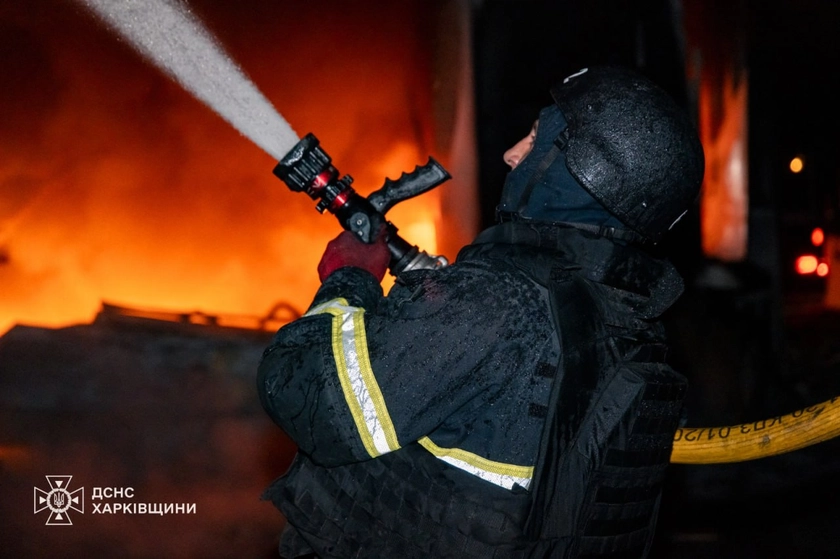
Then, Russian forces invaded Ukraine. Almost overnight, governments across Europe found tens of billions for defense, energy security, and military assistance. The money had always existed; the political justification had not.
Many Britons remain unconvinced by calls for significantly higher defense spending with some pointing to Britain’s geography, while others place their faith seemingly entirely in the country’s nuclear deterrent. Both arguments contain some truth as Britain’s nuclear arsenal ensures that no adversary can destroy the United Kingdom without risking its own destruction, and her geography continues to provide advantages that many nations lack.
Yet neither guarantees security in the broader sense as nuclear weapons do not protect undersea cables, energy infrastructure, satellite networks, trade routes, or allies. They do not deter acts of coercion below the nuclear threshold, nor do they guarantee Britain’s freedom of action in an increasingly hostile and contested world.
The purpose of studying history is not to surrender to its patterns, it is to recognize them.
The real lesson from Ukraine is not that war is inevitable, but that strategic shocks arrive far more quickly than most societies expect. In 1913, few Europeans imagined that millions would soon be fighting in the trenches. In 1938, many still believed another continental war could be avoided. In 2021, relatively few expected Russian tanks to be advancing towards Kyiv within months. The danger was highly visible in every case; what was missing was the belief that the danger would become immediate and real.
This brings us to the most revealing development in Britain’s recent defense debate.
The resignations of Defense Secretary John Healey and Armed Forces Minister Al Carns over the underfunded Defense Investment Plan should not be dismissed as routine political disagreements. These were manifestly honorable men entrusted with Britain’s defense, possessing access to the same intelligence assessments, military briefings, and strategic forecasts as the rest of the government. Both concluded that the proposed level of defense spending actively leaves the nation unsafe.
We do not know everything they know, and we are not supposed to. Yet their departures raise an uncomfortable question: If the very ministers with access to classified assessments of Russian rearmament and Chinese military expansion believe Britain is underinvesting in its security, why are so many others in power confident that current investment is enough?
For years, warnings have come from generals, analysts, and think tanks. Such warnings, perhaps, are easy to dismiss as institutional self-interest. However, when the senior political ministers responsible for national defense conclude that the country is failing its military, the signal becomes impossible, dangerous even, to ignore.
Britain may eventually spend 5 percent of GDP on defense. History suggests it will do so when the threat becomes blindingly obvious to voters. Yet the purpose of studying history is not to surrender to its patterns, it is to recognize them. Ukraine’s warning is not that preparation is futile but rather that preparation becomes vastly more expensive once the crisis has already arrived.
The warnings, the red flags, the signals are all visible. Future generations will care little about what we knew. They will judge us by what we did with that knowledge.
The views expressed in this opinion article are the author’s and not necessarily those of Kyiv Post.
You can also highlight the text and press Ctrl + Enter

Ukrainian Storm Shadow Hit Iskander-Linked Electronics Plant, Say Russian Sources