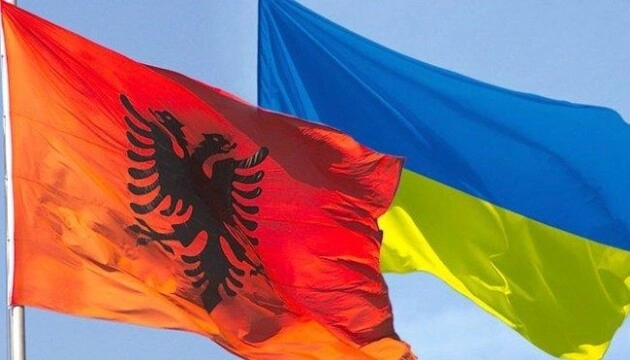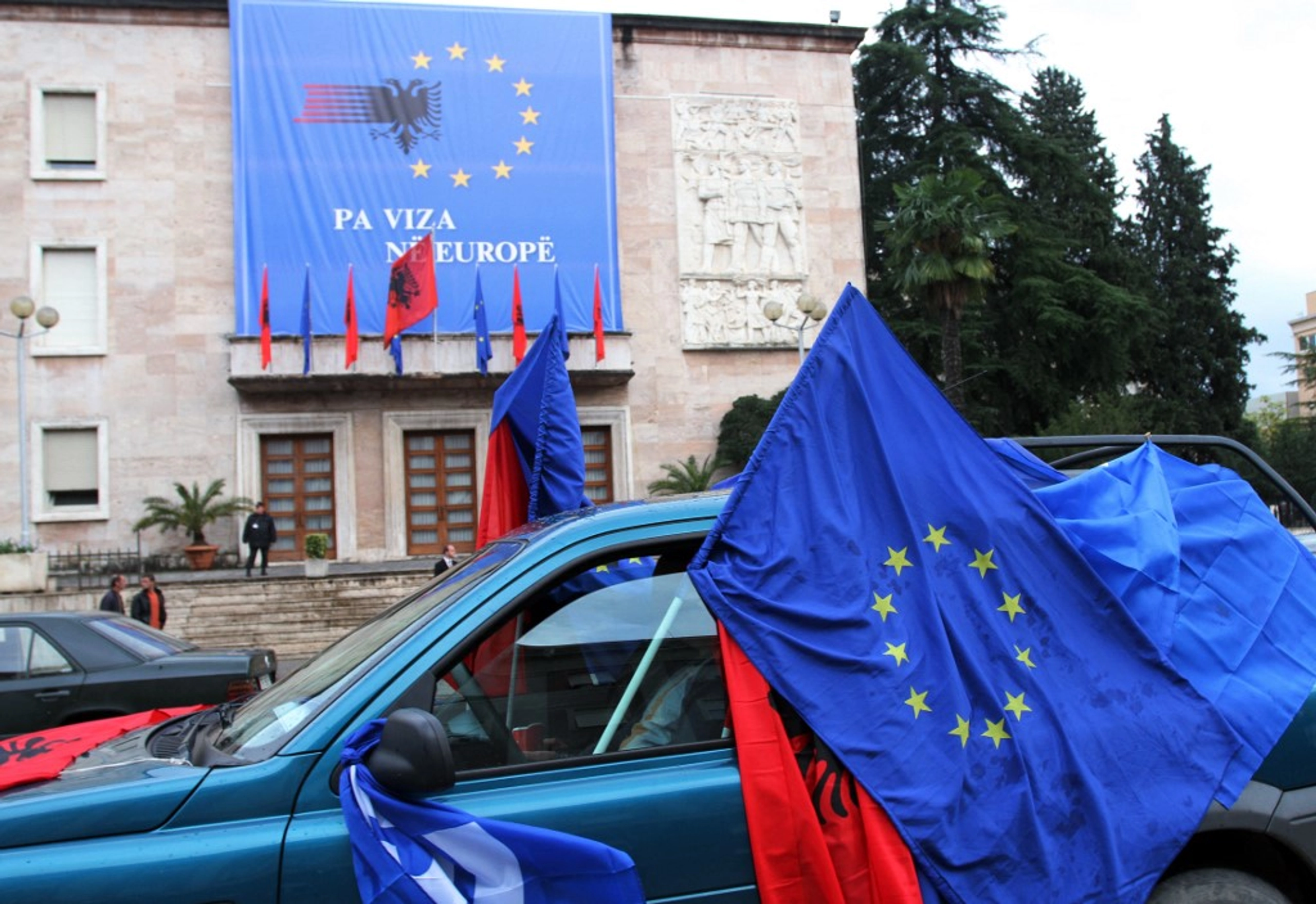
I am writing these lines with a packed bag by the door, about to head to the airport for Tirana. The invitation from the Albanian government came unexpectedly: a request to speak at an international conference on regional transformation and communication strategy, with a particular focus on Russian disinformation aimed at EU candidate countries such as Albania and Ukraine.
Ukraine has a great deal to say on this subject from bitter experience. The trip is giving me a chance to step outside Ukraine’s daily challenges and look closely at a country that, not so long ago, was as closed off and misunderstood as Ukraine once was.
JOIN US ON TELEGRAM
Follow our coverage of the war on the @Kyivpost_official.
Albania is not a place many of us in Kyiv think about every day. Tucked along the Adriatic, it spent nearly four decades under one of Europe’s most isolated and paranoid dictatorships, ruled by Enver Hoxha and scarred by bunkers, suspicion and enforced conformity.
Yet today, Tirana is one of the Balkans’ most energetic and visually confident capitals. I find myself thinking less about what I will say on stage and more about what Ukraine can learn from Albania’s long climb out of darkness, and vice versa.
The parallel is not exact, but it is real. Both Albania and Ukraine know what it means to have identity, initiative, and civic life crushed by systems designed to produce obedience.
Both have struggled with the corrosive afterlife of corruption.
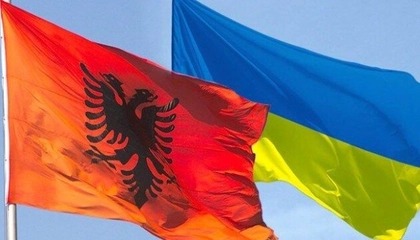
Albania to Open First Embassy in Kyiv for Solidarity, Potential Economic Prospects
And both have had to fight their way back toward Europe while hostile forces worked to convince their citizens that European integration was either impossible, humiliating, or false.
That struggle now extends deep into the information space. Russia’s disinformation machine exploits historical resentments, media distrust and fears concerning sovereignty across Ukraine and the Western Balkans alike. In Ukraine, it is part of the war effort; in the Balkans, it is used to slow EU enlargement and feed cynicism.
The answer cannot be limited to debunking individual lies. Candidate nations need strategic communications that join state capacity, cybersecurity, independent media and civic confidence into a form of national resilience.
Albania’s most visible lesson, however, does not begin with policy papers but with paint. When Edi Rama became mayor of Tirana in 2000, the city was bankrupt, battered and lined with drab communist-era apartment blocks. Unable to transform everything at once, he started with the facades, covering grey concrete in bold colors and geometric patterns.
When foreign diplomats questioned the value of spending scarce funds on paint, Rama answered with the line that still expresses the point: “Compromise in colors is grey.”
It was not a cosmetic gimmick. Changing the visual landscape helped change how residents saw their city and their own agency within it. Streets that had looked abandoned began to feel claimable again. Civic pride returned in small but visible ways.
For Ukraine’s artists, architects, city planners and storytellers, the lesson is immediate: rebuilding ruined public space is not merely an engineering problem. It is also a psychological counter-offensive. Beauty, color and bold design can become acts of resistance.
Just as important is Albania’s handling of its history. Instead of ignoring its brutal past, demolishing every trace of it or letting those remnants sit as permanent wounds, the country has repurposed them.
Cold War bunkers have become contemporary art and history spaces through Bunk’Art. The Pyramid of Tirana, originally built as a monument to Enver Hoxha, has been remade as a free digital learning center where young people study coding, robotics and design.
There is something powerful in that act of cultural reversal: taking the architecture of fear and handing it to the next generation as a place to imagine, learn and build. Ukraine will face its own enormous challenge of memorialization and renewal in towns and cities scarred by Russian destruction, Russification, and Sovietization.
Tirana suggests that we do not have to choose between memory and momentum. We can honor trauma without becoming captive to it.
Leadership also matters, though not as a substitute for civic energy. Rama’s career as an artist and athlete made Tirana’s reformer unusually visual and performative. In Kyiv, too, one feels that shared hunger in post-communist societies for leaders who can break with bureaucratic fatalism and make civic pride visible again.
Ukraine has already shown the world its capacity to move fast: digitizing state services, adapting technology for defense, coordinating civil society under pressure, and communicating its cause with remarkable agility. Albania’s path has been different, but it too has used leapfrogging, symbolism, and civic reinvention to move from isolation toward NATO membership and the European mainstream.
My purpose in Tirana is therefore twofold: to share what Ukraine has learned about resilience, crisis communication, and national unity under attack, and to listen carefully to those who have paved their own road out of fear and stagnation.
Rebuilding a country is not simply a matter of pouring concrete or passing reforms. It is an act of collective imagination. Sometimes, to see our own future more clearly, we need to look through the eyes of another society that has already begun to retrieve its own.
The views expressed in this opinion article are the author’s and not necessarily those of Kyiv Post.
You can also highlight the text and press Ctrl + Enter