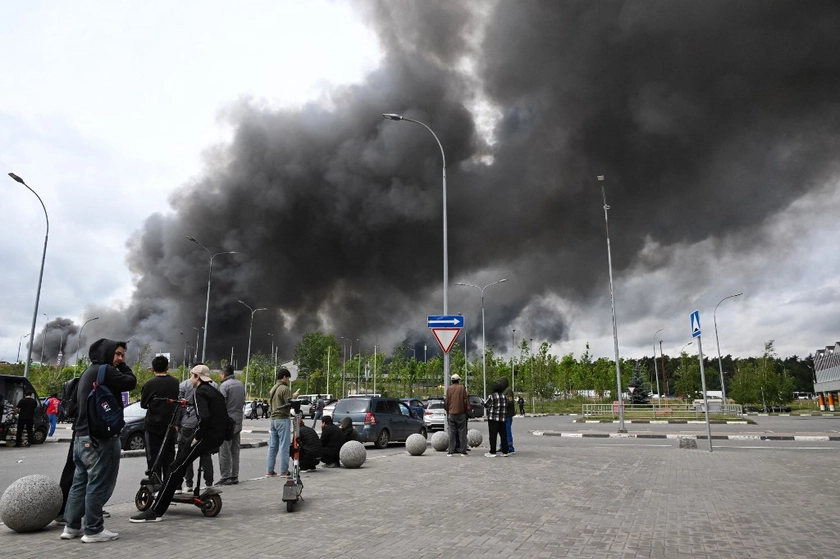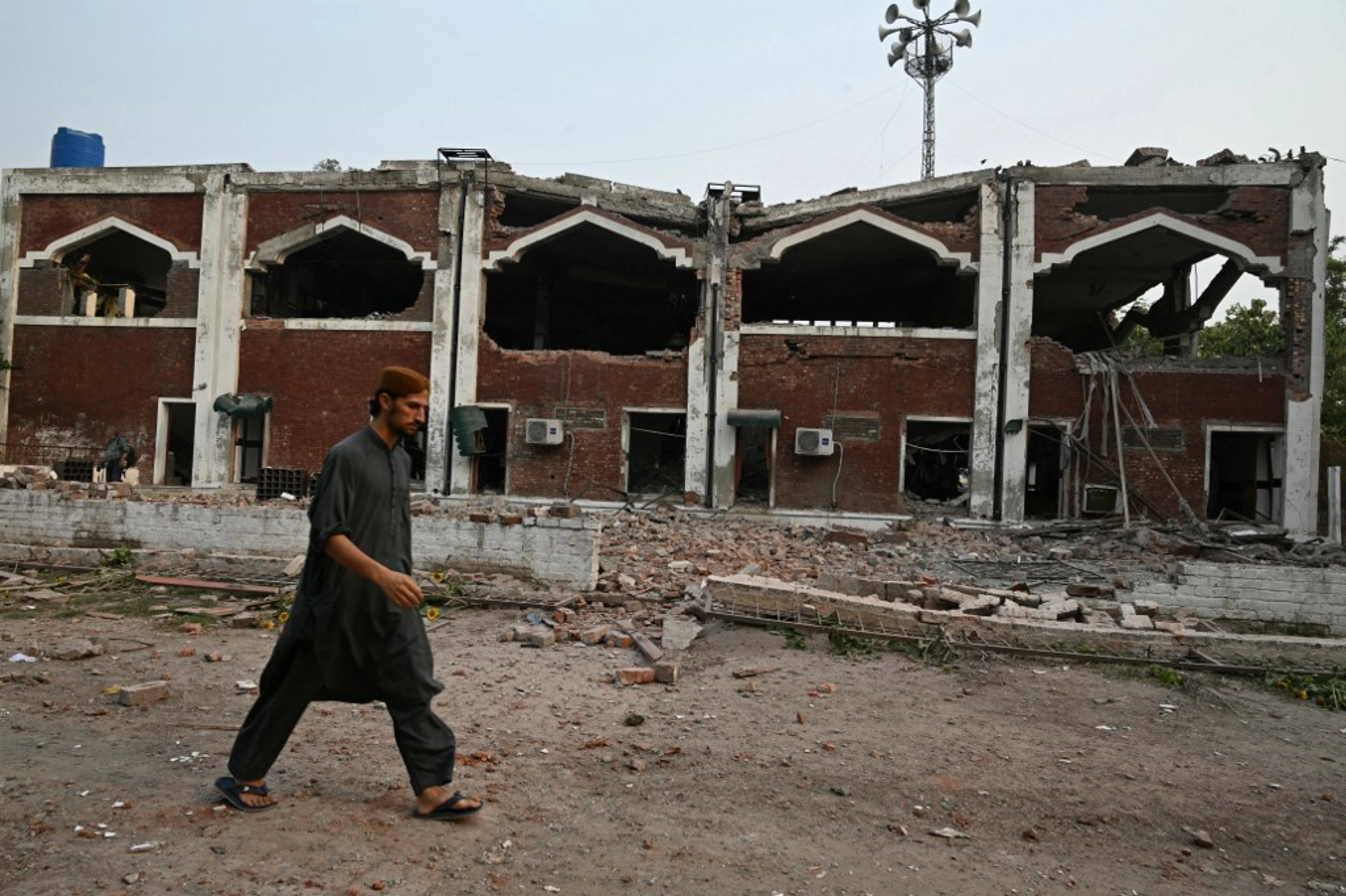
India and Pakistan exchanged intense artillery and missile fire along the Line of Control (LoC) in the Kashmir region, early Wednesday, May 7.
The clash followed Indian air strikes late on Tuesday night, May 6, targeting what New Delhi called terrorist camps inside Pakistan-controlled territory.
JOIN US ON TELEGRAM
Follow our coverage of the war on the @Kyivpost_official.
Since gaining independence from British rule in 1947, the South Asian neighbours have waged several wars over the disputed region.
How bad is it?
At least 38 people were killed. Pakistan said 26 of those were civilians, including four children. India said 12 people died in Pakistan’s return shelling. Dozens more were injured on both sides.
What led to this?
On April 22, gunmen attacked a group of Hindu tourists in Pahalgam, in Indian-administered Kashmir, killing 26 people. India blamed the attack on Lashkar-e-Taiba, a Pakistan-based group listed as a terrorist organization by the United Nations. Pakistan denied any involvement, but tensions rose quickly.
What did India do?
On the night of May 6, Indian warplanes and missiles struck what it called “terrorist training sites” in Pakistan-controlled Kashmir. The Indian Army said nine camps were destroyed. Officials described the strikes as “focused, measured, and non-escalatory.”
How did Pakistan respond?
Just hours later, around dawn on May 7, Pakistan launched artillery fire across the LoC and claimed to have shot down five Indian fighter jets. An Indian official, speaking anonymously, confirmed three jets crashed on Indian soil.

Anti-Migrant Panic in Ukraine: Russian Sabotage or Deeper Issues?
Pakistan’s defense minister called the strikes an attempt by Indian Prime Minister Narendra Modi to boost political support ahead of elections, but said Islamabad’s “retaliation has already started.”
What’s happening now?
Border areas remain under a heavy military presence, AFP reported. In Muzaffarabad, the capital of Pakistan-controlled Kashmir, homes near a mosque were damaged. In Indian-held Poonch, 12 people died as shells fell overnight. Both countries reported civilians fleeing their homes for safety.
Has this happened before?
Yes. In February 2019, India launched airstrikes inside Pakistan after a suicide bombing killed 40 Indian soldiers. But experts say the current violence is even more serious, due to the scale of attacks and civilian deaths.
How is the world reacting?
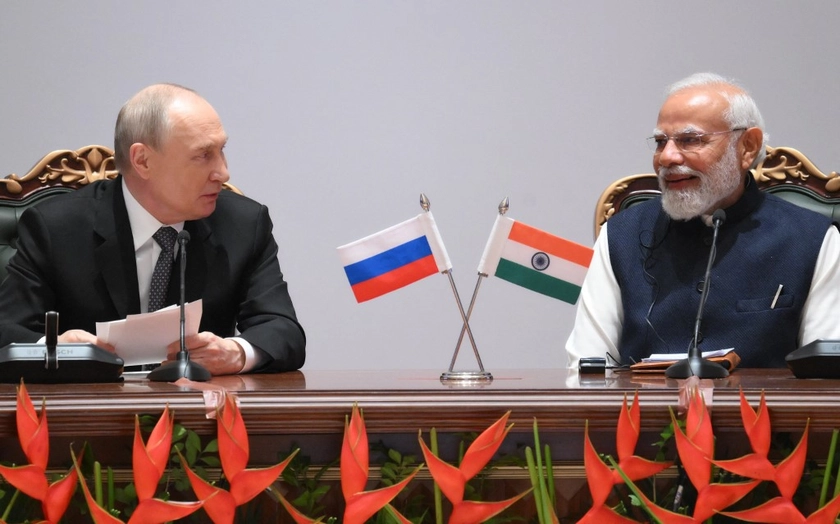
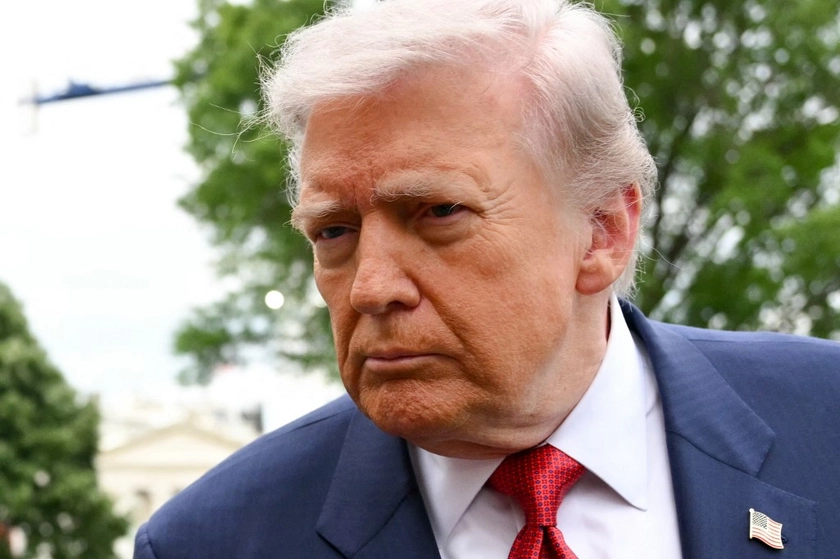
The United Nations, United States, China, and Russia have all called for restraint. US President Donald Trump said he hopes the fighting “ends very quickly.” US Secretary of State Marco Rubio spoke to both governments and is monitoring the situation closely. Major airlines have rerouted or cancelled flights in the region.
Is there a chance of war?
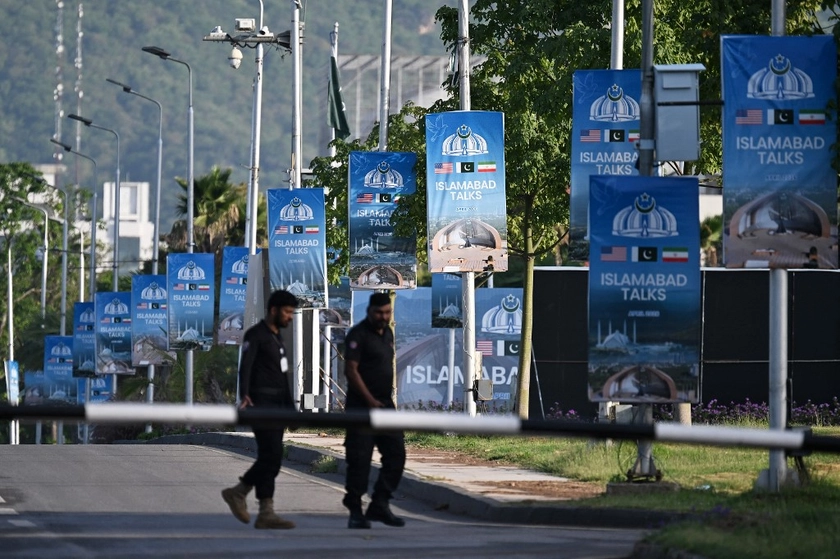
Analysts warn that tensions are the highest in decades. The International Crisis Group says this could escalate beyond the 2019 crisis if both sides do not step back. Iran is trying to mediate – its foreign minister visits New Delhi on May 7, after holding talks in Islamabad earlier this week.
The roots of the conflict
The conflict between India and Pakistan started in 1947 when British India was divided into two countries. Control over one area, Kashmir, became a major point of contention because it had a mostly Muslim population but was ruled by a Hindu king. Both India and Pakistan wanted control of it.
They have fought three wars over Kashmir (in 1947, 1965, and 1999), and even though there have been agreements and ceasefires, the problem has never been fully solved. The situation is even more dangerous because both countries have nuclear weapons and strong national pride tied connected to Kashmir.
One important agreement between them, called the Shimla Agreement, was signed in 1972 with the aim of ceasing all hostilities in the region and charting a new course for bilateral relations. But now, Pakistan has announced the suspension of its participation in the Shimla Agreement, and people worry that this could lead to more violence between the two countries.
Is there a Ukrainian angle to the story?
Yes, kind of. Earlier this week, various news sources reported that Pakistan was running low on artillery shells after selling stockpiles of them to Ukraine and, according to some reports, Israel, in order to help close budget gaps.
That said, the majority-Muslim nation, a natural ally of Palestine, denied the reports that it sold 155mm artillery shells to Israel, and Islamabad repeated its historic opposition to the existence of the State of Israel and its refusal to recognize it diplomatically.
According to Indian news sites this week, Pakistani ammunition factories reported dangerously depleted levels of artillery shells after selling some $364 million worth of them to Ukraine between February and March 2023. Pakistan is said to have shipped about 42,000 122mm rockets for Grad BM-21 systems, 60,000 155mm howitzer shells, and an additional 130,000 122mm rockets to Kyiv.
You can also highlight the text and press Ctrl + Enter